Whether a Maltipoo Needs Sofa Steps
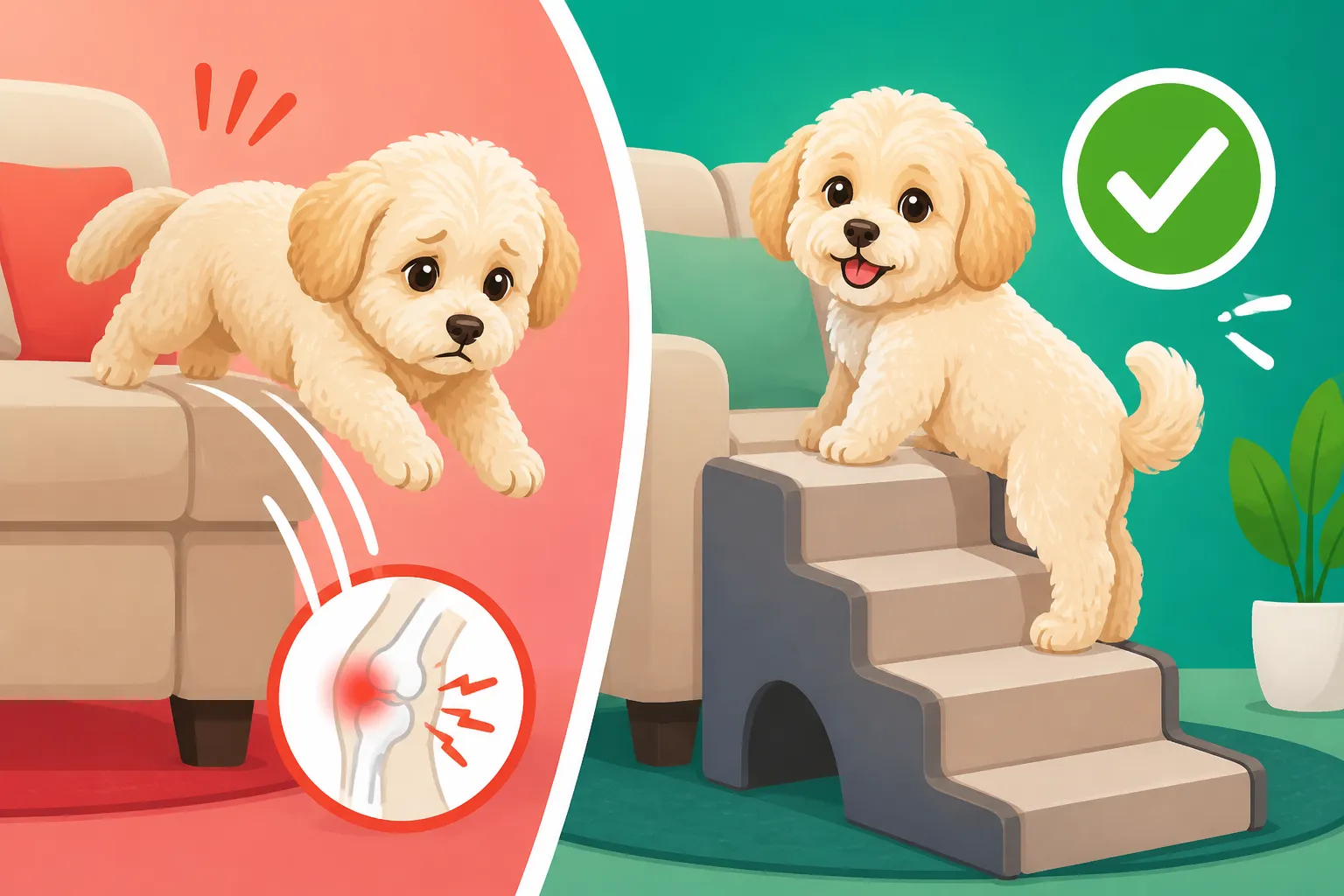
You’ve probably seen your adorable Maltipoo launch themselves off the sofa with a burst of playful energy, landing with a surprising thump. It’s cute, it’s certainly spirited, but for us Maltipoo parents, it can also send a shiver down the spine. These little bundles of joy, while robust in spirit, are often quite delicate physically, and repeated jumping from heights can actually lead to serious long-term health issues or even acute injury. This guide will help you understand why sofa steps aren't just a luxury, but often a necessity for your Maltipoo's well-being and how to choose the best ones.
The Delicate Nature of a Maltipoo's Joints and Bones
It’s easy to forget, watching a Maltipoo zip around, just how small and finely built they are. Their dainty appearance isn't just for show; it means their skeletal structure and joints are more susceptible to strain and injury than those of larger, more heavily boned breeds. This inherent fragility is a critical factor when considering furniture access.
Understanding Patellar Luxation (Slipping Kneecaps)
One of the most common orthopedic issues we see in Maltipoos, due to their Poodle and Maltese heritage, is patellar luxation, or what we commonly call "slipping kneecaps." This is where the patella (kneecap) dislocates or moves out of its normal groove in the femur. Imagine your own kneecap constantly shifting out of place – it’s painful and can lead to arthritis over time. Every time your Maltipoo jumps off the sofa or bed, the impact can put immense stress on these already vulnerable joints. A sudden, awkward landing can easily cause the kneecap to slip, or worsen an existing condition.
There are different grades of patellar luxation, from mild to severe, and even a low-grade luxation can be exacerbated by repetitive high-impact activities. Preventing these impacts is key to managing the condition and potentially avoiding costly and invasive surgery down the line. You can learn more about this in our article Slipping Kneecaps in a Maltipoo. Protecting their joints from unnecessary stress is one of the kindest things you can do for your little companion.
The Risk of Legg-Calvé-Perthes Disease
Another condition that sometimes affects toy breeds like the Maltipoo is Legg-Calvé-Perthes disease. This is a painful condition where the head of the femur (the ball part of the hip joint) degenerates due to a disruption of blood supply. While it's largely genetic, the added stress of impact from jumping can certainly aggravate any existing weakness or predisposition. If your Maltipoo is limping, especially between 6 to 12 months of age, this could be a concern, and careful consideration of their activity, including jumping, becomes even more important. Understanding conditions like Legg Calve Perthes in a Maltipoo helps us become better advocates for our pets.
Fragile Bones and Growth Plates
Maltipoo puppies, in particular, have open growth plates in their bones. These are areas of cartilage where bone growth occurs, and they don't fully close until the dog is around 12 to 18 months old. While these plates are open, they are incredibly vulnerable to injury. A hard landing from a jump can cause a fracture in these delicate areas, leading to pain, lameness, and potentially long-term orthopedic issues. Even in adult Maltipoos, their small, relatively thin bones, inherited from their toy breed parents, simply aren't designed to absorb the shock of repeated high jumps. It's a bit like us jumping off a significant height repeatedly – eventually, something is going to give. We delve more into their bone structure in Whether a Maltipoo's Bones Are Thinner Than Normal.
Why Jumping Off Furniture is a Hazard for Maltipoos
The adorable sight of your Maltipoo leaping from your lap to the floor or rocketing off the arm of the sofa might seem harmless, but for such a tiny dog, the physics of that fall are significant. It’s not just a soft landing onto carpet; it’s an impact that can have cumulative and sudden consequences.
The Impact of Repeated Jumps
Think about the sheer number of times your Maltipoo jumps on and off furniture each day. If they spend a lot of time with you on the sofa, that could be dozens of little leaps. Each jump, each landing, sends a jolt through their tiny joints, ligaments, and bones. Over weeks, months, and years, this repetitive stress can lead to early onset arthritis, exacerbate pre-existing conditions like patellar luxation, or contribute to chronic pain.
It's similar to how repetitive strain injuries develop in humans. One jump might not cause an immediate issue, but the cumulative effect can silently chip away at their joint health. By the time you notice a limp or stiffness, significant damage might already have occurred, and reversing it can be difficult or impossible. Many Maltipoo owners don't realize the extent of this until their dog is older and showing signs of discomfort, often wishing they had taken preventative measures earlier.
Acute Injuries from Misjudged Leaps
Beyond the long-term wear and tear, there's the very real risk of an acute injury from a single, ill-fated jump. A Maltipoo can easily misjudge a jump, slip on a hardwood floor, or land awkwardly, leading to an immediate and painful injury. We've heard countless stories of Maltipoos yelping in pain after a tumble from the bed or sofa, sometimes resulting in a broken leg, sprained ankle, or a severe knee injury that requires immediate veterinary attention. These kinds of accidents are not only distressing for you and your dog but can also result in substantial veterinary bills and a long recovery period.
Imagine your Maltipoo, caught up in excitement, decides to jump down to greet a visitor, lands wrong, and suddenly can't put weight on a leg. This isn't just a possibility; it's a common scenario for small breeds. Our article Whether a Maltipoo Can Be Injured by a Fall further explores these risks. Even seemingly soft landings can turn disastrous if the angle is just a little off.
The Benefits of Sofa Steps for Your Maltipoo
Once you understand the risks, the benefits of sofa steps become incredibly clear. These simple additions to your home aren't just about convenience; they're an investment in your Maltipoo's long-term health, comfort, and independence.
Preventing Joint Strain and Injury
The primary benefit of sofa steps is reducing the strain on your Maltipoo’s delicate joints. Instead of absorbing the impact of a jump, their legs can gracefully ascend and descend a series of small, manageable steps. This minimizes the jarring forces on their knees, hips, and spine. For Maltipoos prone to patellar luxation, or those with early signs of arthritis, this is absolutely crucial. By offering a safe, low-impact way to get on and off furniture, you're actively working to prevent further damage and potentially delay the onset or progression of degenerative joint diseases. It's a proactive measure that can save them from pain and you from significant vet expenses down the road.
Promoting Independence and Confidence
A Maltipoo loves to be near their people. When they can't easily get onto the sofa or bed, it can lead to frustration, excessive barking, or even them feeling left out. Sofa steps empower your Maltipoo to join you on their own terms, fostering a sense of independence and boosting their confidence. They don't have to wait for you to pick them up or struggle to make a risky jump. This newfound freedom allows them to participate more fully in family life, strengthening your bond and making them feel like a cherished member of the household. It's a small change that can make a huge difference in their daily happiness and sense of belonging.
Ease for Older or Arthritic Maltipoos
As Maltipoos age, just like humans, they can develop arthritis or other mobility issues. Even if your Maltipoo has been a champion jumper in their youth, age will inevitably catch up. Sofa steps become indispensable for senior Maltipoos, providing a gentle way for them to access their favorite cuddle spots without pain or struggle. An older dog with stiff joints will appreciate not having to exert themselves or risk a fall. It allows them to maintain their comfortable routines and stay close to you, even when their bodies aren't as agile as they once were. This thoughtfulness can greatly improve their quality of life in their golden years, and you’ll find that activities like Grooming an Arthritc Maltipoo in Short Sessions become easier when they are comfortable.
Choosing the Right Sofa Steps
With a clear understanding of why sofa steps are so important, the next step is finding the perfect set for your Maltipoo and your home. There's a surprising variety out there, and considering a few key factors will help you make the best choice.
Material and Durability
Sofa steps come in a range of materials, each with its own pros and cons:
- Foam Steps: These are often lightweight and soft, making them very gentle on joints and easy to move around. They typically have a removable, washable cover, which is a huge plus for keeping them clean. Some higher-density foams are very sturdy, while lower-density ones might compress too much over time, especially with heavier dogs. Brands like Chewy often carry a wide selection of foam options.
- Plastic Steps: Usually very durable, easy to clean, and often more affordable. They can sometimes be a bit slippery if they don't have good non-slip treads, and lighter plastic steps might slide on hard floors. Look for those with rubber feet or a heavier base.
- Wooden Steps: These tend to be the most aesthetically pleasing, often designed to blend seamlessly with home decor. They are very sturdy and durable but can be heavier and more expensive. Like plastic, ensure they have proper anti-slip surfaces on the treads and a stable design to prevent wobbling.
Consider your Maltipoo's weight, how much wear and tear they'll get, and your home's aesthetic when deciding on material.
Height and Tread Depth
This is perhaps the most crucial factor for your Maltipoo's safety and comfort.
- Height: The top step needs to align closely with the height of your sofa or bed. If it's too low, your Maltipoo will still have to jump up or down a significant distance. If it's too high, it might be awkward for them to step off onto the furniture. Measure the height of your furniture to ensure a good match.
- Tread Depth: The depth of each step should allow your Maltipoo to comfortably place all four paws on it before taking the next step. If the treads are too shallow, they'll feel precarious and might rush, increasing the risk of a misstep. For a Maltipoo, shallower, more numerous steps are generally better than fewer, taller ones, as it reduces the individual climb height. Think about your dog's stride and how easily they navigate stairs.
Stability and Safety Features
A wobbly set of steps is almost as dangerous as jumping.
- Non-Slip Surfaces: The most important safety feature. Look for steps with carpeted treads, rubberized surfaces, or a textured finish that provides good grip. This prevents your Maltipoo from slipping, especially when they're excited or moving quickly.
- Wide Base: A broader base on the steps provides more stability, making them less likely to tip over if your Maltipoo approaches them from an angle or bumps into them.
- Sturdy Construction: Regardless of material, the steps should feel solid and not creak or sway when pressure is applied. If you can, test them in a store or read reviews carefully. You want your Maltipoo to feel secure and confident using them.
Alternatives and Complementary Safety Measures
While sofa steps are an excellent solution, they're not the only option, and sometimes a multi-faceted approach to safety is best. Understanding the alternatives and how to complement steps with training can further protect your tiny companion.
Ramps vs. Steps
Sometimes, a ramp might be a better fit than steps, especially for Maltipoos with severe joint issues or those who are very senior.
| Feature | Steps | Ramps |
|---|---|---|
| Movement | Up-and-down motion, distinct pauses | Continuous incline, smooth ascent/descent |
| Joint Impact | Reduced, but still some distinct impact | Minimal impact, very gentle on joints |
| Space | More compact, takes up less floor space | Longer, requires more floor space |
| Training | Often easier for dogs to grasp | Can take longer for some dogs to trust and use |
| Suitability | General use, mild to moderate joint issues | Severe arthritis, spinal issues, older dogs, nervous dogs |
Ramps are often recommended for dogs with back problems or very severe arthritis because they eliminate any impact whatsoever. However, they do require more floor space, and some dogs can be hesitant to use them at first. You might find a wider variety of both steps and ramps available through online retailers like Chewy.
Training for Safe Furniture Access
Simply placing steps next to the sofa isn't always enough; your Maltipoo needs to be taught how to use them safely.
- Positive Reinforcement: Start by luring your Maltipoo onto the first step with a treat. Reward them enthusiastically when they take even one step.
- Gradual Introduction: Don't force them. Slowly work your way up each step, rewarding at every stage.
- Practice Makes Perfect: Practice several times a day in short, positive sessions. Always end on a good note.
- Consistency: Ensure everyone in the household uses the steps for the Maltipoo, rather than picking them up, which undermines the training.
- Patience: Some Maltipoos will take to steps immediately, while others might need more time and encouragement. Be patient and keep training positive.
Limiting Access and Supervision
Even with steps, there might be times when limiting access or providing supervision is necessary.
- Puppies: Very young Maltipoo puppies might not have the coordination or understanding to use steps reliably. During this phase, you might need to block off furniture access when you can't supervise directly.
- High-Energy Moments: If your Maltipoo gets particularly exuberant during playtime, they might forget their training and jump. During these times, a keen eye is helpful.
- New Environments: When visiting friends or family, if steps aren't available, keep your Maltipoo on a leash or in a designated safe space to prevent them from jumping off unfamiliar furniture.
- Nighttime: If your Maltipoo sleeps in your bed, ensuring steps are always accessible, even in the dark, is vital. Some people opt for a dog bed on the floor for safer access during the night.
Investing in Pet Insurance
Despite all your best efforts to prevent injuries, accidents can still happen. A misstep, an unexpected fall, or the sudden onset of a genetic condition can lead to urgent veterinary care. This is where pet insurance becomes invaluable. A good policy, like those offered by Healthy Paws, can help cover the costs of emergency visits, diagnostics (like X-rays), surgery for broken bones or patellar luxation, and follow-up care.
Considering the potential for orthopedic issues in Maltipoos, getting pet insurance while they are young and healthy is a smart move. Most policies won't cover pre-existing conditions, so insuring them early ensures coverage for future unexpected injuries or illnesses. It provides peace of mind, knowing that if an accident does happen, you won't have to choose between your dog's health and your financial stability. You can learn more about this in our guide Insuring a Maltipoo Before Its Knees Go.
Disclaimer
This article is for general informational purposes only and does not constitute professional advice. Laws, prices and regulations vary by location and change over time. Consult a qualified professional for guidance on your specific situation.