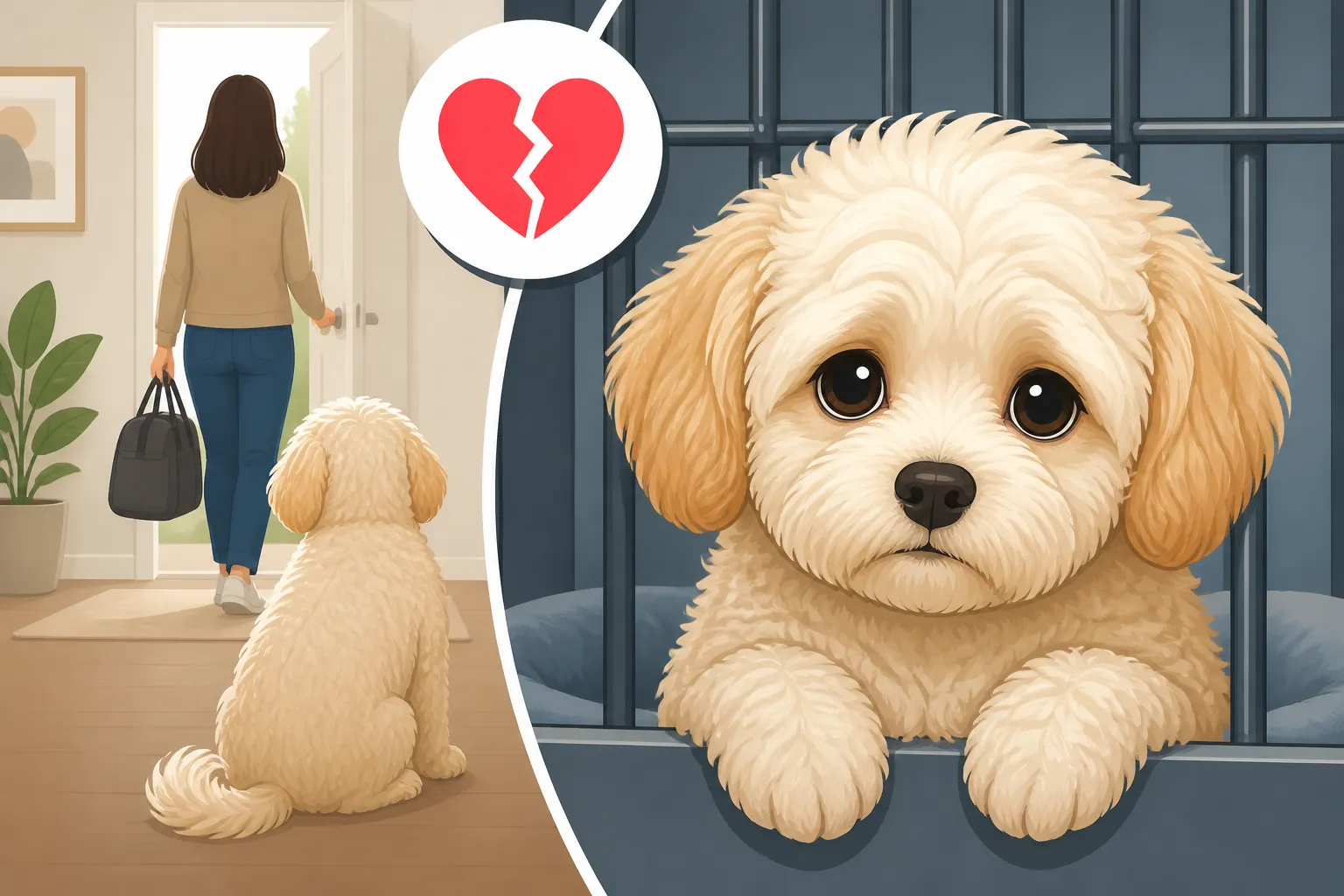
Why So Many Maltipoos End Up in Rescue
It's a heartbreaking reality that so many Maltipoos, these sweet, fluffy companions, end up in animal shelters or breed-specific rescues. People often fall in love with their adorable looks and gentle demeanor, but then find themselves completely unprepared for the unique challenges that come with owning such a delicate and demanding breed. This guide is here to shed light on the common reasons why these lovely dogs lose their homes, helping prospective owners understand the true commitment involved and hopefully reducing the number of Maltipoos who experience the trauma of rehoming.
Unrealistic Expectations Versus the Daily Reality
One of the biggest culprits behind Maltipoos landing in rescue is a fundamental mismatch between what new owners expect and what the daily reality of caring for these dogs truly is. People see pictures of perfectly groomed, calm Maltipoos on social media or in advertisements and imagine an effortless companion. The truth, however, is often far more complex and demanding than many anticipate.
The Allure of the "Designer" Dog vs. Daily Demands
The term "designer dog" has given some breeds, like the Maltipoo, an aura of being somehow "easier" or "better" than traditional purebreds. The perception is often that you get the best of both worlds – the Maltese's sweetness and the Poodle's intelligence and non-shedding coat – without any of the drawbacks. While Maltipoos can embody these wonderful traits, they also inherit the sensitivities and needs of their parent breeds. Many people are drawn to their small size, believing it means less work, but often, the opposite is true. A tiny Maltipoo, especially a true "teacup" size, can be incredibly fragile and requires constant vigilance, particularly as a puppy. The Weight at Which a Maltipoo Puppy Is at Risk is something every prospective owner needs to understand, as these small dogs are prone to issues like hypoglycemia.
Owners might also expect a perpetually calm, quiet lapdog, only to find their Maltipoo has inherited the Poodle's energy and desire for mental stimulation, or the Maltese's tendency for vocalizations if not properly managed. They're not just decorative accessories; they're intelligent, sensitive animals with real needs for exercise, training, and enrichment. When these expectations aren't met, frustration can quickly set in, and the dog becomes a burden rather than a joy.
Underestimating Grooming, Training, and Health Needs
Another common reason for surrender stems from a severe underestimation of the practical daily care a Maltipoo requires. Let's talk about that beautiful, fluffy coat. It doesn't stay that way by magic. Maltipoos inherit a non-shedding coat from both parents, which means regular, intensive grooming is absolutely non-negotiable. We're talking daily brushing to prevent mats and professional grooming every 6-8 weeks, sometimes more frequently. This can be a significant time commitment and a substantial recurring expense, easily reaching The Fifty to Eighty Dollar Maltipoo Groom per session. Many owners are shocked to discover that their dog's coat can become matted to the skin within weeks if neglected, leading to painful shaves and costly grooming bills – or worse, neglect that impacts the dog's comfort and health.
Then there's training. While intelligent, Maltipoos can inherit the Maltese's stubborn streak, making housetraining a particular challenge for some. Why Housetraining a Maltipoo Takes Longer Than You Expect is a common frustration, and repeated accidents can lead to owners feeling overwhelmed and giving up. They might also be unprepared for the meticulous daily dental care required; The Forty Two Teeth Crowding a Maltipoo's Jaw often leads to dental disease if not brushed daily, and the costs for dental cleanings and extractions are very high. Health needs are also often underestimated. These small breeds are prone to several conditions like luxating patellas, where What Patella Surgery Costs on a Six Pound Maltipoo can be a huge, unexpected financial hit. Without pet insurance from a provider like Healthy Paws, these costs can quickly spiral out of control for an unprepared family, leading them to consider rehoming.
Lack of Proper Research and Breeder Responsibility
The journey to getting a Maltipoo often starts with finding a puppy, and unfortunately, many potential owners don't do enough homework on where that puppy comes from. This oversight can directly contribute to Maltipoos ending up in rescue later on, as poorly bred dogs are more likely to have significant health or behavioral issues that owners simply aren't equipped to handle.
The Puppy Mill Connection and Subsequent Issues
It’s a sad truth that the demand for "designer dogs" has fueled the existence of puppy mills and irresponsible breeders. These operations prioritize profit over the health and welfare of their animals. Puppies from mills are often raised in unsanitary conditions, receive inadequate nutrition and socialization, and are separated from their mothers too early. They may be sold with hidden health conditions or significant behavioral problems, such as extreme shyness, fear, or aggression, that only manifest once they are in their new homes. Spotting a Mill Bred Maltipoo Listing is crucial for anyone looking for a puppy, as these dogs are significantly more likely to end up in rescue.
When an owner brings home a puppy that is already struggling with anxiety, has persistent health problems, or exhibits severe housetraining difficulties due to its early environment, the experience can quickly become overwhelming. These issues aren't the dog's fault, but they become the new owner's immense challenge. Without the financial resources, time, or expertise to address these deep-seated problems, many owners feel they have no choice but to surrender their Maltipoo to a rescue organization, hoping they can provide the specialized care needed.
The Impact of Poor Breeding Practices on Temperament and Health
Beyond the horrors of puppy mills, even seemingly "smaller scale" breeders can contribute to the problem if they aren't practicing responsible breeding. Good breeders health test their parent dogs for genetic conditions common in Maltese and Poodles, such as patellar luxation, progressive retinal atrophy, and liver shunts. They also focus on temperament, ensuring their breeding dogs are sound and well-socialized, passing on good genes and behaviors to their offspring.
Conversely, a breeder who doesn't perform health testing might unknowingly breed dogs with predispositions to expensive and debilitating conditions. What an Untested Maltipoo Costs You at Two can be a steep learning curve. Imagine bringing home a sweet Maltipoo puppy, only to find out a year or two later they require costly surgery for a genetic knee issue or ongoing medication for an inherited condition. These unexpected vet bills can be devastating for a family who hasn't budgeted for them, especially if they didn't secure pet insurance early on. Furthermore, breeders who don't properly socialize puppies, or breed from nervous or aggressive parents, can produce dogs with ingrained behavioral problems. A Maltipoo can be quite sensitive, and a nervous temperament can lead to issues like separation anxiety, excessive barking, or fear-based aggression, which are incredibly challenging for even experienced owners to manage. When the cute puppy grows into an adult dog with complex needs, rescues often become the last resort.
Life Changes and Unforeseen Circumstances
Sometimes, despite the best intentions and thorough preparation, life simply throws a curveball. Even the most devoted owners can find themselves in situations where keeping their beloved Maltipoo becomes genuinely impossible. These unforeseen circumstances are often heartbreaking for everyone involved, but they are a very real factor in why Maltipoos end up needing new homes.
Financial Strain and Unexpected Vet Bills
The cost of owning a pet, especially a small breed prone to specific health issues, can be a heavy burden. Many people budget for initial puppy costs and routine vaccinations, but they often don't account for the unexpected. We've already touched on specific health issues like luxating patellas, but even common ailments can lead to significant expenses. A severe allergic reaction, a sudden injury, or the need for emergency dental work can easily run into thousands of dollars. What an Emergency Sugar Crash Visit Costs a Maltipoo Owner is a frightening scenario that can quickly drain savings.
| Expense Type | Examples of Costs |
|---|---|
| Initial Purchase | Purchase price (varies widely), first vet visits, vaccinations, microchip. |
| Ongoing Care | Premium food (like Ollie or quality kibble from Chewy), regular grooming, toys, treats, annual vet check-ups. |
| Unexpected Health | Patella surgery, emergency vet visits, dental procedures, chronic illness management, specialized medications. |
| Training/Behavior | Puppy classes, professional trainer for specific issues, anti-anxiety aids. |
When faced with a difficult choice between providing life-saving medical care and meeting essential family needs, some owners find themselves in an impossible position. This is where pet insurance, like policies from Healthy Paws, can be a lifesaver, but many owners either don't know about it or choose not to invest in it early enough. Without a financial safety net, the weight of substantial vet bills can lead to the devastating decision to surrender a pet.
Major Life Events: Moving, Divorce, or New Family Members
Life is unpredictable, and even the most stable households can face sudden, dramatic shifts. A job relocation that requires moving to a place with strict pet policies, especially concerning size or breed, can force a separation. Divorce or separation often means one partner cannot afford or accommodate the dog alone, or disputes arise over who will take responsibility. It's a sad reality that during such emotionally charged times, pets can become casualties.
The arrival of a new baby can also inadvertently lead to a Maltipoo's rehoming. While many Maltipoos can be wonderful with children, if they haven't been properly socialized, or if the new parents are overwhelmed and can't dedicate time to both the baby and the dog, issues can arise. Sometimes, a Maltipoo may be Whether a Maltipoo Is Too Fragile for a Toddler, leading to safety concerns for both the dog and the child. Similarly, bringing another pet into the home – particularly a larger, more boisterous dog – can disrupt a small Maltipoo's sense of security, leading to behavioral problems like anxiety or aggression. When these new circumstances create an unmanageable environment, and owners feel they have exhausted all other options, rescue organizations often become the only path forward.
Understanding these multifaceted reasons isn't about blaming owners, but rather about acknowledging the complex realities of pet ownership and emphasizing the importance of thorough preparation and responsible choices. Every Maltipoo deserves a forever home, and by being aware of these pitfalls, we can collectively work to ensure more of them find one.
Disclaimer
This article is for general informational purposes only and does not constitute professional advice. Laws, prices and regulations vary by location and change over time. Consult a qualified professional for guidance on your specific situation.