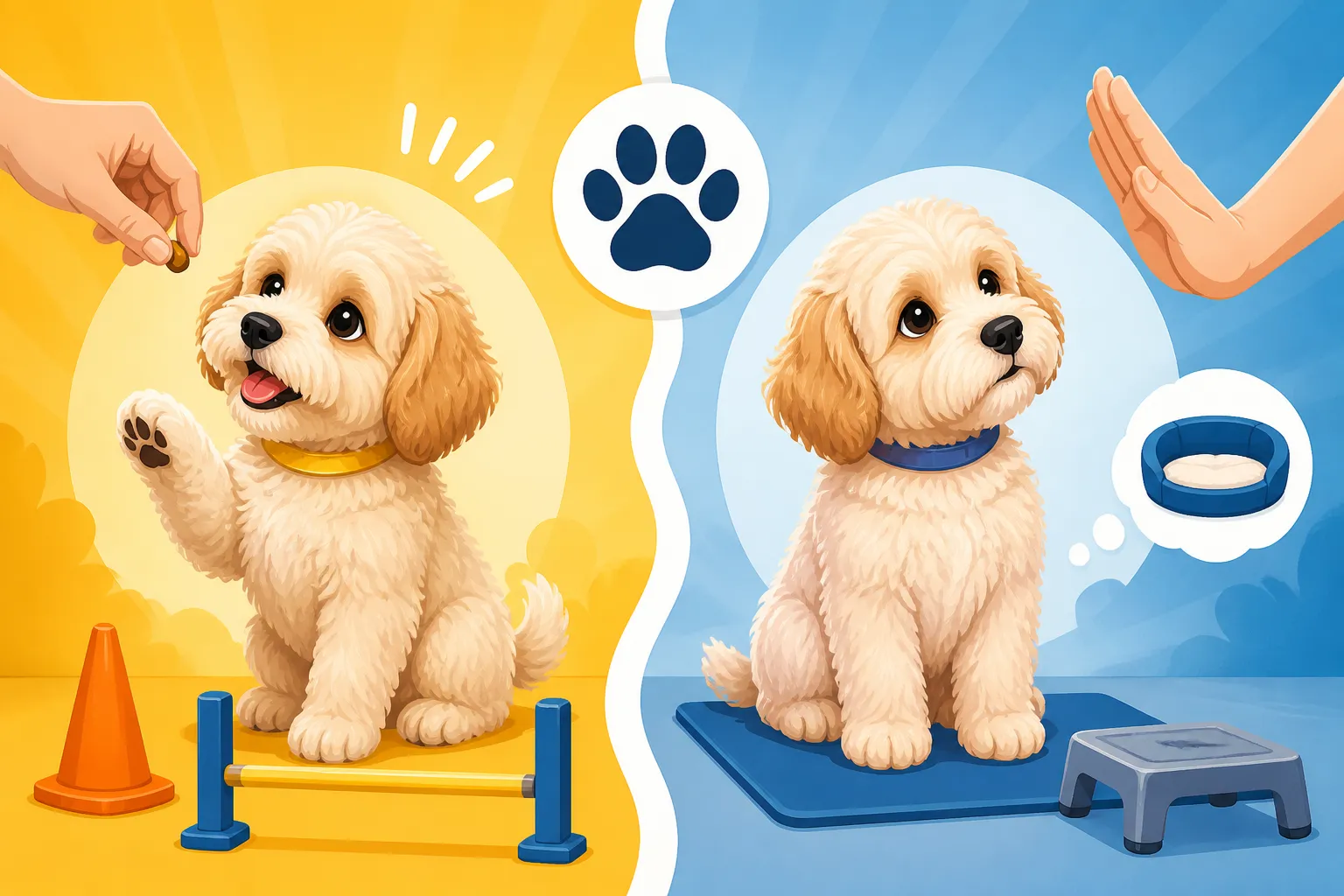
Whether Two Maltipoo Littermates Train Differently
Bringing home one Maltipoo puppy is a whirlwind of joy, challenges, and endless cute moments. Bringing home two littermates, however, can multiply both the delight and the difficulties exponentially, often leaving new owners wondering if they've made a mistake. It's common for people to expect their adorable sibling pups to be peas in a pod, learning at the same pace and having similar personalities, only to find themselves utterly bewildered when one is a training superstar and the other acts like they've never heard a command in their life. This comprehensive guide is here to shed light on why your Maltipoo littermates might train differently and offer practical, empathetic strategies to navigate their unique learning journeys.
The Myth of Identical Littermates: Why Expect Individuality
When you look at a litter of Maltipoo puppies tumbling together, it's easy to see them as a single, adorable unit. They share the same parents, the same birth environment, and for their first weeks, the same experiences. So, it's perfectly natural to assume they'll grow up with similar temperaments and learn at the same rate. But the truth is, just like human siblings, Maltipoo littermates are distinct individuals, each with their own unique blend of genetics, personality, and even subtle early life experiences that shape how they learn and interact with the world.
Genetic Lottery and Innate Temperament
Even within the same litter, each Maltipoo puppy is a unique genetic combination from their parents. Think of it like a deck of cards being shuffled and dealt; while the deck is the same, each hand is different. One puppy might inherit more of the Poodle's eager-to-please, intelligent drive, making them a quick study for obedience. Another might lean more towards the Maltese's sometimes stubborn but equally clever nature, which can translate into a need for more patience and creative motivation during training. This genetic predisposition impacts everything from their energy levels and confidence to their problem-solving abilities and resilience to stress. It's not about one being "smarter" than the other, but rather different types of intelligence and different intrinsic motivations. You might find one pup is a natural retriever, while the other prefers to observe from a distance, even when presented with the same exciting toy.
Beyond their breed heritage, individual temperaments emerge very early on. You might notice one puppy is bolder and more adventurous, always the first to explore a new toy or sound. This "go-getter" might also be more willing to try new things in training. Another littermate might be more reserved, cautious, or sensitive to corrections, requiring a gentler approach and more positive reinforcement. These innate temperamental differences are not learned; they are simply part of who each puppy is from birth. Understanding this is the first step in realizing that a one-size-fits-all training approach for littermates is rarely effective. It’s also important to remember that these early temperaments can shift and develop, but the foundational leanings are often there from the start.
Early Environmental Influences and "Littermate Syndrome"
While littermates share a common early environment, their individual experiences within that environment can still vary dramatically. One pup might have been slightly larger or more assertive, getting first dibs on the best nursing spot or toys. Another might have been more easily startled by loud noises or handled less frequently by visitors. These subtle differences, especially during critical developmental windows, can influence their confidence, social skills, and how they perceive the world around them.
The concept of "Littermate Syndrome" is often discussed when people adopt two puppies from the same litter. While not a formal diagnosis, it describes a collection of behavioral challenges that can arise when sibling puppies are raised together without sufficient individual socialization and training. These challenges often manifest as excessive dependence on each other, anxiety when separated, difficulty bonding with human family members, and, critically for this discussion, vastly different training outcomes. They can become so focused on each other that they effectively tune out their human trainers. One pup might rely on the other to figure things out, while the more dominant one might become overly protective or assertive, leading to training plateaus or even resistance. This isn't about their inherent intelligence but rather their environmental conditioning to rely primarily on their sibling for cues and comfort, rather than on you. Understanding The Coin Flip Inside Every Maltipoo Puppy can help you prepare for these individual variations.
Factors Influencing Training Differences Between Maltipoo Siblings
Beyond inherent temperament, several external factors can play a significant role in why your Maltipoo littermates might take different paths in their training journey. Recognizing these influences can help you tailor your approach to each individual pup.
Learning Styles and Motivation
Just like people, dogs have different learning styles. One Maltipoo might be a visual learner, quickly picking up on hand signals and body language. Another might be an auditory learner, responding best to verbal cues and tone of voice. Some are eager to please and will work hard for your praise and affection, while others are highly food-motivated and will only perform their best for a high-value treat. It's crucial to identify what truly motivates each of your Maltipoos.
For example, if one of your pups, let's call her Daisy, is a total foodie, you might find clicker training combined with tiny, irresistible pieces of chicken or cheese works wonders for her. Her brother, Leo, however, might be more interested in a quick game of tug or chasing a squeaky toy as his reward. If you try to train both with the same reward system, Leo might quickly lose interest while Daisy thrives. It's not that Leo can't learn, but that his motivation hasn't been tapped effectively. Observing which rewards genuinely excite each dog and trying different teaching methods – short, energetic sessions for one, calmer, repetitive ones for the other – will yield better results. This individualized approach is key to understanding Whether a Maltipoo Works for Food or Praise.
Attention Span and Focus
Maltipoos, being a mix of two intelligent breeds, can be quite clever, but their attention spans can vary wildly, especially when they're young or if they're particularly excitable. One littermate might have the laser focus of a Poodle, able to concentrate on a task for a solid five to ten minutes. The other might possess the easily distracted nature sometimes seen in the Maltese, needing much shorter, more frequent training bursts before their mind starts to wander.
Training two puppies simultaneously, especially if they are highly bonded, often means competing for their attention against each other. They might engage in play or seek each other out, making it incredibly difficult for either to focus on you. This is a common frustration for owners of multiple puppies. If one pup is constantly looking at their sibling, anticipating play, they aren't truly absorbing the lesson. This is where separate training sessions, even short ones, become indispensable. Five minutes alone with each pup can be far more productive than fifteen minutes trying to wrangle both at once. Understanding How Long a Maltipoo Works Before It Wanders Off will be crucial for pacing your sessions.
Social Dynamics and Hierarchy
Even in a seemingly equal litter, a subtle social hierarchy can quickly emerge between siblings. One Maltipoo might naturally take on a more dominant role, being more assertive during play or at mealtimes. The other might be more submissive, deferring to their sibling. While this isn't necessarily a bad thing, it can impact how they interact with each other and with you during training.
The more dominant pup might try to push the boundaries, testing rules more frequently, or even trying to interfere with their sibling's training. The more submissive pup might be hesitant to perform if their sibling is present, perhaps out of fear of correction or simply because they rely on the other for cues. This dynamic can be incredibly frustrating if you're trying to teach them "sit" and one is constantly nudging the other, or one freezes up when the other gets a treat first. This is another strong argument for individual training sessions, allowing each dog to shine without the pressure or distraction of their sibling's presence. It also gives you the opportunity to build a strong, individual bond with each Maltipoo, which is vital for effective training. You want both pups to look to you as their primary leader and source of guidance, not just to each other.
Common Training Hurdles When Raising Two Maltipoos From the Same Litter
Raising two Maltipoo littermates brings a unique set of challenges that can derail even the most well-intentioned training plans. It's not simply double the work; it's often more complex due to the intense bond and dynamics between the siblings.
"Littermate Syndrome" in Practice: Dependence and Overwhelm
The biggest hurdle often encountered when raising two littermates is what's commonly referred to as "Littermate Syndrome." This isn't just a fancy term; it's a very real scenario where the puppies become overly dependent on each other, struggling to develop as independent individuals. When this happens, training suffers dramatically. They might not look to you for guidance, instead constantly checking in with their sibling for cues or reassurance. This makes it incredibly difficult to get their individual attention, and lessons can feel like they're falling on deaf ears.
For instance, you might be trying to teach both of them to walk politely on a leash. Instead of focusing on your pace and commands, they might be pulling to stay close to each other, getting tangled, or ignoring your cues because they're preoccupied with their sibling. When one cries in their crate, the other cries too, creating a chorus of anxiety rather than independent resilience. This co-dependency can make house training an uphill battle as well, as they might go to the bathroom together or reinforce each other's "accidents" in the wrong spot. Why Housetraining a Maltipoo Takes Longer Than You Expect is already a factor with one pup, but with two, it's amplified if they're not trained individually. They need to learn that you are their safe space and primary guide, not just their sibling.
House Training Double Trouble
House training a single Maltipoo can be a trying experience due to their small bladders and sometimes stubborn nature. Now imagine two tiny bladders, two sets of cues you need to read, and potentially two different elimination habits. One pup might be a natural at going outside, while the other consistently tries to sneak off indoors. If they eliminate together, cleaning up is obviously more work, but more importantly, it reinforces the behavior for both.
The presence of a sibling can sometimes lead to competition or distraction, making it harder for either to focus on the task at hand when outside. They might be more interested in playing with each other than relieving themselves. Conversely, one might learn from the other's mistakes or successes, but often, the negative behaviors are easier to mimic. One common scenario is one pup marking over the other's "accident spot" inside, turning a single mistake into a repeated problem. This is where diligent supervision and taking each pup out separately for potty breaks, at least initially, becomes incredibly important. You need to know definitively who did what, when, and where, so you can praise and redirect effectively without confusing either pup.
Resource Guarding and Competition
While you might envision your Maltipoo littermates sharing everything harmoniously, the reality is that competition, especially around high-value resources, can be a significant issue. Food bowls, toys, beds, even your attention can become points of contention. One pup might be a slower eater, allowing the faster eater to finish their meal and then try to muscle in on theirs. This can lead to rapid eating, anxiety around food, or even growling and snapping.
Similarly, if you give a favorite toy to one, the other might immediately try to take it, leading to squabbles. This competitive dynamic makes training more complex because it can be hard to use rewards if one pup is constantly worried about the other snatching it. They might gobble treats without properly processing the command, or feel stressed during training if they perceive a threat to their "share." Teaching a Maltipoo Not to Guard Its Bowl becomes twice as important and twice as challenging when you have littermates. Establishing clear boundaries around resources and ensuring each pup has their own designated, safe space for eating, sleeping, and playing with toys is crucial to prevent conflict and foster individual learning. Investing in separate bowls (maybe even slow feeders) and distinct beds from day one is a smart move.
Strategies for Successful Individual Training with Littermates
Successfully training two Maltipoo littermates requires a deliberate, structured approach that prioritizes individual attention. You can't just hope they'll figure it out together; you need to actively guide each one.
Separate and Conquer: Individual Training Sessions
This is arguably the most crucial strategy when training littermates: dedicated, one-on-one time with each dog. Even if it's just for a few minutes, these individual sessions allow each Maltipoo to focus entirely on you, without the distraction or pressure of their sibling. It also allows you to tailor your training methods to their specific learning style and pace.
During these sessions, take one puppy into a separate room or area where the other cannot see or hear you. Focus on basic commands like "sit," "stay," "come," or "down." Use high-value treats and enthusiastic praise. You'll likely find that without their sibling present, both pups are more attentive, less anxious, and learn much faster. When one pup is being trained, the other can be in a crate with a special chew toy, or simply relaxing in another room, learning to be comfortable on their own. This separation isn't just for training; it helps them build confidence and independence, mitigating the effects of "Littermate Syndrome." Remember, Whether Short Sessions Suit a Maltipoo is often true for all puppies, but especially for those learning independently from a sibling.
Building Individual Bonds and Leadership
For your Maltipoos to thrive in training, they need to see you as their primary source of guidance, security, and fun. With littermates, it's easy for them to form a bond primarily with each other, sometimes leaving humans feeling like outsiders. Building strong, individual bonds with each pup is paramount. This goes beyond training sessions.
Spend quality one-on-one time with each Maltipoo every day. This could be a special cuddle session, a short walk alone, a game of fetch in the yard, or even just some quiet time together reading or watching TV. Hand-feeding meals, at least occasionally, can also strengthen the bond and help prevent resource guarding. Teaching a Maltipoo to Be Handled Every Two Weeks is also an excellent opportunity for one-on-one bonding and desensitization. The more positive, individual interactions each pup has with you, the more they will look to you for direction and validation during training. You are shaping their world, and they need to know you are reliable and fun, not just the person who holds the leash for both of them.
Managing Logistics: Crates, Leashes, and Feeding
Effective management of your home environment is critical for training two littermates. This means doubling up on essential equipment and using it strategically. Each Maltipoo needs their own crate. These crates should be placed in separate areas, at least initially, to encourage individual independence and reduce separation anxiety when one is out and the other isn't. Crates are invaluable for house training, providing a safe den, and managing situations when you can't supervise both pups directly. Many fantastic crate options are available on Amazon that cater to small breeds like Maltipoos.
When walking, always use separate leashes and handlers. Trying to walk two Maltipoos on one leash, or even two leashes with one person, can lead to entanglement, frustration, and a lack of individual focus. Ideally, two people should walk them separately, at least for the first few months, so each pup can learn loose-leash walking without the distraction of their sibling. Similarly, feed them in separate bowls, ideally in separate locations or at least far enough apart that they don't feel competitive. Consider elevated bowls for their comfort. This prevents guarding and allows each pup to eat at their own pace.
| Training Aspect | Single Maltipoo Approach | Littermate Approach (Recommended) |
|---|---|---|
| Training Sessions | Group classes, home sessions with owner | Individual sessions, one-on-one with handler |
| Potty Training | Frequent trips outside, consistent schedule | Separate trips outside, clear boundaries |
| Crate Training | Crate in main living area | Separate crates, in different rooms initially |
| Feeding | Single bowl, fed together or separately | Separate bowls, fed in separate locations |
| Leash Training | Single leash, one-on-one walks | Separate leashes, separate handlers initially |
| Socialization | Exposure to various people, places, dogs | Exposure to people/places individually AND together |
| Bonding | Natural bond with owner | Deliberate individual bonding time with owner |
Leveraging Sibling Dynamics for Positive Outcomes
While littermate syndrome and training differences can present challenges, the unique bond between siblings can also be a powerful tool for positive reinforcement and learning, if managed correctly.
Structured Play and Socialization
The incredible thing about having two Maltipoo littermates is that they always have a playmate! This built-in play dynamic is fantastic for developing social skills, burning off energy, and learning appropriate bite inhibition through rough-and-tumble play. Rather than seeing their play as a distraction, you can structure it to your advantage.
Schedule regular, supervised play sessions. Observe their interactions: is one consistently too rough? Does one retreat too often? Intervene when necessary to ensure fair play, teaching them to respect each other's boundaries. Use play as a reward after successful training sessions. For example, after a good 5-minute individual training session, bring both pups together for a supervised play break. This teaches them that cooperation and focus lead to fun. It’s also important to socialize them with other vaccinated, friendly dogs outside of their sibling bond. They need to learn how to interact with dogs of different sizes and temperaments, not just each other. This broader socialization, combined with their sibling play, helps them develop into well-rounded, confident adults. You want them to enjoy play with each other, but not only with each other.
Using the "Model" Puppy
Sometimes, one Maltipoo littermate might be a slightly faster learner or more confident in new situations. When this happens, you can strategically use them as a "model" for their sibling, but with caution and always in individual sessions or very controlled group settings. For example, if Daisy quickly grasps "sit" with a hand signal, you might let Leo observe her getting praised and rewarded. Then, when it's Leo's turn, he might have a clearer idea of what's expected.
However, this strategy must be handled delicately to avoid creating a sense of competition or inadequacy. Never compare them directly or show favoritism. The "model" approach works best when the observing pup is simply watching, not actively participating, and then receives their own dedicated, positive, and separate training session immediately afterward. The goal is exposure, not pressure. When they are together, praise and reward both equally for any effort, even if one's performance isn't as polished. The underlying message should always be: "You both are amazing, and you both get rewards for trying!" This approach helps counter any potential issues with Whether Two Maltipoos Are Easier Than One.
Group Training for Advanced Skills (Once Individual Foundation is Strong)
Once both Maltipoos have a solid foundation in basic obedience commands individually, and you've established strong, independent bonds with each, you can slowly start introducing very controlled group training sessions. This isn't about teaching new commands, but about practicing known commands with distractions – in this case, their favorite distraction, each other.
Start with simple commands like "sit" or "stay" with a small distance between them. Have both pups on leash, with two separate handlers if possible, or one handler with them on opposite sides of a baby gate. Reward them simultaneously and generously when they perform the command correctly, even if one is slightly slower. The goal is to teach them that they can still focus on you and follow commands even when their sibling is nearby. Over time, you can gradually increase the challenge, but always be ready to step back to individual sessions if focus breaks down. This gradual approach is key to ensuring that their sibling bond enhances, rather than hinders, their learning. Resources like BAXTER & Bella online training programs often provide structured lessons that can be adapted for individual and then gradually integrated group practice, guiding you through these steps systematically.
When to Seek Professional Help for Training Littermates
It's important to be realistic about the complexities of raising and training two Maltipoo littermates. Even with the best intentions and strategies, situations can arise where professional guidance becomes invaluable. Recognizing when to call in an expert isn't a sign of failure; it's a responsible choice that benefits everyone.
Persistent Behavioral Issues
You might find yourself consistently struggling with certain behaviors despite your best efforts. Perhaps one Maltipoo is exhibiting severe resource guarding, growling or snapping over food or toys, even after you've implemented separate feeding and play areas. Maybe one or both are suffering from extreme separation anxiety when separated from each other, leading to destructive behavior, excessive barking, or elimination accidents. Persistent house training issues that don't improve with individual attention or specific fear/aggression towards other dogs or people are also red flags.
These types of persistent behavioral issues, especially when they involve complex sibling dynamics, often require the experienced eye of a professional dog trainer or a veterinary behaviorist. They can observe the interactions you might miss, identify the root cause of the behavior, and develop a customized training plan that addresses the specific needs of both your Maltipoos and your household. They can also teach you advanced techniques and management strategies to help you navigate these challenges effectively. Never hesitate to seek help if you feel overwhelmed or if the behaviors are escalating, as early intervention is often key to successful resolution.
Lack of Progress or Feeling Overwhelmed
It's incredibly frustrating when you're putting in consistent effort, following all the advice, but your Maltipoo littermates just aren't making the progress you hoped for. You might feel like you're constantly repeating commands, or that one pup is completely tuning you out. This can lead to feelings of overwhelm, stress, and even resentment, which isn't fair to you or your dogs.
If you find yourself in a constant state of frustration, or if your training efforts feel stagnant, a professional trainer can provide fresh perspective and new tools. They can assess your current methods, pinpoint where things might be going wrong, and offer alternative techniques that resonate better with your specific Maltipoos. Sometimes, just having an unbiased expert observe your interactions can reveal subtle cues or habits you weren't aware of. A good trainer will not only work with your dogs but also empower you with the knowledge and confidence to continue their training journey effectively. Many local trainers offer puppy classes or private consultations, and online resources like BAXTER & Bella provide comprehensive, step-by-step guidance which can be invaluable for owners juggling two pups, particularly in understanding what a Maltipoo owner can do without a trainer and when to get help.
Preventing Future Problems
Sometimes, you might not be experiencing severe issues, but you want to proactively prevent problems from developing, especially knowing the potential pitfalls of raising littermates. This is an excellent reason to consult a professional. A trainer can help you establish a solid foundation from the very beginning, focusing on critical early socialization, independence training, and consistent management strategies that set both your Maltipoos up for success.
They can guide you on how to effectively separate your pups, how to ensure they bond with you individually, and how to introduce new experiences without overwhelming either one. They can also help you understand how the Poodle's intelligence and the Maltese's potential stubbornness might manifest in your particular pups and how to best motivate each of them. Investing in professional guidance early on can save you a lot of heartache and expense down the line, ensuring that both your Maltipoos grow into well-adjusted, happy companions who thrive both independently and together.
Disclaimer
This article is for general informational purposes only and does not constitute professional advice. Laws, prices and regulations vary by location and change over time. Consult a qualified professional for guidance on your specific situation.