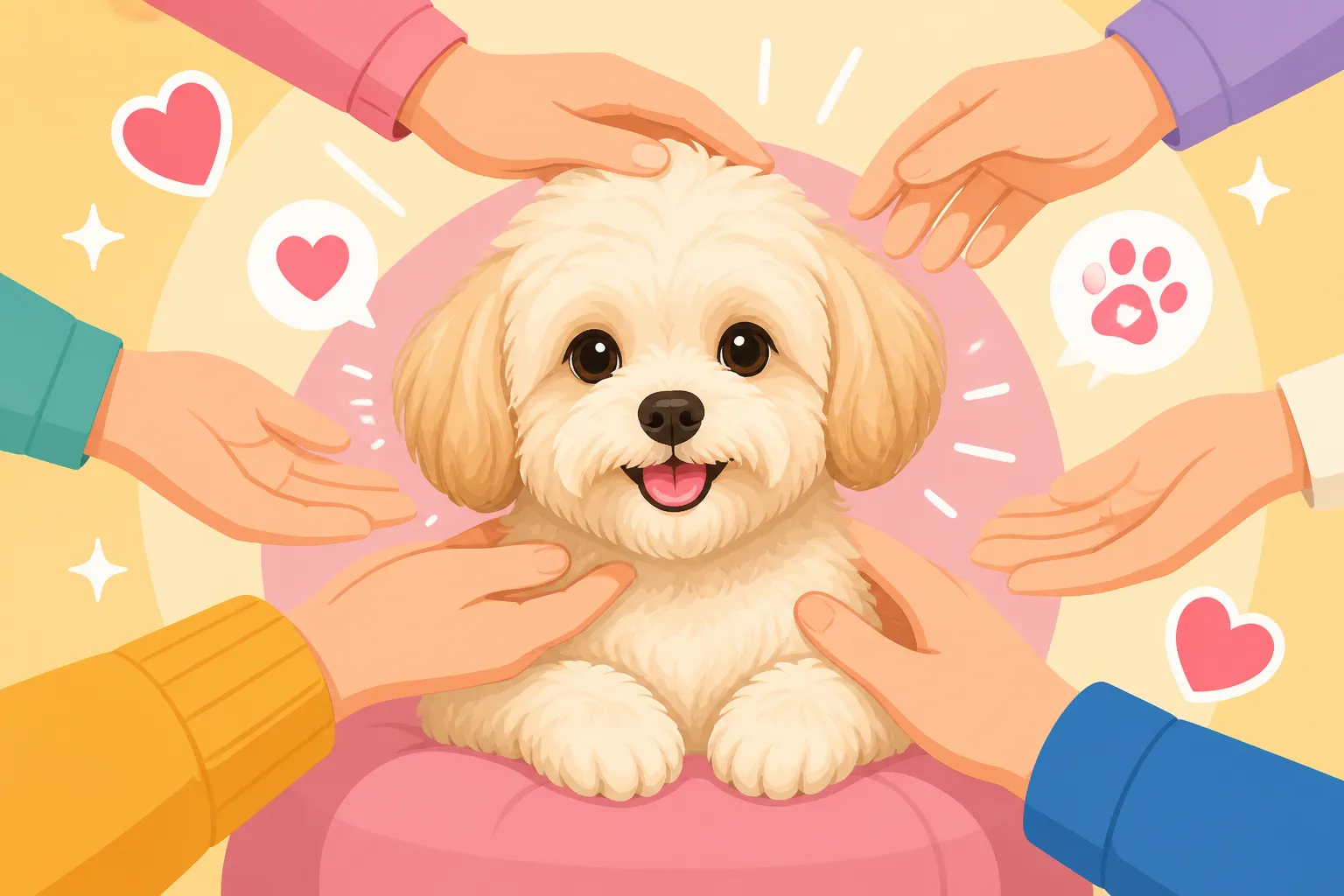
Why a Maltipoo Gets Handled More Than Most Dogs
If you’ve ever owned a Maltipoo, you know they tend to be in your arms, on your lap, or otherwise physically connected to you far more often than many other breeds. This isn't just because they're adorable lapdogs; there are very real, practical reasons why these tiny bundles of fluff require – and benefit from – frequent physical handling. This guide will explore the various aspects of Maltipoo life that make them one of the most hands-on companions you could ever have, covering everything from their delicate physical needs to their extensive grooming requirements and how touch shapes their emotional well-being.
The Delicate Nature of a Small Maltipoo
Maltipoos are undeniably charming, but their small size is more than just a cute aesthetic; it's a fundamental aspect that dictates a huge amount of their care. These little dogs, especially the ones on the smaller end of the spectrum, are simply more fragile and susceptible to injury than their larger canine counterparts. This inherent delicacy means that as their owner, you instinctively, and often necessarily, handle them more often.
Their bones are fine, their bodies are petite, and even a short fall can have serious consequences. Think about a tiny puppy weighing just a few pounds – that little body is still developing, and even a misstep off a low sofa can be dangerous. It's not about being overprotective; it's about providing a safe environment for a creature that isn't built to withstand the same bumps and tumbles a bigger dog might shrug off. Owners quickly learn to scoop them up to navigate stairs, prevent jumping from furniture, and generally keep them safe from the many hazards of a human-sized world.
Their Petite Stature and Fragility
The reality of living with a Maltipoo, particularly a "teacup" sized one, means you're almost constantly aware of their smallness. Their delicate bone structure and compact size make them particularly vulnerable to injuries that might seem minor for a larger dog. A playful jump off a bed, a quick sprint down a flight of stairs, or even being accidentally stepped on can result in sprains, fractures, or worse. This isn't to instill fear, but rather to highlight the practical need for constant supervision and, yes, handling.
Imagine a busy household with kids or other pets; a tiny Maltipoo could easily get caught underfoot. Because of this, you often find yourself lifting them over thresholds, carrying them through crowded areas, or placing them gently onto and off furniture. This isn't just a matter of convenience; it's a critical safety measure. You are, quite literally, their protector, and that protection often comes in the form of careful handling to prevent accidents. Owners with very small Maltipoos quickly learn Whether a Maltipoo Can Be Injured by a Fall and how best to mitigate these risks.
Temperature Regulation and Comfort Needs
Another aspect of their petite stature is their struggle with temperature regulation. Small dogs, like Maltipoos, have a higher surface area to volume ratio compared to larger dogs, meaning they lose heat more quickly. This is why you often see them shivering, even indoors, when you might feel perfectly comfortable. They simply don't have the body mass to retain heat efficiently.
This leads to increased handling for comfort. You might pick them up to warm them against your body, tuck them into a blanket, or carry them outside in cooler weather to minimize their exposure. During colder months, you might even find yourself reaching for little sweaters or coats to keep them cozy. This constant need to monitor and adjust their comfort levels through physical contact is a significant part of Maltipoo ownership. Consider how often you find yourself wondering Whether a Maltipoo Gets Cold Easily and then instinctively picking them up.
Avoiding Accidental Injury
Beyond their inherent fragility, the sheer difference in scale between a Maltipoo and their human companions means they're often handled to navigate our world safely. A typical human home is filled with potential hazards for a dog just a few pounds in weight. Doorways, bustling kitchens, crowded living rooms, and even slippery floors can be perilous for these little ones.
You'll often find yourself lifting your Maltipoo out of the way when someone's cooking, carrying them past a boisterous larger dog, or simply ensuring they don't dart underfoot while you're moving around. This protective instinct translates into a lot of hands-on interaction, ensuring they don't get accidentally bumped, trodden on, or entangled in something they shouldn't be. It's about proactive safety, making sure their little paws stay out of harm's way.
Grooming: A Constant, Hands-On Requirement
One of the most defining characteristics of a Maltipoo is their stunning, soft coat. Inheriting the non-shedding qualities of both the Maltese and the Poodle, their fur is a dream for allergy sufferers, but it comes with a trade-off: it requires relentless, hands-on grooming. This isn't a "once-in-a-while" task; it's a daily commitment that involves a significant amount of physical interaction with your dog.
From the moment they wake up until they settle down for the night, a Maltipoo's coat is prone to matting and tangling. Without consistent attention, those beautiful locks can quickly turn into painful knots that tug at their skin. This means that you, as their owner, become their primary groomer, spending considerable time running brushes and combs through their fur, cleaning their faces, and checking their ears. It's a bonding activity, yes, but it's also a non-negotiable part of keeping them healthy and comfortable, and it involves a lot of direct handling.
The Non-Shedding, Mat-Prone Coat
The Maltipoo's coat is often celebrated for its hypoallergenic qualities, a wonderful benefit for many families. However, this non-shedding trait means that any loose hairs don't fall out; instead, they get caught within the existing coat. This quickly leads to mats and tangles if not diligently maintained. These mats aren't just cosmetic; they can pull at the skin, cause discomfort and pain, and even lead to skin infections if moisture gets trapped underneath.
Therefore, regular, thorough brushing is not just a suggestion, but a necessity. This necessitates a close, hands-on relationship with your Maltipoo, as you carefully work through their fur, checking for tangles in common trouble spots like behind the ears, under the legs, and around the tail. It’s a job that requires patience and a gentle touch, reinforcing the need for constant handling.
Daily Brushing and Detangling Routines
To keep a Maltipoo's coat in pristine condition and prevent painful matting, daily brushing is essential. This isn't a quick once-over; it's a methodical process that often involves using a slicker brush to remove loose hair and minor tangles, followed by a comb to ensure you've reached down to the skin. Missing just a few days can result in mats that are difficult to remove and may even require professional intervention.
This routine is a prime example of why Maltipoos get handled more than most dogs. You'll spend significant time with your hands on their body, turning them, lifting their legs, and carefully working through their fur. It’s a ritual that needs to be positive and consistent, often involving treats and praise, but it’s always about physical contact. Investing in good quality grooming tools on platforms like Amazon can make this daily task much easier and more effective for both of you.
Face, Ear, and Paw Maintenance
Beyond the general body coat, specific areas of a Maltipoo require even more focused, hands-on attention. Their adorable faces, with their long facial hair, are prone to tear staining, food accumulation, and even eye irritation if the hair isn't regularly trimmed or tied back. This means frequent gentle wiping and trimming, often multiple times a week. You’ll become adept at performing The Two Week Face Trim a Maltipoo Needs at home to keep them clean and comfortable between professional grooming appointments.
Similarly, their floppy ears, which are also often covered in hair, can trap moisture and debris, making them susceptible to infections. Regular cleaning and hair plucking (if recommended by your vet or groomer) are crucial. Then there are their paws – the hair between their pads can grow long, collecting dirt and debris, leading to discomfort or slipping. Trimming this hair and checking their paw pads for any issues demands direct handling. And let's not forget dental care! Regular handling is essential to establish a routine of Brushing a Maltipoo's Teeth Every Single Day to combat the prevalent dental issues in small breeds.
Health Concerns That Demand Frequent Handling
While Maltipoos are generally healthy, their mixed breed status doesn't make them immune to certain genetic predispositions, particularly those common in their parent breeds, the Maltese and the Poodle. Being a vigilant owner means being proactive about their health, and this often translates into frequent physical checks and, yes, a lot of handling. From a young age, you'll find yourself routinely examining them, not just for obvious injuries, but for subtle signs of emerging health issues.
These small, intelligent dogs benefit immensely from an owner who is attuned to their physical state. This means regular pat-downs to check for lumps, feeling their joints, looking into their eyes, and inspecting their teeth. This hands-on approach is vital for early detection of problems, allowing for timely veterinary intervention and potentially better outcomes. It also creates a bond where your Maltipoo trusts you with these sometimes intrusive, but always necessary, examinations.
Preventative Checks for Common Ailments
Maltipoos, like many small breeds, can be prone to certain health conditions that require regular physical checks. For instance, patellar luxation, or "slipping kneecaps," is a concern, especially as they age or if they are particularly active. You might find yourself gently feeling your Maltipoo's hind legs for any signs of discomfort or instability, or noticing a skip in their step. Understanding Slipping Kneecaps in a Maltipoo is a crucial part of preventative care that involves handling.
Similarly, dental disease is rampant in small dogs due to their tiny mouths crowding many teeth. Regular inspections of their gums and teeth are crucial to spot early signs of tartar buildup, gingivitis, or retained baby teeth. This isn't a task you can do from a distance; it requires opening their mouth, lifting their lips, and carefully examining their forty-two teeth. These regular, hands-on checks are vital for their long-term health and comfort.
Administering Medications and Supplements
Should your Maltipoo develop a health condition, or if you choose to give them supplements for joint health or coat quality, administering these often involves direct handling. Whether it's pilling a tiny tablet, applying a topical cream, or giving liquid medication with a syringe, these tasks require a steady hand and a calm demeanor, both of which are fostered through consistent, positive handling.
For puppies, especially the smaller ones, managing conditions like hypoglycemia (low blood sugar) is a real concern. Knowing Hypoglycemia and the Teacup Maltipoo Puppy and having to administer a sugar supplement like Nutri-Cal requires immediate and confident handling. This kind of interaction, though sometimes stressful, builds resilience in your dog and trust in you, knowing that your hands are there to help them feel better.
Monitoring for Subtle Changes
Maltipoos are adept at hiding discomfort or illness, a trait common in many prey animals. This makes a hands-on approach to monitoring their health even more critical. By regularly handling your dog, you become intimately familiar with their body – the feel of their skin, the warmth of their paws, the subtle textures of their coat, and the normal movement of their joints.
This familiarity allows you to quickly detect subtle changes that might otherwise go unnoticed until a condition has progressed. A new lump, an unusual stiffness in a joint, sensitivity to touch in a particular area, or even changes in coat texture could all be early indicators of a health issue. Your hands are your first diagnostic tool, making frequent, gentle handling an indispensable part of keeping your Maltipoo in optimal health.
Training and Socialization Through Touch
Beyond the practical necessities of grooming and health, physical handling plays a profound role in a Maltipoo's training, socialization, and emotional development. From the moment they arrive in your home as a tiny puppy, positive handling helps them learn about the world, trust humans, and develop into well-adjusted companions. It’s not just about managing their behavior; it’s about shaping their entire understanding of safety and interaction.
A Maltipoo that is regularly and gently handled from a young age is far more likely to tolerate veterinary examinations, grooming sessions, and interactions with strangers. Without this foundation of positive touch, they can become fearful, anxious, or even reactive when faced with necessary physical contact. Therefore, intentional handling is a critical component of their overall well-being, transforming potentially stressful situations into manageable routines.
Desensitization for Handling
One of the most important aspects of a Maltipoo's early training is desensitization to handling. Because they will need frequent grooming, vet visits, and general physical checks throughout their lives, it's crucial that they learn to accept being touched all over their body. This includes their ears, paws, mouth, tail, and belly – areas that many dogs naturally guard.
Through consistent, gentle handling, paired with positive reinforcement (like treats and praise), puppies learn that being touched is a good thing. You might practice lifting their paws, gently opening their mouth, or rubbing their belly, making it a pleasant experience rather than a frightening one. This is exactly what is taught when you begin Teaching a Maltipoo to Be Handled Every Two Weeks, helping them to build confidence and acceptance for all the necessary physical interactions in their future. Many online puppy training programs, such as BAXTER & Bella, emphasize desensitization techniques for puppies, offering structured guidance for owners.
Building Trust and Bonds
Physical contact is a primary way that dogs and humans form strong, trusting bonds. For a Maltipoo, who often thrive on close companionship, this connection is even more pronounced. Petting, cuddling, and gentle massages aren't just enjoyable for them; they are essential for reinforcing their sense of security and belonging within their human family.
When you consistently handle your Maltipoo with kindness and respect, you're teaching them that your hands are a source of comfort and safety. This trust extends beyond pleasant interactions, enabling them to be more cooperative during less enjoyable experiences, such as nail trims or administering medication. It creates a deep emotional connection that helps your Maltipoo feel loved and secure in their environment.
Early Exposure to Different Touches
Maltipoos, especially as puppies, need to be exposed to a variety of safe, gentle touches from different people. This helps them generalize their positive associations with handling beyond just their primary caregiver. A puppy who has only ever been handled by one person might be fearful or anxious when a vet, groomer, or even a friendly visitor tries to touch them.
Controlled exposure to different types of touch – from gentle strokes to more purposeful handling (like holding their paw firmly for a moment) – helps them develop resilience and confidence. It teaches them that not all hands are the same, but most are safe. This early socialization to various forms of touch is fundamental in preventing fear-based aggression or anxiety later in life, making them much happier and easier to care for dogs.
Living in a Human World: Carried for Safety and Comfort
Perhaps the most obvious reason Maltipoos are handled frequently is simply due to navigating life in a human-centric world. Their small size, while endearing, puts them at a distinct disadvantage in many everyday situations. From bustling city streets to crowded dog parks, and even within the confines of a home with larger inhabitants, carrying a Maltipoo often becomes the default mode of transport.
This isn't about coddling; it's a practical decision rooted in safety, comfort, and common sense. It protects them from physical harm, helps them feel secure in overwhelming environments, and allows them to participate in activities that would otherwise be inaccessible or dangerous for such a tiny dog. For a Maltipoo, being scooped up and carried is often the safest and most enjoyable way to experience the world beyond their immediate floor space.
Navigating Crowds and Busy Environments
Imagine walking a tiny Maltipoo through a crowded street fair, a busy shopping area, or even a bustling farmer's market. Not only are they easily overlooked by human feet, but the sheer volume of noise, sights, and smells can be overwhelming for a dog so close to the ground. In these situations, carrying your Maltipoo is not just an option, but often a necessity.
Being held aloft provides them with a sense of security, lifts them above potential hazards, and allows them to take in the world from a safer vantage point. It prevents accidental collisions, protects their delicate paws from hot or cold pavement, and reduces stress levels. Many Maltipoo owners invest in comfortable slings or carriers (readily available on Amazon) specifically for these occasions, turning handling into a secure and enjoyable experience for their small companion.
Protecting Them from Larger Animals
One of the most significant reasons for carrying a Maltipoo is to protect them from larger dogs or other animals. Even a friendly, playful swipe from a big dog can unintentionally injure a small Maltipoo, who simply can't withstand the same physical impact. In environments where larger dogs are present, such as dog parks or walking trails, scooping up your Maltipoo is often the safest course of action.
This protective handling prevents potentially dangerous encounters and gives you peace of mind. It allows your Maltipoo to enjoy outings without the constant threat of an accidental rough play or a curious sniff turning into something more serious. If you're wondering Whether a Maltipoo Is Safe Around a Bigger Dog, the answer is often "not without active supervision and frequent lifting."
Providing Reassurance and Security
Beyond physical safety, being held by their human provides Maltipoos with immense emotional comfort and security. In new or potentially frightening situations – a trip to the vet, a loud thunderstorm, or meeting new people – being cradled in their owner's arms can be incredibly reassuring. Their tiny bodies seek the warmth and steady heartbeat of their human, finding solace in that close contact.
This emotional connection is part of what makes Maltipoos such cherished companions. They are often profoundly attached to their owners, thriving on physical closeness. So, while handling is often a practical necessity, it’s also a deeply embedded aspect of their psychological well-being, reinforcing their bond and ensuring they feel safe and loved in an often overwhelming world.
Disclaimer
This article is for general informational purposes only and does not constitute professional advice. Laws, prices and regulations vary by location and change over time. Consult a qualified professional for guidance on your specific situation.