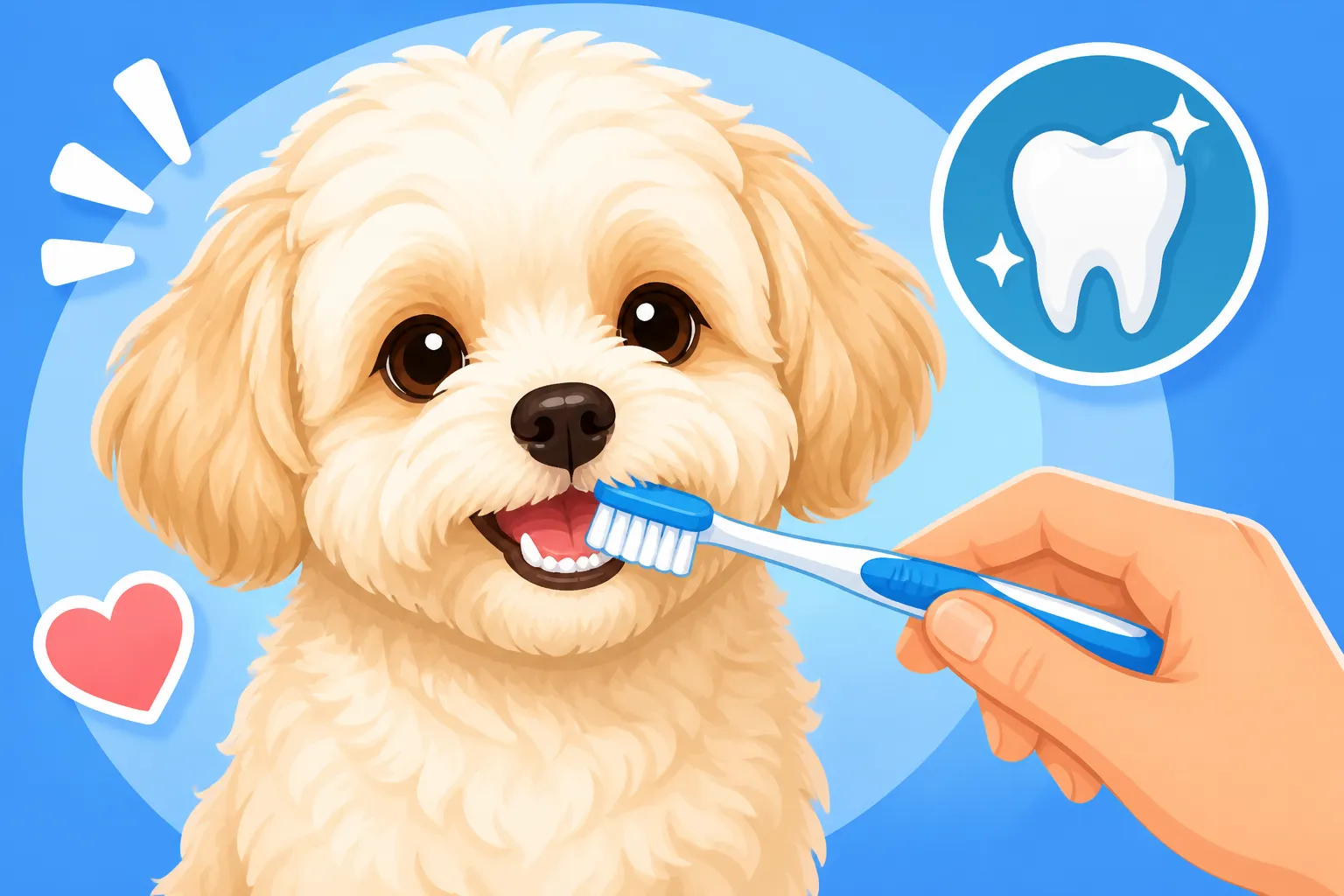
Teaching a Maltipoo to Have Its Teeth Brushed
It’s a scenario many Maltipoo parents know all too well: you pick up that tiny toothbrush, perhaps a tube of enzymatic chicken-flavored paste, and your sweet, cuddly companion suddenly transforms into a squirming, lip-smacking ninja, determined to escape the dreaded dental routine. You’re not alone in this struggle; teaching a Maltipoo to tolerate, let alone enjoy, having their teeth brushed can feel like an impossible task, but it's one of the most vital things you can do for their long-term health. This comprehensive guide will walk you through everything you need to know, from understanding why it's so important to practical, step-by-step techniques for making dental care a positive experience for both you and your furry friend.
Understanding Why Dental Care Is So Critical for Your Maltipoo
Before we dive into the how-to, it’s crucial to understand why daily dental care isn't just a nice-to-have, but a non-negotiable part of your Maltipoo’s health regimen. Many small breed owners are surprised to learn that dental disease is one of the most common ailments affecting dogs, and Maltipoos are particularly susceptible.
The Forty Two Teeth Crowding a Maltipoo's Jaw
Take a moment to peek inside your Maltipoo’s mouth – if they’ll let you! What you'll notice immediately is how small their jaw structure is. Despite their diminutive size, Maltipoos are typically born with 28 puppy teeth and then develop 42 adult teeth, just like much larger breeds. Imagine trying to fit 42 full-sized suitcases into a tiny carry-on bag – that's essentially what's happening in your Maltipoo's mouth. This often leads to severe overcrowding. When teeth are packed in too tightly, they don't have enough space to grow properly, leading to rotation, misalignment, and teeth rubbing against each other. More importantly, these crowded conditions create perfect little crevices and pockets where food particles, bacteria, and plaque can easily accumulate and become trapped, making it incredibly difficult for your dog's natural chewing action or even diligent brushing to reach and clean effectively.
This constant accumulation is the starting point for a cascade of dental problems. Think of it like this: if you have a tiny corner in your kitchen that's hard to reach with a sponge, grime is going to build up there first. For your Maltipoo, those hard-to-reach, crowded teeth are prime targets for plaque to harden into tartar. This isn't just an aesthetic issue; it's a structural problem that compromises the very foundation of their oral health.
The Hidden Dangers of Untreated Dental Disease
The journey of dental disease in dogs typically begins subtly. First, soft plaque, a film of bacteria, forms on the tooth surface. If not brushed away within 24-48 hours, this plaque hardens into tartar (calculus), a crusty, yellowish-brown mineral deposit that adheres firmly to the teeth. Once tartar forms, you can't just brush it away at home; it requires professional scaling and cleaning by a veterinarian. This buildup then irritates the gums, leading to gingivitis – a reversible inflammation characterized by redness, swelling, and sometimes bleeding. You might notice this as slightly pinker gums than normal, or a faint, unpleasant smell.
However, if gingivitis is left untreated, it progresses to periodontal disease, a much more serious and irreversible condition. Periodontal disease attacks the supporting structures of the teeth – the gums, ligaments, and bone. Pockets form below the gumline, becoming breeding grounds for infection. As the disease advances, teeth become loose, painful, and may eventually fall out. But here's the truly concerning part for Maltipoo owners: the bacteria from these oral infections don't just stay in the mouth. They can enter the bloodstream and travel to vital organs, including the heart, kidneys, and liver, causing serious secondary health problems. For instance, chronic dental infections have been linked to heart valve disease and kidney failure in dogs.
This means that a Maltipoo suffering from advanced dental disease isn't just dealing with a painful mouth; they could be facing systemic inflammation and organ damage that significantly shortens their life or drastically impacts their quality of life. This is why when we discuss Whether Dental Disease Shortens a Maltipoo's Life, the answer is a resounding yes. Regular brushing is your primary defense against this silent, progressive threat, offering a quality of life you both deserve.
The Tools of the Trade: What You'll Need to Get Started
You wouldn't try to build a house with just a hammer, and you shouldn't approach your Maltipoo's dental care without the right tools either. Having the correct equipment makes the process much more effective and, frankly, less frustrating for everyone involved.
Choosing the Right Toothbrush for a Tiny Mouth
The sheer variety of dog toothbrushes out there can be overwhelming, but for a Maltipoo, size and softness are your absolute priorities. Forget those giant brushes designed for Golden Retrievers; your Maltipoo needs something delicate and appropriately scaled.
- Finger Brushes: These are often recommended for starting out, especially with puppies. They fit over your finger, allowing you to gently massage the gums and teeth. The direct contact can feel less intimidating for your Maltipoo, and you have excellent control. However, some find them less effective at scrubbing, and the texture can sometimes be uncomfortable for dogs with sensitive gums. Look for ones with soft silicone bristles.
- Small-Headed Toothbrushes: These look like miniature versions of human toothbrushes, often with an angled head. They are fantastic for reaching those back molars and along the gumline. Ensure the bristles are extra-soft to prevent gum irritation. Brands often market these specifically for "toy" or "small" breeds. This type of brush often provides the best balance of reach and effective cleaning.
- Electric/Ultrasonic Toothbrushes for Dogs: While a larger investment, some specialized electric toothbrushes designed for small dogs can be incredibly effective. The vibrations can break down plaque more efficiently. However, they can also be intimidating due to the noise and sensation, so careful introduction is key.
When considering The Brush and Paste That Fit a Maltipoo's Mouth, remember that your Maltipoo's mouth is not only small but can also be quite delicate. The goal is to clean effectively without causing any discomfort or fear, which could make future brushing sessions a battle. You might even find success with a child's toothbrush if it has very soft bristles and a small enough head. Experiment to see which your Maltipoo tolerates best, but always prioritize a soft touch and appropriate size. You can often find a good selection of these small brushes on platforms like Amazon, making it easy to compare options.
Selecting a Dog-Specific Toothpaste (and Why Human Paste is a No-Go)
This is perhaps the most critical component after the brush itself. Never, ever use human toothpaste on your Maltipoo. Human toothpaste contains fluoride, which is toxic to dogs if ingested, and often xylitol, an artificial sweetener that is extremely poisonous to canines, even in tiny amounts. Even if your Maltipoo doesn't swallow much, residual amounts can cause severe health issues, including liver failure.
Dog-specific toothpastes, on the other hand, are formulated to be safe for ingestion and often come in flavors appealing to dogs, like poultry, beef, or peanut butter. They typically contain enzymes that help break down plaque, even with minimal brushing action.
- Enzymatic Toothpastes: These are highly recommended. The enzymes help to break down bacteria and food particles, reducing plaque buildup and bad breath. They're especially helpful if your Maltipoo isn't a fan of vigorous scrubbing, as the enzymes still do some work.
- Abrasive Toothpastes: Some dog toothpastes rely more on a gentle abrasive action to remove plaque. These are also fine, but always ensure they are clearly labeled for canine use.
When choosing, let your Maltipoo "taste test" a few flavors if possible. Sometimes, finding a flavor they genuinely like can turn a dreaded chore into a slightly more tolerable experience, almost like getting a treat. Many pet supply stores and online retailers like Amazon offer a variety of dog-specific toothpastes.
Beyond Brushing: Supplementary Dental Aids
While daily brushing is the gold standard, there are other products that can supplement your efforts, though they should never replace brushing entirely. Think of these as additional layers of defense against plaque and tartar.
- Dental Wipes: These are textured wipes that you can use to physically wipe down your Maltipoo's teeth and gums. They're good for quick clean-ups between brushes, especially if you're on the go, or as a stepping stone to getting your dog used to mouth handling. They're not as effective as brushing but are better than nothing.
- Water Additives: These are liquid solutions that you add to your Maltipoo's drinking water. They contain ingredients that help inhibit bacterial growth and freshen breath. They work continuously throughout the day but are passive and won't remove existing plaque or tartar.
- Dental Chews: Certain dental chews are designed with specific textures and ingredients to help scrape plaque off teeth as your dog chews. However, it's crucial to choose appropriate sizes and types for your Maltipoo. Some chews can be too hard and risk fracturing small teeth, while others are too soft to be effective. Always supervise your Maltipoo with dental chews and ensure they are vet-approved. For more information on their effectiveness, you might want to read Whether Dental Chews Do Anything for a Maltipoo. These supplementary aids can play a small role in maintaining oral hygiene, but their contribution is modest compared to the direct mechanical action of brushing.
Laying the Groundwork: Preparing Your Maltipoo for Brushing Success
Jumping straight into brushing can be a recipe for disaster. The key to successful dental care for your Maltipoo lies in patience, positive reinforcement, and a gradual introduction. It's about building trust and making the experience as pleasant as possible, rather than a fight.
Starting Early: The Puppy Advantage
If you're fortunate enough to bring home a Maltipoo puppy, you have a huge advantage. Puppies are generally more adaptable and open to new experiences than adult dogs, whose habits and fears might already be established. Starting dental care early, even before all their adult teeth have come in, helps normalize the process.
Begin with very short, gentle sessions. At first, it might just involve briefly touching their muzzle and lips. As they tolerate that, move to gently rubbing your finger over their gums and tiny puppy teeth. This isn't about deep cleaning initially; it's about desensitization. Make it part of their daily routine, perhaps after a playtime session or just before a meal, when they're relaxed and receptive. Each successful interaction should be followed by lavish praise and a tiny, high-value treat. This positive reinforcement creates a strong association: "mouth being touched = good things happen!" This foundation will pay dividends when you introduce the actual brush and toothpaste. For more tips on early training, consider consulting Starting Tooth Brushing on a Maltipoo Puppy.
The Art of Positive Association: Making it Fun, Not Feared
The goal is to reframe dental care in your Maltipoo’s mind from a scary invasion to a pleasant interaction. This means every step of the process must be drenched in positivity.
- Short and Sweet Sessions: Keep early sessions very brief, even just 10-15 seconds. It's better to end on a positive note, leaving your Maltipoo wanting more, than to push them until they resist.
- High-Value Rewards: Have special treats ready that your Maltipoo absolutely adores. These shouldn't be their everyday kibble. Think tiny bits of cooked chicken, cheese, or specialized training treats.
- Praise and Affection: Use a happy, soothing voice throughout the process. Tell them how good they are. Shower them with gentle pets and cuddles after each mini-session.
- Gradual Introduction of Tools: Don't just stick a toothbrush in their mouth on day one. Let them investigate the brush and paste first. Let them lick the toothpaste off your finger or the brush. Associate the smell and taste with something yummy.
- "Happy Visits": Even if you're not brushing, occasionally pick up the brush, show it to them, give a treat, and put it away. This removes any negative anticipation.
Think of it like training a trick with a company like BAXTER & Bella. They emphasize positive, reward-based training for all aspects of a dog's life, and dental care is no different. By consistently pairing the sight and feel of the brush with delicious rewards and gentle handling, you're building a mental bridge for your Maltipoo that leads from "uh-oh, toothbrush" to "yay, treat time!"
Getting Your Maltipoo Used to Touch and Handling
Before any brushing can happen, your Maltipoo needs to be comfortable with you handling their head and mouth. This is a foundational step that often gets overlooked.
Start by gently stroking their head and face. Progress to touching around their muzzle, then lightly lifting their lips to expose their teeth for just a second or two. Do this repeatedly throughout the day, not just during "brushing time." Each time, give immediate praise and a small treat. If they pull away, stop immediately, wait a moment, and try again more gently. Never force it, as that will only create a negative association.
The goal is to get to a point where you can comfortably hold their muzzle in one hand while gently lifting a lip with the other, exposing a few teeth, without them resisting. Practice this with both sides of their mouth. This not only prepares them for brushing but also makes other essential care tasks, like checking their ears or giving medication, much easier. Mastering this step is fundamental, much like the broader concept of Teaching a Maltipoo to Be Handled Every Two Weeks for grooming, nail trims, and overall health checks. It's about instilling a sense of trust and cooperation, rather than compliance through fear.
The Step-by-Step Guide to Brushing Your Maltipoo's Teeth
Once you’ve laid the groundwork and your Maltipoo is comfortable with mouth handling and the taste of their doggie toothpaste, you're ready to tackle the actual brushing. Remember, continue with short sessions and abundant positive reinforcement.
Introducing the Toothpaste and Brush
This stage is all about familiarization and building anticipation for the good stuff (the toothpaste!).
- Let Them Lick the Paste: Squeeze a pea-sized amount of dog toothpaste onto your finger and let your Maltipoo lick it off. Most dogs love the taste, and this helps create a positive association with the paste itself. Do this a few times over a day or two without even introducing the brush.
- Paste on the Brush, Lick Away: Once they're happy to lick the paste from your finger, put a small amount directly onto the toothbrush. Let them lick it off the brush. This gets them used to the texture and feel of the brush in their mouth without any actual brushing action. Again, lots of praise and maybe an extra treat for good measure.
- Brief Touch and Treat: After they've licked the paste, gently and briefly touch the bristles to one or two of their front teeth. Don't scrub, just a quick touch. Immediately remove the brush, praise, and treat. The goal here is to make the brush contact non-threatening. Repeat this a few times, gradually increasing the number of teeth you touch.
The whole point of this introduction is to move slowly and ensure each step is a pleasant interaction. If your Maltipoo shows any signs of stress, like turning their head away, tensing up, or trying to back off, ease up. Go back a step, make the interaction even shorter, and add more treats. Patience is your most powerful tool here.
Mastering the Muzzle and Lip Lift
Being able to gently and effectively lift your Maltipoo's lips to expose their teeth without a struggle is a crucial skill.
- Gentle Hold: Sit your Maltipoo comfortably, perhaps on your lap or beside you on the floor. Use one hand to gently cup their muzzle from underneath, supporting their jaw. Avoid gripping too tightly; it should be a supportive, reassuring hold.
- Lip Lift: With your thumb and forefinger of the hand holding the muzzle, gently lift their upper lip on one side. Don't pull it too high, just enough to expose the teeth on that side. As soon as the teeth are visible, even for a second, praise and treat. Release the lip.
- Practice Both Sides: Practice lifting the lip on both sides of their mouth, as well as the lower lip. Keep these initial lifts very brief, only a second or two. The more you practice this gentle handling outside of actual brushing time, the more accustomed and relaxed your Maltipoo will become.
- Combining Hold and Lift: Once they are comfortable with individual lip lifts, try to maintain the lip lift for a slightly longer period (3-5 seconds) while verbally praising them. This mimics the position you’ll need to hold for brushing.
The key is to be calm and confident. If you're nervous or hesitant, your Maltipoo will pick up on that energy. Make it a normal, gentle part of your daily interaction, like petting their head.
Focusing on the Critical Areas: Back Molars and Gumline
With your Maltipoo now tolerating the brush and lip lifts, it's time to target the areas that need the most attention. For Maltipoos, those crowded back molars and the gumline are prime spots for plaque and tartar to accumulate.
- Start with the Outside Surfaces: You'll primarily focus on the outer surfaces of the teeth – the ones facing the cheeks – because this is where plaque tends to build up most. Don't worry too much about the inside surfaces at first, as a dog's tongue usually keeps those somewhat cleaner.
- Angle the Brush: Gently lift your Maltipoo's lip and angle the toothbrush at a 45-degree angle to the gumline. This angle allows the bristles to reach into the sulcus, the tiny pocket between the tooth and the gum, where bacteria thrive.
- Small Circles: Using gentle pressure, brush in small circular motions, working your way from the back teeth towards the front. Spend a little extra time on the canines (fangs) and the large molars at the back, as these are often the most problematic. These back teeth are crucial, and sometimes the most challenging to reach, which is why we often discuss Whether a Maltipoo Lets You Brush Its Back Teeth.
- One Side at a Time: Don't try to brush their entire mouth in one go, especially when starting out. Focus on one side of the upper jaw, then release, praise, and treat. Then move to the other side. As they get more comfortable, you can combine these.
- Keep it Gentle: Always remember that your Maltipoo’s gums can be sensitive. If you see any bleeding, you might be brushing too hard or there might already be gingivitis present, in which case a vet visit is warranted. The goal is a gentle massage and scrub, not aggressive cleaning.
Each successful pass, even if it's just over a few teeth, deserves a celebratory treat and praise. Gradually increase the duration and coverage over days and weeks. The ultimate goal is to brush for at least 30 seconds per side, focusing on those crucial gumlines and back teeth.
Overcoming Challenges and Maintaining Consistency
Even with the best intentions and the right techniques, you might hit some roadblocks. Maltipoos can be opinionated little creatures, and some will put up more of a fight than others. The key is not to give up, but to adapt and persist.
When Your Maltipoo Resists: Patience and Persistence
It’s completely normal for a Maltipoo to resist at first. They might shake their head, try to wriggle away, clamp their mouth shut, or even give a little growl or snap (though the latter is rare if you're going slowly). This isn't malice; it's often fear, discomfort, or simply a lack of understanding.
- Don't Force It: Forcing your Maltipoo will create a negative association that is incredibly hard to undo. If they resist, stop immediately. Wait a moment, take a deep breath, and reassess.
- Go Back a Step: If you were trying to brush a whole section and they resisted, go back to just touching a single tooth, or even just letting them lick the toothpaste off the brush. Find the point where they were still comfortable and rebuild from there.
- Break It Down Further: Can't lift their lip? Just practice touching their muzzle. Can't touch their tooth? Just practice them licking the paste. Sometimes, breaking the task into microscopic steps is necessary.
- Change the Environment: Try brushing in a different, quieter room. Or perhaps when they are sleepy after a walk. Some Maltipoos do better on a lap, others on the floor.
- Enlist Help: If possible, have another person gently hold your Maltipoo while you brush. This can provide reassurance and also keep them from wiggling too much. Just ensure it's a calm, gentle hold, not a restraint.
- Increase Rewards: If resistance is high, up the value of your treats. What makes their eyes light up? Tiny pieces of real meat? Their favorite soft snack? Make it worth their while.
- Consult a Professional Trainer: If you’re truly struggling, a positive reinforcement dog trainer or your vet might have specific tips or techniques tailored to your Maltipoo's personality. They can demonstrate proper handling and brushing methods.
Remember, persistence doesn't mean forcing; it means consistently revisiting the task with patience, breaking it down, and always ending on a positive note, even if it's just for a few seconds of cooperation.
The Importance of a Daily Routine
One of the biggest factors in overcoming resistance and ensuring long-term success is consistency. Brushing your Maltipoo’s teeth isn’t a once-a-week or even a every-other-day task; it ideally needs to be a daily ritual.
- Why Daily? Plaque begins to form on teeth immediately after eating. As mentioned earlier, it hardens into tartar within 24-48 hours. This means if you're not brushing daily, you're essentially allowing tartar to build up, which only a vet can remove. Daily brushing physically removes that soft plaque before it has a chance to harden, keeping their teeth cleaner and gums healthier.
- Habit Formation: Just like humans brush their teeth every day, making it a routine helps your Maltipoo accept it as part of their normal life. They learn to anticipate it, and it becomes less of a surprise or a battle.
- Choose a Time: Pick a specific time each day that works for you. Maybe it's after their last meal, before bed, or after their morning walk. Consistency in timing helps solidify the routine.
- Integrate It: Incorporate brushing into an existing positive routine. For example, after their favorite play session, or right before they get their evening cuddle. This leverages established positive associations.
The recommendation for How Often a Maltipoo's Teeth Should Be Brushed is truly every single day. While this might sound daunting, even a quick 60-second brush can make a significant difference compared to infrequent cleaning. Consistency is key to maintaining those pearly whites and preventing painful dental disease.
Recognizing When Professional Help is Needed
Despite your best efforts with daily brushing, sometimes dental issues can arise, or they may already be present when you adopt your Maltipoo. It's crucial to know when it's time to call in the professionals.
- Bad Breath (Halitosis): While some "dog breath" is normal, a strong, foul odor is often the most common sign of dental disease. It usually indicates a bacterial infection in the mouth.
- Red, Swollen, or Bleeding Gums: These are classic signs of gingivitis or more advanced periodontal disease. Healthy gums should be pale pink and firm.
- Visible Tartar: If you see hard, yellowish-brown deposits on your Maltipoo's teeth, especially along the gumline, it's tartar. This cannot be removed by brushing and requires professional scaling.
- Loose or Missing Teeth: This is a clear sign of advanced periodontal disease where the supporting structures of the tooth have been severely compromised.
- Difficulty Eating or Dropping Food: If your Maltipoo suddenly becomes reluctant to chew, only chews on one side, or drops food, it could be due to oral pain.
- Paw at the Mouth or Rubbing Face: These actions can indicate discomfort or pain in the mouth.
- Behavioral Changes: A dog in chronic pain, including dental pain, might become more irritable, lethargic, or withdrawn.
If you observe any of these signs, it's time for a veterinary dental examination. Your vet will assess the severity of the disease and recommend a professional dental cleaning, which involves scaling above and below the gumline and polishing, typically performed under general anesthesia. It’s important to understand How Often a Maltipoo Needs a Dental because even with daily brushing, a professional cleaning might still be necessary every year or two to address plaque and tartar in hard-to-reach areas. Proactive vet visits are an essential part of your Maltipoo's overall health strategy.
Long-Term Dental Health for Your Maltipoo
Brushing is the foundation, but a comprehensive approach to your Maltipoo’s dental health involves a partnership with your veterinarian and an understanding of the ongoing care needed to keep their mouth healthy for a lifetime.
The Role of Regular Vet Checks and Dentals
Even the most dedicated home brusher cannot completely prevent all plaque and tartar buildup, especially in those tight, crowded spaces of a Maltipoo's mouth. This is where your veterinarian comes in. Regular professional dental examinations, ideally as part of your Maltipoo’s annual wellness check-up, are critical.
During these checks, your vet will examine your Maltipoo’s mouth for signs of gingivitis, periodontal disease, retained puppy teeth (common in small breeds), broken teeth, or oral masses. If significant plaque and tartar are present, or if there are signs of disease below the gumline, a professional dental cleaning under anesthesia will be recommended. This procedure involves:
- Pre-anesthetic Bloodwork: To ensure your Maltipoo is healthy enough for anesthesia.
- Anesthesia: Allowing for a thorough and pain-free examination and cleaning.
- Full Oral Exam: Including dental X-rays to assess the health of the tooth roots and bone beneath the gumline. This is vital because much of dental disease occurs out of sight.
- Scaling: Using specialized ultrasonic and hand instruments to remove plaque and tartar from above and below the gumline.
- Polishing: Smoothing the tooth surface to help prevent future plaque adherence.
- Extractions (if necessary): Removing any diseased, fractured, or loose teeth that cannot be saved.
A routine cleaning for a Maltipoo can range in cost, and What a Routine Maltipoo Dental Runs can be a significant expense, but it is an investment in their overall health and comfort. These professional cleanings are not just cosmetic; they are therapeutic procedures that prevent pain, infection, and potential systemic disease.
Understanding Anesthesia for Small Breeds
Many Maltipoo owners express concern about anesthesia, especially for such a small dog. This is a valid concern, and it’s important to discuss it thoroughly with your veterinarian. While any anesthetic procedure carries some risk, modern veterinary anesthesia protocols, especially for small breeds, are very safe when proper precautions are taken.
For a Maltipoo, especially those under five pounds (a group for whom Whether a Maltipoo Under Five Pounds Can Be Anesthetized is a common concern), these precautions typically include:
- Comprehensive Pre-anesthetic Screening: This includes blood tests to check organ function and rule out any underlying conditions that could increase anesthetic risk.
- Tailored Anesthetic Protocols: Your vet will choose specific anesthetic agents and dosages that are appropriate for your Maltipoo’s age, health status, and size.
- Intravenous (IV) Catheter and Fluids: An IV line ensures immediate access for medications and helps maintain blood pressure and hydration during the procedure.
- Advanced Monitoring: During anesthesia, your Maltipoo will be closely monitored by a trained veterinary technician using equipment that tracks heart rate, respiratory rate, blood pressure, oxygen saturation, and body temperature. Maintaining body temperature is especially critical for small dogs who lose heat quickly.
- Pain Management: Pain medication is administered before, during, and after the procedure to ensure your Maltipoo is comfortable.
It’s crucial to choose a veterinary practice that is experienced with anesthetizing small breeds and has the necessary monitoring equipment and trained staff. Don't hesitate to ask your vet about their specific protocols and what they do to minimize risks for tiny patients. This transparent discussion will help alleviate your fears and ensure your Maltipoo receives the safest possible care. These yearly checks for dental health, along with other health considerations, are vital and are part of The Yearly Checks a Maltipoo Should Get to ensure a long and happy life.
Proactive Care: Diet, Chews, and Water Additives as Support
While daily brushing and professional cleanings are the cornerstones of dental health, other proactive measures can offer supportive benefits.
- Dental Diets: Certain prescription dental diets are formulated with special kibble textures that help scrape plaque off teeth as your Maltipoo chews. These often contain ingredients that inhibit plaque or tartar formation. Discuss with your vet if a dental-specific food is appropriate for your Maltipoo.
- Veterinary Oral Health Council (VOHC) Approved Products: Look for dental chews, treats, and water additives that bear the VOHC seal. This seal indicates that the product has met specific scientific standards for reducing plaque and/or tartar. While no chew replaces brushing, VOHC-approved products have demonstrated some efficacy.
- Regular Examination at Home: Beyond brushing, get into the habit of briefly examining your Maltipoo’s mouth regularly. Look for any new lumps, bumps, discolored teeth, or signs of pain. Early detection can make a big difference in treatment outcomes.
- Safe Chew Toys: Provide durable, appropriately-sized chew toys that are gentle on teeth but still provide some mechanical cleaning action. Avoid excessively hard toys that could chip or break a Maltipoo’s delicate teeth.
Ultimately, a multi-faceted approach, combining consistent home care, regular veterinary check-ups, and supportive products, offers the best defense against dental disease for your beloved Maltipoo. It’s a lifelong commitment that will pay dividends in their comfort, health, and happiness.
Disclaimer
This article is for general informational purposes only and does not constitute professional advice. Laws, prices and regulations vary by location and change over time. Consult a qualified professional for guidance on your specific situation.