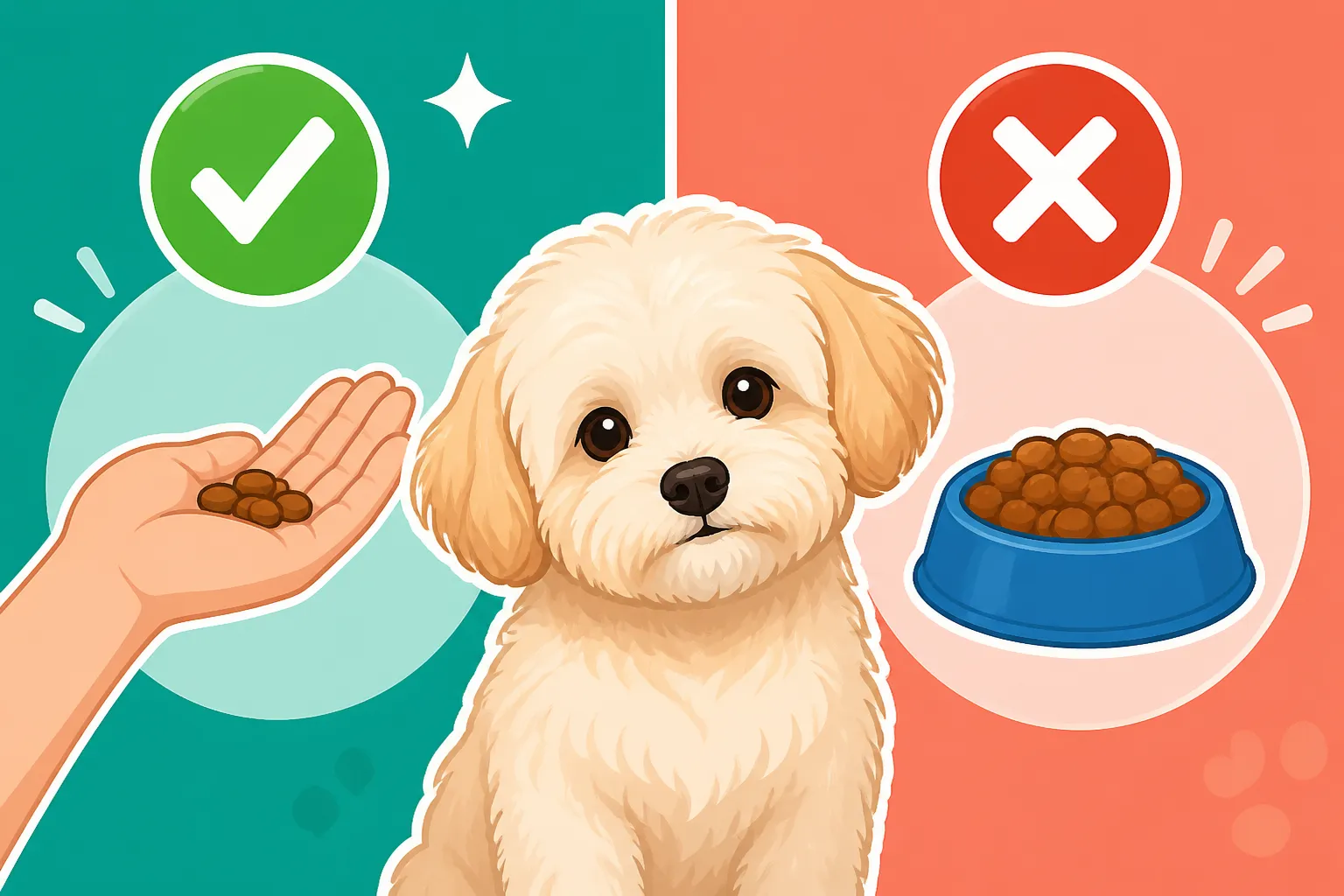
Whether a Maltipoo Should Be Hand Fed
One of the most common worries for any Maltipoo parent, especially those with tiny puppies, is whether their beloved companion is eating enough. These little fluffballs can sometimes be notoriously finicky, making you wonder if you should just take over and hand-feed them to ensure they get the nutrition they need. This guide is here to help you navigate the delicate balance of feeding your Maltipoo, exploring when hand-feeding is a helpful tool, when it can become a problematic habit, and how to set your furry friend up for healthy eating habits.
Understanding the Maltipoo's Relationship with Food
Before we dive into the pros and cons of hand-feeding, it’s really important to understand why food can become such a point of contention (or adoration!) for a Maltipoo. These aren't large, stoic dogs that will just wolf down anything you put in front of them without a second thought. Their unique heritage and small stature play a huge role in their eating habits, and often, in our own anxieties about their meals.
The Instinctual Drive and Small Stomachs
Let’s be honest, those adorable tiny Maltipoo bodies come with some significant considerations, particularly concerning their metabolism. A Maltipoo, especially a young puppy or a particularly tiny "teacup" variety, has a very fast metabolism and a small stomach. This means they need to eat frequently to maintain stable blood sugar levels. Skipping a meal, even for a few hours, can put them at risk for hypoglycemia – a sudden and dangerous drop in blood sugar.
This isn't just a minor inconvenience; it can be life-threatening for very small puppies. Why a Two Pound Maltipoo Cannot Skip a Meal is a resource that details the critical nature of consistent feeding for these little ones. Because of this inherent vulnerability, we, as their guardians, naturally become very attuned to their eating. If they hesitate, if they turn their nose up, a tiny alarm bell goes off in our heads, urging us to do whatever it takes to get food into them. This intense instinct to protect our tiny companions often leads us to consider hand-feeding as a quick, loving solution.
The Maltese Influence: Picky Eaters and Finicky Habits
Ah, the Maltese! While they contribute that gorgeous, flowing coat and a delightful, affectionate personality to the Maltipoo mix, they can also bring a reputation for being quite the gourmands – and not always in a good way. The Maltese breed is often known for being particular about their food, sometimes earning them the label of "picky eaters." This isn't always a health issue; sometimes, it's simply a matter of preference or even a learned behavior.
When this trait combines with the Poodle's intelligence, you can get a Maltipoo who quickly figures out that if they hold out long enough, something better (or at least, more hands-on) might come along. They learn that a sigh, a turn of the head, or a slow nibble can often result in their human pulling out all the stops – including hand-feeding – to ensure they don't starve. This can quickly turn mealtime into a negotiation rather than a routine. If you've ever found yourself asking Whether a Maltipoo Refuses Food Out of Habit, the answer might very well be yes, thanks to this clever combination of traits.
The Poodle Influence: Intelligence and Food Motivation
On the other side of the genetic coin, we have the Poodle, a breed renowned for its sharp intelligence and often, its strong food drive. Poodles are highly trainable and generally eager to please, especially when food is involved. This Poodle influence can mean your Maltipoo is incredibly motivated by treats and positive reinforcement during training sessions. However, this intelligence can also work against you at mealtime if not managed carefully.
A smart Maltipoo can quickly learn to manipulate situations to their advantage. If hand-feeding leads to more attention, special treatment, or even tastier morsels (because let's face it, we often "bribe" them with better food when hand-feeding), they'll connect the dots. They'll understand that being "picky" or "reluctant" earns them a more desirable feeding experience. This isn't malice; it's just a dog being smart and learning what works to get what they want. They might not be guarding their bowl in the traditional sense, but they might be "guarding" your attention and service at mealtime. Whether a Maltipoo Guards Its Food Bowl usually refers to aggression, but a subtle form of resource guarding can certainly apply to your personal attention.
The Case for Hand-Feeding a Maltipoo: When It Can Be a Good Thing
While we'll discuss the potential drawbacks of continuous hand-feeding, there are absolutely situations where it's not just beneficial, but truly necessary and wonderful. Hand-feeding, when used judiciously and with a clear purpose, can be a powerful tool for bonding, healing, and behavioral modification. It’s about knowing when to do it and why.
Building Trust and Bonding with a New Puppy
Bringing a new Maltipoo puppy home is an exciting but also potentially stressful time for the little one. They’re leaving their littermates and mother, entering an entirely new environment, and adjusting to a new family. In these initial days, hand-feeding can be an incredibly effective way to build trust and create a strong, positive bond.
Imagine your tiny puppy, perhaps a little overwhelmed by everything, hesitantly approaching a food bowl. If you gently offer a few pieces of kibble from your hand, speaking softly, it transforms the act of eating into a shared, comforting experience. It tells them, "I am a source of good things, and I am safe." This early positive association can be invaluable, especially if your puppy is a bit shy or nervous. It helps them imprint on you and see you as their primary caregiver and protector. This isn't about creating a permanent habit, but about setting a foundation of security during a critical developmental period. Many online puppy programs, like those offered by BAXTER & Bella, might even recommend early positive associations with food and handling to help build confidence.
Encouraging Eating During Stress or Illness
There are times when a Maltipoo simply isn't feeling up to par. It could be post-vaccination lethargy, a mild stomach upset, car sickness after a long trip, or the general malaise that comes with a new environment. During these periods, loss of appetite is common, and getting vital nutrients into them is paramount, especially for their small bodies.
In such scenarios, hand-feeding can be a lifesaver. A sick or stressed Maltipoo might refuse to eat from their bowl but might accept small, tempting morsels offered directly from your hand. The personal attention, gentle coaxing, and close proximity can make the food more appealing and provide comfort. This is not about spoiling them; it's about ensuring they maintain their strength and get the calories needed for recovery. Your vet might even suggest specific foods or methods, and often, they'll endorse whatever gentle method gets your dog to eat when they're unwell. For tiny puppies particularly susceptible to Hypoglycemia and the Teacup Maltipoo Puppy, ensuring they eat when under stress is crucial.
Overcoming Food Aversion or Bowl Shyness
Some Maltipoos, particularly those with a difficult past (like rescue dogs from neglectful situations) or those who have had negative experiences around food, might develop a genuine aversion to eating from a bowl. They might associate the bowl with past trauma, competition, or even just general anxiety. This isn't about being picky; it's about fear or discomfort.
For these dogs, hand-feeding can be an important step in rehabilitation. By removing the "threat" of the bowl and instead offering food in a safe, gentle, and controlled manner, you can slowly help them re-learn that food is a good thing and that mealtime can be a positive experience. This might involve starting with hand-feeding entirely, then gradually placing your hand closer to an empty bowl, then adding a few pieces of food to the bowl while you still offer some by hand, slowly fading your involvement over time. This process requires immense patience and understanding, but it can be incredibly rewarding in helping a fearful dog overcome their past.
The Potential Pitfalls of Regular Hand-Feeding
While hand-feeding has its merits in specific situations, allowing it to become the norm can create a host of problems for both you and your Maltipoo. It's easy to fall into the trap of doing what feels like the "kind" thing, but sometimes, what feels kind in the short term can lead to long-term behavioral issues that are much harder to resolve.
Creating a Finicky Eater and Undermining Independence
The biggest risk of habitual hand-feeding is creating a self-fulfilling prophecy: you start hand-feeding because your Maltipoo is a picky eater, and then they become even pickier because they've learned that holding out gets them special service. It teaches them that their bowl food isn't quite good enough, or that they don't have to eat independently.
This can lead to a dog who refuses to eat unless you are physically present and actively feeding them each morsel. This isn't just an inconvenience; it can cause real stress when you're busy, traveling, or if someone else needs to care for your dog. They might go for extended periods without eating, causing you immense worry and potentially impacting their health. It undermines their ability to self-regulate and approach their food with confidence, turning a basic necessity into a constant negotiation. If you are struggling with Getting a Picky Maltipoo to Eat, continuous hand-feeding might inadvertently be making the situation worse.
Reinforcing Undesirable Behaviors
Dogs are masters of association. If every time your Maltipoo whines, bats their eyelashes, or simply ignores their bowl, you immediately jump to hand-feeding, you are actively reinforcing those behaviors. They learn that these actions lead to the desired outcome (you feeding them). This can extend beyond mealtime, as they might start demanding attention or other things using similar tactics.
This can manifest as begging, pawing, or even a subtle refusal to engage unless you initiate. It establishes a dynamic where the dog dictates the terms of the meal, rather than understanding that food is provided at specific times and in a specific manner. While a little bit of cute begging is harmless, when it becomes manipulative and controls your routine, it stops being endearing and starts being frustrating. Training resources, such as those from BAXTER & Bella, often emphasize consistency and not reinforcing unwanted behaviors to build a well-adjusted dog.
Establishing You as the Only Feeder
What happens if you go on vacation, get sick, or simply need someone else to feed your Maltipoo? If your dog has become accustomed to only eating from your hand, they might refuse to eat for anyone else. This creates a huge burden on you and can put your dog at risk if you're ever unable to be their sole feeder.
Pet sitters, family members, or kennel staff might find themselves at a complete loss if your Maltipoo won't touch their food without your direct intervention. This can lead to stress for the dog, who might go hungry, and for the caregiver, who might feel responsible for their well-being. It removes flexibility from your life and restricts who can adequately care for your dog, turning simple errands or trips into logistical nightmares.
When Hand-Feeding Becomes a Necessity (and It's Not a Choice)
Despite the potential downsides of making hand-feeding a routine, there are definite instances when it’s not just helpful but absolutely essential. These are typically short-term, medically or recovery-related situations where your dog’s immediate health takes precedence over fostering independent eating habits. In these cases, your focus shifts entirely to ensuring they consume enough calories and nutrients to heal and regain their strength.
Post-Surgery or During Recovery from Illness
Imagine your Maltipoo has just come home from a dental procedure or recovering from an illness like a bad stomach bug. They might be disoriented from anesthesia, have a sore mouth, or generally feel weak and nauseous. In these fragile states, eating independently from a bowl can be difficult, uncomfortable, or even impossible.
Your veterinarian will likely advise you on appropriate recovery foods and methods. Often, this includes offering soft, palatable food in small quantities, and yes, sometimes that means hand-feeding. The gentle encouragement and direct delivery of food can bypass discomfort and stimulate appetite when your dog is otherwise too weak or uninterested to eat on their own. This is a critical period for healing, and ensuring caloric intake is vital. During these times, you might find yourself using very soft, highly palatable canned food or even a special recovery diet prescribed by your vet, making it easier to hand-feed tiny portions without causing further strain.
Managing Hypoglycemia in At-Risk Puppies
We've touched on this before, but it bears repeating: very young or tiny Maltipoo puppies are acutely susceptible to hypoglycemia. Their small bodies burn through glucose rapidly, and if they don't eat regularly, their blood sugar can drop to dangerous levels, leading to lethargy, disorientation, and even seizures. This is a medical emergency that requires immediate intervention.
For these at-risk puppies, vigilant feeding is a must. If a puppy is showing signs of being lethargic or refusing to eat, hand-feeding becomes a critical tool to get sugar and nutrients into them quickly. This might involve offering Nutri-Cal paste or a dab of Karo syrup (under veterinary guidance, of course) directly from your finger, followed by a soft, high-calorie food offered by hand. The quick delivery ensures they get the energy they need before their condition worsens. What a Hypoglycemic Episode Looks Like in a Maltipoo can offer more insight into recognizing these critical moments and the importance of immediate action. Until they reach an age where their metabolism stabilizes, which can be around 4-6 months depending on their size, hand-feeding to ensure they eat every few hours might be a necessary part of their daily care. The Age a Maltipoo Grows Out of Hypoglycemia Risk is an important milestone for owners to understand.
Dental Issues and Oral Pain
Maltipoos, like many small breeds, are unfortunately prone to dental problems. Their forty-two teeth often crowd their small jaws, leading to plaque buildup, gum disease, and sometimes painful extractions. The Forty Two Teeth Crowding a Maltipoo's Jaw can lead to a lifetime of proactive dental care. Even with regular brushing, dental issues can arise, making eating from a hard food bowl incredibly painful.
A dog with a sore tooth, inflamed gums, or recovering from dental surgery might simply refuse to eat dry kibble. In these situations, hand-feeding soft, moistened food or a veterinary dental diet can provide comfort and ensure they continue to get proper nutrition. You might need to make small, pea-sized balls of food and gently place them in your Maltipoo’s mouth, encouraging them to swallow without needing to chew extensively. This compassionate approach allows them to eat without exacerbating their pain, and it’s a necessary adjustment until their oral health improves.
Transitioning from Hand-Feeding to Bowl-Feeding
If you've found yourself regularly hand-feeding your Maltipoo, either out of necessity during an illness or because you've unintentionally created a picky eater, don't despair! It’s absolutely possible to transition them back to eating independently from a bowl. It will require patience, consistency, and a clear strategy, but the long-term benefits for both you and your Maltipoo are well worth the effort.
Gradual Introduction of the Bowl
The key to a successful transition is gradualism. Don't just suddenly stop hand-feeding and expect your Maltipoo to instantly embrace their bowl. That can lead to anxiety and refusal to eat. Instead, aim to slowly reintroduce the concept of the bowl as a positive, safe place for food.
Start by placing a few pieces of their favorite kibble or soft food in an empty bowl while you continue to offer the majority of their meal by hand. As you hand-feed, periodically drop a piece into the bowl and encourage them to take it from there. You can also hold the bowl in your lap while you hand-feed, slowly lowering it to the floor over several days or weeks. The idea is to associate the presence of the bowl with the comfort and availability of food. You might even consider a very shallow, small bowl, easily available on Amazon, that doesn't overwhelm their tiny face. Eventually, you'll be hand-feeding less and less, and they'll be retrieving food from the bowl more and more.
Making the Bowl a Positive Experience
The bowl needs to become a source of positive reinforcement, not a point of contention. This means using high-value treats and praise every time your Maltipoo even looks at the bowl, let alone eats from it.
When you start the transition, even if they just sniff the bowl, offer enthusiastic verbal praise ("Good dog!") and perhaps a tiny, irresistible treat (like a sliver of cooked chicken or cheese). If they take a piece of food from the bowl, the praise should be even more effusive. You can also try adding a highly appealing food topper, like a sprinkle of nutritional yeast, a dollop of pumpkin puree, or a dash of warm chicken broth to their bowl food. This makes the bowl an exciting place to find delicious surprises. Avoid any negative associations with the bowl, such as scolding them if they don't eat. The goal is to build curiosity and eagerness around their designated feeding spot.
Consistency and Patience Are Key
This transition won't happen overnight, and there will likely be setbacks. Your Maltipoo might test you, refusing to eat for a meal or two to see if you'll resort to hand-feeding. This is where your consistency becomes crucial.
Establish a clear feeding schedule – for instance, two or three specific meal times per day, even if your puppy eats Training a Maltipoo Around Four Meals a Day. Put the food down in the bowl for 15-20 minutes. If your Maltipoo doesn't eat, pick the bowl up and offer nothing until the next scheduled meal. No snacks, no treats, no hand-feeding in between. It sounds harsh, but a healthy dog will not starve themselves. They will eventually learn that food is available at certain times, in their bowl, and they need to eat it then. This might take several days, and it can be emotionally challenging for you, but it’s essential for teaching them independent eating habits. Ensure everyone in the household is on the same page with this consistent approach.
Alternative Feeding Strategies for Picky or Problem Eaters
Beyond hand-feeding, there are many other strategies you can employ to encourage your Maltipoo to eat independently from their bowl, especially if pickiness or reluctance continues to be an issue. These methods focus on enhancing appeal, structuring meal times, and addressing potential underlying causes for their food aversion.
Enhancing Palatability and Enticing Appetites
Sometimes, it’s not how you feed them, but what you're feeding them or how it’s presented. Maltipoos can indeed be discerning, and small changes can make a big difference in enticing their appetite.
- Warm it up: Add a little warm water or low-sodium chicken broth to their kibble. This can bring out the aromas of the food, making it more appealing. Just be sure it’s not too hot.
- Add a topper: A tiny amount of something irresistible can often spark interest. This could be a sprinkle of freeze-dried meat, a spoonful of plain yogurt, a little wet food mixed in, or even steamed, mashed vegetables like pumpkin or sweet potato. You can find many healthy food toppers on Amazon that are specifically designed for picky eaters.
- Rotate foods: While sudden changes can upset sensitive stomachs, some dogs benefit from a rotation of two or three high-quality kibbles to prevent boredom. Discuss this with your vet to ensure it's a healthy approach for your Maltipoo.
- Fresh food options: If kibble simply isn't cutting it, consider gently cooked fresh food diets. Many brands offer pre-prepared fresh meals, or you can explore making your own balanced meals under veterinary nutritionist guidance.
Structured Feeding Schedules and Removing the Bowl
One of the most effective ways to manage a picky eater is to take control of the feeding schedule. Free-feeding, where food is left out all day, often contributes to pickiness because the dog learns that food is always available and there's no urgency to eat.
Instead, implement a strict feeding schedule:
- Offer meals at specific times: Two to three times a day for an adult Maltipoo.
- Limit meal duration: Put the food down for 15-20 minutes.
- Remove uneaten food: After the time limit, pick up the bowl, regardless of how much (or how little) was eaten.
- No snacks between meals: Apart from small training treats, avoid offering any other food until the next scheduled meal.
This method teaches your Maltipoo that food is a finite resource available only at specific times. If they don't eat it, it disappears until the next meal. A healthy dog will learn this quickly and adapt. This technique requires strong willpower from you, as it's hard to see your dog skip a meal, but it truly works to foster healthy eating habits. If your Maltipoo has previously been hand-fed or free-fed, this structured approach can feel like a big shift, but it's often the most successful strategy.
Addressing Underlying Medical or Behavioral Causes
If your Maltipoo continues to be a problem eater despite your best efforts with hand-feeding, transition strategies, and palatability enhancements, it's crucial to consider if there's an underlying medical issue or a deeper behavioral problem at play.
- Veterinary check-up: The first step should always be a vet visit. Pickiness or a sudden change in appetite can be a symptom of various health issues, including dental pain, gastrointestinal problems, liver shunts The Liver Shunt a Maltipoo Can Inherit From the Maltese, or other internal discomfort. Your vet can perform a thorough examination, including blood tests if necessary, to rule out any medical reasons for their reluctance to eat.
- Behavioral consultation: If medical issues are ruled out, a certified professional dog trainer or veterinary behaviorist can help identify and address any behavioral components. They can assess if anxiety, fear, resource guarding, or learned manipulation is contributing to the problem. An online puppy training program like BAXTER & Bella offers consultations and resources that might guide you in understanding dog behavior around food. They can help you develop a personalized plan using positive reinforcement techniques to encourage independent and healthy eating. Sometimes, a dog is truly just a very nervous eater, and a quiet, consistent feeding spot away from household hustle and bustle can make all the difference.
In conclusion, while hand-feeding can be a loving and necessary intervention in specific circumstances, it's generally best used as a temporary tool rather than a long-term strategy. Fostering independent and healthy eating habits in your Maltipoo will contribute to their overall well-being and make your life together much more harmonious.
| Situation | When to Consider Hand-Feeding | When to Avoid/Phase Out Hand-Feeding |
|---|---|---|
| New Puppy | First few days for bonding, overcoming shyness. | Once comfortable, transition to bowl to build independence. |
| Illness/Recovery | Vet-recommended for post-surgery, nausea, extreme weakness. | Once recovered and appetite returns, encourage bowl eating. |
| Hypoglycemia Risk | Immediate intervention for at-risk puppies, under vet guidance. | Once stable, consistently offer meals in bowl on strict schedule. |
| Dental Pain/Issues | When chewing is painful, post-dental procedure. | Once oral pain is managed, reintroduce bowl with soft food. |
| Picky Eating (Habitual) | Short-term to ensure some intake if extremely worried (briefly). | When it becomes a regular demand or creates food aversion to the bowl. |
| Behavioral Aversion | To re-establish positive association with food (no bowl). | Once comfort with food is established, gradually introduce the bowl. |
Disclaimer
This article is for general informational purposes only and does not constitute professional advice. Laws, prices and regulations vary by location and change over time. Consult a qualified professional for guidance on your specific situation.