A Maltipoo in a House With Children
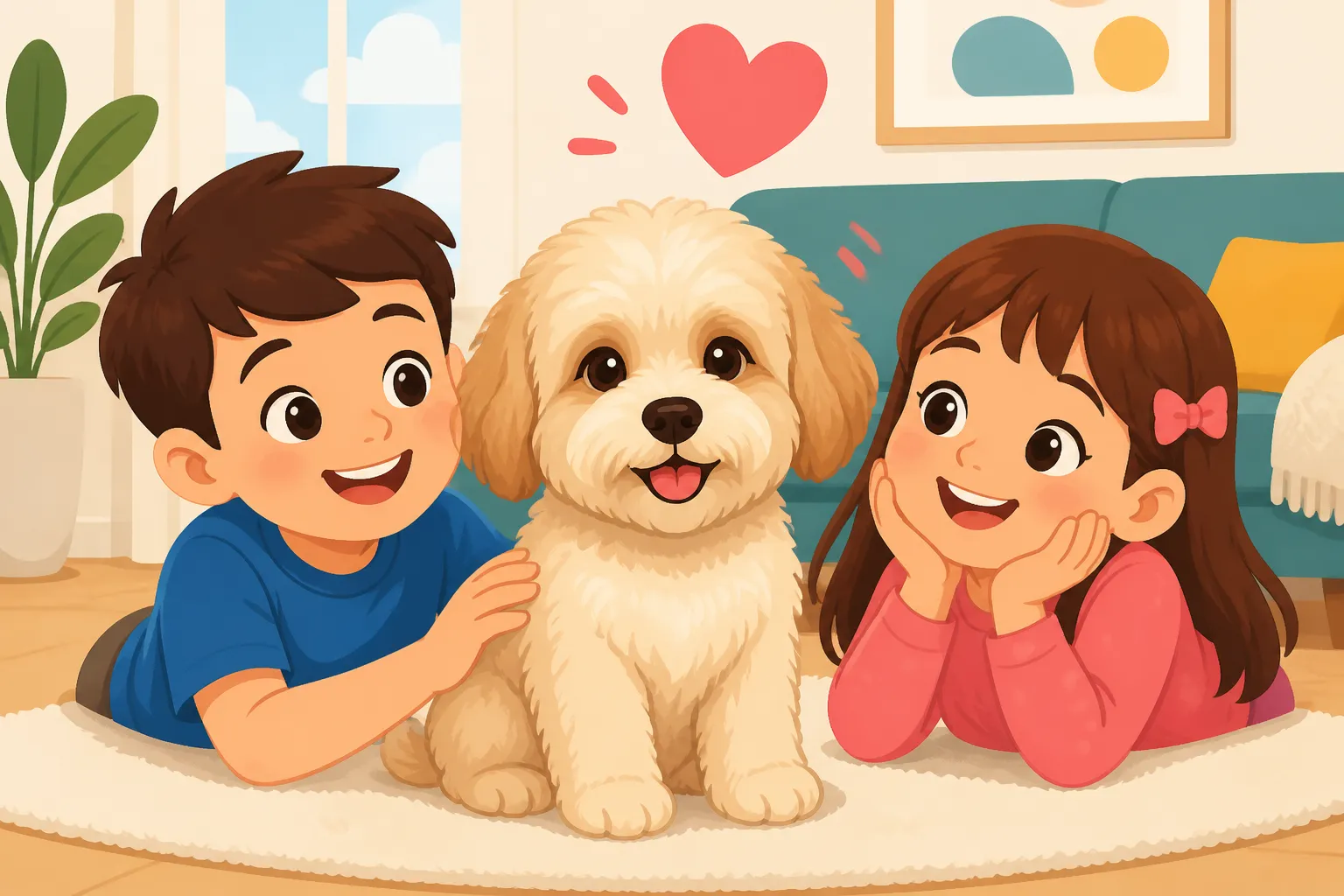
Bringing a bouncy, adorable Maltipoo puppy into a home already bustling with children can feel like trying to mix oil and water if you’re not prepared; the sheer joy and exuberance of kids, perfectly natural as it is, can unintentionally pose a real risk to such a tiny, delicate creature. Many families struggle with finding that delicate balance between letting their children bond with their new furry family member and ensuring the Maltipoo's safety and well-being. This comprehensive guide is designed to walk you through every step of creating a harmonious, safe, and loving environment for your Maltipoo and your children, ensuring a positive experience for everyone involved.
Understanding the Maltipoo's Fragility and Temperament Around Children
It’s easy to look at a fluffy Maltipoo and see nothing but a cuddly toy, especially for children, but beneath that soft exterior is a living, breathing, and often very delicate animal. Understanding their physical vulnerabilities and inherent personality traits is the first crucial step to fostering a successful relationship with kids.
The Maltipoo's Delicate Physique and Injury Risk
Maltipoos, particularly those on the smaller side, are surprisingly fragile. Their small bones are not built to withstand the same rough-and-tumble play that a larger dog might tolerate, or even enjoy. A fall from a child's arms, an accidental step, or even a too-enthusiastic hug can lead to serious injuries. We're talking about potential fractures, sprains, or even internal trauma. This isn't to scare you, but to instill a realistic understanding of just how vulnerable these little dogs can be. Imagine a child's excited dash across the living room, not realizing a tiny Maltipoo is underfoot, or the innocent squeeze of a hug from a toddler that a larger dog might brush off but could be painful for a Maltipoo. It's a constant, low-level stress for many Maltipoo owners: Whether a Maltipoo Can Be Injured by a Fall. Because of their size, their joints, like their kneecaps, can be predisposed to conditions such as luxating patellas, making them even more susceptible to injury from impacts or awkward landings.
Their small size also means they can easily get lost in household clutter or unseen corners, becoming an accidental tripping hazard for adults and children alike. The adorable, often playful nature of a Maltipoo can mask this underlying fragility, making it even more important for families to be hyper-vigilant. It's not just about what the children do to the dog, but what unintended consequences might arise from the sheer size difference and lack of awareness from younger kids. The reality is, a tiny dog requires a different level of care and attention than a Golden Retriever.
Temperament Traits: Maltese Sweetness vs. Poodle Intelligence
The Maltipoo is a delightful mix, drawing traits from both the Maltese and the Poodle, and this "coin flip" of genetics can significantly influence their behavior around children. The Maltese side often brings a gentle, affectionate, and somewhat dependent nature, desiring closeness and comfort. They tend to be sweet-natured and enjoy being lap dogs. However, they can also be prone to being a bit stubborn or vocal if not properly trained and socialized. On the other hand, the Poodle influence contributes intelligence, a keen desire to please, and often a playful, energetic streak. Poodles are highly trainable and generally robust in temperament, making them adaptable to various household dynamics.
When these two temperaments combine, you can get a Maltipoo that is wonderfully adaptable, eager to learn, and incredibly loving, or one that leans more towards the sensitive, slightly more reserved Maltese traits, or even one that has the boundless energy of a Poodle. The Coin Flip Inside Every Maltipoo Puppy means you might have a dog that thrives on interaction with children, or one that prefers quiet companionship. The Poodle's intelligence means they can pick up commands quickly, which is invaluable in a busy family home where clear boundaries are essential. However, if they lean too heavily into the Maltese's desire for singular attention, they might find a bustling household with multiple children overwhelming. Understanding What the Maltese Puts Into a Maltipoo's Character and What the Poodle Puts Into a Maltipoo's Character can give you insights, but ultimately, each Maltipoo is an individual.
Early Socialization and Exposure to Children
Proper socialization is absolutely paramount for any puppy, but especially for a Maltipoo who will be living with children. This process isn't just about exposing your puppy to kids; it's about making those exposures positive, controlled, and confidence-building. A puppy who has had good early experiences with well-behaved children is far more likely to grow into an adult dog who is relaxed and happy around kids. If your puppy comes from a reputable breeder, they should ideally have started this process, introducing the puppies to various sights, sounds, and gentle human interactions, including with children if possible.
However, the bulk of this responsibility will fall to you once your Maltipoo comes home. It means carefully orchestrated introductions, allowing children to interact gently under strict supervision, and ensuring the puppy always has a safe retreat if they feel overwhelmed. This early period sets the foundation for their entire life. Puppies who are not properly socialized to children may develop fear-based aggression or anxiety, leading to nipping or hiding whenever kids are around. It’s not just about preventing bites, but about nurturing a mentally healthy, confident dog. A well-socialized Maltipoo learns that children are not a threat, but rather a source of gentle attention, occasional treats, or calm playtime.
Preparing Your Home and Children for a Maltipoo Puppy
Bringing home a new Maltipoo, especially with children in the house, requires careful preparation. It's not just about buying a bed and some toys; it's about creating a safe physical environment and, just as importantly, preparing your human family members for their new responsibilities.
Child-Proofing for a Tiny Puppy
Think of a Maltipoo puppy as a furry, curious toddler, but one that's much smaller and faster. Your home needs to be thoroughly puppy-proofed, with an extra layer of consideration for their diminutive size and the hazards that might be overlooked for a larger dog. This means crawling around on your hands and knees to see the world from their perspective. Are there electrical cords within reach? Small toys on the floor that could be choked on? Loose rugs that could trip tiny paws or hide a potty accident? Toxic plants, cleaning supplies, or medications that are accessible?
Investing in quality baby gates or exercise pens is non-negotiable. These aren't just for containing your Maltipoo, but for creating safe zones where they can't be accidentally stepped on, chased, or overwhelmed by enthusiastic children. Consider a designated "puppy zone" within a larger room, equipped with their bed, water bowl, and a few safe toys. You can find excellent options for pet gates and playpens on platforms like Amazon, offering a variety of sizes and materials to suit your home. This prevents accidents, establishes boundaries, and gives your Maltipoo a sense of security. Remember, a frightened or overwhelmed puppy is more likely to develop behavioral issues.
Teaching Children Gentle Handling and Respectful Play
This is perhaps the most critical component of integrating a Maltipoo into a family with children. Children, especially younger ones, need explicit, consistent instruction on how to interact safely and gently with a small dog. This isn't instinctual for them. Start by explaining that the Maltipoo is not a toy, but a living creature with feelings and fragile bones. Demonstrate how to pet gently, using an open hand, stroking in the direction of the fur, and avoiding sensitive areas like the eyes, ears, and tail.
Crucially, teach children how to properly pick up and hold a Maltipoo. This means supporting their chest and hindquarters completely, never just grabbing by the legs or around the neck. Emphasize sitting down on the floor to interact, reducing the risk of dropping the dog from a height. Teaching a Child Where to Support a Maltipoo is a lesson that needs repetition and constant supervision. Establish rules like "no chasing the puppy," "no pulling ears or tail," and "no roughhousing." Reward children with praise and positive attention when they interact appropriately. This is also where a structured online training program, such as those offered by BAXTER & Bella, can be invaluable. They often have modules specifically designed for families, helping both kids and puppies learn how to coexist respectfully and safely, providing age-appropriate exercises and guidance.
Establishing Safe Spaces for Your Maltipoo
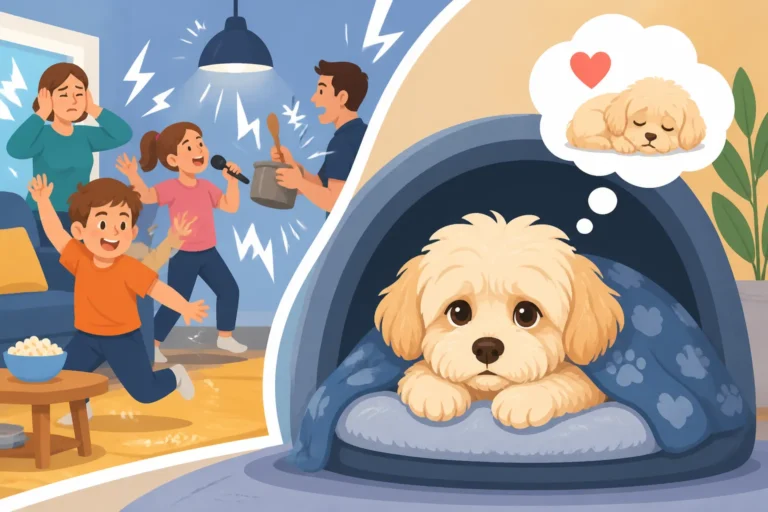
Every Maltipoo in a family home needs a designated "safe space" – a sanctuary where they can retreat, undisturbed, from the hustle and bustle of family life. This could be a crate, a cozy bed in a quiet corner, or a playpen. The key is that this space is consistently respected by everyone in the household, especially children. Teach your children that when the Maltipoo is in their bed or crate, they are off-limits. No poking, no petting, no loud noises. This allows your Maltipoo to decompress, sleep peacefully, and feel secure, which is vital for their emotional well-being.
This isn't just about giving the dog a place to sleep; it's about teaching children a fundamental lesson in respecting boundaries and animal welfare. It prevents a dog from feeling trapped or overwhelmed, which can lead to stress-induced behaviors like nipping or hiding. The safe space should be comfortable, inviting, and consistently available. Consider putting it in a common area where the Maltipoo still feels part of the family but has a clear boundary. This strategy is also incredibly helpful for managing routines, like potty breaks, which we discuss in The Daily Routine a Maltipoo Needs. By actively enforcing this boundary, you build trust with your Maltipoo and teach your children empathy and responsibility.
Supervision, Boundaries, and Consistent Training
Once your Maltipoo is home, the real work of integration begins. It's an ongoing process that demands vigilance, clear rules, and consistent effort from every family member. Without these pillars, even the best initial preparations can fall apart.
The Importance of Constant Adult Supervision
I cannot stress this enough: constant, vigilant adult supervision is the non-negotiable cornerstone of successfully integrating a Maltipoo with children, especially young ones. Accidents happen in a blink, and with a dog as small as a Maltipoo, those accidents can be severe. This means that whenever your children and your Maltipoo are in the same room, an adult must be actively present and engaged, ready to intervene, guide, or redirect. This isn't just about preventing harm to the dog; it's also about preventing a frightened dog from nipping a child.
Think of it as having a designated referee for all interactions. If you can't be actively supervising, then the Maltipoo should be in their safe space (crate, playpen, or another room) or the children should be in a separate area. There should be absolutely no unsupervised interactions between very young children and your Maltipoo. As children get older and demonstrate consistent, gentle behavior, supervision can become less "active" and more "observational," but it should never be completely absent. This rule protects both your precious dog and your children. You simply cannot expect a small child to always remember boundaries when faced with an adorable, playful puppy. Whether a Maltipoo Should Be Left With Children is a resounding no, especially for younger kids.
Setting Clear Rules for Interactions
Beyond constant supervision, establishing clear, consistent, and easily understood rules for everyone in the family is paramount. Write them down, post them on the fridge, and review them regularly. These rules should cover everything from how to approach the dog to what to do if the dog seems uncomfortable.
Table: Rules for Kids Interacting with a Maltipoo
| Rule Category | Appropriate Interaction | Inappropriate Interaction | Why It Matters |
|---|---|---|---|
| Approach & Greetings | Speak softly, let the dog sniff your hand, pet gently. | Rushing, yelling, grabbing, startling from sleep. | Prevents fear, nips, and teaches respect for personal space. |
| Handling | Sit on the floor, support chest & hindquarters, gentle strokes. | Picking up without support, dropping, swinging, pulling tail/ears. | Protects delicate bones, prevents pain and fear. |
| Playtime | Use appropriate toys (fetch, soft plush), short sessions. | Chasing, wrestling, tug-of-war (can encourage nipping). | Encourages positive interaction, avoids over-stimulation. |
| Food & Belongings | Never touch the dog's food bowl, treats, or toys while they are using them. | Taking food/toys away, reaching into bowl, bothering while eating. | Prevents resource guarding and aggression. |
| Safe Space | Leave the dog alone when in crate/bed. Quiet time. | Poking, teasing, loud noises, invading their space. | Gives the dog a secure retreat, reduces stress. |
These rules need to be enforced by all adults, consistently. If one adult allows a behavior that another forbids, it creates confusion for both the child and the dog. Regular family meetings to discuss these rules and practice appropriate interactions can be very beneficial. This proactive approach helps to build good habits and prevent misunderstandings before they escalate.
Training Your Maltipoo to Be Calm Around Kids
While much of the focus is on teaching children, it's equally important to train your Maltipoo to be well-mannered and calm in the presence of kids. This involves positive reinforcement training, focusing on behaviors you want to see. Teach commands like "sit," "stay," "down," and "off." These basic obedience commands give you control and can be incredibly useful in managing interactions. For example, if a child approaches, you can ask your Maltipoo to "sit" and "stay" for a gentle pat, rewarding them for calm behavior.
Desensitize your Maltipoo to the sounds and movements common in a household with children. This might involve playing recordings of children laughing, running, or crying at a low volume and gradually increasing it, always pairing it with positive experiences like treats or playtime. Teach them that children's quick movements don't mean danger, but sometimes mean a treat for calm behavior. Online resources like BAXTER & Bella offer structured training courses that include desensitization exercises and strategies for managing puppy behavior in busy family environments, which can be a lifeline for overwhelmed owners. Consistency is key here. If your Maltipoo jumps up on kids, calmly turn away and ignore the behavior until all four paws are on the floor. Reward the desired behavior immediately. Remember, Training a Maltipoo Around Four Meals a Day provides ample opportunities for positive reinforcement throughout the day.
Addressing Common Challenges and Misconceptions
Even with the best intentions and preparations, living with a Maltipoo and children will present unique challenges. It's important to anticipate these and have strategies in place to manage them rather than letting them fester.
Nipping, Barking, and Over-Excitement
Puppies, especially small ones like Maltipoos, often nip as part of their natural play and exploration. Those tiny needle teeth can be startlingly sharp, and children are often the recipients of this behavior. While it's natural puppy behavior, it's unacceptable when directed at children. The key is to redirect immediately and consistently. When your Maltipoo nips, redirect them to a appropriate chew toy. If the nipping persists, remove yourself or the child from the interaction (a short time-out for the human to disengage, not the puppy being punished) to teach them that nipping makes the fun stop.
Excessive barking can also be an issue, especially if your Maltipoo feels overwhelmed or wants attention. Teach an "quiet" command, and reward silence. Identify the triggers: is it when kids run past the window? When they get too loud? Address the root cause. Over-excitement can manifest as jumping, zoomies, or frantic barking. Teach calm greetings and provide plenty of appropriate outlets for their energy through structured play and walks, not just free-for-all chaos with children. A tired Maltipoo is often a well-behaved Maltipoo. This is also where understanding general Maltipoo training can help you with specific challenges, as outlined in Why Housetraining a Maltipoo Takes Longer Than You Expect, though the principles apply to all training.
Resource Guarding and Protective Behaviors
Resource guarding is when a dog becomes possessive over items like food, toys, or even their bed, reacting defensively if a person or another animal approaches. This can be a serious issue in a home with children. Even an otherwise sweet Maltipoo can snap or growl if they feel threatened over a valued item. To prevent this, never allow children to bother your Maltipoo while they are eating or playing with a favorite toy. Establish a "no touch" rule for their food bowl and toys. Instead, teach children to "trade" with the dog: if the dog has something they shouldn't, offer a high-value treat in exchange, so the dog learns that giving things up results in something better.
Build positive associations around resources. For instance, have children gently toss a treat into the Maltipoo's bowl as they walk by, rather than approaching to take something away. This teaches the dog that children approaching their resources means good things happen. If you notice any signs of resource guarding – stiff body language, growling, a hard stare – seek professional help immediately. This is a behavior that should never be ignored, especially with children in the house. Addressing these behaviors early is crucial for maintaining a safe and harmonious home.
The Myth of the "Kid-Friendly" Small Dog
There's a common misconception that all small dogs are automatically "kid-friendly" because they're cuddly and less physically intimidating than a large dog. This is a dangerous myth, especially when applied to breeds like the Maltipoo. While many Maltipoos can be wonderful family dogs, their small size often makes them more vulnerable to injury and more likely to react defensively if they feel threatened or overwhelmed. A large dog might simply walk away from a child's clumsy grab, but a tiny Maltipoo might nip out of fear or pain.
Furthermore, many small dogs, including some Maltipoos, can develop "small dog syndrome" – behaviors where they become bossy, yappy, or even aggressive because they haven't been given proper training or boundaries. Owners sometimes excuse these behaviors due to the dog's size, but it can lead to problems, particularly with children. A truly kid-friendly dog is one that is well-socialized, well-trained, and whose boundaries are consistently respected by everyone in the home, regardless of size. Whether a Maltipoo Is Too Fragile for a Toddler highlights that this isn't just a behavior issue, but a critical safety concern. It's about proactive management and respect, not assuming their size makes them inherently safe for all interactions.
Integrating a Maltipoo into a Family with Various Ages
The approach you take to introduce and integrate your Maltipoo will vary significantly depending on the ages of the children in your home. Toddlers require a completely different strategy than teenagers, and understanding these nuances is vital for success.
Maltipoos with Toddlers and Preschoolers
Toddlers and preschoolers (roughly ages 1-5) present the biggest challenge when introducing a small dog like a Maltipoo. Their motor skills are still developing, they often lack impulse control, and their understanding of cause and effect is limited. They see the world as their oyster, and a fluffy puppy is just another exciting thing to grab, squeeze, or chase. This age group is simply incapable of consistent, gentle interaction without constant, active adult intervention.
For homes with toddlers, the rules must be exceptionally strict. Think about managing interaction like this: the Maltipoo and the toddler should never be in the same room unsupervised. Utilize baby gates and playpens extensively. When they are together, an adult must be within arm's reach, guiding every interaction. Teach "gentle hands" by demonstrating and physically guiding the child's hand. Focus on short, positive, controlled interactions, always ending before either party becomes overwhelmed. Encourage passive observation and talking to the puppy from a short distance. This approach helps teach both child and puppy how to coexist safely, rather than forcing close, potentially dangerous interactions. Remember, a Maltipoo puppy's jaw could accidentally hurt a toddler, and a toddler's clumsy movements could seriously injure the Maltipoo.
Maltipoos with School-Aged Children
School-aged children (roughly ages 6-12) are generally more capable of understanding and following rules, making integration a bit easier, though still requiring vigilance. At this age, children can begin to grasp concepts like "the dog has feelings," "the dog's bones are delicate," and "we need to be gentle." They can actively participate in the dog's care, which fosters a sense of responsibility and bonding.
Involve them in positive reinforcement training, under adult guidance. They can help with feeding, brushing, and supervised playtime using appropriate toys. This is an excellent age to teach children about dog body language: "If the puppy turns his head away, he needs a break." Or, "If his tail is tucked, he might be scared." Empower them to be good advocates for the dog. While supervision is still crucial, it can shift from constant intervention to more observational oversight, stepping in when necessary. Encourage structured play like throwing a ball or teaching simple tricks, which helps build a positive relationship based on respect and teamwork.
Maltipoos with Teenagers
Teenagers (roughly ages 13-18) are typically mature enough to understand the responsibilities of pet ownership and can become wonderful allies in caring for your Maltipoo. They can understand dog behavior, respect boundaries, and often take on significant roles in training, feeding, and grooming. Their calm demeanor and developed motor skills make them ideal for gentle interaction.
The challenge with teenagers often lies in their busy schedules and potential for distraction. They might unintentionally leave doors ajar, forget to put away small items that could be choking hazards, or be engrossed in devices when the dog needs attention. The key is to treat them as responsible adults and involve them in setting household pet rules, soliciting their input. This fosters ownership and commitment. Encourage them to research proper dog care and training techniques, perhaps even joining a class with the dog. A well-integrated Maltipoo can provide immense emotional support and companionship for a teenager, offering a quiet, non-judgmental presence during a sometimes tumultuous period of life. Just ensure they are still mindful of the Maltipoo's delicate nature, as even well-meaning rough play could be too much.
Long-Term Harmony: Continual Education and Support
Successfully integrating a Maltipoo into a family with children isn't a one-time event; it's an ongoing journey that requires commitment to continual education, adaptation, and knowing when to seek outside help.
Ongoing Education for Both Children and Dog
Just as children grow and develop, so too do dogs. Their needs, personalities, and tolerance levels can change over time. Therefore, ongoing education for both your children and your Maltipoo is vital for maintaining a healthy relationship. For children, this means periodically revisiting the rules, especially as they mature and new situations arise. Reinforce gentle handling, respect for the dog's space, and understanding of canine body language. Books about dogs for children can be a great resource, helping them empathize with their furry friend.
For your Maltipoo, continued positive reinforcement training helps maintain good manners and strengthens your bond. Keep training sessions short, fun, and engaging. Consider enrolling in advanced obedience classes or even trick training to keep their intelligent Poodle brain stimulated. Trick Training a Maltipoo With the Poodle Half can be a fun activity for the whole family! An under-stimulated or bored Maltipoo is more likely to develop undesirable behaviors that could impact interactions with children. This continuous learning ensures that everyone in the household remains on the same page and that the Maltipoo remains a well-adjusted, confident family member.
When to Seek Professional Guidance
Sometimes, despite your best efforts, challenges may arise that are beyond your comfort or expertise to handle. This is absolutely normal and nothing to be ashamed of. Knowing when to seek professional guidance from a certified dog trainer or a veterinary behaviorist is a sign of responsible pet ownership. If you notice persistent issues such as fear-based aggression, excessive nipping that isn't resolving with redirection, resource guarding, extreme anxiety around children, or sudden changes in behavior, it's time to call in a professional.
A qualified professional can assess the specific dynamics of your household, identify triggers, and provide tailored strategies and training plans. They can also mediate interactions, ensuring both children and dog feel safe and understood. Early intervention is key; behavioral issues tend to worsen over time if left unaddressed. Don't wait until a serious incident occurs. Investing in professional help not only resolves immediate problems but also sets your family up for long-term success and peace of mind. They can also offer specific advice on things like Whether a Maltipoo Warns Before It Snaps, helping you interpret subtle cues.
Creating a Lifetime of Positive Experiences
The ultimate goal is to create a lifetime of positive, loving experiences for both your Maltipoo and your children. This means focusing on activities that foster mutual respect and joy. Encourage supervised, gentle playtime, quiet cuddle sessions, and involvement in the dog's daily routines. Going for walks together (with adults holding the leash, of course!) can be a wonderful bonding activity. Reading to the dog, under supervision, can help both the child and the dog relax together.
Celebrate small victories, like a child gently petting the Maltipoo without prompting, or the Maltipoo calmly allowing a child to pass by. These moments build trust and cement the dog's place as a cherished family member. Remember that the presence of a pet can teach children invaluable lessons in empathy, responsibility, kindness, and respect for living creatures. With careful planning, consistent effort, and unwavering supervision, your Maltipoo can become a cherished, well-adjusted member of your family, bringing joy and companionship for many years to come.
Disclaimer
This article is for general informational purposes only and does not constitute professional advice. Laws, prices and regulations vary by location and change over time. Consult a qualified professional for guidance on your specific situation.