Whether a Breeder Can Predict a Maltipoo’s Character
It’s completely understandable to want to know what your new Maltipoo puppy will be like. We all dream of a perfect companion, and when you’re picking out a tiny fluffball, it's natural to lean on the breeder, hoping they can offer a crystal ball glimpse into your future dog's personality. The reality, though, is that while experienced breeders can certainly offer insights into general breed tendencies and some early observations, truly predicting a Maltipoo's long-term character is far more complex than a simple "yes" or "no." This guide will unpack why a definitive prediction is elusive and what factors truly shape your Maltipoo's unique self.
The Complex Mix of Maltese and Poodle Temperaments
When you bring a Maltipoo into your life, you’re essentially getting a charming blend of two distinct purebred personalities: the gentle, affectionate Maltese and the intelligent, often spirited Poodle. This genetic lottery means that predicting which traits will shine brightest in your individual puppy is a delightful, but sometimes challenging, mystery.
Unpacking the Genetic Lottery
Imagine two parents, both wonderful, but with different quirks. The Maltese side of your Maltipoo might contribute a sweet, devoted nature, a strong desire to be near its human, and sometimes, a touch of stubbornness. They are renowned for their gentle demeanor and making excellent lap dogs. On the other hand, the Poodle parent brings intelligence, an eagerness to please, and often a higher energy level and a playful, mischievous streak. Depending on the specific Poodle lineage (Toy or Miniature), they can be quite athletic and quick learners.
So, when these two breeds combine, you get a spectrum of possibilities. Some Maltipoos might inherit more of the Maltese's calm, cuddly disposition, making them little shadows that follow you everywhere. Others might lean more into the Poodle's active, brainy side, becoming little clowns who thrive on learning tricks and engaging in playful antics. It’s this very blend that makes each Maltipoo so unique and beloved, but it also makes it tricky to say definitively at eight weeks old exactly where on that spectrum your puppy will land as an adult. It’s like a genetic "coin flip," as we often say, regarding The Coin Flip Inside Every Maltipoo Puppy. Understanding What the Maltese Puts Into a Maltipoo's Character and What the Poodle Puts Into a Maltipoo's Character gives you a better idea of the potential range, but not the precise outcome for your specific pup.
Early Influences Beyond Genetics
While genetics lay the foundation, they aren't the whole story. Even within the same litter, puppies can have very different temperaments. Think about siblings in human families; they share DNA but develop distinct personalities. For a Maltipoo puppy, early experiences in the breeder's home play a massive role. How much handling did they receive? Were they exposed to different sounds, gentle touches, and various people? Was their environment calm or chaotic?
A responsible breeder ensures their puppies are introduced to a variety of stimuli in a positive way, helping to build confidence and resilience. Puppies raised in a stimulating, loving environment tend to be more outgoing and adaptable. Those raised with less human interaction or in stressful conditions might be shyer or more anxious. These early weeks, before a puppy even comes home with you, are formative. A breeder might describe a puppy as "the bold one" or "the quiet observer" at this stage, but these are observations of current behavior, not necessarily guarantees of future personality, because so much more development is yet to come.
What Breeders Can Observe Versus What They Can Predict
An ethical and experienced Maltipoo breeder spends countless hours with their puppies, observing their interactions and individual quirks. They can certainly offer valuable insights into a puppy's current demeanor, but there's a crucial difference between observing present behavior and predicting future character with absolute certainty.
Behavioral Tendencies in Early Weeks
Breeders can tell you a lot about a puppy's current tendencies. They'll notice if a puppy is the first to approach a new toy, or if it hangs back. They'll know which puppy is the most playful with its littermates, and which prefers to snuggle with mom. They might even administer some informal "temperament tests" – observing how a puppy reacts to being picked up, or if it startles easily at a loud noise. For example, a puppy that's confident and curious at eight weeks might be described as "outgoing." A puppy that's a bit more reserved and prefers gentle cuddles might be labeled "sweet and sensitive."
These observations are incredibly useful, especially when you're looking for a puppy that might fit a particular lifestyle. If you're hoping for a bustling, playful companion, the breeder can point you towards the more boisterous pups. If a quiet, calm lap dog is your dream, they might guide you to the more reserved ones. However, it’s important to remember that a puppy's personality is still very fluid at this young age. Major developmental milestones are still ahead, and the environment they enter will have a profound impact. This is why asking a breeder "Whether a Maltipoo Puppy's Character Shows at Eight Weeks" will likely get you a nuanced answer about tendencies, not guarantees.
The Limitations of Puppy Aptitude Testing
Some breeders use formal or informal "puppy aptitude tests" (sometimes called PATs or temperament tests). These tests typically involve a series of short exercises designed to gauge things like a puppy's social attraction, following response, restraint reaction, social dominance, and retrieve drive. While these tests can offer a snapshot of a puppy's natural inclinations at that moment, they are not foolproof predictors of adult behavior.
The results can be heavily influenced by the puppy's mood on the day, whether they're tired, hungry, or just had an exciting play session. More importantly, these tests don't account for the massive influence of future socialization, training, and environment. A puppy that seems shy during a test might blossom into a confident adult with consistent, positive exposure to the world. Conversely, a bold puppy could develop behavioral issues if not properly socialized and trained. A good breeder will explain what these tests might indicate, but they'll also emphasize the ongoing work required from the new owner. They understand that a puppy’s character isn’t set in stone.
The Influence of Environment and Early Socialization
Once your Maltipoo puppy leaves its breeder and enters your home, you become the primary architect of its developing character. The experiences, training, and love you provide during its formative months will heavily shape the dog it becomes. This is where your commitment to their well-being truly makes a difference.
The Crucial Role of the First Few Months
The period between eight weeks and four to six months is often referred to as a critical socialization window. During this time, puppies are highly impressionable, and positive exposure to new sights, sounds, smells, people, and other friendly, vaccinated dogs is paramount. If a puppy has limited exposure during this period, it can lead to fearfulness, anxiety, or reactivity later in life.
Think about taking your Maltipoo puppy to quiet parks to watch people, introducing them to gentle friends and family members, and letting them explore new textures and sounds in a safe way. Puppy classes, which you can often find through local pet stores or online resources like BAXTER & Bella, are fantastic for structured socialization and basic obedience. They help your Maltipoo learn appropriate social skills with other dogs and people, building confidence and good manners. This active engagement from you helps ensure that any early positive tendencies observed by the breeder are reinforced, and any shy tendencies are gently overcome. It's a full-time job to ensure your puppy's temperament thrives. You'll want to review resources like The First Days With a Maltipoo Puppy to make sure you start off on the right foot.
Continuing Socialization at Home
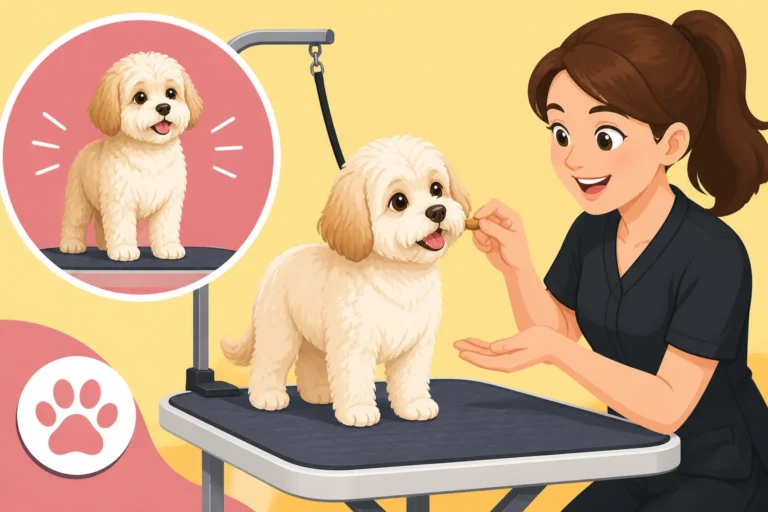
Socialization isn't a one-and-done event; it's an ongoing process throughout your Maltipoo's life. Even after the critical window closes, continuing to expose your dog to new experiences, places, and friendly faces helps maintain their adaptability and confidence. This includes handling them regularly, brushing their teeth daily, and getting them accustomed to things like nail trims and ear cleaning. A Maltipoo that is used to being handled will be much calmer at the vet or groomer.
If a Maltipoo doesn't get sufficient exposure, even a naturally outgoing puppy might become fearful or withdrawn. Conversely, a puppy that seemed a bit timid might flourish into a brave and friendly companion with consistent, patient socialization and positive reinforcement. Investing in good quality training treats and puzzle toys, which you can easily find on Amazon, can make these experiences even more positive and rewarding for your clever Maltipoo. Your influence on their daily life is ultimately more powerful than any early prediction.
Temperament Red Flags and What to Look For
While definitive prediction is challenging, a good breeder can certainly identify potential red flags that might indicate future behavioral challenges. Similarly, as a new owner, there are signs to look for that suggest a puppy might need extra support or a different kind of home.
Identifying Potential Issues
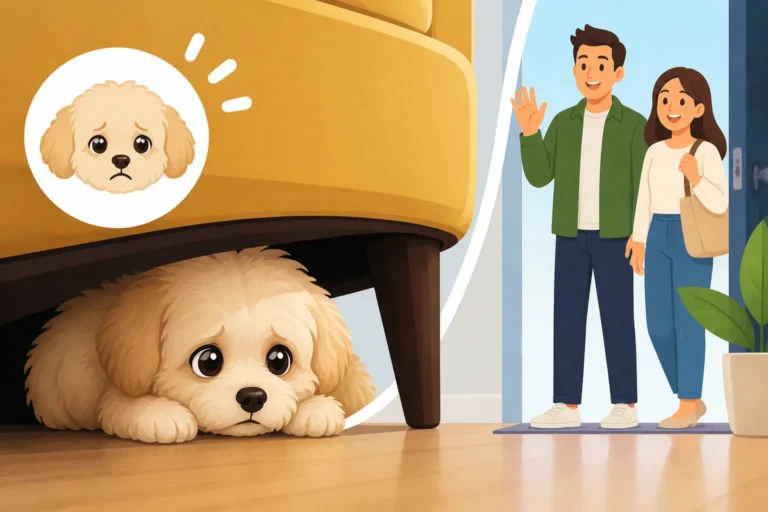
During your interactions with a breeder and their puppies, pay attention to extreme behaviors. A puppy that is excessively shy, cowering consistently, or showing fear aggression (snapping or growling when approached) is a red flag. While a little shyness can often be overcome with positive socialization, extreme fear suggests a deeper issue, potentially genetic or due to poor early environment. Similarly, a puppy that is overly aggressive with littermates, constantly bullying them, or showing resource guarding tendencies (guarding food or toys) warrants careful consideration.
A good breeder will be transparent about these observations. They might even try to guide you away from a puppy they feel might not be a good fit for a typical family home, or one that they know will require a highly experienced owner. They're not just trying to sell a puppy; they're trying to place each puppy in the best possible home. Always ask the breeder what they've observed about each puppy's individual personality, not just the litter as a whole. Pay attention to how the puppies react to the breeder themselves. Do they seem comfortable and happy? Or do they seem hesitant?
When to Trust Your Gut
Ultimately, choosing a Maltipoo puppy involves a lot of heart and a bit of instinct. Beyond what the breeder tells you and what you observe, trust your own gut feeling when you meet the puppies. Does a particular puppy gravitate towards you? Do you feel a connection? Sometimes, the "right" puppy isn't the one the breeder predicted would be perfect for you on paper, but the one you simply connect with.
While a breeder can give you an educated guess, based on lineage and early observations, the true character of your Maltipoo will be a beautiful collaboration between their genetic makeup, the breeder's foundational care, and most importantly, your dedication to nurturing, training, and loving them. It’s a journey, not a destination, and the unfolding of their unique personality is one of the greatest joys of Maltipoo ownership. Consider resources like Whether a Maltipoo Owner Can Do It Without a Trainer to prepare yourself for the rewarding journey ahead.
Here's a look at factors that influence a Maltipoo's character:
| Factor | Influence on Maltipoo Character | Predictability | Owner Control |
|---|---|---|---|
| Genetics | Inherited traits from Maltese (affection, stubbornness) and Poodle (intelligence, playfulness). Determines potential for certain health issues that can impact behavior (e.g., pain leading to irritability). | Low | None |
| Early Breeder Care | Exposure to various sights, sounds, and gentle handling in the first 8-12 weeks. Quality of maternal care and littermate interactions. Shapes initial confidence and resilience. | Medium | Limited |
| Socialization | Consistent positive exposure to people, places, sounds, and other dogs (once vaccinated) during critical developmental windows. Prevents fear, anxiety, and reactivity. | High | High |
| Training | Consistent application of positive reinforcement methods for obedience, manners, and problem-solving. Fosters a strong bond and helps the Maltipoo learn appropriate behaviors. | High | High |
| Environment | Calm vs. chaotic home, presence of children or other pets, consistency of routine, amount of exercise and mental stimulation. Directly impacts stress levels and adaptability. | High | High |
| Individual Temperament | Unique personality quirks that aren't easily categorized or predicted, even among littermates. Their inherent "spirit." | Low | None |
Remember, your Maltipoo's journey is a partnership. While a breeder gives them the best possible start, you're the one who guides them through life, helping their best qualities shine.
Disclaimer
This article is for general informational purposes only and does not constitute professional advice. Laws, prices and regulations vary by location and change over time. Consult a qualified professional for guidance on your specific situation.