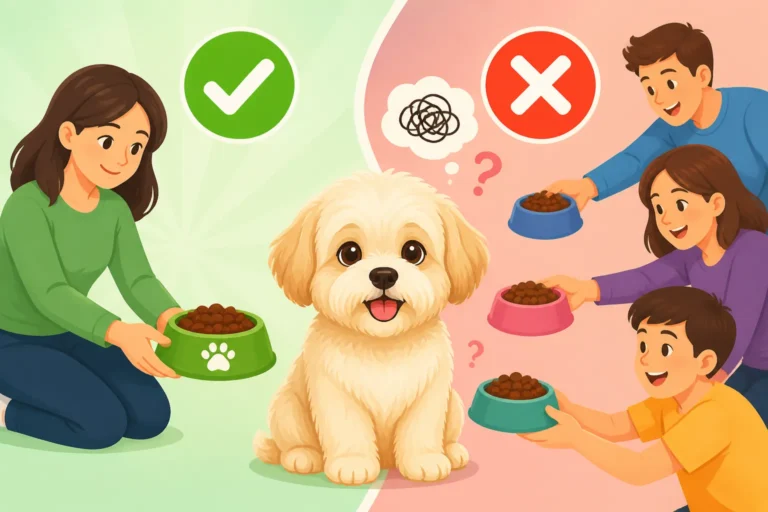
Whether a Maltipoo Holds It Out of Spite
Many Maltipoo owners have found themselves utterly baffled, wondering if their otherwise sweet little companion is deliberately holding their bladder, perhaps even out of spite, especially after an accident indoors right after a walk. It’s incredibly frustrating when you feel like your dog should know better, yet seems to choose not to comply, leaving you to clean up another mess. This guide will dive deep into canine behavior to explain why your Maltipoo isn't acting spitefully and, more importantly, shed light on the genuine reasons that might be behind their reluctance to potty, offering practical, empathetic solutions to help you both.
Why Your Maltipoo Isn't Acting Out of Spite
It’s a natural human tendency to project our own complex emotions onto our beloved pets. We see a puddle on the rug shortly after a perceived slight, and our minds jump to "spite" or "revenge." But canine psychology, while rich and intricate in its own ways, doesn't operate with such human-like malice.
Understanding Canine Motivation vs. Human Emotion
Dogs, at their core, are creatures of instinct, routine, and association. They respond to immediate consequences and learn patterns. They don't conceptualize long-term grudges or plan acts of defiance. When your Maltipoo has an accident indoors, or seems to be holding it in a way that confounds you, it's not because they're plotting against you. Instead, it’s almost always a clear signal of one of several things: confusion, anxiety, fear, an unmet physical need, or an underlying medical issue.
From your Maltipoo's perspective, they thrive on pleasing you and receiving positive attention. An indoor accident, especially if it leads to your frustration or a loud reaction, is typically distressing for them. They'd much rather avoid that negative interaction. If they are holding their bladder, it’s not because they are willfully stubborn or trying to punish you; it's because some barrier – physical, environmental, or psychological – is preventing them from relieving themselves when and where they should. They operate on a principle of what brings them comfort and rewards, and what causes discomfort or fear.
The Concept of "Retaliation" in Dogs
What owners often perceive as retaliation – like a dog peeing on your favorite cushion after being left alone for a few hours – is almost never an intentional act of spite. Instead, it's typically a direct manifestation of anxiety, stress, or even a simple lack of proper bladder control under specific, overwhelming circumstances. For example, a Maltipoo suffering from separation anxiety might urinate or defecate when feeling panicked and alone. This isn't a "punishment" for leaving them; it's a physiological response to intense distress, much like a human might feel nauseous or have a panic attack under severe stress.
Consider a tiny Maltipoo, with its inherently small bladder, left home alone for an extended period. They might try desperately to hold their bladder because they've learned that going inside leads to reprimand or disappointment from you. However, there comes a point where their physical capacity simply gives out. This isn't defiance; it's a physical limitation combined with a learned fear of consequences, putting them in an impossible situation. They're not "getting back at you" for your absence; they're genuinely struggling with an unmet need.
This understanding underscores the importance of consistent, positive housetraining. If your Maltipoo feels secure, understands clearly what's expected, and has ample opportunities to relieve themselves in the correct place, these "retaliatory" incidents will diminish significantly. They need clear guidance and empathy, not the assumption of human-level reasoning or malicious intent.
Common Reasons a Maltipoo Might Hold Its Bladder (or Have Accidents)
If your Maltipoo seems to be struggling with housetraining, it’s vital to look beyond the idea of spite and consider the very real, practical reasons behind their behavior.
Incomplete Housetraining
This is, overwhelmingly, the most common reason for housetraining difficulties. Maltipoos, especially the smaller or "teacup" varieties, have tiny bladders. They simply cannot hold their urine for as long as a larger breed dog. If their training isn't absolutely consistent, comprehensive, and tailored to their physical limitations, they're likely to revert to what feels natural: going whenever and wherever the urge strikes. Owners often underestimate the true duration and consistency required to fully housetrain a Maltipoo, often expecting perfection far too soon. Many tiny dogs are not reliably house trained until well past their first birthday.
You might believe your Maltipoo knows to go outside, but if the potty schedule isn't rigid, if the rewards for outdoor success aren't compelling enough, or if they've been given too much unsupervised freedom in the house too quickly, their learning is still in progress. A puppy's bladder capacity is small, and their sphincter control develops over time. Even a string of successes can be undone by one missed potty break or a confusing signal. It's a continuous learning process that requires immense patience and repetition.
It’s worth re-evaluating your housetraining methods. Were they always handsomely rewarded for going outside? Was every indoor accident cleaned with a high-quality enzymatic cleaner (available on Amazon, for example) to completely neutralize the odor, preventing them from being attracted back to the same spot? Did they have appropriate supervision or confinement (like a crate or playpen) to prevent mistakes in the first place? Sometimes, a comprehensive refresher, treating them as if they're starting from scratch, is the most effective approach. For more on this, check out How Many Months Before a Maltipoo Stops Having Accidents.
Environmental Factors
The great outdoors isn't always a welcoming place for a delicate Maltipoo. Rain, snow, extreme cold, or even strong winds can make going outside a truly unpleasant and even uncomfortable experience. Maltipoos shiver easily, and stepping onto wet or freezing surfaces can be a shock to their sensitive paws. If the designated potty spot is dark, noisy, perceived as unsafe (perhaps a large, scary dog barked at them there once), or exposed, your Maltipoo might try to hold it, hoping for a better opportunity, until they can no longer physically cope and are forced to relieve themselves indoors.
Imagine being a tiny, thinly-coated Maltipoo, weighing only a few pounds, being asked to venture out into a blustery winter storm with icy rain or deep snow. It's an intimidating, uncomfortable, and potentially frightening experience. They might attempt to hold their bladder, hoping the weather will improve, or try to rush through a quick squat, but if the conditions are too overwhelming, they'll inevitably have an accident inside where it’s warm and dry. This reluctance stems from discomfort and self-preservation, not a calculated act of defiance. This is a common issue covered in The Maltipoo That Refuses to Go Outside in the Wet.
To help, consider creating a more appealing and sheltered outdoor potty area. A small overhang, a designated patch of artificial turf under a canopy, or even a covered area of your patio can make a huge difference. During severe weather, a warm coat or booties can provide essential comfort. For some very tiny or sensitive dogs, an indoor potty solution like a grass patch might be a temporary necessity during extreme conditions, although it's crucial to ensure this doesn't confuse their outdoor training.
Medical Conditions
This is a critical factor and should always be investigated first if housetraining suddenly regresses or new accidents begin. A urinary tract infection (UTI), bladder stones, kidney issues, diabetes, or even pain from an orthopedic condition like luxating patellas (slipping kneecaps) can all cause a Maltipoo to have accidents or struggle to hold their bladder. For instance, arthritis or joint pain might make it uncomfortable or painful to squat or walk to their designated potty spot, leading them to relieve themselves wherever they happen to be. A sudden increase in urination frequency, straining, visible discomfort, or changes in urine color or smell warrant an immediate visit to your veterinarian.
Your Maltipoo's small size can also predispose them to certain health issues that directly impact bladder control. Sometimes, a bladder might be anatomically small, or there could be a congenital anomaly. Never assume a sudden change in potty habits is purely behavioral; rule out health issues first. A quick check-up, which might include a urine sample or blood tests, can pinpoint the problem and save your dog from unnecessary suffering and you from ongoing frustration.
If you observe any changes in their urination, don't delay a veterinary consultation. What might appear as a stubborn training problem could be an urgent medical matter requiring prompt treatment. Conditions like The Liver Shunt a Maltipoo Can Inherit From the Maltese or other systemic diseases can sometimes have an impact on urination patterns. A comprehensive vet check, including laboratory tests, is always the essential first step when a housetrained dog suddenly starts having accidents. For more on preventative care, consider The Yearly Checks a Maltipoo Should Get.
Anxiety and Stress
Just like people, dogs experience stress and anxiety, and for many, these emotions manifest as changes in their elimination habits. Major life changes such as moving to a new home, a significant shift in daily routine, the addition of a new family member (human or animal), separation anxiety, or even chronic exposure to loud, frightening noises can trigger house soiling. A Maltipoo who is feeling anxious might be too stressed or distracted to fully empty their bladder when outside, leading to accidents later, or they might simply lose control when overwhelmed indoors.
Consider a Maltipoo struggling with Whether a Maltipoo Copes With an Empty House. If they are left alone for excessively long periods, the stress and loneliness can be immense. They are not merely "bored"; they are genuinely distressed, and this emotional state can directly lead to accidents. This isn't a sign of defiance; it's a profound cry for help. The accidents are a symptom of their underlying emotional struggle, not a deliberate act of annoyance.
Identifying the specific source of anxiety is crucial. Is it related to being alone, loud noises, or recent changes in their environment? Once you identify the stressor, you can implement strategies to mitigate it, potentially with the guidance of a professional trainer or your vet. Providing mental stimulation, a safe "den" area, or even calming supplements (after veterinary consultation) can sometimes make a significant difference. A predictable and consistent daily routine can also offer comfort and reduce anxiety-induced accidents.
Marking Behavior
While not directly "holding it out of spite," marking is a distinct behavior often mistaken for general housetraining issues, and it certainly contributes to indoor urination. Unneutered male Maltipoos are particularly prone to marking territory, but spayed females can also engage in marking, especially in multi-pet households or when exposed to new smells or environments. Marking is a form of territorial communication, typically involving small amounts of urine sprayed on vertical surfaces, and is driven by instinct, not anger.
If your Maltipoo is leaving small puddles or sprays in various strategic spots around the house, particularly on furniture legs, doors, or corners, this might indicate marking behavior rather than a full-blown bladder accident. This differs from emptying a full bladder due to an inability to hold it. Neutering can often significantly reduce marking in males, but it's not a guaranteed solution for all dogs. Behavioral training specifically aimed at addressing underlying territorial instincts or anxiety can also be necessary.
You might notice an increase in marking when new visitors come over, or if they detect the scent of another animal. Thoroughly cleaning these spots with an enzymatic cleaner is essential to eliminate residual odors that attract them back. Restricting access to frequently marked areas can also help to break the habit. This behavior is rooted in instinct and communication, not a desire to frustrate or inconvenience you.
Strategies to Address Housetraining Challenges
Once you’ve ruled out medical conditions with your veterinarian, it’s time to implement a structured plan to address any behavioral or environmental factors contributing to your Maltipoo’s housetraining struggles.
Re-establishing a Solid Potty Schedule
Consistency is absolutely paramount when it comes to housetraining. Take your Maltipoo out frequently – probably more often than you think they need. For a puppy, this might mean every hour or two, immediately after waking up from a nap, within 10-15 minutes of eating or drinking, after a play session, and definitely right before bed. For an adult Maltipoo, every 3-4 hours is a good baseline, but some small dogs may need more frequent breaks. Always use a consistent verbal cue like "potty time!" or "go outside!" to help them associate the phrase with the action. The moment they finish relieving themselves, offer enthusiastic praise and a high-value treat immediately.
Crate training can be an incredibly effective tool here, as dogs naturally prefer not to soil their sleeping area. Ensure the crate is appropriately sized – just enough room for them to stand up, turn around, and lie down comfortably, but not so large that they can potty in one corner and sleep in another. When they come out of the crate, the very first thing you do is take them directly outside to their designated potty spot. This leverages their natural instinct for cleanliness and teaches them to hold it until they are in the correct place. Wire crates with dividers are widely available on Amazon and allow the crate to be adjusted in size as your puppy grows.
Stick to this schedule rigorously, even on days when you’re home all day. If you work long hours, it's essential to arrange for a trusted dog walker or have a family member come home for a midday potty break. A tiny Maltipoo cannot hold its bladder for an entire workday (8+ hours) without discomfort and inevitable accidents. Online training programs like BAXTER & Bella offer comprehensive resources and support for establishing effective potty routines and troubleshooting common challenges, which can be invaluable for busy owners. Remember, patience is key, as Why Housetraining a Maltipoo Takes Longer Than You Expect is a very common experience for owners of this breed.
Making the Outdoor Potty Spot Appealing
Sometimes, the issue isn't if your Maltipoo will go, but where or under what conditions. You need to ensure their outdoor potty spot is safe, easily accessible, and as pleasant as possible. Clear away snow, ice, or excessive leaves. If it’s raining, cold, or windy, stand out there with an umbrella and a warm coat for both you and your dog. Make every outdoor potty trip a calm, positive experience.
If your Maltipoo is hesitant due to adverse weather, consider creating a designated, sheltered spot. A small canopy over a patch of grass or a covered section of your porch can provide much-needed protection from the elements. If they are prone to getting cold, a comfortable sweater or dog coat can help them feel more at ease during their outdoor excursions. The goal is to remove any environmental deterrents that make going outside an undesirable experience.
Ensure the area is clean and free of distractions. Dogs generally prefer to relieve themselves in a clean spot, so regularly cleaning up after them is important. Avoid scolding them if they are slow to potty; instead, remain patient and reward them enthusiastically the moment they finish. This builds a strong, positive association with the outdoor potty location.
Positive Reinforcement and Rewards
This approach is the absolute cornerstone of all effective dog training, especially for housetraining. When your Maltipoo successfully potties outside, immediately offer enthusiastic verbal praise ("Good potty!") and a highly coveted, small, soft treat. The timing of this reward is critical – it needs to happen within one to three seconds of them finishing the act, so they clearly associate the reward directly with relieving themselves in the correct spot. This consistency builds a powerful, positive association with outdoor elimination.
It is crucial to avoid punishment for indoor accidents. Scolding, yelling, or, worst of all, rubbing their nose in an accident, only teaches your Maltipoo to fear you and to hide their accidents, which makes them less likely to tell you when they need to go out. They won't understand why they're being punished, only that your reaction is scary and unpredictable. Focus entirely on rewarding the desired behavior instead.
If you catch your Maltipoo in the act of having an accident indoors, calmly interrupt them with a gentle clap or a soft "uh-oh," immediately pick them up (without scolding), and swiftly carry them outside to their designated potty spot. Wait patiently. If they finish outside, then shower them with praise and treats. If they don't, bring them inside and supervise them closely, trying again in a few minutes. This helps them understand the difference between acceptable and unacceptable potty locations.
Addressing Underlying Medical Issues
As emphasized earlier, a trip to the veterinarian is paramount if you suspect a medical reason for the accidents or if there has been a sudden change in your Maltipoo's housetraining reliability. Do not delay this visit. Your veterinarian can perform a thorough physical examination, collect a urine sample for analysis, and potentially run blood tests to rule out common culprits like urinary tract infections (UTIs), bladder stones, kidney disease, diabetes, or even pain from an orthopedic issue that makes squatting difficult.
Be as open and detailed as possible with your vet about the frequency and timing of accidents, any observed changes in urine (color, smell, amount), and any other behavioral or physical symptoms you might have noticed. This comprehensive information is vital for an accurate diagnosis. What might seem like a minor detail to you could be a significant clue for the veterinarian.
Remember, early detection and treatment are always in your Maltipoo's best interest. A simple course of antibiotics can quickly resolve a UTI, whereas prolonged issues can lead to more serious health complications. This is why thorough routine health checks, such as What a Maltipoo's First Vet Visit Should Include, are so important throughout their lives.
Managing Anxiety
If anxiety or stress is identified as the primary root cause of your Maltipoo’s housetraining issues, then you must directly address the underlying stressor. For separation anxiety, for instance, you'll need to work on gradually increasing the time your Maltipoo is left alone, starting with very short periods. Provide them with engaging mental stimulation and long-lasting chew toys before you depart. Establishing a consistent, calming routine before you leave and upon your return can also help to ease their distress.
Consider creating a safe, cozy, den-like space for your Maltipoo – perhaps their crate covered with a blanket, or a small, quiet room – where they feel secure and can retreat. Products like DAP (dog appeasing pheromone) diffusers or certain calming supplements (always consult your vet first) might offer some relief. If the anxiety is severe and debilitating, your veterinarian might discuss short-term behavioral medication as an aid, always in conjunction with a robust training and behavior modification plan.
Online training resources, such as the BAXTER & Bella online puppy school, often feature dedicated modules designed to help owners tackle separation anxiety and other stress-related behaviors. These programs provide structured exercises, expert guidance, and community support to help build your Maltipoo's confidence and reduce anxiety-driven accidents.
When to Seek Professional Help
There are times when even the most dedicated owners need to call in the experts. Don't view this as a failure, but as a commitment to your Maltipoo's well-being.
Consulting Your Veterinarian
If you've diligently tried all the above strategies and your Maltipoo’s housetraining problems persist, or if there's any sudden, unexplained change in their potty habits, a comprehensive trip to the veterinarian is absolutely non-negotiable. Your vet is your first line of defense for ruling out any medical issues. A thorough physical examination, a complete blood panel, and a urinalysis can identify underlying conditions that could be causing or contributing to the problem.
Sometimes, what appears to be a frustrating behavioral issue is entirely medical in origin. Your vet can provide specific advice tailored to your Maltipoo's individual health profile and may recommend dietary adjustments or specific medications if a health condition is diagnosed. Furthermore, if the problem is determined to be a complex behavioral issue rather than purely physical, your vet can provide a referral to a board-certified veterinary behaviorist.
It’s important not to feel embarrassed or guilty about persistent potty problems; they are a surprisingly common struggle, and your veterinarian has undoubtedly seen and helped with similar cases many times. Their primary goal is to ensure the health and happiness of both you and your Maltipoo.
Working with a Certified Professional Dog Trainer
Once all potential medical issues have been thoroughly ruled out by your vet, engaging a certified professional dog trainer or a veterinary behaviorist can be an invaluable next step. These professionals can observe your Maltipoo's behavior in your home environment, assess your current training methods, and help you implement a tailored, effective training plan. They possess a deep understanding of canine learning theory and can often spot subtle cues or environmental factors that you might be inadvertently overlooking.
A reputable trainer will always utilize positive, force-free methods, focusing on rewarding desired behaviors and skillfully managing the environment to prevent mistakes, rather than punishing your Maltipoo for accidents. They can help refine your communication with your dog, making your expectations clearer and boosting your Maltipoo's confidence around housetraining. This is particularly beneficial if your Maltipoo has developed any anxiety or apprehension around going potty.
Additionally, a trainer can assist in addressing any associated behavioral issues, such as separation anxiety or marking, which frequently accompany housetraining challenges. Investing in professional guidance can often lead to a much faster and more effective resolution of persistent issues than if you were to continue struggling alone, ultimately leading to a happier, cleaner household for everyone involved. For consistent support and ongoing resources, online training platforms like BAXTER & Bella can also provide a structured curriculum and access to trainers for personalized advice.
| Perceived "Spiteful" Behavior | Actual Underlying Reason | What Your Maltipoo is Really Experiencing |
|---|---|---|
| Pees on carpet after being left alone | Separation anxiety, physical inability to hold bladder, incomplete housetraining | Distress, panic, physical discomfort due to a full bladder, or confusion about appropriate potty spots when alone. |
| Has an accident right after being told off | Fear, misunderstanding of rules, submissive urination | Fright, confusion about why they are being reprimanded; may urinate as an involuntary submissive gesture to de-escalate perceived threat. |
| "Holds it" during a walk, then pees indoors | Discomfort with outdoor conditions, fear of outdoor environment, medical issue | Cold, wet, fear of loud noises/strangers outside; unable to empty bladder fully due to distraction or pain when squatting. |
| Ignores potty pads, goes elsewhere | Inconsistent training, lingering scent of previous accidents, preferred surface | Confusion about where the actual potty spot is, or a strong preference for a different surface texture (e.g., soft carpet over smooth pad). |
| Marks territory indoors | Hormonal influence, strong territorial instinct, anxiety over new scents/pets | An instinctive desire to communicate presence or claim space, insecurity, or a natural biological drive (often reduced by spay/neuter). |
Remember, your Maltipoo loves you unconditionally and truly wants to please you. When things go wrong with housetraining, it’s a clear signal that something isn't quite right in their world or their understanding of your expectations, not a personal attack. With patience, deep understanding, and sometimes the right professional help, you can absolutely get your furry friend back on track and enjoy a harmonious home together.
Disclaimer
This article is for general informational purposes only and does not constitute professional advice. Laws, prices and regulations vary by location and change over time. Consult a qualified professional for guidance on your specific situation.