A Maltipoo That Will Not Toilet in the Rain
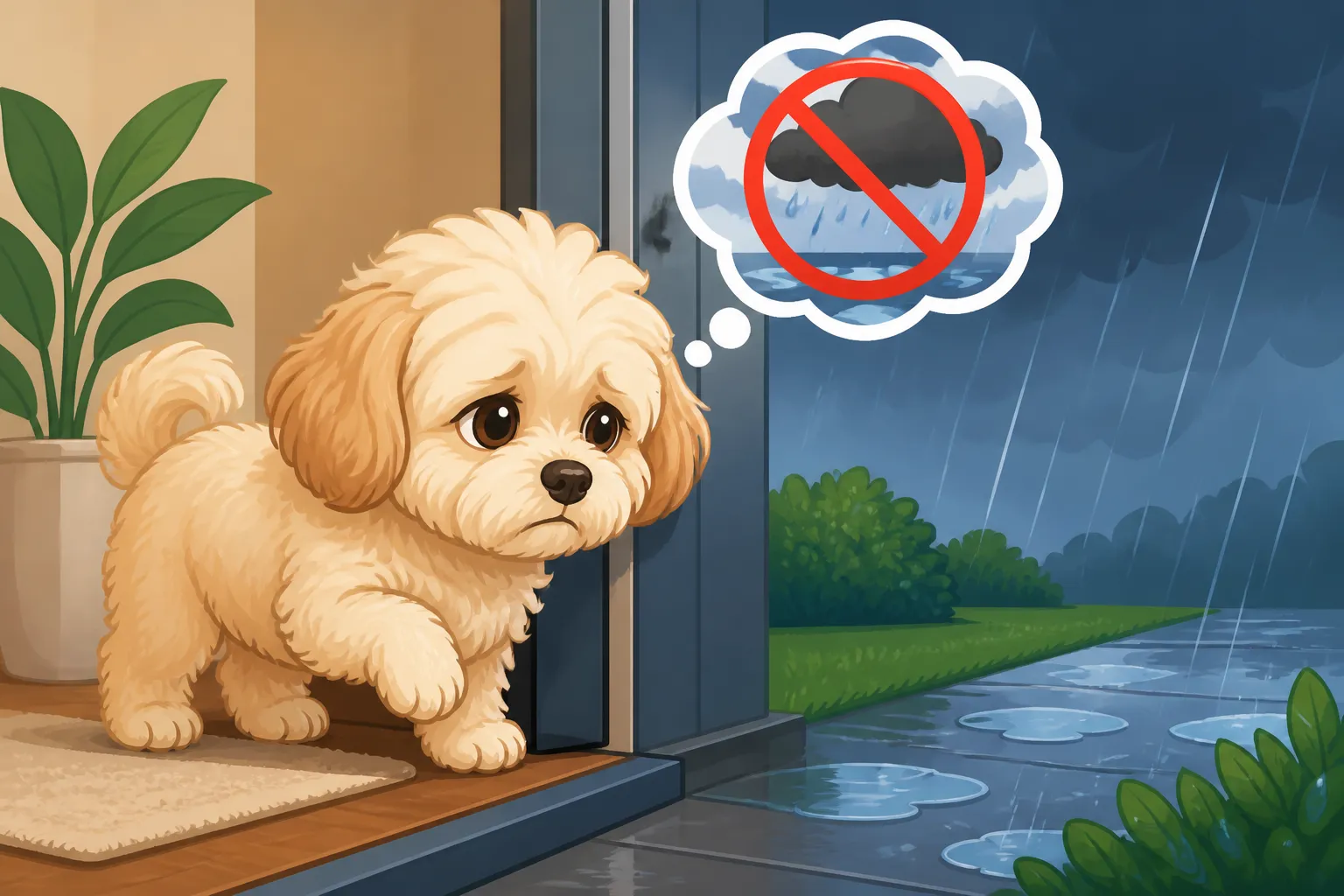
It's a frustrating, all-too-common scenario for Maltipoo owners: you open the door, your sweet little fluffball takes one look at the drizzle or downpour, and then gives you that look—the one that says, "Absolutely not." Suddenly, your meticulously planned potty break becomes a standoff in the doorway, leaving you wondering if your precious Maltipoo will ever brave the elements. This guide is here to unravel the mystery of why your Maltipoo might refuse to toilet in the rain and provide actionable strategies to help them, and you, overcome this soggy hurdle.
Understanding Your Maltipoo's Rain Aversion
When your Maltipoo balks at the rain, it’s rarely out of malice or stubbornness. More often, it stems from a genuine discomfort or an acquired aversion that makes going outside in wet weather a deeply unpleasant experience for them. Understanding these root causes is the first step toward finding a solution.
Their Delicate Size and Coat
One of the most significant factors is simply a Maltipoo's physical makeup. These are small dogs, often weighing just a few pounds, and they lose body heat much faster than larger breeds. Imagine stepping out into a cold shower when you're already tiny and delicate—it's a truly chilling thought for them. A quick sprinkle for a larger dog can feel like a drenching downpour for a Maltipoo, soaking them to the skin almost instantly.
Their beautiful, non-shedding coat, while wonderful for allergy sufferers, also acts like a sponge, holding onto moisture. This means they don't just get wet; they stay wet, leading to prolonged coldness and discomfort. Their little paws get cold and muddy, and the sensation of wet grass or pavement can be genuinely startling or even painful if it's too cold. It's not just about getting damp; it's about being thoroughly chilled and uncomfortable in an environment that feels overwhelming for their small stature.
Learned Behavior and Owner Reactions
Sometimes, a Maltipoo's reluctance to go out in the rain can become a learned behavior, often inadvertently reinforced by us, their loving owners. Think back to early puppyhood. Did you perhaps rush them inside the moment a raindrop fell, or did your own visible sigh of exasperation signal that rain was a "bad" thing? Puppies are incredibly adept at picking up on our cues, even subtle ones. If every rainy outing was short, hurried, or accompanied by your own negative energy, your Maltipoo might have started associating rain with stress or a quick retreat.
Moreover, if they've had an experience where they got truly soaked and then had to shiver inside for a while, it creates a powerful negative association. They learn that rain equals discomfort, and they might rather hold their bladder than face that unpleasantness again. It's a delicate balance because we want to protect them from the cold, but we also need them to learn that potty time happens regardless of the weather. This kind of learned avoidance can be tricky to undo, but it's far from impossible.
Negative Associations with Wet Weather
Beyond just getting cold, Maltipoos can develop specific negative associations with wet weather that go deeper than simple discomfort. The sound of heavy rain on a roof or patio cover can be startlingly loud to their sensitive ears. Thunder, even distant rumbles, can be terrifying. Even the smell of rain—the petrichor—can change the outdoor environment enough to make it feel unfamiliar or threatening to a small dog that relies heavily on its senses.
They might also associate rainy days with less outdoor playtime, fewer walks, and generally more indoor confinement, which can contribute to a subtle sense of unhappiness or anxiety. If their previous experiences in the rain involved slipping on wet pavement, being splashed by a passing car, or getting their delicate ears filled with water, these incidents can create lasting fears. For many small dogs, the world feels bigger and scarier when it's dark and wet, and their natural instinct is to seek safety indoors.
Creating a Sheltered Outdoor Potty Haven
Since we can't control the weather, our best strategy is to create an environment that makes potty time in the rain as comfortable and appealing as possible for our Maltipoo. Think of it as building a little five-star doggy resort for inclement weather.
Constructing a Covered Potty Area
The most effective way to combat rain aversion is to provide a designated potty spot that is entirely protected from the elements. This doesn't have to be an elaborate structure; even a simple solution can make a huge difference. A small, dedicated awning over a patch of grass or pea gravel in your yard is ideal. You could also utilize a covered porch or patio, designating a specific corner for potty breaks. The key is that your Maltipoo can go outside, do their business, and stay completely dry.
Consider options like a large, sturdy outdoor umbrella that can be anchored securely, a small pop-up canopy designed for camping (many are surprisingly robust), or even a custom-built lean-to if you're handy. The goal is to keep the rain off their head, back, and paws. Make sure the ground underneath is absorbent and drains well, so it doesn't become a muddy mess itself. This might mean laying down a patch of artificial turf specifically designed for dog use, or a bed of fine gravel. Whether a Covered Potty Spot Helps a Maltipoo directly addresses how vital this protection can be.
Comfort Measures for Wet Conditions
Beyond just keeping them dry, think about other creature comforts that can make the experience more pleasant. On colder, rainy days, consider a small, lightweight doggy raincoat or a tiny sweater to help them retain body heat. This isn't just a fashion statement; for a Maltipoo, a coat can be a crucial barrier against the chill and damp. Look for waterproof options that cover their back and belly effectively. You can find many suitable options on Amazon, making it easy to prepare for any weather.
Once they've done their business, have a soft, absorbent towel waiting just inside the door for a quick pat-down. Gently dry their paws and belly to remove any stray moisture. If they get really wet, a quick blow-dry on a low, cool setting can prevent them from shivering. The less time they spend feeling cold and damp, the faster they'll forget the unpleasantness of the rain. Making the post-potty ritual warm and comforting reinforces a positive association with going outside.
Making the Area Appealing
The covered potty area should be more than just dry; it should be inviting. Keep it clean and free of debris. If you're using artificial turf or a dog litter box system, ensure it's regularly cleaned to prevent odors. You might place a small, waterproof mat or a few flat stepping stones under the cover to give them a clear, dry path to their spot. Some Maltipoos are particular about where they eliminate, so experimenting with different surfaces (grass, turf, pea gravel) within the covered area might be helpful.
You can also make the area appealing by associating it with positive things. Bring a favorite toy out with you (briefly, after they've done their business) or offer a special, high-value treat only when they've successfully toileted in the rain-protected spot. The more positive experiences they have in this area, the more likely they are to go there willingly, regardless of the weather outside the cover. Remember, consistency in making this spot their "happy place" is key.
Here's a quick comparison of covered potty area options:
| Option | Pros | Cons | Best For |
|---|---|---|---|
| Small Awning | Permanent, sturdy, blends with house. | Installation can be complex/costly. | Dedicated, long-term outdoor spot. |
| Large Umbrella | Portable, relatively easy to set up. | Less sturdy in high winds, less coverage. | Temporary solution, small patio/deck. |
| Pop-up Canopy | Good coverage, easy to move/store. | Can be flimsy, may need anchoring. | Renters, occasional use, larger outdoor space. |
| Covered Porch Corner | Already exists, natural shelter. | May be too close to house entrance, limited space. | Existing covered areas, quick access. |
| Small Dog House/Run | Excellent protection, self-contained. | Can be bulky, more costly, training needed. | Yards with space, comprehensive shelter. |
Training Strategies for Reluctant Rain-Pottyers
Beyond creating the right environment, specific training techniques are crucial to help your Maltipoo overcome their rain aversion. It's all about patience, positive reinforcement, and clear communication.
Positive Reinforcement and High-Value Rewards
This is the cornerstone of all effective dog training, and it's especially important for a sensitive Maltipoo. When your dog successfully toilets in the designated outdoor spot, especially during rainy weather, celebrate like they've won the lottery! Use enthusiastic praise ("Good potty!"), a happy tone of voice, and immediately offer a high-value treat. This isn't just any treat; it should be something they absolutely adore—think tiny pieces of cooked chicken, cheese, or a specialized soft training treat. This intense positive reward reinforces the idea that "potty in the rain" is a fantastic, rewarding behavior.
Avoid scolding or showing frustration if they don't go. A negative reaction will only make them more anxious and less likely to try next time. If they refuse to go, calmly bring them back inside for 10-15 minutes, then try again. Repeat this cycle until they succeed, and then reward heavily. The BAXTER & Bella online puppy school emphasizes these positive, reward-based methods for all aspects of training, and it's particularly effective for building confidence in sensitive dogs facing new challenges.
Scheduled Potty Breaks, Rain or Shine
Consistency is paramount when house-training a Maltipoo, and that doesn't stop just because it's raining. Building a Toilet Schedule Around a Maltipoo's Bladder is essential. Stick to a strict schedule of outdoor potty breaks, regardless of the weather. If your Maltipoo typically goes out first thing in the morning, after meals, before bed, and every few hours in between, maintain that schedule even on the wettest days. This teaches them that potty time is non-negotiable and happens at specific intervals.
During rainy periods, you might even need to increase the frequency of potty breaks, as they may try to hold it longer, increasing the risk of accidents inside. Take them out on a leash to their designated covered spot every 1-2 hours initially, especially if they are a puppy or prone to accidents. The more opportunities they have to succeed in the rain-protected area, the quicker the habit will form. Remember, the goal is to make the outdoor potty routine so ingrained that the presence of rain becomes less significant.
Using Specific Cues and Routines
Develop a clear, consistent routine for rainy day potty breaks. This could involve using a specific leash, a particular raincoat, and a unique verbal cue like "Rainy Potty" or "Go Outside." The more predictable you make the process, the less anxious your Maltipoo will be. Always go out with them on a leash, even if you have a fenced yard, to guide them directly to their covered potty area. Standing outside with them, patiently waiting, shows them it's a priority and provides comfort.
Once they've done their business, offer the praise and high-value treat, then immediately bring them back inside. This teaches them that the purpose of going out in the rain is specifically for toileting, not for playtime. If they associate going outside in the rain with just a quick, rewarding potty break followed by the comfort of indoors, they'll be much more willing to participate. This direct approach helps circumvent any lingering fears or discomforts associated with the overall wet environment.
Indoor Potty Options as a Last Resort
While encouraging outdoor toileting in all weather is the ideal, there might be situations where an indoor option becomes a necessary fallback for your Maltipoo, especially during extreme weather or if progress is slow.
Potty Pads and Artificial Grass
For Maltipoos who absolutely refuse to go out in a downpour, or for very young puppies who haven't mastered bladder control, indoor potty pads or artificial grass patches can be lifesavers. Place these in a consistent, easily accessible spot, preferably away from their feeding and sleeping areas. Training them to use these indoors involves the same positive reinforcement techniques: praise and treat immediately when they use the pad.
It's important to understand the potential downsides, however. Whether Pads Confuse a Maltipoo Permanently is a common concern among owners. Some dogs become so accustomed to pads that they resist transitioning back to outdoor-only toileting. If you use pads as a temporary solution, make sure to continue regular outdoor attempts in the covered area whenever possible, even if they're short. Gradually reduce the availability of the indoor pads as your Maltipoo gains confidence with the outdoor spot.
Enclosed Indoor Potty Solutions
Beyond simple pads, there are more sophisticated indoor potty solutions available. These often feature artificial grass over a collection tray, sometimes with an absorbent pad beneath, to simulate an outdoor potty experience more closely. Some even include small fences or enclosures to give your Maltipoo a sense of privacy. Brands like PetSafe offer various indoor relief systems that can be a good intermediate step.
These enclosed systems can be particularly helpful for Maltipoos living in apartments or homes without easy access to a covered outdoor area. They offer a sanitary and contained solution that can prevent accidents while you work on outdoor training. Just like with pads, the key is consistency in placement and rewarding successful use. Think of these as a bridge, not necessarily a permanent destination, unless your living situation truly requires it.
Transitioning if Rain Aversion Improves
If you've been relying on indoor potty solutions, but your Maltipoo starts showing signs of increased confidence with the outdoor covered area, it's time to begin the transition. Gradually move the indoor potty system closer to the outdoor door, then eventually just outside the covered area itself. This slowly reintroduces the idea of outside toileting.
As your Maltipoo becomes more comfortable, try taking them directly to the outdoor covered spot first for every potty break. If they succeed, reward heavily and immediately bring them inside. Only after repeated outdoor successes should you remove the indoor option completely. This gradual weaning process helps prevent confusion and setbacks. Remember, the goal is to have a dog who understands that the primary place for toileting is outside, even if the weather isn't perfect.
Maintaining Consistency and Patience
Overcoming a Maltipoo's rain aversion isn't a quick fix. It requires consistent effort, boundless patience, and a deep understanding of your dog's perspective. It’s a journey, not a sprint, and there will be soggy days and accidental puddles along the way.
The Importance of Routine
We've touched on routine before, but it bears repeating: for a Maltipoo, routine is comfort, security, and predictability. Dogs thrive on schedules, and a consistent potty routine, regardless of the weather, helps cement the expectation. Take your Maltipoo out at the same times every day: first thing in the morning, after every meal, before naps, after waking from naps, before bed, and before you leave the house. Small breeds like Maltipoos often have smaller bladders, so frequent trips are especially crucial. How Often a Maltipoo Puppy Needs Taking Out and How Long a Maltipoo Puppy Holds It Overnight highlight just how important a strict schedule is.
On rainy days, adhere to this schedule even more rigorously. Don't wait for your Maltipoo to signal; simply take them out to their covered spot. The more consistently you present the opportunity in the desired location, the more likely they are to eventually use it. If you waiver, or if you skip rainy day trips, you reinforce their belief that they only have to go out when it's sunny, undoing all your hard work.
Avoiding Punishment and Frustration
It's easy to get frustrated when your Maltipoo has an accident indoors after refusing to go out in the rain. However, expressing anger or punishing them will be counterproductive. Maltipoos are sensitive dogs; yelling or scolding them after an accident will only teach them to be afraid of you and to hide their accidents, making house-training even harder. They won't connect the punishment to the act of peeing indoors, but rather to your reaction.
Instead, if you find an accident, simply clean it up thoroughly with an enzymatic cleaner (like those found on Amazon) to eliminate odors that might attract them back to the same spot. If you catch them in the act, a sharp "No!" followed by immediately taking them to their designated outdoor spot can be effective, but only if you catch them in the very moment. Otherwise, just clean it up and reaffirm your commitment to the routine. Your patience is their best teacher.
Seeking Professional Help
If you've diligently tried all these strategies and your Maltipoo is still struggling severely with rain aversion, or if you're dealing with excessive indoor accidents, it might be time to seek guidance from a professional dog trainer or a veterinary behaviorist. Sometimes, what appears to be simple stubbornness can actually be rooted in anxiety, a fear of specific sounds (like heavy rain or thunder), or an underlying medical issue. Whether a Urinary Infection Explains a Maltipoo's Accidents is a crucial consideration before labeling it purely behavioral.
A professional can observe your Maltipoo's behavior, identify specific triggers, and develop a customized training plan. They can offer insights into canine body language you might be missing and help you implement more advanced desensitization or counter-conditioning techniques. Online resources, like those offered by BAXTER & Bella, can also provide structured guidance and support for complex training challenges, connecting you with experienced trainers who can help you navigate these issues effectively. Don't be afraid to ask for help; it shows you're committed to your Maltipoo's well-being.
Disclaimer
This article is for general informational purposes only and does not constitute professional advice. Laws, prices and regulations vary by location and change over time. Consult a qualified professional for guidance on your specific situation.