Building a Toilet Schedule Around a Maltipoo’s Bladder
One of the most common and often frustrating challenges new Maltipoo owners face is house training. It can feel like an endless cycle of accidents, tiny puddles, and constant vigilance, leaving you wondering if your sweet little fluffball will ever get it. The truth is, Maltipoos, particularly as puppies, have incredibly small bladders that simply cannot hold much, making a structured and realistic toilet schedule absolutely crucial for success. This guide is going to walk you through exactly how to build that schedule, understand your Maltipoo's unique needs, and finally achieve a reliably house-trained companion, saving you a ton of stress and endless clean-ups.
The Tiny Truth About Your Maltipoo's Bladder
Let's be honest, Maltipoos are adorable, but their small size comes with some very real biological considerations, especially when it comes to their plumbing. It's not a matter of stubbornness when your little one has an accident indoors; it's often a matter of pure physical capacity. Understanding this fundamental truth is the first step to setting realistic expectations and creating an effective training plan.
Why Small Dogs Have Small Bladders (and Big Needs)
It might seem obvious, but it's worth emphasizing: a small dog has a small bladder. There's just less physical space inside a Maltipoo's tiny body compared to, say, a Labrador. This means they physically cannot hold their urine for long periods. A Maltipoo puppy, especially one under six months old, might only be able to hold it for an hour or two at best when awake and active. Expecting them to go longer is simply asking the impossible and will only lead to frustration for both of you. Think of it like this: if you drank a full glass of water, how long could you comfortably hold it before needing to find a restroom? Now imagine if your bladder was the size of a thimble. That's essentially what your Maltipoo is dealing with. They need frequent, consistent opportunities to relieve themselves, or accidents are virtually guaranteed. It's less about training and more about management and physiological reality at this stage.
How Age Affects Bladder Control in Maltipoos
The ability to hold urine develops over time, just like in human babies. A very young Maltipoo puppy, say 8 to 12 weeks old, has almost no bladder control. Their muscles and nervous system are still developing. As they mature, typically around 4 to 6 months of age, their bladder muscles strengthen, and they gain more conscious control over when they go. However, even an adult Maltipoo, especially smaller ones, won't have the same holding capacity as a larger breed. For a Maltipoo, reaching a point where they can consistently hold it for 4-6 hours during the day is a huge milestone. Overnight is a different story, as their metabolism slows during sleep. You might be wondering How Long a Maltipoo Puppy Holds It Overnight, and the answer really depends on their age and individual development, but early on, waking up for a potty break is often a necessity. Senior Maltipoos might also experience a decline in bladder control, requiring more frequent trips outside. It's a journey from infancy through old age, with different expectations at each stage.
Recognizing Your Maltipoo's Potty Signals
Your Maltipoo, despite not speaking English, will try to tell you when they need to go. Learning to recognize these subtle cues is paramount to preventing accidents. Common signals include sniffing around intensely, circling, pacing, whining, going to the door, or suddenly stopping play to look preoccupied. Some Maltipoos might even sit or stand by the door, or perhaps give a little bark. The key is to be observant, especially during transition times like waking up, after eating, after drinking, and after playtime. If you see any of these signs, don't wait – scoop them up (if they're small enough) or lead them outside immediately. Every successful trip outside reinforces the desired behavior, and every indoor accident is a missed opportunity to teach them where they should go. It takes a lot of active participation on your part to catch these signals before it's too late.
Crafting the Perfect Potty Schedule for Your Maltipoo
Building a toilet schedule isn't about rigid rules that stress everyone out; it's about establishing a predictable routine that works with your Maltipoo's natural rhythms and small bladder capacity. Consistency is your biggest ally here, especially in the early days.
Establishing a Consistent Routine from Day One
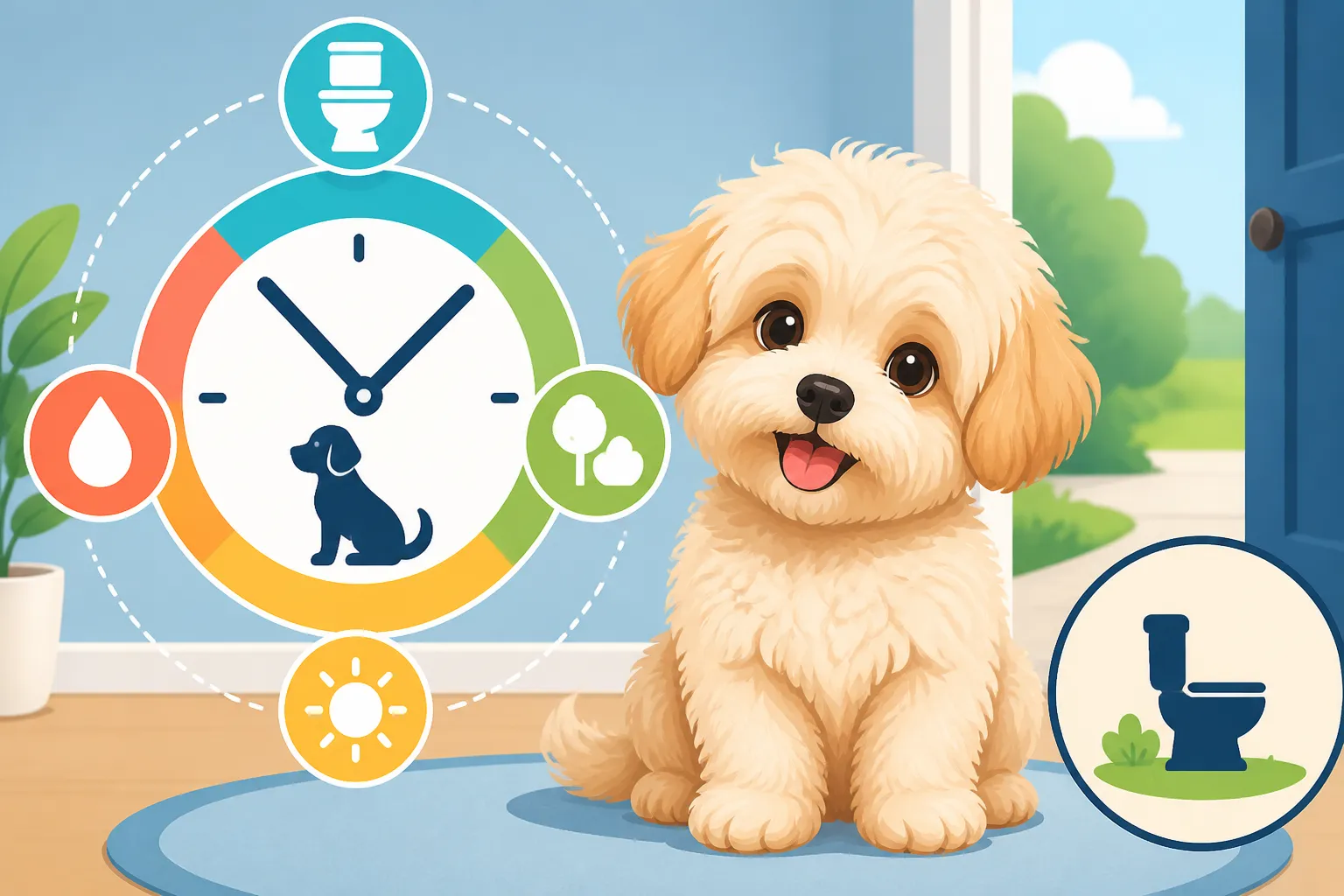
From the moment your Maltipoo puppy comes home, consistency is everything. Decide on a designated potty spot outside and take them there every single time. Use a consistent command like "Go potty" or "Do your business." When they go, offer immediate, enthusiastic praise and a high-value treat. This positive reinforcement is critical. Young puppies should go out roughly every 30 minutes to an hour when awake, and immediately after waking up, eating, drinking, and playing. Yes, that sounds like a lot, and it is! But it drastically reduces accidents and builds good habits fast. As they get older, you'll gradually be able to extend these intervals. A good starting point for a schedule might look something like this:
- First thing in the morning: Immediately outside.
- After every meal/drink: Outside within 5-10 minutes.
- After every nap: Immediately outside.
- After every play session: Outside within 5 minutes.
- Before bedtime: Last trip outside.
- Every hour or so in between.
This intensive schedule is exhausting, but it pays dividends. For more detailed insights, you might find How Often a Maltipoo Puppy Needs Taking Out particularly helpful.
Overnight Strategies for a Dry Morning
Overnight potty training is a bit different because your Maltipoo's metabolism slows down when they sleep, meaning they can typically hold it for longer. However, a young puppy still can't hold it all night. This is where crate training becomes invaluable. Dogs naturally don't want to soil their sleeping area. A properly sized crate (just big enough for them to stand up, turn around, and lie down comfortably, but no extra room to use a corner as a toilet) encourages them to hold it.
Your strategy for overnight should include:
- Late Night Potty Break: Take them out right before you go to bed.
- Limited Water Before Bed: Cut off water access about an hour or two before bedtime to minimize midnight emergencies.
- Scheduled Nighttime Breaks: For young puppies (under 4-5 months), you'll likely need to set an alarm to take them out once or twice during the night. Carry them directly to their potty spot, keep it all business (no play, minimal interaction), and then return them to their crate. As they get older, you can gradually extend these intervals.
If you're not using a crate, or if your Maltipoo puppy is very young, a playpen with a designated potty pad area could be an alternative, though it can slow down outdoor-only training. The goal is to keep their sleeping area clean and teach them to associate going outside with relief. This dedicated approach will help you avoid unpleasant surprises in the morning.
Adapting the Schedule for Your Lifestyle
While consistency is key, life happens, and your Maltipoo's schedule needs to be flexible enough to accommodate it. If you work away from home, you'll need a plan. Can you come home for a midday break? Can a trusted pet sitter or dog walker step in? For a young Maltipoo, being left for 8+ hours without a potty break is simply not feasible or fair. Consider using a doggy daycare for part of the day if that's an option.
As your Maltipoo matures, you'll find they can hold it for longer. An adult Maltipoo might manage 4-6 hours during the day, but it's still always best to err on the side of more frequent breaks. On weekends or days off, maintain a similar structure but enjoy more flexibility. Remember, the goal is successful outings, not just waiting to see how long they can hold it. If you're going on an outing, plan for potty breaks just like you would for a small child. Whether it's a quick trip to the store or a longer car ride, always think about when their last break was and when the next one needs to be. This proactive approach prevents accidents and keeps everyone happy.
Essential Tools and Techniques for Housetraining Success
Successful house training isn't just about a schedule; it's also about having the right equipment and employing smart techniques. These tools can make the process smoother, more efficient, and less stressful for both you and your Maltipoo.
The Role of Crate Training in Bladder Management
Crate training is, without a doubt, one of the most effective tools for house training a Maltipoo. It taps into a dog's natural instinct to keep their den clean. When introduced properly, a crate becomes a safe, comfortable space for your Maltipoo, not a punishment. The trick is choosing the right size. It should be just large enough for your Maltipoo to stand up, turn around, and lie down comfortably. If it's too big, they might use one end as a bed and the other as a bathroom, defeating the purpose. Many crates come with dividers, allowing you to adjust the size as your puppy grows.
The crate serves several purposes:
- Prevents Accidents: When you can't actively supervise your Maltipoo, the crate provides a contained space where they are unlikely to relieve themselves.
- Builds Bladder Control: Because they hold it in the crate, they are strengthening those bladder muscles.
- Establishes Routine: The crate naturally integrates with your potty schedule. Straight out of the crate, immediately outside. Into the crate after a successful potty break.
There are many great crates available on Amazon, from wire to soft-sided options. Just make sure it's the right fit for your little one. If you're wondering What Size Crate Suits a Maltipoo Puppy, aim for one that feels snug but not cramped.
Utilizing Potty Pads Smartly (or Not At All)
Potty pads are a divisive topic in the house training world, and for good reason. They can be a lifesaver for people living in high-rise apartments, during severe weather, or for very tiny puppies who truly cannot wait. However, they can also significantly prolong the house training process if not used strategically. The main drawback is that they teach your Maltipoo that it's okay to go inside the house, on a specific surface. This can make the transition to outdoor-only pottying much harder. If you start with pads, be prepared for a second phase of training where you gradually move the pad closer to the door and eventually outside, ultimately phasing it out entirely.
If you do decide to use pads:
- Consistency: Always put the pad in the same spot.
- Positive Reinforcement: Treat and praise heavily when they use the pad correctly.
- Cleanliness: Replace soiled pads immediately. Dogs prefer a clean spot.
- Transition Plan: Have a clear plan for how and when you will transition away from pads to outdoor pottying. This is crucial for avoiding a Maltipoo who forever thinks inside accidents on a towel are okay. As an example, Moving a Maltipoo From Pads to the Yard can be a challenging step, so careful planning from the start is important.
For most people, especially if you have easy outdoor access, it's often more efficient to go straight to outdoor-only training.
Effective Cleaning for Accident Prevention
Accidents will happen, especially with a young Maltipoo. It's part of the process. How you clean up these accidents is vital for future success. Dogs are naturally drawn to relieve themselves in spots where they've gone before, often because they can still smell residual urine, even if it's undetectable to the human nose. Using standard household cleaners won't eliminate these odors for your dog.
You need an enzymatic cleaner. These cleaners break down the uric acid crystals in urine, completely neutralizing the odor. If you don't use one, your Maltipoo will continue to be attracted to that spot, making house training feel like an uphill battle. You can find excellent enzymatic cleaners at most pet stores or easily online through retailers like Amazon.
When an accident happens:
- Don't Scold: Never scold or punish your Maltipoo for an indoor accident, especially if you didn't catch them in the act. They won't understand why they're being punished, only that you're angry, which can lead to them hiding their accidents or becoming fearful of going potty in front of you (even outside!).
- Clean Thoroughly: Blot up as much urine as possible with paper towels.
- Apply Enzymatic Cleaner: Saturate the area with the enzymatic cleaner, letting it sit for the recommended time (check the product label).
- Blot Dry: Blot dry, do not rub, to lift the cleaner and residual urine.
- Prevent Re-soiling: While the spot dries, consider blocking off the area or covering it with a laundry basket to prevent your Maltipoo from going there again.
Remember, Cleaning Up So a Maltipoo Does Not Return to the Spot is a non-negotiable step to break the cycle of repeat accidents.
Navigating Common Housetraining Hurdles
Even with the best schedule and tools, house training isn't always a smooth, linear progression. You're bound to encounter bumps in the road. Knowing how to address these common issues can prevent them from derailing your progress and causing unnecessary stress.
When Your Maltipoo Refuses to Go Outside
It's a classic scenario: you take your Maltipoo outside, they sniff around, maybe play a bit, and then as soon as you bring them back in, bam, they have an accident. This can be incredibly frustrating! There are a few reasons this might happen:
- Distraction: The outdoor world is full of exciting sights, sounds, and smells. For a small Maltipoo, everything can be overwhelming. They get so distracted that they forget why they're out there.
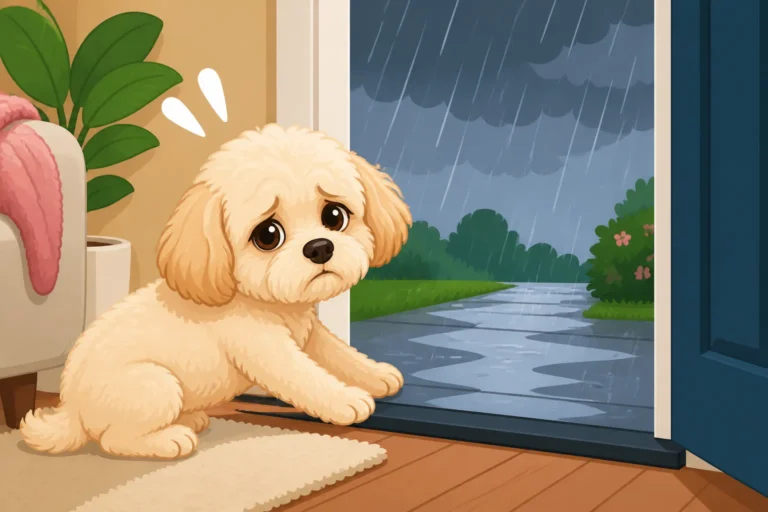
- Weather Aversion: Maltipoos, especially those with thin coats or who are not used to cold or wet, can be quite particular about the weather. A common issue is a Maltipoo who simply Will Not Toilet in the Rain. They might refuse to go on wet grass, or dart back inside at the first drop.
- Fear/Anxiety: New environments, loud noises, or even unfamiliar people or dogs can make a Maltipoo too anxious to relax enough to go potty.
- Learned Behavior: If they've had success going inside on a soft surface, they might prefer that comfort over the unpredictability of the outdoors.
To address this, make outdoor potty breaks strictly business in the early stages. Take them to their designated spot on a leash, limit distractions, and wait. Don't engage in play until after they've done their business and received praise. If they don't go within 5-10 minutes, bring them back inside and put them directly in their crate for 10-15 minutes, then try again. Repeat this cycle until they succeed. For weather-sensitive Maltipoos, consider a potty umbrella, a covered porch, or even a designated patch of artificial turf under a shelter. Remember, every successful outdoor potty earns them a jackpot of praise and a tasty treat.
Dealing with Marking Behavior (Especially in Males)
Marking is a different beast than a general potty accident. It's often instinctual behavior, especially in unneutered male Maltipoos, though females can mark too. Marking involves urinating small amounts frequently, usually on vertical surfaces, to communicate territorial claims or sexual availability. If you notice your Maltipoo lifting a leg and peeing on furniture legs, walls, or even your leg, it's likely marking.
While neutering a male Maltipoo can significantly reduce or eliminate marking behavior, it's not a guaranteed fix, especially if the behavior is already entrenched. If your Maltipoo is marking, here's how to tackle it:
- Neutering: If he's not neutered, discuss this option with your vet. Whether Neutering Stops a Maltipoo Marking is a common question, and while it often helps, it might not be a complete solution if the habit is already strong.
- Supervision: The absolute best way to stop marking is to prevent it from happening. Keep your Maltipoo on a leash indoors when you can't actively supervise them.
- Interrupt and Redirect: If you catch them in the act of marking, clap your hands or make a sharp noise to interrupt them. Immediately take them outside to their designated potty spot.
- Belly Bands: For persistent male markers, a belly band can be a lifesaver. These fabric wraps go around their waist and absorb urine, preventing damage to your home. While not a training solution, they buy you time to work on the underlying issue and prevent repeat marking in specific spots.
- Clean Thoroughly: As with all accidents, use an enzymatic cleaner to remove all traces of scent from marked areas.
- Address Anxiety: Marking can sometimes be a sign of anxiety or stress (e.g., new dog in the neighborhood, changes in routine). Address any potential stressors.
It's a challenging behavior, but with consistent management, it can be controlled.
Addressing Regression and Setbacks
Just when you think you've turned a corner, your perfectly house-trained Maltipoo might suddenly start having accidents again. This "regression" can be incredibly frustrating, but it's important not to panic or blame your dog. There's almost always a reason.
Common causes of regression include:
- Medical Issues: This should always be your first thought. A urinary tract infection (UTI), bladder stones, or other medical conditions can suddenly make a dog unable to hold their urine. If your Maltipoo suddenly starts having accidents, especially if they are frequent, straining, or seem uncomfortable, a vet visit is essential. Whether a Urinary Infection Explains a Maltipoo's Accidents is a crucial question to answer quickly.
- Stress or Anxiety: Major life changes like a move, a new baby, a new pet, or even a change in your work schedule can cause a Maltipoo to feel anxious, leading to accidents.
- Changes in Routine: Any disruption to their established potty schedule can throw them off.
- Incomplete Training: Sometimes, owners ease up on vigilance too soon, and the dog wasn't as reliably trained as thought.
- Submissive Urination/Excitement Urination: Some Maltipoos, especially puppies, might pee a little when they are overly excited (e.g., when you come home) or feel submissive (e.g., during scolding). This isn't a house training issue but a behavioral one.
When regression occurs, go back to basics. Reimplement the strict schedule you used with a puppy. Increase supervision, take them out more frequently, and use the crate if necessary. Be extra diligent with cleaning accidents using enzymatic cleaners. If you suspect stress, try to identify the cause and provide extra comfort and reassurance. Remember, patience is vital here. It's often a temporary setback that can be overcome with a renewed commitment to the training plan. For training resources and guidance, sites like BAXTER & Bella offer comprehensive online puppy programs that can be incredibly helpful for troubleshooting and consistent training.
Long-Term Potty Training: From Puppyhood to Golden Years
Potty training isn't a one-and-done event; it's an ongoing commitment that evolves as your Maltipoo grows and changes throughout their life. What works for a puppy might not be ideal for a senior dog, and life's inevitable changes will always require some adaptation.
Transitioning from Puppy Schedule to Adult Expectations
Once your Maltipoo puppy is reliably house trained and hasn't had an accident in weeks, you can gradually start to relax the super-intensive puppy schedule. The key word here is "gradually." Don't suddenly jump from hourly outings to twice a day. Slowly extend the time between potty breaks, perhaps by 30 minutes every few days, carefully monitoring for any signs of discomfort or accidents. If accidents occur, you've gone too fast and need to dial back to the previous successful interval.
An adult Maltipoo should ideally be able to hold their bladder for 4-6 hours during the day, assuming they've been given ample opportunities to relieve themselves beforehand. Many adult Maltipoos can sleep through the night without a break. However, remember their small size; asking for 8-10 hours during the day is often too much. Regular breaks, even for adult dogs, help prevent accidents and promote bladder health. Establishing a predictable routine, even if it's less frequent, will keep your Maltipoo feeling secure and help them understand when and where they are expected to go. How Many Months Before a Maltipoo Stops Having Accidents is a common question, and while there's no single answer, consistent training through their first year usually leads to solid habits.
Handling Changes: Travel, Illness, and New Environments
Life is full of changes, and each one can impact your Maltipoo's potty habits.
- Travel: Whether it's a short car ride or a longer vacation, travel can be stressful and disruptive. Make sure to factor in frequent potty breaks during car trips, and upon arrival at a new destination, immediately take your Maltipoo to an appropriate potty spot. The unfamiliar smells and routines in a new environment might cause them to feel a bit disoriented.
- New Environments: Moving to a new home or even staying at a friend's house means new smells, new layouts, and a different routine. Treat these situations like you would a new puppy for the first few days. Keep them on a leash indoors, take them out frequently, and heavily praise successful outdoor pottying.
- Illness: As mentioned before, sudden accidents are often the first sign of a medical issue. A quick trip to the vet is always warranted if there's a sudden change in potty habits. Even minor ailments can affect bladder control.
- Medication: Some medications can increase thirst or urination, requiring more frequent potty breaks. Always discuss potential side effects with your vet.
Being proactive and understanding that your Maltipoo might need extra patience and more frequent trips outside during these times will save you a lot of grief. It's about adapting your schedule to their current needs, not expecting them to magically cope with disruption.
Supporting an Older Maltipoo's Bladder Needs
As Maltipoos age, their bodies go through changes, and bladder control can be affected. They might not be able to hold it as long, their muscles might weaken, or they might develop age-related health issues that impact their urinary system. It's not uncommon for an older Maltipoo to suddenly start having accidents, which can be upsetting for both you and your loyal companion.
Here’s how to support an older Maltipoo:
- More Frequent Potty Breaks: Just like puppies, senior dogs need more frequent trips outside. Be proactive and take them out more often, especially after naps, meals, and before bed.
- Vet Check-ups: Regular veterinary check-ups are vital for older dogs. Conditions like UTIs, kidney disease, cognitive dysfunction (dementia), or even arthritis (making it harder to get up and go outside in time) can all contribute to accidents. Your vet can rule out or manage these issues. It's worth considering Whether an Older Maltipoo Starts Having Accidents and discussing it thoroughly with your vet.
- Easy Access: If mobility is an issue, consider a ramp for stairs, or even a designated indoor potty area (like pads or a litter box) for quick access if getting outside becomes too difficult or painful.
- Water Access: Ensure they always have fresh water, but perhaps manage timing to avoid large drinks right before bedtime.
- Patience and Understanding: Above all, offer patience and understanding. Your older Maltipoo isn't having accidents to be defiant; they are likely struggling with physical limitations. Scolding them will only cause distress.
Your Maltipoo has given you years of companionship, and supporting them through their golden years, even when bladder control becomes a challenge, is part of that commitment.
Summary Table of Maltipoo Potty Training Stages
To help visualize the journey, here’s a quick overview of what to expect at different stages of your Maltipoo's life regarding potty training:
| Age/Stage | Bladder Capacity/Control | Recommended Potty Frequency (Awake) | Overnight Expectation | Common Challenges |
|---|---|---|---|---|
| 8-16 Weeks (Puppy) | Very small, minimal control | Every 30-60 minutes | 1-2 breaks, or using crate effectively | Distraction, weather aversion |
| 4-8 Months (Teen) | Developing, improving control | Every 1.5-3 hours | Can hold 4-6 hours, some may sleep through | Regression, marking behavior |
| 8-12 Months (Adolescent) | Good control, nearly adult capacity | Every 3-4 hours | Often sleeps through the night | Consistency lapses, marking |
| 1-7 Years (Adult) | Full adult capacity | Every 4-6 hours | Should sleep through the night | Illness, routine changes |
| 7+ Years (Senior) | May decline, reduced capacity | Every 2-4 hours, or more | May need 1-2 breaks, or more | Medical issues, mobility, cognitive decline |
This table provides general guidelines. Every Maltipoo is an individual, and their development may vary.
Conclusion
House training your Maltipoo is truly a journey of patience, consistency, and understanding their unique needs as a small dog. It's rarely a quick fix, and there will likely be moments of frustration. But by understanding their small bladder, committing to a consistent schedule, utilizing tools like crates, and being prepared to troubleshoot common issues, you can absolutely achieve a reliably house-trained companion. Remember to celebrate every success, clean up every accident with an enzymatic cleaner, and adjust your expectations and routine as your Maltipoo grows from a tiny puppy into a wise senior dog. With your dedication and love, your Maltipoo will learn where to do their business, making for a happier, cleaner home for everyone.
Disclaimer
This article is for general informational purposes only and does not constitute professional advice. Laws, prices and regulations vary by location and change over time. Consult a qualified professional for guidance on your specific situation.