How Often a Maltipoo’s Teeth Need Brushing
One of the most common worries I hear from Maltipoo parents is how to keep those adorable little mouths healthy. It’s tough because their tiny jaws are prone to dental problems, leading to everything from bad breath to serious infections. This guide is here to walk you through exactly how often your Maltipoo's teeth truly need brushing, why it’s so vital, and what else you can do to maintain their sparkling smile and overall well-being.
The Absolute Necessity of Daily Brushing for Your Maltipoo
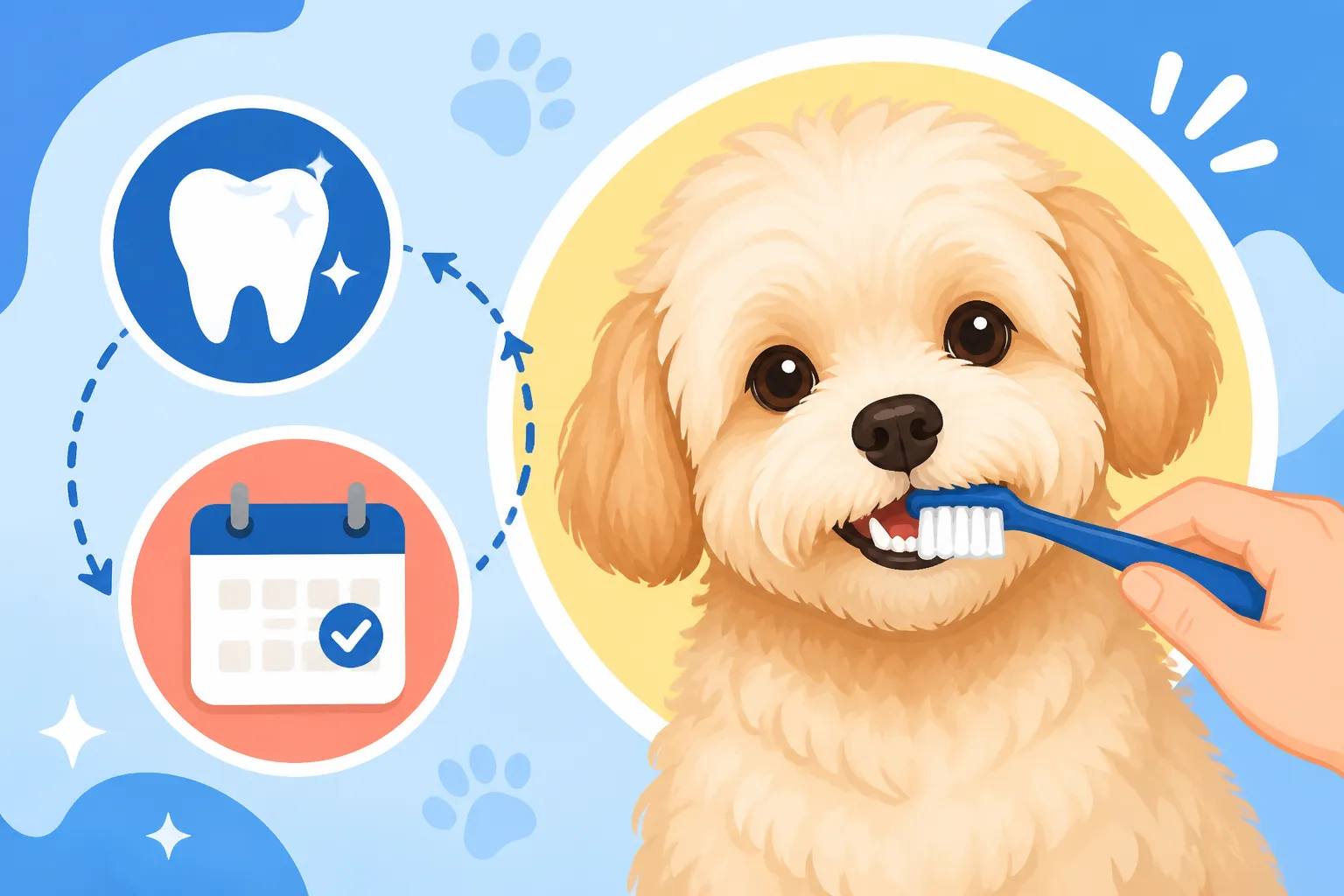
Let’s not beat around the bush: for most Maltipoos, daily tooth brushing isn't just a recommendation, it's a critical part of their health routine. I know, I know, it sounds like a lot. You’re already juggling walks, feeding schedules, grooming, and training, and now daily brushing? But trust me, it's one of the most impactful things you can do to prevent a cascade of painful and expensive problems down the line.
Why Small Breeds are Prone to Dental Issues
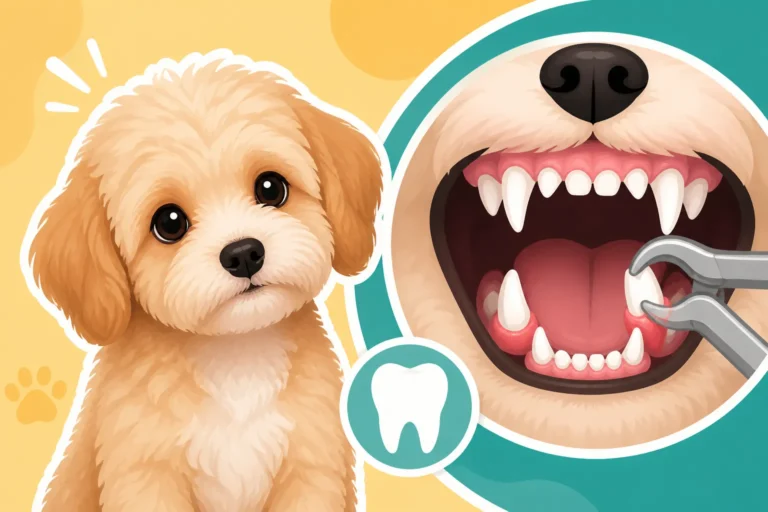
Maltipoos, being a hybrid of the Maltese and Poodle, inherit traits from both, and unfortunately, that often includes a predisposition to dental disease. Their small mouths are a primary culprit. Imagine trying to fit 42 adult teeth into a jaw designed for far fewer. That's essentially what happens with many small breeds. This crowding means teeth are often too close together, creating perfect little nooks and crannies where food particles and bacteria can hide, undisturbed by natural chewing actions. This crowded environment is a breeding ground for plaque and tartar. Without intervention, plaque hardens into tartar within days, clinging stubbornly to the tooth surface. This isn't just cosmetic; it pushes on the gums, leading to inflammation, infection, and eventually, irreversible gum disease (periodontal disease).
This isn't just about bad breath, though that's often the first sign owners notice. Left untreated, severe dental disease can lead to chronic pain, tooth loss, and even systemic health problems. Bacteria from infected gums can enter the bloodstream and travel to vital organs like the heart, kidneys, and liver, potentially leading to serious conditions. You might be surprised to learn Whether Dental Disease Shortens a Maltipoo's Life – it absolutely can. Many experienced owners will tell you that prioritizing dental health can add years of comfortable, healthy life to your little companion.
The Impact of Plaque and Tartar Accumulation
Plaque is that sticky, colorless film that forms on teeth throughout the day. It's a mix of bacteria, saliva, and food particles. If you've ever missed brushing your own teeth for a day, you know that fuzzy feeling – that's plaque! In dogs, particularly those with crowded mouths like Maltipoos, plaque builds up rapidly. Within 24-48 hours, this soft plaque begins to mineralize and harden into tartar (calculus). Once it becomes tartar, brushing alone often isn't enough to remove it. It requires professional dental scaling under anesthesia by a veterinarian.
The danger of tartar goes beyond just sitting on the tooth. It creates a rough surface where more plaque can stick, exacerbating the problem. More critically, tartar pushes against the gum line, causing gingivitis – inflammation of the gums. You might notice redness, swelling, or even bleeding when your Maltipoo chews or you try to inspect their mouth. If gingivitis is left unchecked, it progresses to periodontitis, which is the destruction of the tissues supporting the teeth, including the bone. This stage is excruciatingly painful for your dog, often leading to loose teeth, abscesses, and widespread infection. Trying to ignore the problem or hoping it will go away on its own is not only unfair to your Maltipoo but can also lead to much higher vet bills and a decreased quality of life.
Mastering the Art of Brushing Your Maltipoo’s Teeth
So, daily brushing is the goal. Now, how do we actually do it without turning it into a wrestling match every single day? It’s all about patience, positive reinforcement, and finding the right tools that make the experience as comfortable as possible for both of you.
Choosing the Right Tools and Products
Forget your own toothbrush and human toothpaste – they're not suitable for your Maltipoo. Human toothpaste often contains xylitol, an artificial sweetener that is highly toxic to dogs, and fluoride in amounts that can upset their stomach.
Here’s what you’ll need:
- A Dog-Specific Toothbrush: These come in a few varieties. A small, soft-bristled toothbrush designed for small breeds is ideal. Finger brushes that slip over your finger can be great for puppies or dogs new to brushing, offering a more tactile experience. However, a traditional small dog toothbrush often provides better reach for back molars. Consider checking out The Brush and Paste That Fit a Maltipoo's Mouth for specific recommendations.
- Enzymatic Dog Toothpaste: This is key! Dog toothpastes come in appealing flavors like poultry, beef, or peanut butter, which can make the experience much more pleasant for your Maltipoo. The enzymatic action helps break down plaque even if your brushing technique isn't perfect.
- Dental Wipes (Optional): These can be a good stepping stone for puppies or dogs extremely resistant to brushing. While not as effective as a brush, they help remove some plaque and get your dog used to having their mouth handled.
A Step-by-Step Guide to Daily Brushing
Consistency is your best friend here. Aim for the same time each day, perhaps after their last meal or before bedtime, to establish a routine.
- Introduce the Paste: Let your Maltipoo taste the enzymatic toothpaste. Many dogs love the flavor! Put a tiny bit on your finger and offer it as a treat. Do this for a few days without introducing the brush.
- Introduce the Brush (without paste initially): Once they're happy with the taste of the paste, let them lick a tiny bit off the toothbrush. Then, gently rub the brush over their front teeth for a few seconds. Keep it super short and positive.
- Gradually Increase Duration: Over several days or weeks, slowly increase the amount of time and the number of teeth you brush. Focus on the outside surfaces of the teeth, especially the canines and back molars, as these are most prone to tartar buildup. Lift their lip gently to expose the teeth and gums.
- Angle the Brush: Hold the brush at a 45-degree angle to the gum line, using gentle, circular motions. You don't need to scrub hard; the enzymes in the toothpaste and the bristles do the work.
- Target All Teeth: Try to get to as many teeth as possible, but don't stress if you can't reach every single one, especially at first. The goal is progress, not perfection. The most crucial areas are the outside surfaces of the upper back teeth.
- Positive Reinforcement: After each session, praise your Maltipoo enthusiastically and offer a small, healthy treat. Make it a rewarding experience. If they resist, stop, try again later, or shorten the session. Never force it, as this can create a negative association.
- Be Patient: For some dogs, this process can take weeks or even months. Starting Tooth Brushing on a Maltipoo Puppy is ideal, but it’s never too late to begin. Patience and positive reinforcement are key. If you get frustrated, your Maltipoo will pick up on it.
Remember, even if you can't manage daily, every other day is better than never. Consistency is far more effective than sporadic, intense sessions.
Beyond Brushing: Comprehensive Dental Care for Your Maltipoo
While daily brushing is the gold standard, it’s not the only piece of the puzzle. A holistic approach to your Maltipoo's dental health includes regular veterinary check-ups, appropriate diet, and potentially some other dental aids.
Regular Professional Dental Cleanings
Even with diligent home brushing, most Maltipoos will need professional dental cleanings by a veterinarian throughout their lives. This procedure is performed under general anesthesia, allowing the vet to thoroughly examine the entire mouth, take X-rays to assess the health of the tooth roots and jawbone, scale away tartar both above and below the gum line, and polish the teeth. The polishing creates a smooth surface that makes it harder for plaque to adhere.
The frequency of these professional cleanings varies depending on your individual Maltipoo's genetics, diet, and home care routine. Some might need one every year or two, while others could go longer. Your vet will assess your dog's dental health during their annual check-ups and recommend a schedule. It’s crucial to understand that these cleanings are preventative and therapeutic, not just cosmetic. They address issues that home care cannot, preventing pain and more serious complications. For more information, read about How Often a Maltipoo Needs a Dental.
Dietary Considerations and Dental Chews
What your Maltipoo eats can also play a role in their dental health. While kibble is often touted as "cleaning" teeth, most standard kibbles offer minimal abrasive action. Some specialized dental diets are formulated with unique kibble shapes and textures or contain ingredients that help reduce plaque and tartar formation. These diets are typically recommended by veterinarians and can be a beneficial addition, especially if your Maltipoo is resistant to brushing.
When it comes to dental chews, it's a mixed bag. Many products on the market claim to clean teeth, but their effectiveness varies greatly. The Veterinary Oral Health Council (VOHC) seal of acceptance is a good indicator that a product has been scientifically proven to reduce plaque and/or tartar. Look for chews that are appropriately sized for your Maltipoo and are soft enough not to damage their teeth but firm enough to provide some scraping action. Always supervise your Maltipoo with dental chews to prevent choking or gulping large pieces. Remember, Whether Dental Chews Do Anything for a Maltipoo depends heavily on the specific product and how your dog interacts with it. They are best used as a supplement to brushing, not a replacement.
Water Additives and Other Dental Aids
Water additives are another tool in the dental care arsenal. These are typically liquids you add to your Maltipoo's drinking water, and they contain ingredients that help reduce bacteria in the mouth, freshen breath, and slow down plaque formation. While they can be helpful, especially for dogs who won't tolerate brushing, they are generally less effective than direct mechanical brushing. Always choose a product specifically formulated for dogs and check for the VOHC seal for assurance of effectiveness and safety.
Other dental aids include oral rinses or gels that can be applied directly to the gums. These products often contain antibacterial agents that can help control plaque and reduce gum inflammation. Again, these are supplementary and work best in conjunction with a consistent brushing routine and regular vet check-ups. Maintaining vigilance and recognizing early signs of trouble is key. If you notice things like red, swollen gums, excessive drooling, or a distinct change in their breath that hints at dental issues, it's time to talk to your vet. Investing in pet insurance, like a policy from Healthy Paws, early on can also provide peace of mind for unexpected dental emergencies or routine professional cleanings.
Recognizing the Signs of Dental Trouble and When to Seek Veterinary Care
Even with the best home care, dental issues can arise, especially as Maltipoos age. Knowing what to look for can help you catch problems early, leading to less pain for your dog and potentially less costly interventions.
Common Indicators of Dental Disease
Your Maltipoo will likely try to hide their pain, as it’s a natural instinct for animals, so you need to be a detective! Here are the tell-tale signs that something might be amiss with their oral health:
- Bad Breath (Halitosis): This is often the first and most obvious sign. While "doggy breath" is normal to some extent, a truly foul, pungent odor is a strong indicator of bacterial buildup and infection. For more insights, check Whether a Maltipoo's Breath Means Dental Disease.
- Red, Swollen, or Bleeding Gums: Healthy gums should be pink and firm. Red, inflamed, or swollen gums are signs of gingivitis. If you see blood when your Maltipoo chews or when you attempt to brush, that's a serious red flag. You might also want to consult Whether a Maltipoo's Gums Should Bleed.
- Tartar Buildup: Yellow, brown, or greenish calculus on the tooth surface, especially near the gum line, is a clear sign that professional cleaning is needed. Take a look at What Tartar Looks Like on a Maltipoo for visual examples.
- Changes in Eating Habits: Reluctance to eat, dropping food, chewing only on one side of the mouth, or whining while eating can all point to oral pain. Your Maltipoo might prefer softer foods over kibble.
- Pawing at the Mouth or Rubbing Face: These behaviors suggest discomfort or pain in the mouth area.
- Loose or Missing Teeth: In advanced stages of periodontal disease, teeth can become loose and may even fall out. Unfortunately, Whether a Maltipoo Loses Teeth by Five can be a reality for many if dental care is neglected.
- Excessive Drooling: Increased drooling, sometimes mixed with blood, can indicate severe inflammation or pain.
- Retained Baby Teeth: Sometimes, a Maltipoo's baby teeth don't fall out when their adult teeth emerge, leading to crowding. This is a common issue in small breeds and needs veterinary attention. If left, it can severely contribute to plaque and tartar buildup. Learn more about Why a Maltipoo's Baby Teeth Do Not Fall Out and Whether Retained Baby Teeth Must Come Out of a Maltipoo. This overcrowding is a significant factor contributing to dental disease in small breeds like the Maltipoo, which already have The Forty Two Teeth Crowding a Maltipoo's Jaw.
When to Seek Immediate Veterinary Attention
If you notice any of the severe signs mentioned above – particularly excessive bleeding, obvious pain, or a sudden refusal to eat – it’s time to call your veterinarian without delay. These symptoms indicate a potentially advanced stage of dental disease that requires professional intervention. Your vet will perform a thorough oral examination, which may involve sedation for a more detailed look, and potentially dental X-rays to assess the extent of the damage below the gum line.
Treatment might range from a comprehensive professional cleaning to extractions of severely diseased teeth. It can be heartbreaking to consider your Maltipoo losing teeth, but removing painful, infected teeth is often the kindest thing you can do to restore their comfort and prevent the spread of infection. Be prepared that serious dental work, including What Extractions Cost on a Maltipoo, can be a significant expense, which is where having pet insurance like Healthy Paws can truly make a difference, helping to cover unexpected and often critical veterinary costs.
A table summarizing various dental care methods might be helpful for you:
| Dental Care Method | Frequency | Primary Benefit | Effectiveness for Plaque/Tartar | Pros | Cons |
|---|---|---|---|---|---|
| Daily Brushing | Daily | Prevents plaque/tartar buildup, freshens breath | High | Most effective, prevents disease, good bonding routine | Requires daily commitment, dog cooperation, can be challenging |
| Professional Cleaning | Annually/Bi-annually | Removes hardened tartar, addresses sub-gingival issues | Very High | Essential for severe buildup, addresses hidden problems | Requires anesthesia, significant cost (though often covered by Healthy Paws) |
| VOHC-Approved Dental Chews | Daily | Mechanical plaque removal, provides enrichment | Moderate to High | Easy to administer, enjoyable for dog, some reduce plaque/tartar | Not a substitute for brushing, calorie intake, choking hazard, can be ineffective if not VOHC-approved |
| Water Additives/Rinses | Daily | Reduces oral bacteria, freshens breath | Low to Moderate | Easy to administer, passive cleaning | Least effective alone, doesn't remove existing tartar, dog may refuse water |
| Dental Diet Kibble | Every meal | Abrasive action, special ingredients | Moderate | Part of daily feeding, passive cleaning, can be very effective if specialized | Only effective if specifically formulated, not a full solution, may not suit all dogs |
Ultimately, your Maltipoo's dental health is a lifelong commitment. Daily brushing, coupled with regular veterinary oversight and appropriate supplementary aids, creates the best possible scenario for a healthy, happy mouth and a longer, more comfortable life for your beloved companion.
Disclaimer
The information provided in this article is for general informational purposes only and is not a substitute for professional veterinary advice. Always consult with a qualified veterinarian regarding your Maltipoo's specific health needs and before making any decisions related to their medical care.