Why a Small Maltipoo Loses Heat Fast
It’s a heart-sinking moment when you pick up your tiny Maltipoo, and their little paws or ears feel colder than they should, even inside a seemingly warm house. We often think of dogs as having a built-in fur coat, but for a small breed like a Maltipoo, that fur isn't always enough to combat the chill. Their compact size, while undeniably adorable, actually makes them far more susceptible to rapid heat loss than their larger canine counterparts. This guide will dive deep into the specific reasons why your small Maltipoo struggles to stay warm and, more importantly, equip you with the knowledge and practical tips to ensure they remain cozy, healthy, and safe, no matter the weather.
The Unique Physiology That Makes Small Maltipoos Lose Heat So Quickly
When you’re sharing your life with a tiny Maltipoo, you quickly realize they’re not just miniature versions of larger dogs; their physiology is genuinely different, especially concerning temperature regulation. It’s not just about being small; it’s about how that smallness impacts their ability to generate and retain warmth. Understanding these underlying biological factors is the first step in providing the best care.
The Unfavorable Surface Area to Volume Ratio
This might sound like a science lesson, but it’s crucial for understanding why your Maltipoo gets cold so easily. Imagine a giant snowball and a tiny snowball. If you place them both outside, which one melts faster? The tiny one, right? That’s because the tiny snowball has more surface area exposed to the air relative to its overall volume. The same principle applies to your Maltipoo.
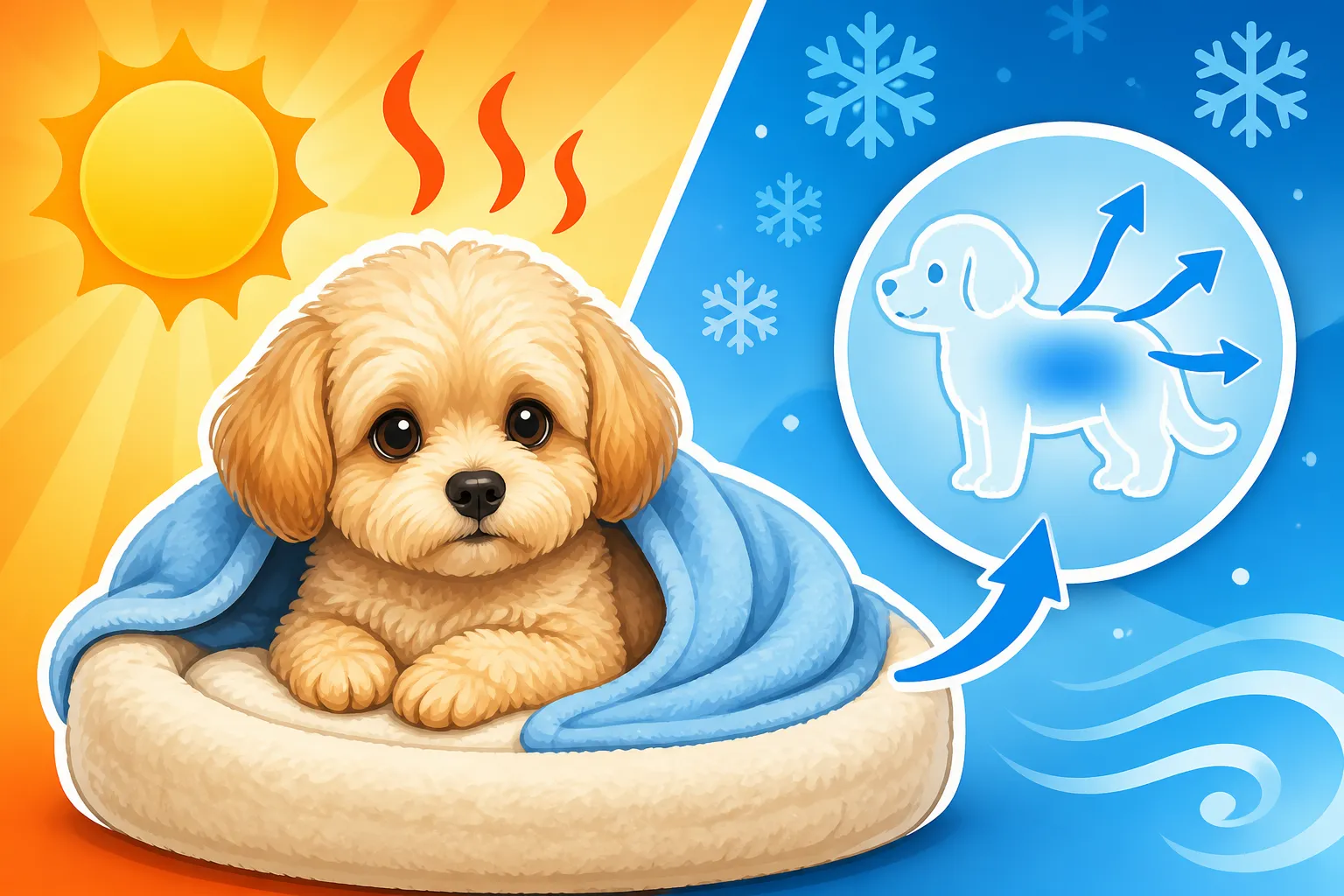
A small Maltipoo has a much larger surface area-to-volume ratio compared to a bigger dog. This means a greater proportion of their body is exposed to the ambient temperature. Think of it this way: their skin, where heat escapes, is disproportionately large compared to their internal organs and muscles that generate heat. This anatomical reality makes them highly inefficient at retaining warmth. Heat just radiates away from their small bodies at an accelerated rate, making them feel the cold much sooner and more intensely than a Labrador or a Golden Retriever. You’ll notice this when they quickly seek out warm laps or burrow under blankets. It's not just a preference; it's a physiological necessity for them to avoid becoming genuinely chilled.
Limited Body Fat and Muscle Mass as Natural Insulation
While Maltipoos are wonderfully cuddly, they typically possess a lean physique with minimal body fat. Unlike larger breeds that might carry a significant layer of insulating fat, your Maltipoo doesn't have this natural buffer against the cold. Body fat acts as a crucial insulator, trapping heat generated by the body and preventing it from escaping. Without it, the cold can penetrate much more easily to their core.
Beyond fat, muscle mass also plays a role. Muscles generate heat through activity and even at rest. A larger dog has more muscle mass, contributing to a greater baseline heat production. A Maltipoo's smaller muscles generate less heat overall, and they can expend that energy much faster. This isn’t a flaw in their design; it’s simply a characteristic of their small stature. It just means we, as their human companions, need to be extra vigilant in providing external warmth and support. They really don't have the internal reserves to tough out cold conditions, even for short periods.
Metabolic Rate and Rapid Energy Consumption
It’s a common misconception that because small dogs have a faster metabolism, they should generate more heat. While it’s true their metabolic rate is higher, meaning their bodies burn through fuel more quickly, this also means their energy reserves are depleted faster. Think of it like a tiny, high-revving engine – it uses up gas at an alarming rate.
For a Maltipoo, this rapid metabolism, especially in a cold environment, can quickly lead to a drop in blood sugar. This isn’t just about feeling cold; it can escalate into a dangerous condition known as hypoglycemia. Hypoglycemia and the Teacup Maltipoo Puppy Their small livers have limited glycogen stores, and a constant effort to generate heat rapidly consumes these precious reserves. If they don't have enough calories coming in or if they're exposed to cold for too long, their blood sugar can crash, leading to lethargy, weakness, and even collapse. This is why consistent, calorie-appropriate feeding is so vital for Maltipoos, particularly puppies. They literally burn through their fuel faster trying to keep warm.
Environmental Factors That Make Your Maltipoo Even Colder
Even if your Maltipoo is genetically predisposed to losing heat quickly, certain environmental conditions can amplify this effect dramatically. It's not just about the thermometer reading; it's about the entire microclimate your tiny companion experiences. Being aware of these external triggers can help you proactively protect your little one.
The Sneaky Chill of Cold Weather and Drafts
When we talk about "cold weather" for a Maltipoo, it's a relative term. What feels like a crisp autumn day to us can be genuinely chilling for them. Their proximity to the ground means they experience cold air currents much more intensely than we do. Floors, especially tile or hardwood, can be surprisingly cold, acting like a giant heat sink for their tiny bodies.
Drafts are often the biggest culprits for unexpected chill, even indoors. That subtle breeze coming from under a door, through a window crack, or even from heating vents can feel like an icy gust to your Maltipoo who is lying on the floor. Imagine if you had to sleep with a constant cold stream of air blowing over you – you’d get cold fast too! These persistent, subtle drafts can constantly strip heat from their body, forcing their metabolism to work harder and increasing their risk of hypothermia. Even if your home thermostat is set to a comfortable 72 degrees, a drafty spot can create a localized cold zone that is detrimental to your Maltipoo's warmth. Many owners invest in simple draft stoppers for doors and windows, which can make a surprising difference in their pet’s comfort.
The Danger of Wetness and Dampness
Water conducts heat away from the body far more efficiently than air. This is why even a mild winter day can turn dangerous if your Maltipoo gets wet. A quick dash outside for a potty break in damp grass or light rain, or even an accidental splash from a puddle, can lead to a rapid drop in body temperature.
Their dense, often curly or wavy coat, while providing some insulation when dry, can become saturated quickly. Once wet, it loses its insulating properties, and the water clinging to their fur actively draws heat away. This is compounded by their small size; there's simply less body mass to hold onto warmth when external factors are aggressively pulling it away. You might also notice their paws get quite cold when walking on damp surfaces. It’s essential to thoroughly dry your Maltipoo immediately after any exposure to moisture, from baths to outdoor adventures. Even a seemingly insignificant amount of dampness can be a significant factor in why Whether a Maltipoo Gets Cold Easily.
Unsuitable Bedding and Cold Sleeping Areas
Where your Maltipoo rests and sleeps plays a massive role in their ability to stay warm. A thin blanket on a bare floor, especially tile, laminate, or even concrete in a basement, offers virtually no thermal protection. These surfaces act as heat drains, pulling warmth directly from their body.
Maltipoos thrive when they have warm, insulated sleeping spots. An elevated bed can help immensely by getting them off the cold floor and away from drafts. Furthermore, soft, plush bedding that allows them to burrow and create their own warm nest is ideal. Think about materials that trap heat effectively, like fleece or faux fur. Leaving them to sleep in an unheated room or a spot near an exterior wall or a poorly insulated window can seriously compromise their comfort and health, particularly overnight when temperatures drop and their activity levels are minimal. Providing a cozy, well-insulated retreat is not a luxury; it's a fundamental aspect of their care, especially for puppies and older dogs who are even more vulnerable to cold. You can find excellent insulated beds and blankets on sites like Chewy or Amazon that cater specifically to small breeds.
Recognizing the Signs of a Cold or Hypothermic Maltipoo
Because Maltipoos lose heat so quickly, it's vital for owners to be able to spot the signs that their little one is getting too cold, or worse, heading towards hypothermia. They can't tell you in words, so you need to be a keen observer of their physical and behavioral cues. Early detection can make all the difference in preventing a more serious situation.
Visible Shivering and Subtle Physical Cues
The most obvious sign your Maltipoo is cold is shivering. While a slight tremble can sometimes be excitement or nervousness, persistent, intense shivering is a clear indicator that their body is trying desperately to generate heat. Their muscles contract rapidly to produce warmth, but this is an energy-intensive process that can quickly deplete their reserves.
Beyond shivering, look for other subtle physical cues. A Maltipoo who is cold will often hunch their back, tuck their tail tightly between their legs, and pull their limbs close to their body to minimize exposed surface area. Their ears might be flattened, and their fur could be ruffled or standing on end in an attempt to trap more air for insulation. Their posture might seem stiff, or they might walk with a slightly ginger gait as if uncomfortable. If you notice your Maltipoo constantly seeking warm laps, burrowing under blankets, or trying to hide in warm crevices, pay attention – they’re telling you they’re cold. Don't mistake a continuous shiver for anything other than genuine cold. If you're unsure if Whether a Trembling Maltipoo Is Cold or Sick, it's always best to err on the side of caution and warm them up.
Behavioral Changes and Lethargy
A change in your Maltipoo's usual demeanor can be a critical red flag for being too cold. Normally playful and curious Maltipoos might become withdrawn, quiet, and unresponsive. They might lose interest in toys or interactions, preferring to curl up tightly and remain still. This lethargy is particularly concerning because it signals their body is struggling to maintain core functions.
As their body temperature continues to drop, their movements might become clumsy, their responses delayed, and they could appear disoriented or confused. They might stop reacting to their name or familiar commands. This isn't just a sign of being chilly; it can indicate the onset of moderate to severe hypothermia. If your Maltipoo is usually a bright spark but suddenly seems dull, sluggish, or unusually sleepy, especially after being exposed to cold, it’s time to take immediate action to warm them. This is when their energy reserves are truly running low, and their system is slowing down to conserve what little heat they have left. In severe cases, they may become limp and unresponsive, which requires immediate veterinary intervention. What to Do When a Maltipoo Goes Limp
Cold Extremities and Other Advanced Physical Symptoms
Feeling your Maltipoo's extremities can give you a quick gauge of their core temperature. If their paws, ears, and tail feel noticeably cold to the touch, it’s a strong indication that their body is directing blood flow away from these areas to protect vital organs. This is a natural, albeit desperate, survival mechanism.
As hypothermia progresses, other more alarming physical symptoms can emerge. Their gums might appear pale or bluish, indicating poor circulation and oxygenation. Their breathing could become shallow and slow, and their heart rate might decrease. They might even stumble, have difficulty coordinating their movements, or collapse. In the most severe cases, they can become unconscious. These are medical emergencies requiring immediate veterinary attention. Learning The Temperature a Maltipoo Starts Shivering At can help you recognize when your pet is truly at risk and take preventative measures before these advanced symptoms appear.
Practical Strategies for Keeping Your Maltipoo Warm
Knowing why your Maltipoo loses heat quickly and what signs to look for is important, but proactive steps are even better. Fortunately, there are many practical ways you can ensure your little companion stays warm and comfortable year-round, minimizing their risk of feeling the chill.
Appropriate Clothing and Gear for Little Bodies
For a Maltipoo, a sweater or a coat isn't merely a fashion statement; it's often a necessity for warmth and protection. When heading outdoors, especially in cooler weather, a well-fitting dog sweater or jacket can provide that crucial extra layer of insulation that their lean bodies lack. Choose materials that offer good warmth without being too bulky, allowing them to move freely. Wool blends or fleece are excellent choices.
Indoors, if your home tends to be on the cooler side, or if your Maltipoo is a puppy, elderly, or particularly sensitive to drafts, a lightweight sweater can make a huge difference. Whether a Maltipoo Needs a Sweater Indoors It helps them retain their body heat and feel more secure. Don't forget their paws! In snow or on icy sidewalks, dog booties can protect their sensitive paw pads from extreme cold and potentially harmful road salts. Many excellent options for dog apparel and paw protection can be found on sites like Chewy or Amazon, offering a range of sizes and materials to suit your Maltipoo's needs. Remember to size correctly to ensure comfort and effectiveness.
Creating a Warm and Draft-Free Home Environment
Your home is your Maltipoo's primary sanctuary, so making it a warm and cozy haven is paramount. Start by assessing your home for drafts. Feel around windows, doors, and even electrical outlets. Simple draft stoppers can block cold air from seeping in. Consider placing your Maltipoo's bed away from exterior walls, which tend to be colder, and away from frequently opened doors.
Provide multiple warm sleeping spots around the house. This could be a plush, elevated dog bed in a sunny corner, a soft blanket in their crate, or a small pet cave that allows them to burrow. For extra warmth, especially during colder months or for particularly sensitive dogs, consider a self-warming pet mat or a low-wattage heated dog bed. These provide gentle, consistent warmth and can be incredibly comforting. Regular soft blankets are also invaluable; Maltipoos love to nest and create their own warm pockets. Remember, the floor can be surprisingly cold for them, so ensure their primary resting areas are well-insulated from the ground.
Nutrition and Hydration for Internal Heat Regulation
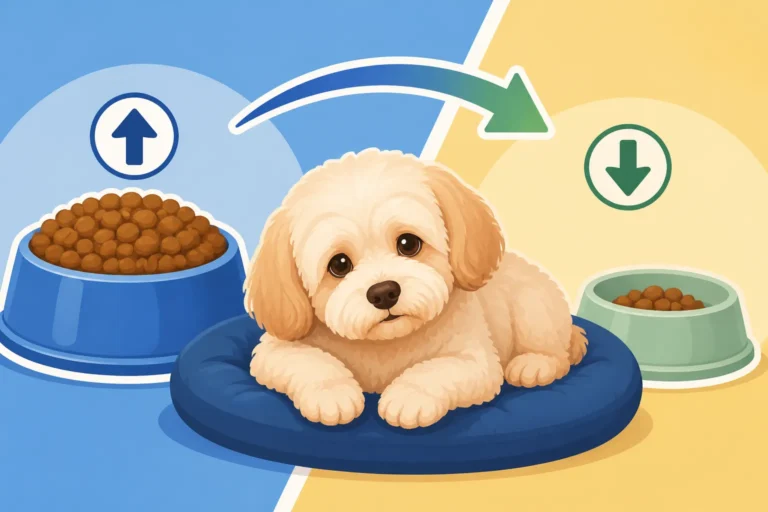
Proper nutrition plays a critical role in your Maltipoo's ability to maintain a healthy body temperature. Calories are essentially fuel for their metabolism, and a well-fed Maltipoo will have more energy to generate internal heat. Because of their fast metabolism and small size, it's often better to feed Maltipoos several small meals throughout the day rather than one or two large ones. This provides a more consistent supply of energy, preventing blood sugar dips that can make them feel colder.
Ensure you’re feeding a high-quality, calorie-appropriate small breed dog food. You might even consider discussing with your vet if a slightly higher calorie intake is appropriate during colder months if your dog spends more time outdoors or struggles to maintain weight. Always feed Feeding a Six Pound Maltipoo by the Ounce, Not the Scoop to ensure accurate portioning. For example, a six-pound Maltipoo has very specific caloric needs, and overfeeding or underfeeding can impact their ability to regulate temperature. How Many Calories a Six Pound Maltipoo Needs Fresh food options, like those offered by Ollie, can sometimes provide a highly digestible and nutrient-dense source of energy, which might contribute to overall vitality and better thermoregulation. Consistent access to fresh, clean water is also crucial, as proper hydration supports all metabolic processes, including heat generation.
When to Seek Veterinary Attention for a Cold Maltipoo
While proactive measures are excellent for keeping your Maltipoo warm, there are times when their coldness or lethargy signals something more serious. Knowing when to escalate your concerns to a veterinarian is crucial, as severe hypothermia can be life-threatening.
Persistent Symptoms and a Worsening Condition
If you've noticed your Maltipoo is cold, perhaps shivering, and you've already taken steps to warm them up – wrapping them in blankets, moving them to a warmer spot, offering a small, tempting meal – but their symptoms persist or seem to worsen, it's time to call your vet. Don't assume they'll "snap out of it." Persistent shivering, continued lethargy despite warmth, or a failure to perk up are all signs that their body isn't recovering adequately on its own.
A common scenario might involve a cold outdoor potty break or being left in a slightly chilly room for longer than intended. While quick action might resolve a mild chill, if your dog remains subdued, unresponsive, or still feels unusually cold to the touch after 20-30 minutes of active warming, there could be an underlying issue or the hypothermia could be more advanced than you initially thought. This is especially true if you are concerned about Whether a Maltipoo Should Skip Walks in Freezing Weather but they still had some exposure. It's better to make that phone call and get professional advice than to wait and watch symptoms escalate.
Extreme Lethargy or Unconsciousness: An Emergency
This is a critical alert. If your Maltipoo exhibits extreme lethargy, becoming almost unresponsive, or worse, completely loses consciousness, this is a severe medical emergency. These are clear indicators of advanced hypothermia, where their core body temperature has dropped to dangerous levels, impairing vital organ function.
In such a situation, every minute counts. Immediately wrap your Maltipoo in warm (but not hot) blankets or towels, ideally ones that have been warmed in a dryer. You can place warm water bottles wrapped in towels around them, but never apply direct heat to their skin, as this can cause burns or worsen shock. Your priority is to get them to the nearest emergency veterinary clinic as quickly and safely as possible. Call ahead if you can to let them know you’re coming with a hypothermic dog. They will be able to provide the controlled, internal warming and supportive care needed to bring your Maltipoo's temperature back to a safe range.
Special Considerations for Very Young or Elderly Maltipoos
Puppies and senior Maltipoos are inherently more vulnerable to the cold and its effects. Very young puppies have not yet developed their full capacity for thermoregulation. Their tiny bodies, limited fat stores, and immature metabolic systems mean they can lose heat exceptionally fast and struggle to generate it efficiently. The Weight at Which a Maltipoo Puppy Is at Risk is a prime example of how fragile a young Maltipoo's system can be. If you have a puppy, constant monitoring and providing abundant warmth are non-negotiable.
Similarly, older Maltipoos, even those The Twelve to Fifteen Years a Maltipoo Lives who have been robust their whole lives, often have compromised immune systems, reduced muscle mass, and potentially underlying health conditions that make them less resilient to cold stress. Arthritis can make them less active, reducing heat generation, and certain medications can also affect their ability to regulate temperature. For these vulnerable groups, vigilance is key. What might be a slight chill for a healthy adult Maltipoo could quickly become dangerous for a puppy or a senior. Keeping an Old Maltipoo Warm and Comfortable becomes a daily priority, requiring extra layers, heated beds, and consistent monitoring to ensure their comfort and health. Don't hesitate to consult your vet about tailored warmth strategies for your vulnerable Maltipoo. Your vet can also help you devise The Daily Routine a Maltipoo Needs to accommodate their specific age and health requirements.
| Feature | Small Maltipoo | Larger Dog (e.g., Labrador) | Impact on Heat Loss |
|---|---|---|---|
| Surface Area to Volume Ratio | High (more skin exposed relative to body mass) | Low (less skin exposed exposed relative to body mass) | More rapid heat escape for Maltipoos |
| Body Fat & Muscle Mass | Generally lean, less natural insulation, smaller muscle mass | More body fat, more muscle mass for insulation & heat | Maltipoos have less natural warmth |
| Metabolic Rate | Often higher, but energy reserves deplete quickly | Slower, but more sustained energy reserves | Quick heat generation, but also quick energy depletion |
| Response to Cold | Shivers easily, seeks warmth, vulnerable to hypothermia | Tolerates colder temps, less prone to quick hypothermia | Maltipoos need more external warmth and protection |
| Vulnerability to Drafts | Highly vulnerable due to low ground clearance & small size | Less affected unless prolonged exposure | Maltipoos need draft-free environments to prevent constant chilling |
Disclaimer
This article is for general informational purposes only and does not constitute professional advice. Laws, prices and regulations vary by location and change over time. Consult a qualified professional for guidance on your specific situation.