Whether a Maltipoo Really Reaches Fifteen
It's a question every Maltipoo parent, or hopeful parent, asks with a mixture of hope and a little bit of anxiety: "Will my precious Maltipoo truly live to be fifteen years old?" You see those adorable puppies, full of boundless energy, and it’s hard to imagine them ever slowing down. But the reality is, planning for a dog's full lifespan is crucial. This guide will take a deep dive into the factors that influence a Maltipoo's longevity, discuss common health challenges, and share practical, realistic steps you can take to give your furry family member the best possible chance at reaching those golden years, and maybe even a little beyond.
Understanding the Maltipoo Lifespan Averages
When you welcome a Maltipoo into your home, you’re not just getting an adorable face; you’re bringing in a unique genetic blend from two fantastic breeds: the Maltese and the Poodle. Understanding their typical lifespans and the average for small dogs helps paint a clearer picture of what to expect.
The General Range for Small Breeds
Generally speaking, smaller dog breeds tend to have longer lifespans than their larger counterparts. While a Great Dane might have a lifespan of 7-10 years, a Yorkshire Terrier could easily live for 12-16 years. Most small dogs, falling into the 5-20 pound range, often enjoy a lifespan of 12-15 years, with many happily sailing past that fifteen-year mark. This is due to a variety of factors, including slower growth rates, less stress on their joints and organs, and a lower incidence of certain age-related diseases that affect larger breeds more severely. So, right off the bat, a Maltipoo has a good biological starting point for a long life.
How the Maltese and Poodle Influence Longevity
The Maltipoo inherits its genetic blueprint from two breeds renowned for their relatively good health and longevity:
- The Maltese: These charming little dogs are known to live long, often between 12 and 15 years, with many reaching 18 years or even more. They are generally robust, though they can be prone to certain issues like dental disease, patellar luxation, and sometimes liver shunts. Their calm demeanor and small size contribute to their extended lives.
- The Poodle: Poodles, especially the Toy and Miniature varieties that contribute to the Maltipoo, also boast impressive lifespans, typically ranging from 12 to 15 years. Poodles are intelligent and active, and while they can be susceptible to genetic conditions like Progressive Retinal Atrophy (PRA), Addison's disease, and epilepsy, a well-bred Poodle parent often passes on strong genetics.
When these two breeds come together to create a Maltipoo, the hope is that they inherit the best of both worlds, potentially benefiting from hybrid vigor. This means a reduced risk of some purebred genetic issues, leading to a healthy average lifespan that often aligns with the 12 to 15-year range. So, yes, a Maltipoo really can reach fifteen, and many do! For more on this, you might find our article on The Twelve to Fifteen Years a Maltipoo Lives quite enlightening.
"Teacup" vs. "Toy" Maltipoo Lifespan Considerations
Here’s where things get a bit more nuanced. While the average Maltipoo enjoys a decent lifespan, the term "Teacup Maltipoo" often raises specific concerns.
- Toy Maltipoos (5-10 pounds): These are generally considered within the healthy weight range for the breed. They benefit from the typical small-breed advantages and are less prone to the extreme fragility associated with very tiny dogs. Their organs are usually proportionate to their body size, and they can handle normal daily activities and even minor bumps and tumbles with less risk.
- "Teacup" Maltipoos (under 5 pounds): This unofficial designation refers to unusually small Maltipoos. While undeniably adorable, this smaller size can come with significant health risks that may unfortunately impact their longevity. Extremely tiny dogs are more susceptible to conditions like:
- Hypoglycemia (low blood sugar): Especially as puppies, their tiny bodies struggle to regulate blood sugar, making consistent feeding absolutely vital. We've often discussed how Why a Two Pound Maltipoo Cannot Skip a Meal is a real life-or-death situation for these little ones. You also need to know Keeping Nutri-Cal on Hand for a Maltipoo Puppy is critical for emergencies.
- Fragile Bones: Their delicate bone structure makes them more prone to fractures from even small falls or accidental drops.
- Difficulty Regulating Body Temperature: They lose heat quickly and can become hypothermic easily, especially in cooler environments.
- Anesthesia Risk: Any surgical procedure, including routine spaying or neutering, carries a higher anesthetic risk due to their tiny size and metabolism.
- Organ Development Issues: Some "teacup" dogs are simply runts or bred from two undersized parents, which can sometimes lead to underdeveloped organs or other congenital issues that only become apparent later.
It’s not to say a "Teacup" Maltipoo can't live a full life, but it absolutely requires a heightened level of diligent care, a secure environment, and a clear understanding of the increased risks involved. The very small ones definitely have a steeper hill to climb when it comes to hitting those fifteen years.
Key Factors That Influence a Maltipoo's Health and Longevity
Reaching fifteen years old isn't just a stroke of luck; it's often the result of dedicated care and thoughtful choices throughout a Maltipoo's life. Several crucial factors play a significant role in determining how long and how healthy your furry friend will be.
Genetics and Responsible Breeding Practices
The foundation of a long, healthy life for any dog begins with its genetics. This is where responsible breeding truly shines, and sadly, where irresponsible breeding can lead to a lifetime of heartache and expense.
- Health Tested Parents: A reputable Maltipoo breeder will meticulously screen their breeding dogs for common genetic conditions that can affect Maltese and Poodles. This includes, but isn't limited to, testing for luxating patellas (slipping kneecaps), Progressive Retinal Atrophy (PRA) which can lead to blindness, and liver shunts, especially given the Maltese's predisposition to them. Understanding The Liver Shunt a Maltipoo Can Inherit From the Maltese is critical before bringing a puppy home. When parents are cleared of these conditions, it significantly reduces the chances of their offspring inheriting them.
- Avoiding Puppy Mills and Backyard Breeders: These operations often prioritize profit over the health and well-being of their dogs. They typically skip expensive health testing, breed dogs with known genetic issues, and keep their animals in poor conditions. Puppies from such environments are far more likely to develop serious, chronic, and potentially life-shortening health problems down the line. It's an investment to find a good breeder, but it truly pays off in the long run for your dog's health and your peace of mind.
- Understanding Pedigree and History: A good breeder will be transparent about the health history of their breeding lines. They should be able to tell you about the longevity of the parent dogs' relatives and any health issues that have appeared in previous litters. While no breeder can guarantee a dog will never have a health issue, responsible practices dramatically stack the odds in your favor for a long and healthy life.
Nutrition and Weight Management
You are what you eat, and the same goes for your Maltipoo! Proper nutrition and maintaining a healthy weight are paramount for a long and vibrant life.
- High-Quality Diet: Your Maltipoo needs a balanced diet formulated for small breed dogs. Look for foods with real meat as the primary ingredient, healthy fats, and appropriate carbohydrates. Avoid foods with excessive fillers, artificial colors, or by-products. A high-quality diet supports organ function, maintains a healthy coat, and provides the energy for an active lifestyle.
- Appropriate Portions: It's incredibly easy to overfeed a small dog like a Maltipoo. Even a few extra kibbles a day can lead to weight gain over time. Always measure their food precisely, ideally using a kitchen scale rather than a scoop, as scoops can be inconsistent. Follow the guidelines on your chosen dog food packaging, but remember these are just starting points; adjust based on your dog's activity level and body condition.
- Preventing Obesity: Obesity is a silent killer in dogs, just as it is in humans. Even a pound or two overweight on a tiny Maltipoo can put immense strain on their joints, especially if they are prone to issues like Slipping Kneecaps in a Maltipoo. It also increases the risk of diabetes, heart disease, respiratory problems, and reduces their overall lifespan and quality of life. Regular exercise, appropriate treats (in moderation), and strict portion control are essential. If your Maltipoo is gaining weight, consult your vet about a weight management plan.
Preventive Veterinary Care and Early Detection
Think of your Maltipoo's vet visits as essential tune-ups and preventative maintenance for a long and healthy engine. Regular veterinary care is non-negotiable for longevity.
- Routine Check-ups: Just like humans, Maltipoos need regular check-ups. For puppies, this means a series of visits for vaccinations and deworming. For adults, an annual wellness exam is crucial. As they age, your vet might recommend semi-annual visits. These check-ups allow your veterinarian to catch potential issues early, when they are often easier and less costly to treat. Our article on The Yearly Checks a Maltipoo Should Get details everything you should expect during these visits.
- Vaccinations and Parasite Control: Keeping your Maltipoo up-to-date on core vaccinations (distemper, parvovirus, adenovirus, rabies) and protecting them from fleas, ticks, and heartworm is fundamental. These preventable diseases can be debilitating or even fatal, significantly impacting their lifespan.
- Dental Care: This is arguably one of the most overlooked aspects of pet health, especially in small breeds. Maltipoos are highly prone to dental disease because their forty-two teeth are often crowded into a small jaw. Plaque and tartar can build up quickly, leading to gingivitis, painful infections, and eventually tooth loss. Worse, the bacteria from severe dental disease can enter the bloodstream and damage vital organs like the heart, kidneys, and liver. Our guide on The Forty Two Teeth Crowding a Maltipoo's Jaw explains this in detail. This isn't just about bad breath; Whether Dental Disease Shortens a Maltipoo's Life is a very real concern. Regular professional dental cleanings and daily brushing at home are critical. You might wonder How Often a Maltipoo Needs a Dental; for many, it's a yearly necessity.
- Early Detection: The earlier a health problem is detected, the better the prognosis. During routine exams, your vet checks for lumps, listens to heart and lung sounds, examines eyes, ears, and teeth, and palpates joints. Blood work, especially as they age, can reveal underlying organ issues or diseases like diabetes or thyroid problems before clinical signs become obvious.
Common Health Challenges That Can Affect a Maltipoo's Lifespan
While Maltipoos are generally healthy dogs, like all breeds, they are predisposed to certain conditions that, if left unaddressed, can impact their quality of life and potentially their longevity. Understanding these challenges empowers you to be proactive.
Dental Disease and Its Systemic Impact
Let's not sugarcoat it: dental disease is the silent epidemic in small dogs, and Maltipoos are right on the front lines. Their small mouths simply don't have enough space for all their teeth, leading to crowding. This crowding creates nooks and crannies where food particles and bacteria thrive, quickly forming plaque and then hardening into tartar.
- From Bad Breath to Pain: Initially, it might just be bad breath (halitosis), which many owners mistakenly dismiss as "normal dog breath." But beneath the surface, gingivitis is often setting in, causing inflamed, bleeding gums. If left untreated, this progresses to periodontal disease, a painful infection that destroys the tissues supporting the teeth, leading to loose teeth, abscesses, and eventually tooth loss. Imagine having a constant toothache!
- Beyond the Mouth: The real danger, and the reason dental disease can impact lifespan, is its systemic effect. The bacteria from severe mouth infections don't stay confined to the oral cavity. They can enter the bloodstream and travel to major organs, particularly the heart, kidneys, and liver. This can lead to serious secondary infections or exacerbate existing conditions, compromising organ function and shortening your Maltipoo's life. This is why Whether Dental Disease Shortens a Maltipoo's Life is such a critical question.
- Prevention is Key: Daily tooth brushing with a vet-approved enzymatic toothpaste is the gold standard. Regular professional dental cleanings under anesthesia, often annually for small breeds, are crucial to remove tartar buildup below the gum line. Your vet can advise you on the best schedule, but don’t underestimate its importance.
Orthopedic Issues: Patellar Luxation and Legg-Calve-Perthes
Maltipoos, inheriting traits from their small-breed parents, can be susceptible to certain orthopedic problems that affect their legs and mobility.
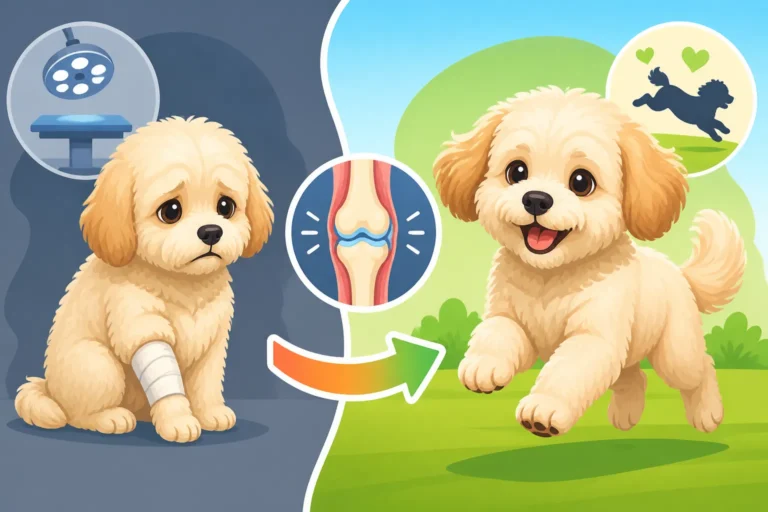
- Patellar Luxation (Slipping Kneecaps): This is perhaps the most common orthopedic issue in Maltipoos. It occurs when the kneecap (patella) slips out of its normal groove in the thigh bone (femur). It can range from mild (Grade 1), where the kneecap slips occasionally and corrects itself, to severe (Grade 4), where the kneecap is permanently dislocated, causing significant lameness and pain. You'll often notice a skip or hop in their gait, or they might hold up a back leg for a few steps. While not directly life-threatening, severe, untreated patellar luxation can lead to chronic pain, arthritis, and a significantly reduced quality of life, which impacts their overall well-being and ability to exercise. Our article on Slipping Kneecaps in a Maltipoo offers a comprehensive overview of this condition. Sometimes, surgery is required to correct it, which can be an unexpected cost, as detailed in What Patella Surgery Costs on a Six Pound Maltipoo.
- Legg-Calve-Perthes Disease (LCPD): Less common than patellar luxation but still a concern for small breeds, LCPD affects the hip joint. It's a degenerative disease where the head of the femur (thigh bone) spontaneously begins to degenerate due to an interruption of blood supply. This leads to the breakdown of bone, causing pain and lameness, typically appearing in puppies between 6 and 12 months of age. Like patellar luxation, LCPD significantly impacts mobility and comfort, and surgical intervention is often necessary. While not directly fatal, chronic pain and immobility can lead to secondary health issues and reduce a dog's overall vitality.
- Management: For both conditions, early diagnosis is vital. Depending on the severity, treatment can range from pain management, anti-inflammatory medications, and controlled exercise to surgical correction. Maintaining a healthy weight is also crucial to reduce stress on affected joints.
Other Health Concerns: Hypoglycemia, Tracheal Collapse, and Eye Conditions
Beyond dental and orthopedic issues, Maltipoos can face other health challenges that require attention to ensure a long life.
- Hypoglycemia (Low Blood Sugar): As mentioned with "Teacup" Maltipoos, hypoglycemia is a significant risk for very young or unusually small puppies, but even some older, stressed, or sick Maltipoos can be prone to it. Their tiny bodies have limited fat reserves and can quickly burn through their sugar stores. Symptoms include lethargy, disorientation, wobbling, trembling, and in severe cases, seizures and loss of consciousness. Prompt intervention with a sugar source (like Karo syrup) is crucial. While typically outgrown, vigilance is key in the early months.
- Tracheal Collapse: This is a progressive condition where the cartilage rings of the trachea (windpipe) weaken and flatten, making it difficult for air to pass to the lungs. It's more common in small breeds and can be exacerbated by obesity, excitement, or pulling on a collar. Symptoms include a characteristic "honking" cough, difficulty breathing, and exercise intolerance. While not typically fatal on its own, severe tracheal collapse significantly impacts a dog's ability to breathe and enjoy an active life. Management often involves weight control, avoiding collars (using a harness instead), medications, and in severe cases, surgery.
- Eye Conditions: Maltipoos can inherit various eye conditions from their parent breeds. These include Progressive Retinal Atrophy (PRA), which leads to blindness, and issues like cataracts or distichiasis (extra eyelashes growing inward). While blindness itself isn't life-threatening, it can reduce a dog's quality of life and increase the risk of accidents if not managed well. Regular eye exams can help detect issues early, and for some conditions, treatment can preserve vision or manage discomfort. You may also wonder Whether a Maltipoo Gets Heart Disease; heart murmurs and mitral valve disease are possibilities to monitor, particularly as they age.
By being aware of these potential challenges and working closely with your veterinarian for preventative care and early detection, you can significantly improve your Maltipoo's chances of navigating them successfully and living a full, happy life.
Proactive Steps for Maximizing Your Maltipoo's Fifteen Years (and Beyond)
So, you want your Maltipoo to not just reach fifteen, but to thrive every single year of their life? That's the dream, and it's an achievable one with consistent, loving, and proactive care. It's all about building good habits and planning for the long haul.
Daily Care Routines for a Long and Happy Life
A long life for your Maltipoo isn't about grand gestures; it's about the consistency of daily routines.
- Daily Dental Care: We cannot stress this enough. Brushing your Maltipoo's teeth every single day is the single most impactful thing you can do to prevent dental disease. Start early when they are puppies, making it a positive experience with a soft finger brush and flavored enzymatic toothpaste. Even if you can't get to every tooth, consistency with the front and outer surfaces makes a huge difference. Think of it as part of their morning cuddle routine!
- Regular Grooming and Coat Maintenance: Maltipoos have those gorgeous, non-shedding coats that are prone to matting. Daily or at least every-other-day brushing and combing, working from the skin out, prevents painful mats that can lead to skin infections and uncomfortable trips to the groomer for a shave-down. Regular professional grooming, typically every 6-8 weeks, is also essential. This also includes keeping their facial hair trimmed to prevent irritation to their eyes and to reduce tear staining.
- Appropriate Exercise: While Maltipoos aren't marathon runners, they still need regular, moderate exercise to maintain a healthy weight, strong muscles, and mental stimulation. Daily walks, playtime in a secure yard, or indoor games are perfect. Tailor the activity to their size and energy level. Avoid overexertion, especially in extreme weather, and always be mindful of their small size around larger dogs at the park.
- Mental Stimulation: Don't forget their intelligent Poodle side! Puzzle toys, short training sessions, and interactive games keep their minds sharp and engaged, preventing boredom and potential behavioral issues. A mentally stimulated dog is generally a happier, healthier dog.
Financial Planning for Lifetime Care
Let's be realistic: a lifetime with a beloved pet, especially one that lives 15+ years, comes with financial responsibilities. Health emergencies, chronic conditions, and routine care add up.
- Emergency Fund or Pet Savings: It's wise to set aside funds specifically for your Maltipoo's potential vet bills. An emergency fund can save you from difficult decisions if a sudden illness or accident occurs. This is particularly true as they age, when conditions like kidney disease or Whether a Maltipoo Gets Cataracts can become more prevalent.
- Pet Insurance: This can be an absolute lifesaver. Pet insurance works similarly to human health insurance, helping to cover unexpected veterinary costs, surgeries, and treatments for illnesses and accidents. Many plans also offer wellness add-ons for routine care. Investing in pet insurance when your Maltipoo is young and healthy can mean you're covered for conditions that develop later in life. Companies like Healthy Paws are well-known for their comprehensive coverage options. Having a robust plan can prevent financial stress when difficult health choices arise. For example, if your Maltipoo develops a condition like patellar luxation, having insurance like Healthy Paws in place before it's diagnosed could make a huge difference in affording potential surgery. It’s also important to consider Insuring a Maltipoo Before Its Knees Go to ensure these common issues are covered.
- Budgeting for Routine Costs: Beyond emergencies, factor in the regular costs: high-quality food, treats, annual vet check-ups, vaccinations, parasite prevention, grooming appointments, and dental cleanings. Being prepared financially allows you to always make decisions based on your Maltipoo's needs, not your wallet.
Adapting Care as Your Maltipoo Ages
Just like us, Maltipoos change as they get older. An older Maltipoo needs an adjusted approach to care to keep them comfortable and happy into their senior years.
- Recognizing Signs of Aging: Look for subtle changes: a little more sleeping, slower on walks, clouding of the eyes (cataracts), stiffness, increased thirst, or changes in appetite. These aren't necessarily signs of severe illness but indicators that their needs are shifting.
- Adjusting Diet and Exercise: As they slow down, their caloric needs often decrease, so you might need to adjust their food portions to prevent weight gain. Senior-specific dog foods can also be beneficial, formulated to support joint health, cognitive function, and organ health. Gentle, shorter walks are often better than long, strenuous ones, and swimming can be excellent for arthritic joints. Consider ramps for accessing furniture to protect aging joints.
- Increased Veterinary Attention: Senior Maltipoos often benefit from semi-annual vet check-ups instead of annual ones. This allows for more frequent monitoring of organ function (with blood and urine tests), early detection of age-related diseases, and management of chronic conditions like arthritis or heart disease. Your vet might recommend supplements for joint health or medications to manage pain.
- Comfort and Environment: Ensure their sleeping area is warm, soft, and easily accessible. A comfortable orthopedic bed can make a huge difference for stiff joints. Keep their environment consistent and familiar, as some older dogs can experience cognitive decline. Patience and understanding are key as they navigate their golden years.
By implementing these proactive steps throughout your Maltipoo's life, from puppyhood through their senior years, you are giving them the best possible chance to not only reach that coveted fifteen-year mark but to do so with vitality, comfort, and joy.
Disclaimer
The information provided in this article is intended for general knowledge and informational purposes only, and does not constitute medical advice for pets. Always consult with a qualified veterinarian for any health concerns or before making any decisions about your pet's health or treatment.