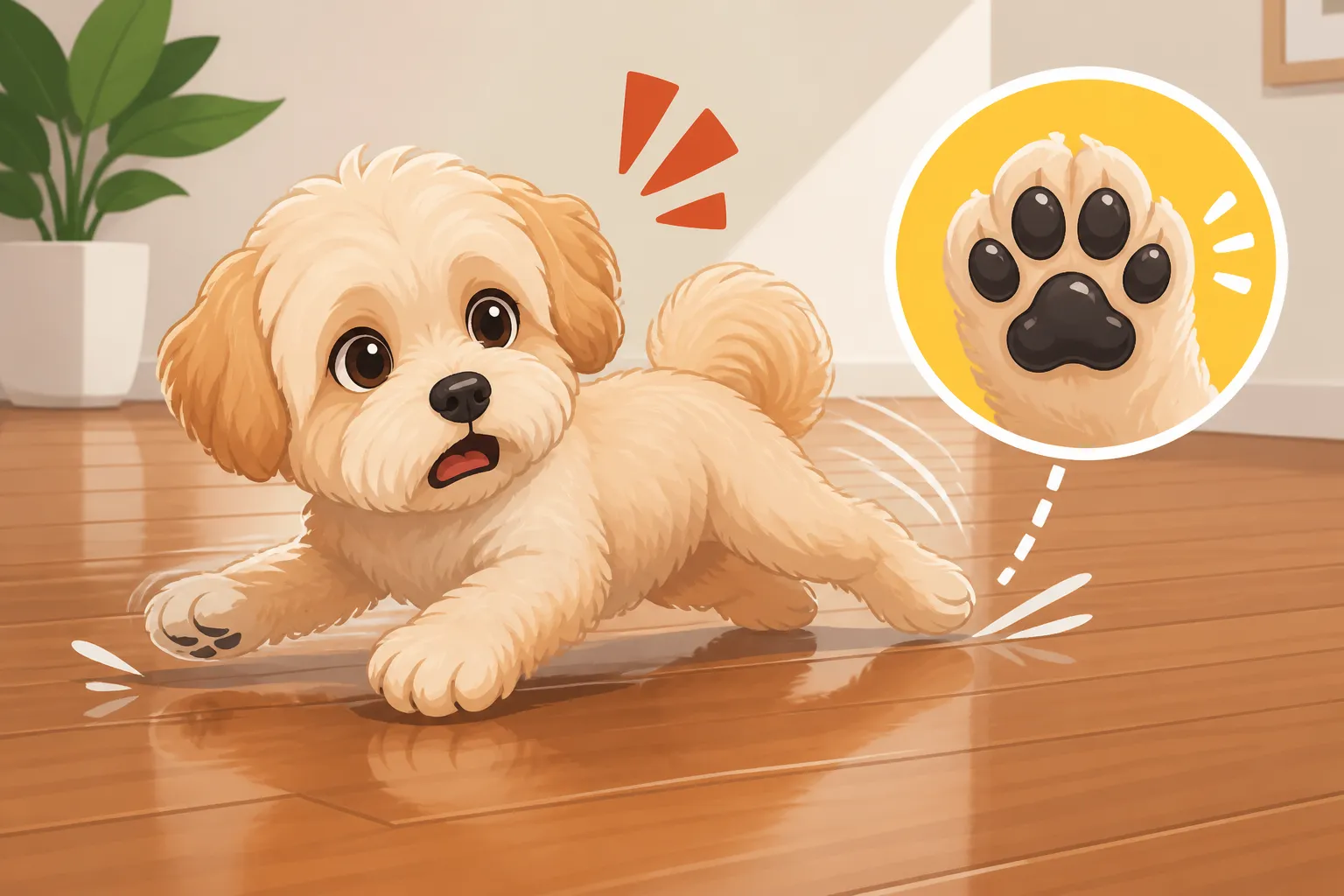
Whether a Maltipoo Skids on Hardwood
One of the trickiest things about having a tiny, quick Maltipoo zipping around the house is watching them navigate slick surfaces like hardwood, laminate, or tile. It's truly heartbreaking to see your little companion lose their footing, splay out, or even fall, and it immediately makes you worry about their delicate joints and overall safety. This guide is all about understanding why your Maltipoo struggles on slippery floors and, more importantly, what you can do to make your home a safer and more comfortable haven for them.
Why Hardwood is a Hazard for a Maltipoo
It’s not just your imagination; hardwood and other smooth flooring really do pose a unique challenge for small dogs like Maltipoos. Their physiology, coupled with the nature of these surfaces, creates a perfect storm for slips, falls, and potential injuries that can have lasting consequences. Understanding the root causes helps you address them effectively.
The Physics of Small Paws and Slick Floors
Imagine trying to run across an ice rink in socks; that’s a bit like what your Maltipoo experiences on hardwood. Their tiny paws simply don't have the surface area or the robust pads of larger dogs to get good traction. On a carpet, their claws and paw pads can grip the fibers, providing stability. But on a smooth, unyielding surface, there's nothing to sink into. Their nails, if not kept perfectly trimmed, can actually act like skates, lifting the paw pads further off the ground and reducing any natural grip they might have.
Furthermore, a Maltipoo's center of gravity is low, and their quick, darting movements, which are so charming, become a disadvantage. When they accelerate, turn sharply, or try to stop quickly, they rely heavily on friction. Without it, their momentum carries them, leading to uncontrolled slides. This isn't just an inconvenience; these uncontrolled movements put immense strain on their muscles, ligaments, and joints, especially their knees and hips.
Increased Risk of Joint and Spinal Injuries
The constant slipping and splaying on hardwood floors significantly escalates the risk of several health issues that Maltipoos are already genetically predisposed to. The sudden, unnatural torque on their joints can aggravate existing conditions or even cause new ones. One of the most common concerns is Slipping Kneecaps in a Maltipoo, also known as patellar luxation. This condition, where the kneecap temporarily dislocates, can be made much worse by repeated slips and awkward landings.
Beyond the knees, regular impact and twisting motions can contribute to issues with their tiny spinal discs and hip joints. While less common in Maltipoos than in some other breeds, any spinal strain can be debilitating for such a small dog. Even a seemingly minor fall can lead to a sprain or, in severe cases, a fracture, especially in puppies whose bones are still developing. It’s a constant worry for many Maltipoo owners, knowing that one wrong move could lead to a painful and expensive vet visit.
Psychological Impact and Behavioral Changes
Beyond the physical dangers, continuously struggling on slippery floors can take a toll on your Maltipoo's confidence and overall well-being. A dog that frequently slips and falls may become hesitant to move freely around the house. You might notice them walking gingerly, sticking to rugs, or even becoming reluctant to get up and play. This fear can manifest as anxiety, making them less active and more withdrawn.
They might avoid certain areas of the house entirely, even if those are places they used to love, like a sunny spot by a window or where their favorite toy usually lands. This isn't just about physical limitation; it's about their perception of safety in their own home. A happy dog should feel secure on every surface, able to run, jump, and play without fear of injury. Seeing them tiptoe around or hesitate before crossing a patch of bare floor is a clear sign that the environment is affecting their mental state as much as their physical one.
Recognizing the Signs Your Maltipoo is Struggling
It’s easy to dismiss a little slip as just a quirky dog moment, but for a Maltipoo, these can be indicators of deeper discomfort or even early signs of injury. Being observant and understanding what to look for can help you intervene early and prevent more serious problems down the line.
Hesitation and Reluctance to Move
One of the most telling signs your Maltipoo is struggling with your hardwood floors is a noticeable hesitation before moving across them. You might see them pause at the edge of a rug, peering at the bare floor as if deciding whether the risk is worth it. They might even whine softly or look at you for assistance, signaling their discomfort. Instead of confidently trotting into the kitchen for a treat, they may now creep along the wall or take a circuitous route to stay on any available runner.
This isn't just them being "lazy"; it's a learned behavior based on past negative experiences. They remember the feeling of losing their grip, the slight panic of a slip, or perhaps even the pain of a minor fall. Over time, this reluctance can lead to a significant decrease in their overall activity level, which then contributes to other health issues like weight gain or muscle atrophy, further exacerbating their instability on slick surfaces. Watching their confidence wane is truly heartbreaking for any pet parent.
Splaying, Wobbling, or Short, Choppy Steps
Observe your Maltipoo closely when they do venture onto bare floors. Are their legs splaying out to the sides, looking almost like they’re doing the splits? Do they wobble noticeably as they try to maintain balance? Or perhaps they’ve adopted a new gait, taking very short, stiff, almost tiptoeing steps, rather than their natural, fluid trot. These are all clear indications that they are having trouble finding purchase and are actively fighting to stay upright.
You might also see their claws making scraping sounds on the floor, especially when they try to push off or stop. This noise signifies that their nails are making primary contact instead of their paw pads, which is a symptom of poor traction. If your Maltipoo is exhibiting any of these behaviors, it's a red flag. It means they're putting extra strain on their joints and muscles with every movement, increasing the likelihood of injury and discomfort, particularly to their knees. Understanding The Four Patella Grades and Where a Maltipoo Lands can help you recognize how these movements might impact their joint health.
Practical Solutions to Make Your Home Safer
The good news is that you don't have to rip out all your beautiful hardwood floors to keep your Maltipoo safe. There are numerous practical, easy-to-implement solutions that can dramatically improve their traction and comfort, transforming your home into a safe playground rather than a treacherous obstacle course.
Strategic Placement of Non-Slip Rugs and Runners
The most effective and often simplest solution is to break up large expanses of slippery flooring with strategically placed non-slip rugs and runners. Think about the high-traffic areas where your Maltipoo walks most frequently: paths to food and water bowls, sleeping spots, entryways, and favorite play areas. Ensure these rugs have a rubberized backing to prevent them from sliding around themselves, which would defeat the purpose.
You can find a vast selection of sizes, shapes, and styles on platforms like Amazon or Chewy, allowing you to match your decor while prioritizing your dog’s safety. Consider continuous runners in hallways and larger area rugs in living spaces. The goal is to create safe "islands" and "pathways" that your Maltipoo can confidently navigate. This instantly provides them with the grip they need, reducing slips and giving them back their confidence to move freely. It also minimizes the risk of them Whether a Maltipoo Can Be Injured by a Fall due to slick floors.
Paw Protection: Socks, Wax, and Trims
Sometimes, rugs aren't enough, or your Maltipoo still needs extra grip in uncovered areas. This is where specialized paw protection comes in handy. Non-slip dog socks, often with rubber grips on the bottom, can provide immediate traction. It might take a little getting used to for your Maltipoo, but many adapt quickly, especially when they realize they can move more confidently. Brands like Chewy offer various options, and looking at customer reviews can help you find ones that stay on well for small breeds.
Another fantastic option is paw wax or balms. These products create a tacky, protective layer on their paw pads, significantly increasing grip on smooth surfaces. They also offer the added benefit of moisturizing and protecting their paw pads from dryness or cracking. You apply it directly to their paw pads, and it usually lasts for several hours. Regularly trimming the hair between their paw pads is also crucial, as excess hair can further reduce traction. And, of course, keeping their nails trimmed short is paramount, as long nails push their paw pads up, making slipping inevitable. Understanding how fast a Maltipoo's nails grow can help you maintain this vital aspect of paw care.
Ramps and Pet Steps for Furniture
Many Maltipoos love to be up on the sofa or bed with their humans, but jumping on and off can be incredibly dangerous on slippery floors or even just due to their small stature. The impact of landing on hard floors after jumping down, or the strain of launching themselves up, can lead to serious joint injuries, particularly to their fragile kneecaps. This is especially true for older Maltipoos or those with existing joint issues.
Introducing pet steps or a ramp is a game-changer. These provide a safe, gentle incline or staircase for your Maltipoo to access furniture without risky jumps. Place them firmly against the sofa or bed, ensuring they don't wobble. Again, you can find many styles on Amazon and other pet supply retailers that blend seamlessly with your home decor. Teaching your Maltipoo to use these might take a little patience and positive reinforcement, but it's a small investment for their long-term health and safety. You can read more about this in Whether a Maltipoo Should Use Steps to the Sofa.
| Solution | Description | Benefits | Considerations |
|---|---|---|---|
| Non-Slip Rugs/Runners | Carpets or mats with rubber backing placed on hardwood/tile. | Instant traction, covers large areas, easy to implement, aesthetic variety. | Requires regular cleaning, may not cover every inch, some dogs might still try to avoid. |
| Paw Wax/Balm | Topical balm applied to paw pads for increased grip. | Discreet, effective, moisturizes pads, good for targeted grip. | Needs reapplication, can be messy if not absorbed, might feel unusual to some dogs initially. |
| Non-Slip Dog Socks/Boots | Socks or booties with textured soles that fit over paws. | Excellent traction, protects paws from elements, available in various sizes. | Can be difficult to keep on, some dogs dislike wearing them, requires finding the right fit. |
| Nail & Paw Pad Trimming | Keeping nails short and hair between paw pads clipped. | Essential for natural paw pad grip, prevents "skating" effect from long nails. | Requires regular maintenance (every 2-4 weeks), some dogs are resistant to nail trims. |
| Pet Ramps/Steps | Provides safe access to elevated surfaces like beds and sofas. | Prevents jump-related injuries, builds confidence, easy for older/arthritic dogs. | Takes up floor space, may require training, needs to be sturdy and non-slip itself. |
Regular Grooming and Weight Management
Two seemingly unrelated aspects of care actually play a huge role in your Maltipoo's ability to navigate slippery floors: grooming and weight. Overgrown nails, as mentioned, are a major culprit for poor traction. They prevent the paw pads from making proper contact with the ground, essentially turning your dog's feet into miniature ice skates. Regular nail trims, ideally every 2-4 weeks, are non-negotiable. If you're nervous about doing it yourself, your groomer or vet can assist.
Similarly, excess hair between their paw pads can become matted and slick, further reducing grip. A good groomer will trim this hair flush with the paw pads. Beyond their paws, maintaining a healthy weight is critical. An overweight Maltipoo puts more strain on their joints, making them even more susceptible to injury from slips and falls. Every extra pound increases the load on their knees, hips, and spine. Ensuring your Maltipoo is at a healthy weight through a balanced diet and appropriate exercise, such as The Walk a Six Pound Maltipoo Actually Needs, will significantly improve their agility and stability. Consider measuring their food carefully, as even a small amount over their needs, like too many calories for a How Many Ounces a Four Pound Maltipoo Eats, can lead to weight gain.
Long-Term Strategies for Joint Health
Beyond immediate safety measures, thinking long-term about your Maltipoo's joint health is paramount, especially given their predisposition to conditions like patellar luxation. Proactive care can help keep their joints strong and resilient, making them naturally more stable on their feet, regardless of the surface.
Diet and Nutritional Support
A high-quality diet forms the foundation of overall health, including joint health. Look for dog foods that feature ingredients known to support joints, such as glucosamine, chondroitin, and omega-3 fatty acids. These nutrients help maintain cartilage health and reduce inflammation, which can alleviate joint pain and improve mobility. While most premium dog foods include these, for a small breed like a Maltipoo, sometimes additional supplementation is beneficial. Brands like Ollie often offer fresh, nutrient-dense food options that can contribute positively to overall health and vitality.
Consult your veterinarian about whether your Maltipoo might benefit from specific joint supplements. These can be particularly helpful for dogs entering their senior years or those with a history of joint issues. While Whether a Maltipoo Needs Supplements is a common question, for a breed prone to knee problems and navigating slick floors, the answer is often yes. These supplements can support cartilage repair and lubrication, making their movements smoother and less painful, thereby potentially reducing the risk of a slip leading to a significant injury.
Regular, Controlled Exercise
Consistent, moderate exercise is vital for maintaining muscle strength, flexibility, and coordination, all of which contribute to your Maltipoo's stability. While they might be small, Maltipoos still need daily activity to keep their muscles toned. However, this exercise should be controlled, especially if they already show signs of joint weakness. Avoid high-impact activities like excessive jumping or running on hard surfaces.
Instead, opt for gentle walks on varied terrain (grass, dirt paths) to build muscle evenly without undue stress. Short, supervised play sessions on carpeted areas are also excellent. Strong leg and core muscles act as natural shock absorbers and provide better support for their joints, making them less prone to instability on slick floors. A well-exercised Maltipoo is a more confident and coordinated Maltipoo, less likely to struggle with everyday movements.
Routine Veterinary Check-ups
Regular veterinary check-ups are essential for monitoring your Maltipoo's joint health and catching any issues early. Your vet can assess their gait, examine their joints for signs of laxity or pain, and recommend appropriate interventions. If your Maltipoo frequently slips, it’s worth discussing this pattern with your vet, as it could be an indicator of an underlying orthopedic issue.
Early diagnosis and management of conditions like patellar luxation, for instance, can prevent them from worsening. Your vet can advise on suitable pain management strategies, anti-inflammatory medications, or even discuss surgical options if necessary. While What a Surgeon Does to a Maltipoo's Kneecap can sound daunting, early intervention can often lead to a better quality of life. Furthermore, during these check-ups, your vet can also monitor their weight and advise on any dietary adjustments or specific supplements that would best support their individual needs as they age. This comprehensive approach ensures your Maltipoo remains as active and comfortable as possible throughout their life, particularly as you start Caring for a Maltipoo Past Ten.
Disclaimer
This article is for general informational purposes only and does not constitute professional advice. Laws, prices and regulations vary by location and change over time. Consult a qualified professional for guidance on your specific situation.