The Retinal Disease a Maltipoo Gets From the Poodle
It’s truly heartbreaking to notice subtle changes in your beloved Maltipoo, especially when those changes hint at something affecting their precious eyesight. Many of us worry about the genetic predispositions that can come with designer breeds, and for Maltipoo parents, eye health is a common concern. This guide will delve deep into the retinal disease your Maltipoo can inherit from their Poodle lineage, offering you a comprehensive understanding of what to watch for and how to provide the best care.
Understanding Progressive Retinal Atrophy PRA in Maltipoos
When you bring a Maltipoo into your life, you're embracing a wonderful mix of two fantastic breeds: the charming Maltese and the intelligent Poodle. Both bring their own unique traits, but unfortunately, they can also pass down certain genetic conditions. One of the most significant eye health concerns derived from the Poodle side is Progressive Retinal Atrophy, often simply called PRA. This isn't just a simple vision impairment; it's a degenerative condition that slowly but surely leads to blindness. It's a diagnosis that can hit hard, but understanding it is the first step in managing it effectively.
The Genetic Link to the Poodle Parent
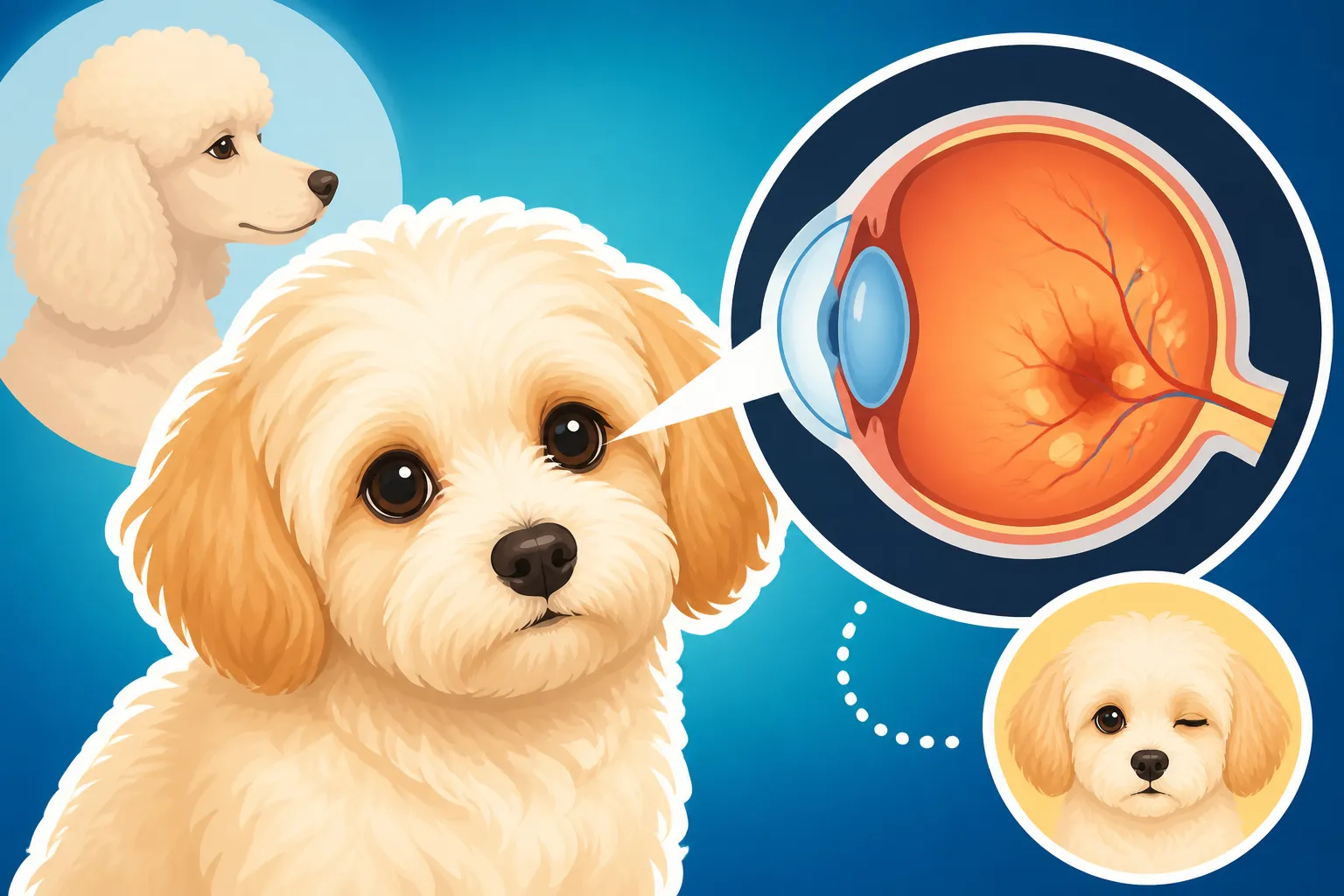
The "Poodle" half of your Maltipoo is where the primary risk for certain types of PRA originates. Poodles, particularly Miniature and Toy Poodles, are known to carry the genes for several forms of PRA, with progressive rod-cone degeneration (prcd-PRA) being one of the most common. This is an inherited condition, meaning it’s passed down from parents to offspring. If a Maltipoo inherits two copies of the affected gene—one from each parent—they will develop the disease. If they inherit only one copy, they become a carrier, meaning they won't typically show symptoms themselves but could pass the gene on to their puppies if bred. This genetic lottery is why responsible breeding practices are so crucial, as we’ll discuss later.
It’s important to understand that just because a Maltipoo has a Poodle parent doesn't automatically mean they will get PRA. It depends on the genetic makeup of both parents and whether they were tested and found to be clear, carriers, or affected. A reputable breeder will always be transparent about the health testing of their breeding stock, especially concerning genetic eye conditions. Without this knowledge, you're essentially rolling the dice, and the thought of your furry family member slowly losing their sight is something no one wants to face.
How PRA Affects Vision Over Time
Progressive Retinal Atrophy, as its name suggests, is a progressive disease. It doesn't happen overnight, which can make early detection tricky. It begins with the degeneration of the rod cells in the retina, which are responsible for vision in low light. This means the first symptom you might notice is your Maltipoo struggling with night vision. Imagine walking into a dimly lit room and bumping into furniture or hesitating at the threshold – that's often what a dog with early PRA experiences. As the disease advances, the cone cells, which are responsible for daylight and color vision, also begin to degenerate. Eventually, this leads to complete blindness.
The rate of progression can vary between individual dogs and different forms of PRA. Some Maltipoos might show symptoms relatively early in life, perhaps around 3-5 years of age, while others might not exhibit significant signs until they are much older. It's a cruel condition because it steals their world bit by bit, making familiar environments suddenly confusing and frightening. As a pet parent, observing these changes can be distressing, and it often leads to frantic searches for answers and solutions to help your furry companion adjust.
Recognizing the Early Signs of PRA in Your Maltipoo
Detecting PRA early can be challenging because dogs are incredibly adaptable creatures. They often compensate for vision loss, especially if it happens gradually. However, being observant and knowing what to look for can make a significant difference in how quickly you can get a diagnosis and start making adjustments for your Maltipoo. Your vigilance is key, as your Maltipoo relies on you to notice when something isn't quite right.
Changes in Night Vision and Navigating Darkness
The very first and often most noticeable symptom of PRA in a Maltipoo is a decline in night vision, also known as nyctalopia. This happens because the rod cells, which handle low-light vision, are the first to be affected. You might start to notice your Maltipoo hesitating before entering a dark room or refusing to go outside alone at dusk or after dark. Perhaps they trip over familiar objects in dimly lit hallways, or they seem more disoriented in areas with poor lighting.
Think about how your Maltipoo normally navigates your home after sunset. Do they confidently trot through the house, even with minimal light? If you suddenly see them bumping into furniture, walking tentatively, or seeming startled by things they usually ignore in the dark, these are red flags. They might become more dependent on you to guide them, or they might stick closer to well-lit areas. This is a crucial early indicator, and any sudden increase in clumsiness or reluctance to move in low light warrants a closer look from your vet. For instance, if your Maltipoo usually zips down the hall to their bed at night, but now they are slowing down, sniffing the floor, and bumping into the wall, it's time to pay attention.
Subtle Behavioral Cues and Anxiety
Beyond just physical navigation, vision loss can manifest in a variety of subtle behavioral changes. A Maltipoo who is losing their sight might become more anxious or clingy. They might startle easily if approached from an unexpected direction, as they can't see you coming. This heightened anxiety can sometimes lead to an increase in barking or even nipping out of fear, especially if they feel vulnerable. You might notice them staying closer to your side, seeking reassurance more often, or being reluctant to explore new places or even familiar spaces they usually love.
They might also rely more heavily on their other senses. You could observe them sniffing the ground more intensely on walks, listening more acutely to household sounds, or even wanting to touch and lean on you more for guidance and security. A once playful and independent Maltipoo might become more reserved, preferring to stay in their bed or in a secure, familiar spot. These changes, though not always directly linked to "eyesight," are often a direct result of their evolving perception of the world around them. It's a sad realization that their world is shrinking, and their confidence is taking a hit.
Physical Eye Changes and Cataracts
While PRA primarily affects the retina, over time, secondary physical changes in the eyes can become apparent. One of the most common secondary conditions associated with PRA is the development of cataracts. As the retina degenerates, it can release certain substances that contribute to the clouding of the lens, which is what a cataract is. So, while PRA itself is a retinal issue, you might notice your Maltipoo's eyes appearing cloudy or bluish-white, which indicates cataracts.
Beyond cataracts, you might also observe changes in the pupil. In an attempt to let in more light, a Maltipoo's pupils might become permanently dilated, even in bright environments. This wide-eyed look can be a subtle sign of advanced PRA. The reflective tapetum lucidum at the back of the eye, which helps with night vision, can also become more prominent, giving the eyes a more reflective, greenish-yellow sheen when light hits them. Regular eye examinations are incredibly important, and understanding The Eyes a Maltipoo Gets From the Poodle will help you know what to expect and what to monitor.
Diagnosing PRA and Genetic Testing Options
If you suspect your Maltipoo is showing signs of vision problems, your first and most crucial step is to consult your veterinarian. While your regular vet can perform an initial examination, a definitive diagnosis of PRA often requires the expertise of a veterinary ophthalmologist. These specialists have the advanced equipment and training to thoroughly examine the retina and confirm the presence and type of retinal degeneration.
Comprehensive Ophthalmic Examination
A veterinary ophthalmologist will conduct a thorough eye examination. This isn't just a quick peek; it involves a series of specialized tests to assess the health of your Maltipoo’s entire eye structure, from the cornea to the retina. They'll typically use an ophthalmoscope to visualize the retina directly, looking for characteristic signs of degeneration, such as thinning of the retinal layers or changes in blood vessel patterns. They might also perform an electroretinogram (ERG), which is a diagnostic test that measures the electrical responses of the cells in the retina to light. This test is invaluable because it can detect PRA even before clinical signs of vision loss are apparent, providing an early and definitive diagnosis.
An ERG will show reduced or absent electrical activity in the retina, confirming that the rod and cone cells are not functioning correctly. This comprehensive approach ensures that they differentiate PRA from other eye conditions that might present similar symptoms, such as sudden acquired retinal degeneration syndrome (SARDS) or cataracts that are not secondary to PRA. Understanding the specific diagnosis is vital for planning future care and setting realistic expectations. This is also where a good pet insurance plan, like one from Healthy Paws, could potentially help cover the costs of these specialized diagnostics.
Genetic Testing for PRA Predisposition
One of the most powerful tools in diagnosing and, more importantly, preventing PRA is genetic testing. For several forms of PRA, including prcd-PRA, specific DNA tests are available. These tests can determine if a Maltipoo is clear (meaning they don't carry the gene), a carrier (meaning they carry one copy but won't develop the disease themselves), or affected (meaning they have two copies of the gene and will likely develop the disease). The sample for this test is usually a simple cheek swab or blood sample, making it non-invasive and easy to perform.
Knowing your Maltipoo's genetic status, especially for breeding dogs, is paramount. If you have a Maltipoo puppy, especially one whose parents weren't health tested, you might consider having this test done, particularly if there’s any family history of eye issues. This information can not only help you prepare for potential future vision loss but also ensures that responsible breeders can make informed decisions to avoid passing on the gene. This type of foresight can prevent significant heartache and expense later on, and savvy pet owners appreciate the transparency in genetic health. Knowing The Age prcd-PRA Takes a Maltipoo's Sight is vital for understanding what to expect with a positive genetic test.
Understanding the Prognosis and Next Steps
Receiving a diagnosis of PRA can be devastating, but it’s important to remember that it's not a death sentence. The prognosis for vision is unfortunately progressive blindness, meaning there is no cure to reverse or stop the retinal degeneration. However, it's not a painful condition, and your Maltipoo can still live a full, happy life with appropriate adjustments and care. The "next steps" involve preparing your home, establishing routines, and focusing on their overall well-being.
Your veterinary ophthalmologist will discuss the expected progression for your Maltipoo's specific type of PRA and advise you on how to manage their environment. This is a time for empathy and proactive planning. While the emotional toll on owners is high, your Maltipoo doesn't mourn their lost vision in the same way humans do; they adapt. This is where your role as a loving guide becomes even more critical. You'll want to focus on creating a safe and predictable world for them, ensuring their golden years are as comfortable and joyful as possible.
Living with a Maltipoo Affected by PRA
Adjusting to life with a blind or visually impaired Maltipoo might seem daunting at first, but with a little patience, consistency, and a lot of love, your furry friend can continue to thrive. They rely on their human companions to be their eyes and provide a secure environment where they can feel confident and safe. It's a journey of adaptation for both of you, but one that strengthens your bond immeasurably.
Adapting Your Home Environment for Safety
One of the most important things you can do for a Maltipoo with PRA is to create a safe and consistent home environment. Start by thinking like your dog: what obstacles might they encounter? The key is consistency. Avoid rearranging furniture. If you absolutely must move something, do it slowly and deliberately, guiding your Maltipoo around the new placement multiple times until they learn the new layout. Use baby gates to block off stairs or unsafe areas, especially if your Maltipoo has a habit of jumping off high places, which could also lead to issues like Slipping Kneecaps in a Maltipoo.
Consider adding textured mats or rugs to signal changes in elevation or entrances to different rooms. For example, a sisal mat by the back door can tell them they're about to go outside. Nightlights can be helpful in hallways or around their bed, providing a faint glow even when their vision is severely compromised, or as a general comfort. Also, keep pathways clear of clutter – shoes, toys, laundry baskets can become tripping hazards for a visually impaired dog. Remember, their world is becoming smaller through their eyes, so your steady environment helps expand it through their memory and other senses.
Maintaining a Routine and Emotional Support
Dogs thrive on routine, and for a visually impaired Maltipoo, a predictable schedule is an absolute lifeline. Stick to consistent feeding times, potty breaks, and walk schedules. This predictability helps reduce anxiety and builds confidence, as they know what to expect throughout their day. When interacting with them, always speak to them gently before touching them to avoid startling them. Use consistent verbal cues for commands like "step up," "step down," "wait," or "this way."
Emotional support is paramount. A Maltipoo who is losing their sight might become more dependent on you for comfort and reassurance. Spend extra time cuddling, playing gentle games, and engaging in activities that stimulate their other senses. Scent games, puzzle toys that make sounds, or even just long petting sessions can be incredibly enriching. Your calm demeanor and reassuring presence will be their anchor. Remember, their world is perceived primarily through scent and sound now, so these interactions are even more important.
Supporting Your Maltipoo's Overall Well-being
Beyond managing their immediate environment, supporting your Maltipoo's general health is critical. Regular veterinary check-ups are essential, and your vet can advise on any supplements that might support eye health (though they won't cure PRA). Ensure they maintain a healthy weight, as obesity can complicate mobility and overall comfort for any dog, let alone one navigating blindness. Provide them with comfortable bedding in a safe, familiar spot where they can rest undisturbed. You might consider a Maltipoo sling or carrier for walks or outings to keep them close and secure.
Consider enrolling in a class or seeking guidance from a professional dog trainer specializing in working with blind dogs. They can offer invaluable tips and techniques for communication and enrichment. While PRA is specific to the eyes, other general health concerns can impact your Maltipoo’s quality of life. Be mindful of their dental health, as The Forty Two Teeth Crowding a Maltipoo's Jaw can be prone to issues. Keep up with grooming, including regular ear cleaning and nail trims, to ensure they are comfortable and clean. Maintaining their physical well-being contributes significantly to their mental and emotional health.
Preventative Measures and Responsible Breeding
While PRA is a genetic condition, there are certainly steps that responsible owners and breeders can take to minimize its prevalence and impact. Prevention truly is key, especially when it comes to inherited diseases that can significantly impact a dog's quality of life. Education and informed choices are your best defense.
The Importance of Responsible Breeder Selection
Choosing a responsible breeder is perhaps the single most impactful preventative measure you can take against PRA and many other inherited conditions. A reputable Maltipoo breeder will prioritize the health and genetic soundness of their breeding dogs above all else. They will conduct comprehensive health screenings, including genetic testing for PRA, on both the Maltese and Poodle parents, before breeding them. They should be able to provide clear documentation of these health clearances. This often involves screening by a veterinary ophthalmologist and specific DNA tests.
A responsible breeder will openly share the results of these tests and explain what they mean. They will never breed a dog that is affected by PRA, and they will carefully consider breeding carriers, often only pairing them with a dog that is genetically clear. This meticulous approach helps to reduce the incidence of PRA in future generations of Maltipoos. Be wary of breeders who cannot or will not provide health clearances, or those who claim their dogs are "too small" or "too young" for such tests. Remember, while a Maltipoo puppy might seem healthy at eight weeks, inherited diseases can take years to manifest. Always ask about The Four Certificates a Maltipoo Breeder Should Show to ensure you are getting a healthy puppy.
Genetic Screening for Breeding Dogs
Genetic screening for PRA is not just a suggestion; it's an essential practice for anyone involved in breeding Maltipoos. As mentioned, DNA tests can identify if a dog is clear, a carrier, or affected by prcd-PRA. Breeders should invest in these tests for all their breeding stock. By doing so, they can make informed decisions about pairings that will not produce affected offspring. For example, a carrier dog can safely be bred to a clear dog, as none of the puppies will be affected, though some may be carriers themselves. However, breeding two carriers together or an affected dog to any other dog significantly increases the risk of producing puppies that will develop PRA.
This proactive screening not only protects the health of individual puppies but also contributes to the long-term health of the entire Maltipoo lineage. It reduces the emotional and financial burden on future owners, who might otherwise face significant vet bills and the heartbreak of watching their beloved companion lose their sight. While pet insurance companies like Healthy Paws can assist with unexpected medical costs, preventative measures at the breeding stage are always the first and best line of defense.
Regular Vet Check-ups and Eye Health Monitoring
Even if your Maltipoo comes from thoroughly health-tested parents, regular veterinary check-ups, including specific eye health monitoring, remain incredibly important throughout their life. Your general veterinarian can perform routine eye examinations during their annual wellness visits. They will check for any visible abnormalities, changes in pupil size, or early signs of cataracts. They can also refer you to a veterinary ophthalmologist if they notice anything concerning or if your Maltipoo starts exhibiting signs of vision loss.
These regular check-ups are your opportunity to discuss any subtle changes you've observed in your Maltipoo's behavior or navigation skills. Early detection, even if there's no cure, allows you to implement adaptations sooner, making the transition for your Maltipoo much smoother. Catching problems early allows for timely intervention, helps monitor the progression of any condition, and ensures your Maltipoo receives the best possible care for their entire Twelve to Fifteen Years a Maltipoo Lives. Don't underestimate the power of consistent professional oversight in safeguarding your Maltipoo's health.
Disclaimer
The information provided in this article is for educational and informational purposes only, and does not constitute veterinary medical advice. Always consult with a qualified veterinarian or veterinary ophthalmologist for any health concerns or before making any decisions about your pet's health or treatment.