Whether a Maltipoo Is Prone to Pancreatitis
It's incredibly worrying when you notice your sweet Maltipoo isn't quite themselves, especially when their tummy seems off. Pancreatitis is one of those conditions that can sneak up on us, and as a small breed owner, you're right to wonder if your Maltipoo is particularly susceptible to this painful and potentially serious inflammatory disease. This guide is here to shed light on what pancreatitis is, why it might affect your Maltipoo, how to spot the signs, and most importantly, how we can help manage and potentially prevent it.
Understanding Pancreatitis in Our Beloved Maltipoos
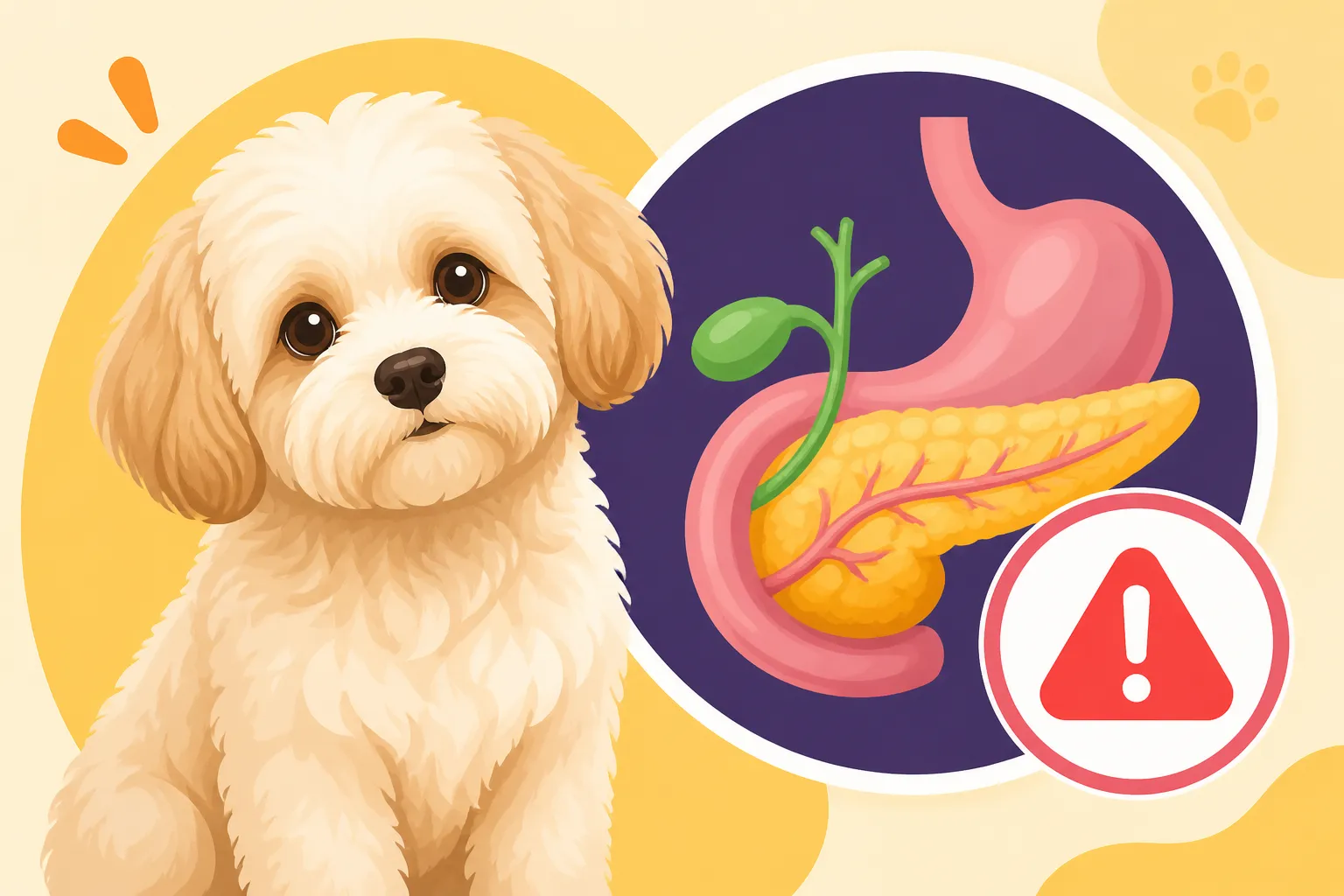
The pancreas is a small but mighty organ tucked away near your Maltipoo's stomach and small intestine, quietly performing two essential jobs. It produces enzymes vital for digestion – breaking down fats, proteins, and carbohydrates from their food – and it creates hormones like insulin, which regulate blood sugar. When this delicate balance is disrupted, and the pancreas becomes inflamed, that's what we call pancreatitis. It's a condition that can range from a mild, almost unnoticeable irritation to a severe, life-threatening emergency, and it's a concern for many small breed owners.
The Role of the Pancreas and What Goes Wrong
Think of the pancreas as a miniature factory working tirelessly behind the scenes. Its digestive enzymes are usually "inactive" until they reach the small intestine, where they're activated to do their job. In pancreatitis, however, these enzymes activate prematurely inside the pancreas itself, essentially causing the organ to start digesting itself. This leads to inflammation, pain, and damage to pancreatic tissue. When the pancreas is inflamed, it can also affect its ability to produce insulin, which, in severe or chronic cases, can lead to diabetes, adding another layer of complexity to your dog's health. It’s a cascading problem that can throw off a lot of other bodily functions, making your Maltipoo feel truly miserable.
Why Small Breeds, Including Maltipoos, Can Be More Susceptible
It's a frustrating reality for many small dog owners: certain conditions seem to target our tiny companions more often. Pancreatitis is one of them. While any dog can develop pancreatitis, breeds like Miniature Schnauzers, Yorkshire Terriers, and yes, even our beloved Maltipoos, seem to have a higher predisposition. The exact reasons aren't always crystal clear, but several factors are thought to play a role:
- Genetics: There may be a genetic component that makes some small breeds more prone to the condition, though specific genes haven't been definitively identified for Maltipoos.
- Dietary indiscretion: This is a big one. Small dogs often get a bite of "human food" more frequently, whether it's an accidental drop from the table or an intentional treat. Foods high in fat, like bacon grease, fried chicken skin, or rich gravies, are notorious triggers. Even a tiny piece of something fatty can be enough to overload a small Maltipoo's system, causing the pancreas to go into overdrive and become inflamed. This is why being mindful of what a Maltipoo eats is critical; even a small portion of table scraps can cause serious issues. If you’re ever wondering about safe human foods, it’s worth researching The Table Foods That Send a Maltipoo to the Vet.
- Obesity: Being overweight puts extra strain on all organ systems, including the pancreas. An obese Maltipoo is at a higher risk of developing pancreatitis. If your Maltipoo is carrying a few extra pounds, you might want to look into Getting a Pound Off an Overweight Maltipoo as part of their overall health plan.
- High-fat diets: While commercial dog foods are generally balanced, some have higher fat content than others. For a predisposed Maltipoo, even a regular diet that's too rich could be an issue over time.
- Hyperlipidemia: This is a condition where there's an abnormally high level of fats (lipids) in the blood. Some small breeds are naturally more prone to this, and it’s a known risk factor for pancreatitis.
- Trauma or certain medications: Although less common, abdominal trauma or adverse reactions to certain drugs can also trigger an episode.
It really feels like our Maltipoos are living on a knife's edge sometimes, doesn't it? Their small size means that what might be a minor indulgence for a larger dog can be a serious medical event for them. This inherent susceptibility means that Maltipoo owners need to be extra vigilant and proactive in their care.
Recognizing the Subtle and Not-So-Subtle Signs of Pancreatitis
One of the hardest parts about pancreatitis is that the symptoms can be vague, mimicking other gastrointestinal upsets. Our Maltipoos are also experts at hiding discomfort, so you might not see obvious signs until the condition is quite advanced or severe. Knowing what to look for, even the smallest changes in behavior, can make all the difference in getting timely treatment.
Common Symptoms You Might Overlook
Initial signs of pancreatitis can be easily dismissed as just a "bad tummy day," but for a Maltipoo, they warrant closer attention. Here's what to watch for:
- Lethargy and Weakness: Your normally energetic Maltipoo might seem unusually tired, uninterested in play, or reluctant to move. They might sleep more than usual or just seem "off."
- Loss of Appetite: This is a common sign. They might turn their nose up at their favorite kibble or treats, or eat only a small amount and then walk away.
- Vomiting: This can range from occasional to frequent. Bile (yellow liquid) or undigested food might be present.
- Diarrhea: Stools can be soft, watery, or even contain mucus or blood in more severe cases.
- Abdominal Pain: This can be tricky to spot. Your Maltipoo might hunch their back in what's known as a "prayer position" (front paws down, rear end up) to try and relieve discomfort. They might also growl or cry if you try to touch their belly, or simply be very still and withdrawn.
- Fever: While you can't check this without a thermometer, your dog might feel warm to the touch.
- Dehydration: Excessive vomiting and diarrhea can quickly lead to dehydration, especially in a small dog. Their gums might feel tacky, or their skin might lose elasticity.
Any one of these symptoms, especially if combined with others, should raise a red flag. Small dogs, due to their limited reserves, can decline very quickly, so vigilance is key.
When to Seek Immediate Veterinary Attention
While some mild cases of pancreatitis might resolve on their own with a day or two of bland food and rest, it's always best to consult your vet if you suspect pancreatitis, especially if symptoms are severe or persistent. Here's when you absolutely need to drop everything and head to the emergency vet:
- Severe, persistent vomiting and diarrhea: If your Maltipoo can't keep anything down, including water, and is having continuous bouts of diarrhea, they are at high risk for dehydration and electrolyte imbalance.
- Extreme pain: If your Maltipoo is crying out, panting heavily, hunched, refusing to move, or acting aggressively due to pain, it's an emergency.
- Collapse or extreme weakness: If your dog becomes limp, unresponsive, or can't stand, this indicates a critical situation. You might also notice them shivering or trembling excessively, which could be a sign of pain or severe illness and warrants immediate vet attention. It's always better to be safe than sorry, even if you’re unsure Whether a Trembling Maltipoo Is Cold or Sick.
- Pale gums or cold extremities: These can be signs of shock or severe dehydration.
Remember, early diagnosis and aggressive treatment significantly improve the prognosis for pancreatitis. Don't wait to see if things get better, especially with a small breed like a Maltipoo. Your vet will likely perform blood tests, including a pancreatic-specific lipase test (cPL or fPL for cats/dogs), and potentially X-rays or ultrasound to confirm the diagnosis and rule out other conditions.
Here's a quick reference table for symptoms:
| Symptom Group | Common Indicators for Maltipoos | Urgency Level |
|---|---|---|
| Behavioral | Lethargy, reluctance to play, hiding, withdrawal | Moderate to High |
| Appetite | Refusal to eat, picky eating, loss of interest in food | Moderate |
| Gastrointestinal | Vomiting (occasional to frequent), diarrhea, soft stools | Moderate to Urgent |
| Pain | Hunching ("prayer position"), abdominal tenderness, crying when touched, restless | High to Urgent |
| General | Fever (warm to touch), dehydration (tacky gums), shivering | High to Urgent |
| Critical | Collapse, extreme weakness, unresponsiveness, pale gums | EMERGENCY |
Managing and Preventing Pancreatitis: A Lifelong Commitment
Once a Maltipoo has had a bout of pancreatitis, even a mild one, they are unfortunately predisposed to future episodes. This means managing and preventing the condition becomes a lifelong commitment. The good news is that with careful attention to diet and lifestyle, many Maltipoos can live full, happy lives without recurring issues. It requires consistency and a deep understanding of their needs.
Dietary Management: The Cornerstone of Prevention and Treatment
Diet is arguably the most critical factor in managing and preventing pancreatitis in Maltipoos.
- Low-Fat Diet: This is paramount. For dogs prone to pancreatitis, a diet that is low in fat is essential. Your vet might recommend a prescription low-fat food, such as Hill's Prescription Diet i/d Low Fat or Royal Canin Gastrointestinal Low Fat. These diets are carefully formulated to provide all necessary nutrients while minimizing pancreatic stress. Even if your Maltipoo is not currently showing symptoms, if they've had pancreatitis before, this type of diet is usually recommended long-term.
- No Table Scraps: This cannot be stressed enough. Even a tiny bite of greasy human food – a sliver of fatty meat, a potato chip, or a dollop of gravy – can be enough to trigger a painful episode in a sensitive Maltipoo. It's tough to resist those pleading eyes, but it's for their own good. If you absolutely must share, stick to plain, cooked, lean vegetables like green beans or carrots, and only in very small quantities.
- Controlled Treats: Be extremely selective with treats. Many commercial dog treats are surprisingly high in fat. Opt for low-fat options, or use plain pieces of their low-fat kibble as rewards.
- Consistent Feeding Schedule: Feeding small, frequent meals can be beneficial for some dogs, as it avoids overloading the digestive system. However, for a Maltipoo, you also need to ensure you're not overfeeding calorie-wise. Remember, How Many Calories a Six Pound Maltipoo Needs is surprisingly few, and even a slight excess can lead to weight gain, increasing risk.
- Avoid Sudden Dietary Changes: Introduce any new food very gradually over several days to a week to prevent gastrointestinal upset.
Lifestyle Adjustments to Minimize Risk
Beyond diet, there are several lifestyle factors that can influence your Maltipoo's risk of pancreatitis:
- Weight Management: Keeping your Maltipoo at a healthy, lean weight is crucial. Obesity is a significant risk factor. Regular exercise appropriate for their size, combined with a strictly controlled diet, will help maintain an ideal body condition. Your vet can help you determine the ideal weight for your individual Maltipoo.
- Stress Reduction: While not a direct cause, stress can sometimes exacerbate underlying health issues. A calm, consistent routine, plenty of comfortable resting spots, and positive interactions can contribute to their overall well-being.
- Safe Environment: Ensure your Maltipoo doesn't have access to garbage or other sources of inappropriate fatty foods. This means securing trash cans and being mindful of dropped food when entertaining guests.
- Regular, Moderate Exercise: Just like with us, consistent physical activity can contribute to overall health and help maintain a healthy weight. However, don't overdo it. A Maltipoo typically needs moderate walks and playtime, not strenuous activity.
The Importance of Regular Vet Check-ups and Early Diagnosis
Your veterinarian is your most important partner in managing your Maltipoo's health.
- Annual Wellness Exams: Regular check-ups are vital for monitoring your Maltipoo's overall health, catching subtle changes, and discussing any concerns. Your vet can assess their weight, listen to their heart, and perform blood work if necessary, which might include liver and kidney function tests, though a specific pancreatic test might only be run if symptoms are present. Proactive monitoring can save a lot of heartache (and expense) down the line. The Yearly Checks a Maltipoo Should Get are a non-negotiable part of responsible ownership.
- Open Communication: Don't hesitate to call your vet if you notice any changes in your Maltipoo's appetite, energy levels, or bathroom habits. Even if it seems minor, it's better to get professional advice.
- Understanding Medications: If your Maltipoo is on any medications for other conditions, discuss with your vet if any of them could potentially impact pancreatic health.
- Pet Insurance: Given the potential for recurring issues and the cost of emergency care, having pet insurance can be a huge relief. Companies like Healthy Paws can help cover the expenses associated with diagnostic tests, hospitalization, and ongoing treatment for conditions like pancreatitis, giving you peace of mind that you can afford the best care for your furry family member. It’s always worth looking into Whether Pet Insurance Pays Off on a Maltipoo before a crisis hits.
What to Expect During a Pancreatitis Episode and Recovery
Experiencing a pancreatitis flare-up with your Maltipoo can be incredibly stressful, both for you and for them. Understanding the typical course of treatment and what recovery might look like can help you feel more prepared and in control.
Veterinary Treatment Approaches
The core of pancreatitis treatment is supportive care, aiming to reduce inflammation, manage pain, and allow the pancreas to rest and heal. There's no single "cure" for pancreatitis; instead, treatment focuses on addressing the symptoms and supporting the dog's body through the acute phase.
- Pain Management: This is often the first priority. Pancreatitis is excruciatingly painful. Your vet will administer strong pain medications, which might include opioids, to keep your Maltipoo comfortable.
- Fluid Therapy: Dehydration is a major concern, especially for small dogs. Intravenous (IV) fluids are almost always administered to correct dehydration, maintain electrolyte balance, and support blood flow to the pancreas and other organs.
- Anti-Nausea and Anti-Vomiting Medications: These are crucial to stop vomiting, which further contributes to dehydration and discomfort, and allows your Maltipoo to gradually tolerate food.
- Resting the Pancreas: Traditionally, withholding food and water for 24-48 hours was standard practice to "rest" the pancreas. However, current veterinary thinking often favors early, gentle nutrition (small amounts of easily digestible, ultra-low-fat food) to support gut health, as long as vomiting is controlled. Your vet will determine the best approach based on your Maltipoo's specific condition.
- Antibiotics: While pancreatitis is primarily an inflammatory condition, not a bacterial infection, antibiotics might be used if there's a concern about secondary bacterial infections, especially in severe cases where tissue damage is extensive.
- Hospitalization: Most acute cases, particularly in small breeds, require hospitalization for several days to allow for continuous monitoring, IV fluid administration, and medication. The cost of such care can add up quickly, which is another reason why comprehensive pet insurance, like a plan from Healthy Paws, can be invaluable.
Long-Term Care and Prognosis
After an acute episode, your Maltipoo will transition to recovery at home. This is where your commitment to their long-term care really comes into play.
- Strict Dietary Adherence: As discussed, a lifelong low-fat diet is usually recommended. Your vet will guide you on the best prescription food and how to transition your Maltipoo onto it. This diet will be the cornerstone of preventing future flare-ups.
- Medication Schedule: You might be sent home with oral pain medication, anti-nausea drugs, or other supportive treatments. It's crucial to follow your vet's instructions precisely.
- Monitoring at Home: You'll need to closely watch for any returning symptoms. Keep a journal of their food intake, eliminations, and energy levels. Report any concerns to your vet immediately.
- Follow-up Appointments: Regular follow-up visits will be scheduled to monitor your Maltipoo's recovery, perform repeat blood tests, and adjust their care plan as needed.
- Prognosis: The prognosis for pancreatitis varies greatly depending on the severity of the initial episode, whether it's acute or chronic, and how quickly treatment was initiated. Mild cases often recover fully with appropriate care. Severe cases can be life-threatening, but many dogs can still recover with intensive veterinary support. However, once a dog has had pancreatitis, they are always at risk for recurrence, making diligent dietary and lifestyle management essential. Some Maltipoos may develop chronic pancreatitis, which requires ongoing management, or even secondary conditions like diabetes or exocrine pancreatic insufficiency (EPI), where the pancreas doesn't produce enough digestive enzymes. These conditions require additional medications and dietary adjustments. It’s a serious condition that requires dedication and understanding from an owner.
Living with a Maltipoo prone to pancreatitis means being extra careful, but it doesn't mean a diminished life for your furry friend. With proper care, a strict low-fat diet, and vigilant monitoring, your Maltipoo can continue to bring joy and companionship to your life for many years to come. Thinking about proactive health management, you might consider questions like The Twelve to Fifteen Years a Maltipoo Lives and how you can ensure the best quality of life throughout.
Disclaimer
This article is intended for informational purposes only and does not constitute veterinary advice. Always consult with a qualified veterinarian for any health concerns or before making any decisions about your pet's medical care.