Tear Duct Problems in a Maltipoo
It can be incredibly frustrating to see those reddish-brown streaks marring your Maltipoo's beautiful, bright face, especially when you know you're doing your best to keep them clean. Tear duct problems in Maltipoos are a common, often chronic issue that leaves many owners feeling helpless and worried. This comprehensive guide will delve deep into why your furry friend might be experiencing excessive tearing and staining, how to manage it, and when it’s time to call in the professionals.
Understanding Tear Staining in Maltipoos
Those reddish-brown streaks beneath your Maltipoo's eyes are more than just a cosmetic concern; they're often a sign that something is amiss with their tear drainage system or eye health. It’s a common complaint among owners of light-colored breeds, and Maltipoos, with their delicate features and often white or cream coats, are particularly susceptible.
What Exactly Is Tear Staining?
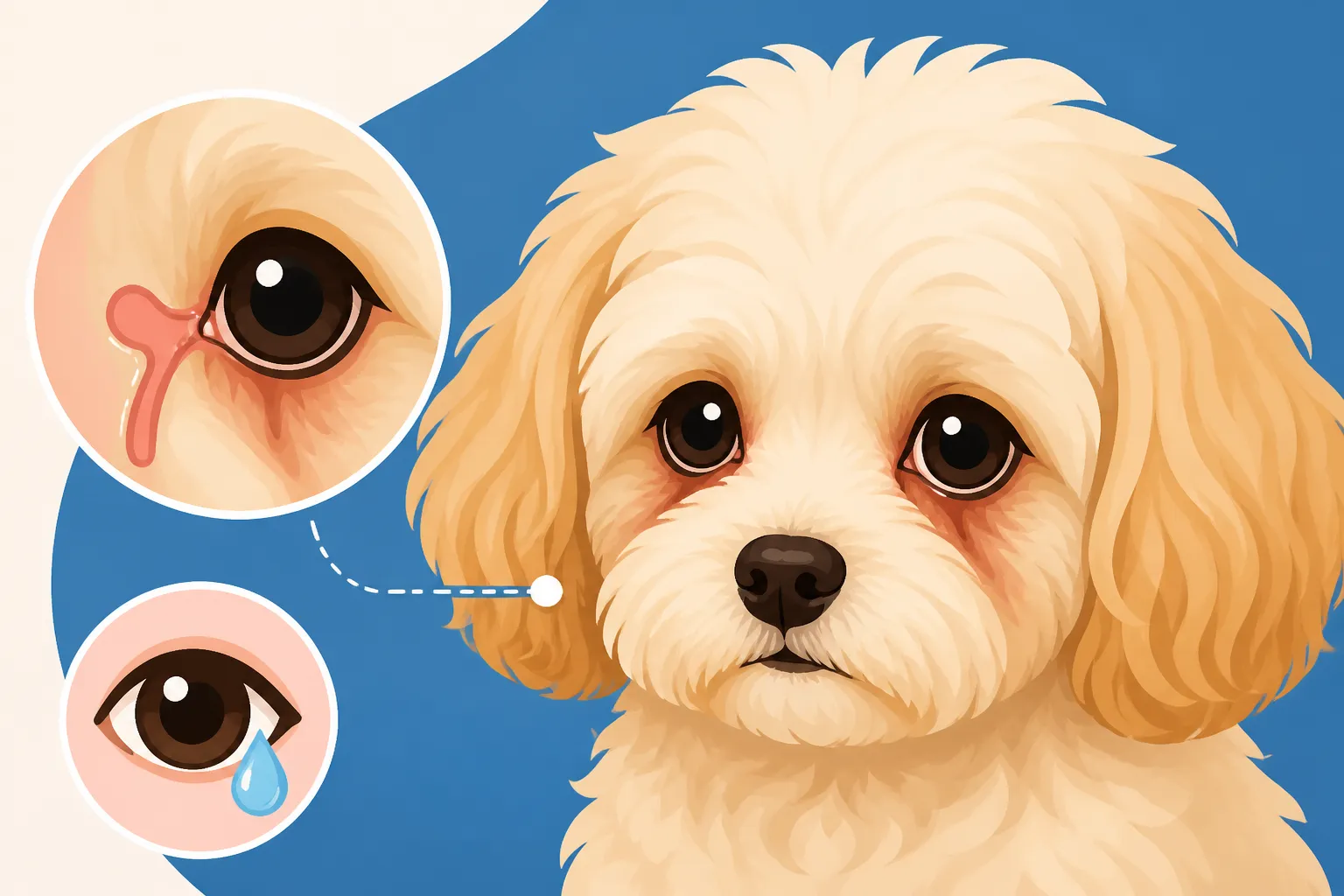
Tear staining, medically known as epiphora, refers to the excessive production of tears or an impairment in their drainage, leading to tears overflowing onto the facial fur. The reddish-brown color isn't actually the tears themselves, but rather a pigment called porphyrin. Porphyrins are iron-containing waste products primarily excreted through tears, saliva, and urine. When these porphyrin-rich tears are consistently exposed to sunlight and air, they oxidize, creating that tell-tale rusty hue that clings stubbornly to your Maltipoo's delicate facial hair. It can sometimes be mistaken for blood, but it's typically just this pigment.
Beyond the visible staining, persistent dampness from tears can create a breeding ground for yeast and bacteria, especially the Malassezia yeast, which can cause a secondary infection and irritation, leading to a foul odor and even further discoloration that appears dark brown or black. This is why addressing the issue is important not just for aesthetics, but for your Maltipoo's comfort and skin health.
Why Maltipoos Are Especially Prone
Maltipoos inherit traits from both their Maltese and Poodle parents, and unfortunately, several of these predispose them to tear staining. Their genetics often bless them with delicate facial structures, shallow eye sockets, and long facial hair that can wick tears onto the fur or even irritate the eye itself.
The Maltese side contributes to their propensity for tear staining due to their breed standard often including large, expressive eyes and a brachycephalic (short-nosed) or semi-brachycephalic facial structure, which can lead to compressed tear ducts. On the Poodle side, while they are generally less prone to severe tear staining, they can contribute to long, fine facial hair that can easily become saturated and stained. Combine these traits, and you have a dog with beautiful, expressive eyes often hidden behind unsightly stains. Factors like allergies, discussed further in Allergies Behind a Maltipoo's Itching, can also play a significant role. These inherent anatomical features mean that for many Maltipoos, some degree of tear staining is almost inevitable without proactive management.
The Difference Between Normal and Problematic Tears
It's important to differentiate between what's considered a normal amount of tearing and what indicates a problem. All dogs produce tears to lubricate and protect their eyes. A healthy Maltipoo will have clear, moist eyes, and while a tiny bit of dampness might be noticed near the inner corner, it shouldn't be consistently wet, discolored, or irritating to the skin.
Problematic tearing, on the other hand, involves constant wetness, significant reddish-brown or dark staining, and often an accompanying odor. You might also notice your Maltipoo rubbing their face, squinting, or showing signs of discomfort. If the tears are cloudy, thick, or yellowish-green, this is a clear sign of infection and requires immediate veterinary attention. Normal tears are clear and don't cause irritation. If you see your Maltipoo's eyes running all the time, or if the tears have changed in color or consistency, it's time to investigate further, as chronic issues often begin subtly.
Common Causes of Tear Duct Problems
Tear duct problems in Maltipoos are rarely due to a single cause; more often, it's a combination of factors working against your pet's delicate eye health. Understanding these potential culprits is the first step toward effective management.
Blocked or Malformed Tear Ducts
One of the most frequent reasons for persistent tear staining in small breeds like Maltipoos is issues with their nasolacrimal ducts, which are the tiny tubes that drain tears from the eyes into the nasal cavity. These ducts can be:
- Congenitally Blocked: Some Maltipoos are born with ducts that are partially or completely closed, a condition often referred to as imperforate puncta or nasolacrimal duct atresia. This means tears simply can't drain properly.
- Narrowed or Kinked: Even if open, the ducts might be too narrow or have an unusual bend, common in dogs with shorter muzzles. This makes drainage inefficient, causing tears to well up and overflow.
- Inflammation or Debris: Allergies, infections, or even tiny foreign bodies can cause inflammation within the ducts, temporarily or permanently narrowing them. Dried discharge or mucus can also create blockages, similar to how a clogged drain works in your sink.
When these ducts aren't functioning optimally, tears have nowhere to go but over the eyelid and onto the fur, leading to the characteristic staining. This is particularly relevant given The Eyes a Maltipoo Gets From the Poodle, as structural issues can be inherited.
Allergies and Irritants
Just like humans, Maltipoos can suffer from allergies, and these can manifest as watery, itchy eyes. Environmental allergens such as pollen, dust mites, mold, or even certain household cleaning products can cause irritation, leading to increased tear production as the eyes try to flush out the irritant. Food allergies are another common culprit, where certain ingredients in their diet can trigger systemic inflammation, including eye irritation.
Beyond allergies, simple irritants can also cause epiphora. Smoke, strong perfumes, scented candles, or even dust from kitty litter can make your Maltipoo's eyes water excessively. Even tiny hairs growing near the eye or debris from playing outdoors can act as physical irritants. If your Maltipoo's eyes seem to run seasonally or after exposure to certain substances, allergies or environmental irritants are strong suspects.
Hair and Eye Structure
A Maltipoo's unique combination of coat and facial structure can be a blessing and a curse. Their beautiful, often long and fluffy facial hair, if not meticulously groomed, can wick tears away from the eye and keep the skin beneath constantly damp, exacerbating staining. More critically, hair growing too close to the eye, or even into the eye itself (ectopic cilia or distichiasis), can act as a constant irritant, causing the eye to tear excessively. This is a common issue that often goes unnoticed by owners.
Furthermore, the shape of a Maltipoo's eyes and eyelids can play a role. Some Maltipoos have eyelids that roll inward (entropion) or outward (ectropion), which can interfere with proper tear distribution and drainage. Shallow eye sockets, also common in small breeds, can make the eyes appear more prominent and thus more exposed to irritants and air, leading to drier eyes that produce more reflex tears to compensate. This is also why Whether Untrimmed Hair Scars a Maltipoo's Cornea is a critical concern, highlighting the importance of proper grooming around the eyes.
Diet and Water Quality
While not always the primary cause, diet and water quality can certainly contribute to tear staining. Some theories suggest that certain ingredients in commercial dog foods, particularly those with artificial colors, fillers, or high amounts of carbohydrates, can increase inflammation or alter a dog's pH balance, leading to more porphyrin excretion in tears. While scientific evidence is still evolving, many owners report improvement after switching to high-quality, limited-ingredient diets or fresh food options.
Similarly, the mineral content in tap water, especially water high in iron, is believed by some to contribute to tear staining. When dogs drink this water, the theory is that the body excretes these excess minerals, including iron, through tears, which then oxidizes on the fur. Many owners find success using filtered, distilled, or purified water for their Maltipoos. It's a simple change that's worth trying, and at the very least, it ensures your Maltipoo is hydrated with cleaner water.
Infections and Other Medical Conditions
Tear staining can also be a symptom of underlying medical issues, not just a problem in itself. Bacterial or yeast infections are common secondary issues arising from the constant dampness under the eyes, but sometimes an infection can be the primary cause of excessive tearing. Conjunctivitis, an inflammation of the eye's lining, can be caused by bacteria, viruses, or even allergies, leading to red, irritated eyes and increased tearing.
Other conditions, though less common, can also lead to epiphora. Glaucoma (increased pressure in the eye), corneal ulcers, or even dental problems (especially abscesses in the upper jaw) can affect tear production and drainage. Even issues like Whether a Maltipoo Gets Dry Eye can lead to reflex tearing as the eye tries to compensate for lack of proper lubrication, ironically making the eyes water more. This is why a thorough veterinary examination is crucial when persistent tear staining is observed, as it could be an indicator of a more serious health concern.
Diagnosing and Treating Tear Duct Issues
When home remedies and careful grooming aren't enough, it's essential to involve your veterinarian. They have the tools and expertise to properly diagnose the root cause of your Maltipoo's tear duct problems and recommend the most effective course of treatment.
The Initial Vet Examination
Your journey to solving your Maltipoo's tear staining will typically begin with a comprehensive physical examination by your vet. They'll closely inspect your Maltipoo's eyes, eyelids, and the surrounding facial structures. This initial visual assessment helps identify obvious issues like ingrown hairs, eyelid abnormalities (like entropion or ectropion), or signs of irritation or infection in the conjunctiva.
The vet will also check for discharge, redness, swelling, and any signs of discomfort. They'll ask about your Maltipoo's diet, environment, grooming routine, and how long the staining has been present. This detailed history is crucial for piecing together the puzzle of contributing factors. Sometimes, just a quick look can reveal something as simple as a piece of debris lodged under an eyelid or a misplaced hair that's been causing chronic irritation. Don't forget, a specialized eye exam might be more expensive, so understanding What an Eye Exam Costs on a Maltipoo can help you prepare.
Diagnostic Tests: Dyes and Imaging
To pinpoint issues with tear production and drainage, your vet will likely perform a few specific diagnostic tests:
- Fluorescein Dye Test: This simple and common test involves applying a harmless, orange-yellow dye to the surface of the eye. The dye spreads across the tear film, and after a few minutes, the vet observes if the dye drains through the nasolacrimal ducts and exits through the nostrils. If the dye doesn't appear at the nostrils, it indicates a partial or complete blockage of the tear duct. It also helps detect corneal abrasions or ulcers, as the dye will adhere to damaged areas.
- Schirmer Tear Test: This test measures tear production. A small strip of filter paper is placed inside the lower eyelid for one minute, and the amount of moisture absorbed is measured. If tear production is too low, it could indicate dry eye, which paradoxically can lead to reflex tearing and staining.
- Nasolacrimal Duct Flushing: If a blockage is suspected, the vet may attempt to flush the tear ducts. This procedure involves gently inserting a small cannula (a thin tube) into the puncta (the opening of the tear duct near the inner corner of the eye) and flushing sterile saline solution through the duct. This can clear minor obstructions and confirm patency. It's often performed under light sedation, as it can be uncomfortable for the dog.
- Imaging (Rarely): In complex or persistent cases, or if other serious underlying conditions are suspected, specialized imaging like X-rays or MRI might be used to get a clearer picture of the nasolacrimal system or surrounding facial structures.
Based on these test results, your vet can develop a targeted treatment plan for your Maltipoo.
Medical Treatments and Medications
Once the cause is identified, medical treatments can range from simple topical solutions to oral medications:
- Antibiotic Eye Drops/Ointments: If a bacterial infection is present, antibiotic drops or ointments will be prescribed to clear it up. This can reduce inflammation and improve tear quality.
- Anti-inflammatory Medications: For cases involving severe inflammation due to allergies or other irritants, topical or oral anti-inflammatory drugs might be used to reduce swelling and discomfort.
- Tear Stimulants/Artificial Tears: If dry eye is contributing to reflex tearing, specific medications like cyclosporine (Optimmune) or tacrolimus (Protopic) can stimulate natural tear production. Artificial tear drops can also help keep the eyes lubricated.
- Antihistamines: For allergy-related tearing, your vet might recommend antihistamines, though their effectiveness varies among dogs.
- Dietary Supplements: While not a "medication," some vets might suggest specific supplements, like probiotics or certain omega-3 fatty acids, to support overall skin and eye health, especially if diet or inflammation is a suspected factor.
It's crucial to follow your vet's instructions precisely regarding dosage and frequency for any prescribed medications. Stopping treatment too early can lead to a relapse.
Surgical Interventions
For some Maltipoos, particularly those with anatomical abnormalities, surgery may be the most effective, or only, long-term solution.
- Nasolacrimal Duct Cannulation and Flushing: If repeated flushing of the tear ducts doesn't provide lasting relief, a more invasive procedure might be performed. Under general anesthesia, a fine tube (cannula) is threaded through the tear duct to ensure it's completely open and free of blockages. In some cases, a small stent might be placed temporarily to keep the duct open during healing.
- Eyelid Surgery (Entropion/Ectropion Correction): If your Maltipoo's eyelids are rolling inward or outward, a surgical procedure can correct this, ensuring the eyelids sit correctly and tears drain properly. This also prevents constant irritation to the cornea.
- Cryosurgery or Electroepilation for Ectopic Cilia/Distichiasis: If ingrown hairs are irritating the eye, specialized procedures can remove the hair follicles to prevent regrowth. This can involve freezing the follicles (cryosurgery) or using an electric current (electroepilation).
- Correction of Lacrimal Puncta: If the tear duct openings (puncta) are too small or completely absent, surgery can create or enlarge them to allow for better tear drainage.
These surgical options are typically considered after less invasive medical treatments have been exhausted or if the anatomical issue is severe enough to warrant immediate intervention. While surgery can be daunting, it can offer a permanent solution for significant tear duct problems, dramatically improving your Maltipoo's comfort and appearance. Many owners consider pet insurance options like Healthy Paws to help manage the cost of these specialized procedures.
Managing Tear Staining and Preventing Complications
Once you understand the underlying issues, a proactive and consistent home care routine becomes essential for managing tear staining and preventing secondary infections. This multi-faceted approach aims to keep the area clean, dry, and free from irritants.
Daily Cleaning Routines
This is arguably the most critical step in managing tear staining. Daily cleaning prevents the buildup of porphyrin-rich tears and discourages bacterial and yeast growth:
- Gentle Wipes: Use soft, lint-free cloths or specialized pet eye wipes specifically designed for tear stains. These often contain gentle cleansing agents that help break down the porphyrin. Look for products that are free of harsh chemicals, bleach, or antibiotics, as overuse of antibiotics can lead to resistance.
- Warm Water or Saline Solution: For everyday cleaning, a cotton ball or soft cloth dampened with warm water or a sterile saline solution (like those used for contact lenses) can be very effective. Gently wipe the area under the eyes, moving away from the eye itself.
- Frequency: Aim for at least once or twice daily. Consistency is key. If you skip a day, the staining can quickly return and become harder to remove.
- Drying: After cleaning, it's crucial to thoroughly dry the area with a clean, dry cloth or a cotton pad. Moisture is the enemy when it comes to tear staining and skin irritation. A quick dab with cornstarch or a pet-safe drying powder can also help absorb residual moisture, though be careful not to get powder into the eyes. This is a vital part of The Daily Face Wipe a Maltipoo Needs.
Dietary Adjustments and Supplements
While results can vary, many owners find that certain dietary changes can help reduce tear staining, particularly if underlying allergies or sensitivities are at play.
- High-Quality, Limited-Ingredient Diet: Consider switching your Maltipoo to a premium dog food with fewer ingredients and novel protein sources. Avoid foods with artificial colors, preservatives, and fillers. Sometimes, a grain-free diet can make a difference, but always consult your vet before making significant dietary changes. Brands like Healthy Paws often emphasize the importance of good nutrition for overall pet health.
- Filtered Water: As mentioned earlier, using filtered, distilled, or purified water instead of tap water can reduce mineral intake that might contribute to porphyrin excretion. It's an easy change to implement.
- Probiotics: Supporting a healthy gut microbiome with a good quality probiotic supplement can sometimes improve overall health and reduce inflammatory responses, potentially lessening tear staining.
- Herbal Remedies and Supplements: Some owners swear by supplements containing ingredients like cranberry extract, Oregon grape root, or specific enzymes, believing they help reduce tear staining. However, always discuss any supplements with your vet first to ensure they are safe and appropriate for your Maltipoo.
Grooming Strategies to Minimize Staining
Grooming plays a monumental role in preventing and managing tear staining on a Maltipoo's fluffy coat.
- Regular Trims: Keep the hair around your Maltipoo's eyes very short. This prevents tears from wicking onto longer strands, reduces irritation, and makes daily cleaning much easier. A professional groomer can perform a sanitary trim around the eyes, or you can learn to do a quick The Two Week Face Trim a Maltipoo Needs at home.
- Topknot/Bands: For Maltipoos with longer hair on their head, gathering it into a small topknot or using a tiny, pet-safe hair band can keep strands out of their eyes, preventing irritation and wicking.
- Brushing: Regular brushing of the facial hair, not just for aesthetics but to prevent mats that can trap moisture and debris, is essential. Keeping a Maltipoo's Face Trimmed and Clean is paramount.
- Professional Grooming: Schedule regular professional grooming appointments. Experienced groomers know how to properly trim the delicate hair around the eyes and provide advice on at-home maintenance. They can also spot early signs of skin irritation or matting that you might miss. Regular Bathing and Drying a Six Pound Maltipoo also contributes to overall hygiene and tear stain management.
Environmental Control
Creating a clean and calm environment can also help reduce tear staining by minimizing irritants and stress.
- Reduce Allergens: If environmental allergies are suspected, try to reduce exposure to common allergens. Use HEPA air filters in your home, vacuum regularly with a pet-specific vacuum, and wash your Maltipoo's bedding frequently.
- Avoid Irritants: Steer clear of strong-smelling perfumes, air fresheners, cleaning products, and smoke around your Maltipoo.
- Eye Protection: When outdoors, particularly in windy or dusty conditions, consider using dog goggles (Doggles) to protect your Maltipoo's eyes from irritants. This might seem extreme, but for highly sensitive dogs, it can make a big difference.
By combining these strategies, you create a robust defense against tear staining, aiming for both a cleaner face and a more comfortable Maltipoo.
When to Seek Veterinary Care
While some mild tear staining might be manageable at home, it's crucial to recognize when the issue warrants a professional veterinary assessment. Ignoring significant or worsening symptoms can lead to more severe problems for your Maltipoo.
Sudden Onset or Worsening
If your Maltipoo suddenly develops tear staining when it wasn't an issue before, or if existing staining rapidly becomes much worse, it's a red flag. A sudden change often indicates an acute problem, such as:
- A new allergy or exposure to an irritant.
- A foreign body lodged in the eye (e.g., a grass seed, piece of dirt).
- The onset of an infection (bacterial or viral conjunctivitis).
- A corneal scratch or ulcer.
These conditions can be painful and progress quickly, potentially leading to permanent eye damage if not addressed promptly. Don't wait to see if it "gets better on its own." Early intervention can prevent minor issues from escalating.
Signs of Pain or Discomfort
Any indication that your Maltipoo is experiencing pain or significant discomfort related to their eyes requires immediate veterinary attention. These signs can be subtle, but they are crucial indicators:
- Squinting or Holding the Eye Shut: This is a strong sign of pain or light sensitivity.
- Excessive Rubbing or Pawing at the Face: If your Maltipoo is constantly trying to rub their face on furniture or paw at their eyes, they are likely irritated or in pain.
- Redness and Swelling: Significant redness of the whites of the eyes (sclera) or swelling around the eyelids.
- Sensitivity to Light: Shying away from bright lights.
- Changes in Behavior: Lethargy, loss of appetite, or general irritability can sometimes accompany eye pain.
These symptoms could point to serious conditions like glaucoma, a deep corneal ulcer, or severe inflammation, all of which require urgent medical care.
Accompanying Symptoms
Beyond eye-specific signs, be on the lookout for other symptoms that might appear alongside tear staining, as they can indicate a systemic issue or a more complex problem:
- Abnormal Discharge: If the tears are no longer clear but appear cloudy, yellow, green, or thick and mucousy, it strongly suggests a bacterial or yeast infection, possibly secondary to the tearing.
- Foul Odor: A strong, unpleasant smell emanating from the stained area often indicates a yeast infection (like Malassezia) has taken hold in the perpetually damp fur.
- Skin Irritation: Redness, inflammation, hair loss, or scabbing on the skin beneath the stained fur are signs of irritation or infection that need treatment.
- Other Allergy Symptoms: If your Maltipoo is also scratching excessively, especially at their ears (Whether Hair Grows Inside a Maltipoo's Ear Canal can be an issue here too) or paws, or experiencing gastrointestinal upset, allergies are likely playing a role and require a broader approach to management.
- Vision Changes: Any noticeable changes in your Maltipoo's vision, such as bumping into things, reluctance to go down stairs, or difficulty tracking objects, are serious and warrant immediate investigation. This could be related to Whether a Maltipoo Gets Cataracts or another vision-impairing condition.
When in doubt, it's always better to err on the side of caution and consult your veterinarian. They can conduct a thorough examination and recommend appropriate diagnostic tests to get to the bottom of the issue, ensuring your Maltipoo receives the care they need. Regular The Yearly Checks a Maltipoo Should Get can help catch these issues early.
Long-Term Outlook and Prevention
Living with a Maltipoo prone to tear staining can feel like an endless battle, but with consistent effort and proper care, you can significantly manage the condition and ensure your furry companion remains comfortable and healthy.
Living with Chronic Tear Staining
For many Maltipoos, especially those with anatomical predispositions, tear staining might be a chronic issue that requires ongoing management rather than a one-time cure. This can be disheartening, but it doesn't mean you're failing your pet. It simply means you'll need to integrate tear stain prevention and cleaning into your daily routine.
Think of it like brushing your own teeth – it's a daily commitment for long-term health. You'll become adept at The Daily Face Wipe a Maltipoo Needs and identifying early signs of irritation or infection. The goal isn't necessarily to achieve a perfectly pristine, stain-free face 100% of the time, but rather to minimize staining, prevent secondary infections, and ensure your Maltipoo is comfortable and healthy. Investing in pet insurance, such as through Healthy Paws, can provide peace of mind for potential chronic conditions or future specialist consultations, ensuring you can always afford the best care for your beloved companion.
The Importance of Regular Check-ups
Even if your Maltipoo's tear staining seems well-managed, regular veterinary check-ups are non-negotiable. These routine visits allow your vet to:
- Monitor Eye Health: They can catch subtle changes in eye structure, tear production, or early signs of other eye conditions, like Whether a Maltipoo Gets Dry Eye, before they become severe.
- Review Treatment Plans: If the staining seems to be worsening or if new symptoms appear, your vet can adjust medications, recommend different cleaning products, or explore new diagnostic avenues.
- Address Underlying Issues: Regular check-ups are also crucial for general health. Sometimes, what seems like an eye issue might be connected to broader health concerns, such as the kind of inherited conditions that could be identified through genetic testing or through monitoring overall health, as is the case with The Liver Shunt a Maltipoo Can Inherit From the Maltese.
- Professional Grooming Advice: Your vet can also offer advice on specific grooming techniques or recommend professional groomers who are experienced with delicate small breed faces. This aligns with the importance of Keeping a Maltipoo's Face Trimmed and Clean.
Remember, your vet is your best partner in managing your Maltipoo's health, and their expertise is invaluable for chronic conditions like tear duct problems.
Proactive Care for a Healthy Maltipoo
Beyond specific tear stain management, a holistic approach to your Maltipoo's health can significantly reduce their susceptibility to eye issues and other health problems.
Here's a table summarizing key proactive care steps:
| Category | Proactive Care Steps | Benefits |
|---|---|---|
| Diet & Hydration | Feed a high-quality, balanced diet; use filtered water. | Reduces inflammation, minimizes porphyrin excretion, supports overall health. |
| Grooming | Regular face trims, daily wiping/drying, professional grooming appointments. | Prevents hair irritation, reduces moisture buildup, minimizes bacterial/yeast growth. |
| Environment | Minimize household irritants (smoke, strong scents), use air purifiers, keep bedding clean. | Reduces allergen exposure, decreases reflex tearing. |
| Regular Vet Checks | Annual check-ups, prompt attention to new or worsening symptoms. | Early detection of underlying conditions, tailored treatment adjustments, overall health monitoring. |
| Dental Health | Regular tooth brushing, professional dental cleanings as recommended. | Prevents dental issues that can impact tear ducts and overall health, especially with The Forty Two Teeth Crowding a Maltipoo's Jaw. |
| Stress Management | Provide a stable, enriching environment; avoid prolonged periods of loneliness or high-stress situations. | Reduces stress-induced physiological responses that can affect various body systems, including tear production. |
By being diligent with these proactive measures, you're not just tackling tear stains; you're investing in the overall well-being and longevity of your cherished Maltipoo. It's about creating an environment and routine that supports their unique needs and helps them thrive, keeping those beautiful eyes bright and clear for years to come.
Disclaimer
The information provided in this guide is for informational purposes only and does not constitute veterinary medical advice. Always consult with a qualified veterinarian for any health concerns or before making any decisions about your Maltipoo's care.