Whether a Maltipoo’s Jaw Can Manage a Chew
You love your Maltipoo with all your heart, and like any dog owner, you want to give them enriching things to do, like enjoying a good chew. But when you look at their delicate little mouth and those tiny teeth, it's totally natural to wonder if their jaw can actually manage a chew safely. This guide is here to walk you through the nuances of choosing the right chews, helping you provide satisfying, safe options for your beloved furry companion.
Understanding Your Maltipoo's Unique Mouth and Jaw Structure
It’s easy to forget just how different a Maltipoo’s anatomy is compared to a larger breed when it comes to something as simple as a chew toy. Their adorable, petite size comes with specific considerations, especially concerning their oral health and jaw integrity. Understanding these unique characteristics is the first step in making informed choices for their safety and well-being.
The Delicate Nature of a Maltipoo's Jaw
Let's be real, a Maltipoo's jaw is not built for cracking open bones or enduring the relentless gnawing a Mastiff might enjoy. Their bones are delicate, and their jaw structure is relatively fine. Imagine trying to use a delicate teacup for a heavy-duty task; it's just not designed for it. This isn't to say they don't have a natural instinct to chew – they absolutely do! But that instinct needs to be channeled safely.
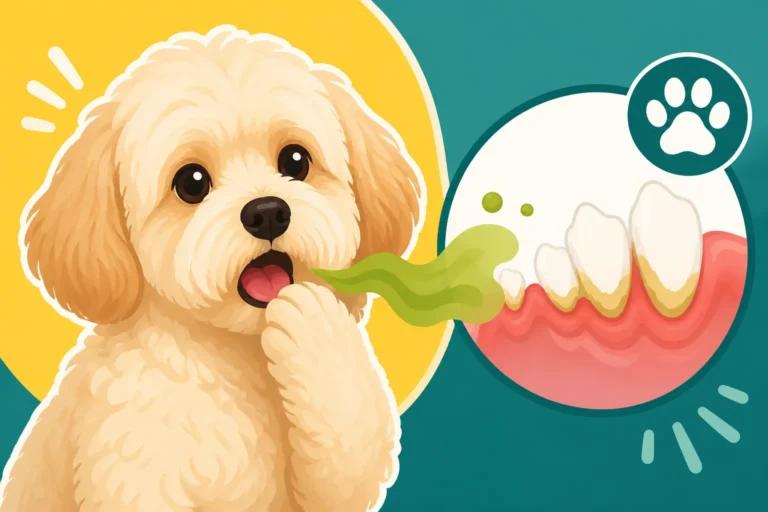
Because their jaws are so small, their teeth are often crowded, leading to a higher predisposition for dental issues like plaque buildup, decay, and even gum disease from a young age. This overcrowding, detailed in The Forty Two Teeth Crowding a Maltipoo's Jaw, means that even a minor dental injury can quickly escalate into a painful problem. A hard chew can easily put undue stress on these crowded teeth, leading to fractures or even affecting the jawbone itself. It's a stark reminder that what might be fine for a larger dog could be downright dangerous for our tiny companions.
The Importance of Dental Health Beyond Chews
While some chews are marketed for "dental health," it's crucial to understand they are never a substitute for a consistent dental hygiene routine. For a Maltipoo, daily tooth brushing is the gold standard, as highlighted in Brushing a Maltipoo's Teeth Every Single Day. Their small mouths are prone to plaque and tartar accumulation, and many don't get the rigorous brushing they truly need.
Beyond plaque, Maltipoos often face issues like retained puppy teeth, where their baby teeth don't fall out naturally, creating a double row of teeth. This traps food particles, encourages decay, and can shift adult teeth into improper positions. These kinds of underlying dental conditions, which you can learn more about in Why a Maltipoo's Baby Teeth Do Not Fall Out, make a Maltipoo's mouth even more vulnerable to injury from inappropriate chews. Giving a hard chew to a dog with a retained tooth or existing dental disease is like asking someone with a sprained ankle to run a marathon – it's just asking for trouble. A chew should be an addition to dental care, not the primary line of defense.
The Risks of Unsuitable Chews for Maltipoos
It’s easy to get overwhelmed by the sheer variety of chews available at stores or online platforms like Chewy or Amazon. Every package promises benefits, but for a Maltipoo, many popular options carry significant risks that can lead to emergency vet visits and serious health problems. Understanding these dangers is paramount to keeping your little one safe.
Choking Hazards and Digestive Issues
One of the most immediate dangers of an unsuitable chew is the risk of choking. Maltipoos, being small, can easily try to swallow pieces that are too large, especially if they are enthusiastic chewers. A piece might break off that's just small enough to swallow but too large to pass comfortably through their narrow esophagus. This can lead to a terrifying choking incident right before your eyes.
Even if they manage to swallow a large piece, it doesn't mean the danger is over. Their tiny digestive systems are not designed to process large, indigestible chunks of material. This can result in gastrointestinal upset, vomiting, diarrhea, or, even worse, an intestinal blockage requiring emergency surgery. Imagine a piece of a rawhide or a very dense dental chew getting lodged in their intestines – it’s a scenario no pet parent wants to face. Symptoms of a blockage can be subtle at first, like lethargy or refusal to eat, but can quickly become life-threatening. Always err on the side of caution when considering any chew that can be broken into swallowable pieces.
Dental Damage: Fractures, Abrasions, and Extractions
This is where the true cost of an inappropriate chew can hit hard, both for your Maltipoo's health and your wallet. Giving a hard chew to a Maltipoo is a leading cause of broken teeth. Their small, often crowded teeth are simply not strong enough to withstand the force required to break down extremely hard materials. A fractured tooth is incredibly painful, exposes the pulp to infection, and almost always requires a costly dental procedure, including potential extraction. The sheer expense of these procedures, as detailed in What Extractions Cost on a Maltipoo and What a Routine Maltipoo Dental Runs, is enough to make any owner think twice.
Beyond fractures, excessively abrasive chews can wear down tooth enamel over time, exposing the sensitive dentin underneath. This can lead to increased sensitivity, pain, and a higher risk of decay. Even some "dental chews" that are too hard can contribute to this wear and tear. It’s a bit like grinding sandpaper on your own teeth – not a pleasant thought. It's vital to remember that not all "dental" products are created equal for tiny mouths. The goal is to clean, not to damage.
Safe Chew Options for Your Maltipoo
Finding safe and enjoyable chew options for your Maltipoo can feel like searching for a needle in a haystack, but rest assured, there are good choices out there! The key is to prioritize softness, digestibility, and appropriate sizing. We want to satisfy their natural chewing instincts without putting their delicate jaws and digestive systems at risk.
Soft, Edible Chews Designed for Small Breeds
When it comes to edible chews, the softer, more pliable options are your best friend. Look for products specifically marketed for "toy breeds" or "small dogs" that emphasize gentle dental cleaning and digestibility. These are often made from ingredients that break down easily in the stomach, reducing the risk of blockages.
Think about dental chews that have a bit of give when you squeeze them, or that you can easily indent with your thumbnail. Many brands offer softer formulas designed to clean teeth through gentle abrasion rather than brute force. For instance, while you're browsing on Chewy or Amazon, pay close attention to the texture descriptions and reviews from other small dog owners. Some softer bully sticks or carefully selected dehydrated meat treats (like thinly sliced chicken or sweet potato) can also work, but always, always supervise your Maltipoo closely with any edible chew. The moment a piece becomes small enough to swallow whole, it's time to take it away. Remember, the goal isn't just that they can chew it, but that they can chew it safely without risk of choking or dental injury.
Non-Edible Chews for Mental Stimulation and When to Discard Them
Sometimes, your Maltipoo just wants to chew for the sheer joy of it, not necessarily to eat the chew. This is where durable, non-edible chew toys come into play. Look for toys made from high-quality, non-toxic rubber or silicone that are appropriately sized for a Maltipoo's mouth. These toys should be too tough to chew into swallowable pieces quickly but pliable enough not to damage teeth.
These types of toys are fantastic for mental stimulation and relieving boredom or anxiety. They come in various shapes and textures, and some can even be stuffed with soft treats (like a smear of peanut butter or a bit of yogurt) to make them more enticing. However, vigilance is key. These toys are not indestructible, and over time, even the toughest ones will start to show wear. Regularly inspect them for cracks, tears, or missing pieces. The moment you see signs of degradation, it's time to discard the toy and replace it. Letting your Maltipoo continue to chew on a damaged toy increases the risk of them ingesting plastic or rubber fragments, which can lead to serious digestive issues. Always remember that a toy should be for chewing, not for eating.
Natural Chews: Proceed with Extreme Caution
"Natural" doesn't always mean "safe," especially for a Maltipoo. Many popular natural chews like antlers, hard bones (cooked or raw), and hooves are simply too hard for their delicate teeth and jaws. While a large dog might gnaw on an antler for days without issue, a Maltipoo could easily fracture a tooth trying to do the same, leading to intense pain and costly vet bills. These types of chews are often harder than your dog's teeth, making dental damage almost inevitable.
Even if a bone doesn't splinter, the abrasive nature can wear down enamel over time. Cooked bones are particularly dangerous as they can splinter into sharp fragments, posing a severe choking and internal injury risk. Raw bones, while generally safer for larger breeds that can crunch them, still present a risk of bacterial contamination and are often too hard for a Maltipoo's small mouth. If you are even considering a natural chew, it is absolutely essential to consult your veterinarian first to discuss the specific product and any potential risks for your individual Maltipoo. Most vets will strongly advise against very hard natural chews for small breeds. Prioritize your Maltipoo's safety and dental health above all else.
Choosing the Right Chew and Supervising Safely
Making smart choices about chews and then overseeing their use is vital for your Maltipoo's health and happiness. It’s not just about picking something off the shelf; it's about being an active participant in their chewing habits to prevent accidents and ensure long-term well-being.
Factors to Consider When Selecting a Chew
When you're standing in front of a wall of chews, or scrolling through countless options on Amazon, it can be overwhelming. Here's how to narrow it down for your Maltipoo:
- Size Matters: The chew needs to be appropriately sized for your Maltipoo's mouth. Too small, and it's a choking hazard they can swallow whole. Too large, and they might struggle to get a good grip, leading to awkward chewing that puts strain on their jaw. It should be big enough that they can't swallow it but small enough to comfortably manipulate.
- The "Bend Test" for Hardness: This is perhaps the most crucial test. A chew should have some flexibility. If you can't easily indent it with your thumbnail, or if it feels like a rock, it's likely too hard for your Maltipoo's teeth. Chews that are harder than your Maltipoo's teeth can cause fractures. Think pliable, not rigid.
- Ingredients and Digestibility: Always read the ingredient list carefully. Look for easily digestible ingredients that don't contain artificial colors, flavors, or preservatives that could upset a sensitive Maltipoo stomach. If you're exploring fresh food options for treats or chews, reputable brands like Ollie often provide transparent ingredient lists. Avoid anything with vague descriptions or a long list of unpronounceable chemicals.
- Manufacturer Reputation: Stick with established brands known for pet safety and quality control. While tempting, extremely cheap or unknown brands might cut corners on ingredients or manufacturing processes.
Essential Supervision and Chew Routines
Even with the safest chew, supervision is non-negotiable. Think of it as supervising a child with a toy – you wouldn't leave them alone with something potentially hazardous.
- Never Unsupervised: This is the golden rule. Always be present when your Maltipoo has a chew. If you have to leave the room, take the chew with you. Accidents happen incredibly fast.
- Time Limits: Limit chewing sessions, especially for edible chews. Ten to fifteen minutes is often plenty. This prevents them from over-chewing and potentially ingesting too much, and it helps you manage when a chew starts to become too small or damaged.
- Post-Meal Chewing: Offering a chew after a meal can reduce the urge to gulp it down quickly out of hunger. A full tummy means they might chew more thoughtfully.
- Regular Inspection: Before and after each session, inspect the chew for any signs of wear, splintering, or if it's becoming too small. Similarly, a quick check of your Maltipoo's mouth for any new redness, bleeding, or sensitivity is a good habit. This adds to your The Daily Routine a Maltipoo Needs.
Alternatives to Traditional Chews
If you're still feeling nervous about traditional chews, or if your Maltipoo has a history of dental issues, there are fantastic alternatives that satisfy their chewing and foraging instincts without the risks.
- Puzzle Toys and Lick Mats: These are brilliant for mental enrichment. Fill a puzzle toy with a soft, dog-safe spread (like plain yogurt or pumpkin puree, or a specific dog-safe paste) or some kibble, and let your Maltipoo work to get it out. Lick mats are also wonderful for calming and engaging them. These keep their mouths busy and brains active without hard chewing.
- Snuffle Mats: These fabric mats have hidden pockets and folds where you can hide kibble or small, soft treats. Your Maltipoo will use their nose and mouth to "snuffle" out the food, which is a natural and satisfying activity that requires no strenuous chewing.
- Interactive Play: Sometimes, all your Maltipoo needs is a good game of fetch or tug-of-war (with a soft toy, of course) to burn off energy and satisfy their need for engagement. A tired Maltipoo is less likely to seek out inappropriate things to chew on out of boredom. For ideas on engaging their Poodle intelligence, look at Whether a Maltipoo Enjoys Puzzle Toys.
Choosing chews for your Maltipoo requires diligence and care, but by understanding their unique needs and focusing on safe, appropriate options, you can provide them with hours of enjoyable, beneficial chewing.
| Chew Type | Suitability for Maltipoo | Pros | Cons | Important Notes |
|---|---|---|---|---|
| Soft Dental Chews | Good. Specifically formulated for small breeds, with some flexibility. | Helps with plaque, often digestible, satisfying texture. | Some can still be too hard if not carefully selected; can be high in calories; still needs supervision to prevent gulping. | Look for "flexible" or "pliable" on the label. Check ingredients for digestibility. Always supervise, and limit session time. |
| Durable Rubber/Silicone Toys | Excellent. Non-edible, designed for chewing, not consumption. | Satisfies chewing urge, good for mental stimulation, long-lasting. | Not for dental cleaning; can still be broken down over time if chewed aggressively; no nutritional value. | Inspect regularly for damage and replace immediately if worn. Choose sizes that can't be swallowed. Stuff with soft treats for extra engagement. |
| Soft Bully Sticks (thin/small) | Use with Caution. If very thin and soft, can be okay, but still need extreme supervision. | Natural, palatable, can be fully digested. | Many are too hard for Maltipoos; choking hazard if large pieces are broken off; can be high in calories. | Opt only for the thinnest, softest variety. Supervise intensely and take away when it gets small. Many vets recommend avoiding for small breeds due to hardness variability. |
| Antlers, Raw/Cooked Bones, Hooves | Avoid. Too hard for a Maltipoo's delicate teeth and jaw. | (None for Maltipoos) | High risk of fractured teeth, enamel wear, jaw injury, choking, internal perforations (cooked bones), bacterial contamination (raw bones). Can lead to costly emergency vet visits. | Strongly not recommended. The risks far outweigh any perceived benefit for a tiny dog. Consult your vet if you're ever considering these for any reason. |
| Hard Biscuits/Treats | Avoid if very hard. While not traditional chews, extremely hard biscuits or treats can pose similar dental risks. | (Limited benefit as a chew) | Can cause tooth fractures or chips, especially if a Maltipoo crunches them with force; little actual chewing engagement compared to other options. | Stick to softer, easily chewable treats for rewards. If you can't break it easily with your hands, it's likely too hard for their teeth. |
Disclaimer
This article is for general informational purposes only and does not constitute professional advice. Laws, prices and regulations vary by location and change over time. Consult a qualified professional for guidance on your specific situation.