Whether a Maltipoo Can Eat With Teeth Missing
It's incredibly worrying to see your sweet Maltipoo struggling with something as fundamental as eating, especially when teeth start to go missing. You might be staring at your little one's bowl, seeing them push food around or drop pieces, and a knot forms in your stomach as you wonder, "Can they even eat properly with fewer teeth?" The good news is that while it presents challenges, many Maltipoos adapt beautifully and can continue to thrive with the right adjustments to their diet and care. This comprehensive guide will walk you through understanding why your Maltipoo might lose teeth, how to recognize eating difficulties, and most importantly, how to ensure they remain well-fed, comfortable, and happy despite the changes in their mouth.
Understanding Why a Maltipoo Might Lose Teeth
Losing teeth can be a natural part of aging for some dogs, but for many Maltipoos, it's often a symptom of underlying oral health issues that have been brewing for a while. Their tiny mouths, while adorable, are often predisposed to dental problems, making tooth loss a more common concern than in some larger breeds.
Common Causes of Tooth Loss in Maltipoos
The primary culprit behind tooth loss in Maltipoos is almost always periodontal disease. This isn't just a bit of bad breath; it's a serious infection of the gums and the structures supporting the teeth, leading to inflammation, pain, and eventually, the loosening and loss of teeth. Imagine if your own teeth were constantly being attacked by bacteria, and your gums were swollen and receding – that's what many small dogs experience. Because Maltipoos have The Forty Two Teeth Crowding a Maltipoo's Jaw, they are particularly susceptible to plaque and tartar buildup. This crowding means there's less space between teeth, creating perfect little pockets for food particles and bacteria to hide and flourish, accelerating the disease process.
Beyond periodontal disease, sometimes retained baby teeth can cause problems. If a Maltipoo's baby teeth don't fall out when their adult teeth come in, it creates even more crowding, making it nearly impossible to keep their mouth clean. This can lead to faster decay and a higher risk of infection for both the baby and adult teeth, potentially requiring extractions down the line. In some cases, trauma—like a fall or chewing on something too hard—can also lead to a fractured tooth that might need to be removed, or even the tooth simply falling out. While less common, some Maltipoos might also have genetic predispositions to weaker tooth enamel or other dental anomalies that make them more prone to loss.
The Impact of Missing Teeth on Oral Health
When a Maltipoo loses a tooth, it's not an isolated event. The gap left behind can actually impact the surrounding teeth and the overall oral environment. For instance, the opposing tooth in the other jaw, now without anything to grind against, might grow longer and impact the gum line. This can create new areas for food and bacteria to accumulate, potentially accelerating periodontal disease in adjacent teeth. Moreover, the loss of one tooth can shift the bite, putting abnormal pressure on other teeth and making them more vulnerable to damage or further loss.
The gums in the area where a tooth was lost need proper care too. While they might heal over, maintaining good hygiene to prevent infection in any remaining gum pockets is crucial. The bone structure supporting the teeth can also start to resorb or shrink when teeth are lost, which can further destabilize neighboring teeth. It's a domino effect, and that's why even after a tooth is gone, vigilance about oral hygiene and regular vet check-ups are still incredibly important for protecting what's left.
How Missing Teeth Affect a Maltipoo's Eating Habits
It's natural for a Maltipoo with missing teeth to change how they approach mealtime. Their tiny mouths are already delicate, and the absence of teeth, especially molars used for grinding, can make the simple act of eating a genuine challenge. You might notice subtle shifts at first, and then more pronounced difficulties, which can be disheartening for any devoted owner.
Challenges with Kibble and Hard Chews
Imagine trying to eat a crunchy cracker when half your teeth are gone or aching. That's essentially what your Maltipoo faces with traditional kibble or hard dental chews. Kibble, designed for chewing, becomes incredibly difficult to manage. Many Maltipoos will attempt to swallow kibble pieces whole, which can lead to digestive upset, or even a choking hazard, especially for a smaller dog. They might also try to use their gums or tongue to mash the food, but this is inefficient and can be painful if their gums are sensitive or inflamed. You might see them drop pieces of food, walk away from their bowl, or take an unusually long time to finish a meal.
Hard chews, which are often recommended for dental health, become counterproductive. Not only can they be impossible to gnaw on without sufficient teeth, but trying to do so can cause pain, further damage to remaining teeth, or even injure tender gums. It's heartbreaking to see your pup turn down a favorite treat or toy because it causes discomfort. Whether a Maltipoo's Jaw Can Manage a Chew is a real concern, and a careful assessment of their chewing ability is needed.
Compensatory Eating Behaviors
Dogs are incredibly resilient and will often find ways to adapt, even when it comes to eating. Your Maltipoo might start favoring one side of their mouth, trying to chew with the teeth that are still present and pain-free. They might tilt their head in an unusual way while eating, or drop food and then pick it up again, attempting to find a softer spot to chew. Some might resort to using their tongue to scoop food, or try to 'gum' it down, pushing food against the roof of their mouth.
Another common compensatory behavior is becoming a "picky eater." It's not necessarily true pickiness; it's often a sign of discomfort. If eating certain foods causes pain, your Maltipoo will naturally avoid them. This can lead to them becoming more interested in softer, easier-to-eat foods, or even refusing meals altogether if the only option available is hard kibble. Recognizing these subtle signs is crucial for understanding their discomfort and adjusting their diet accordingly.
Nutritional Concerns for Dogs with Missing Teeth
When a Maltipoo struggles to eat, their nutritional intake can suffer. If they're swallowing kibble whole, their digestive system might not be able to properly break down and absorb all the nutrients, leading to less efficient digestion. Pain while eating can also reduce their overall food consumption, risking weight loss and nutrient deficiencies. A chronic lack of proper nutrition can impact their immune system, energy levels, and overall health.
It's not just about getting enough calories, but getting the right kind of calories in an easily digestible format. A dog that is constantly in pain or avoiding food due to dental issues can become withdrawn, lethargic, and generally have a lower quality of life. This is why addressing their eating challenges proactively is so important; it directly impacts their ability to thrive. Whether Dental Disease Shortens a Maltipoo's Life by affecting their ability to eat and digest properly is a serious consideration.
Adapting Diet and Feeding Strategies for a Maltipoo with Missing Teeth
The good news is that with a few thoughtful adjustments, your Maltipoo can absolutely eat comfortably and maintain a healthy weight, even with several missing teeth. It’s all about making their food easier to manage and less painful to consume.
Transitioning to Softer Foods
This is often the first and most effective step. Switching to a softer diet can make a world of difference for a Maltipoo with missing teeth.
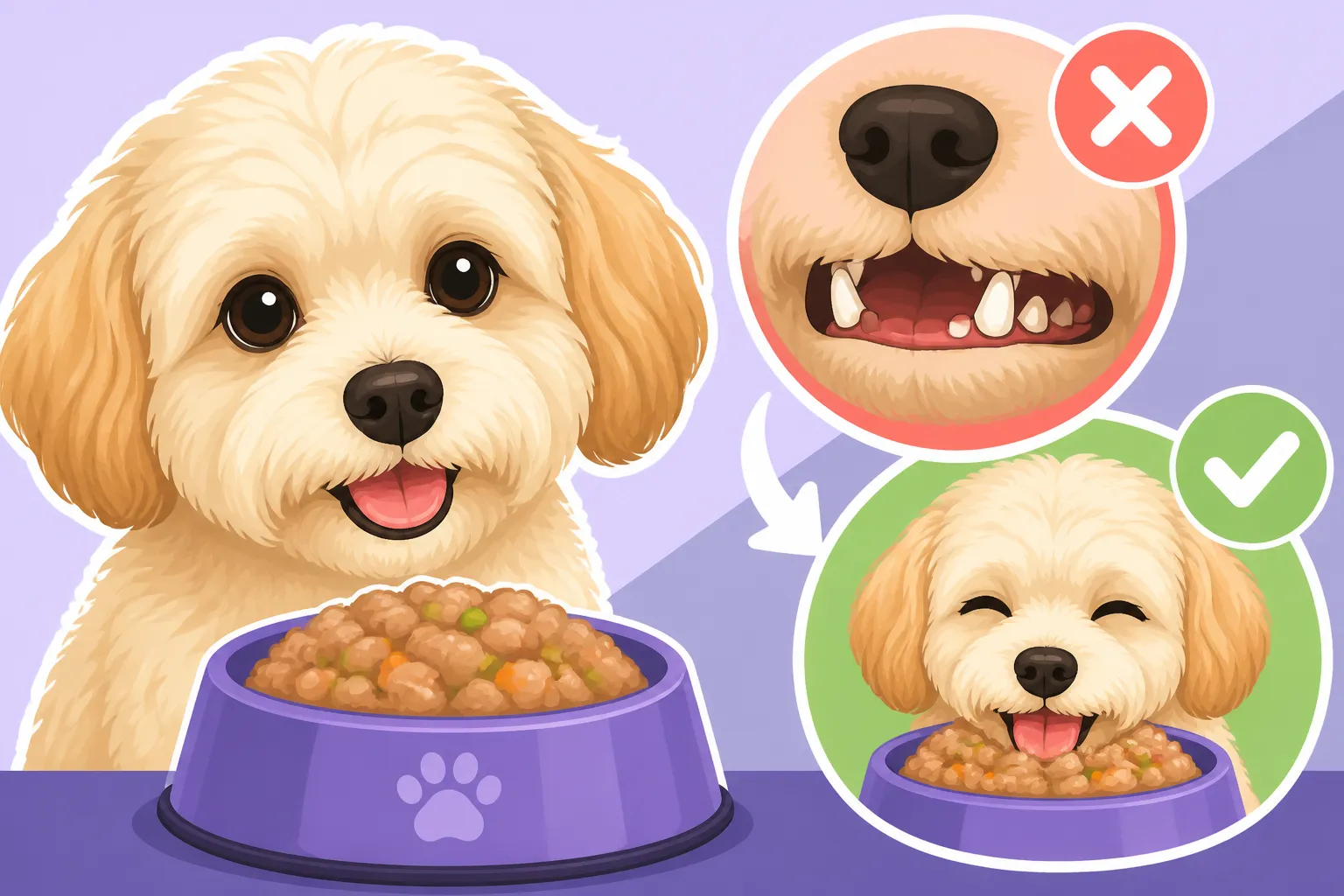
- Wet Food: Canned wet food is an excellent option because it's naturally soft, easy to lap up, and requires minimal chewing. Many high-quality wet foods are available, offering complete and balanced nutrition. You might find a wide selection of suitable options on platforms like Chewy or at your local pet supply store.
- Soaked Kibble: If your Maltipoo loves their current kibble, you don't necessarily have to switch entirely. You can soften it by adding warm water or low-sodium chicken broth and letting it sit for 10-15 minutes until it becomes mushy. This creates a gravy-like consistency that is much easier to eat. Ensure the water isn't too hot, and always test the temperature before serving.
- Fresh Food Diets: These diets, often prepared by companies like Ollie, consist of gently cooked, human-grade ingredients that are soft and highly palatable. They can be an excellent choice for dogs with dental issues, as they are easy to digest and often very appealing. Just remember to check the nutritional balance and ensure it's appropriate for your Maltipoo's specific needs.
- Homemade Soft Food: If you're inclined, you can prepare soft, balanced meals at home, such as cooked chicken or lean ground meat mixed with mashed sweet potatoes or green beans. Always consult with your vet or a veterinary nutritionist before embarking on a homemade diet to ensure it's nutritionally complete and balanced for your Maltipoo's age, activity level, and health status.
When making any dietary changes, do it gradually over several days to avoid upsetting your Maltipoo's stomach. Mix small amounts of the new food with their old food, slowly increasing the proportion of the new food each day.
Here's a quick comparison of suitable food types:
| Food Type | Texture | Chewing Required | Nutritional Completeness | Convenience/Cost | Notes |
|---|---|---|---|---|---|
| Wet Food | Soft/Pâté | Minimal | Usually complete | High convenience, moderate cost | Easy to lap, palatable. Ensure it's a high-quality brand. |
| Soaked Kibble | Soft/Mush | Minimal | Complete (from kibble) | High convenience, low-moderate cost | A good transition if your Maltipoo loves their kibble. Adjust water amount to desired consistency. |
| Fresh Food | Soft/Cooked | Minimal | Usually complete | Moderate convenience, higher cost | Often highly palatable and digestible. Can be purchased pre-made or home-cooked with vet guidance. |
| Mashed Veg/Meat | Soft | Minimal | Varies, needs balancing | Moderate convenience, moderate cost | Great for adding to meals, but ensure it's part of a nutritionally complete diet if it's the main food source. Consult a vet or nutritionist. |
Techniques for Encouraging Eating
Even with softer food, some Maltipoos might still be hesitant, especially if they associate eating with past pain. Here are some techniques to help:
- Hand-Feeding: Sometimes, the simple act of being hand-fed can make a dog feel more secure and loved, encouraging them to eat. This is especially helpful if they are very sensitive or apprehensive.
- Smaller, More Frequent Meals: Instead of two large meals, try offering three or four smaller meals throughout the day. This reduces the amount of food they have to tackle at once and can be less overwhelming. How Often a Maltipoo Puppy Needs Taking Out might also mean their bladder benefits from more frequent trips outside with more frequent meals.
- Elevated Bowls: For some dogs, an elevated food bowl can reduce strain on their neck and make it easier to reach their food, particularly if they have any neck or back issues. You can find various styles of elevated bowls, even small ones suitable for a Maltipoo, on platforms like Amazon.
- Warm it Up: Gently warming wet food or soaked kibble can enhance its aroma and make it more appealing. Just be sure it's not too hot before serving.
- Quiet and Calm Environment: Ensure meal times are stress-free. Feed your Maltipoo in a quiet corner away from distractions or other pets. A calm atmosphere can significantly improve their willingness to eat.
Remember, patience is key. It might take some time for your Maltipoo to adjust to new foods or feeding methods. Celebrate small victories and don't get discouraged if they have off days.
Essential Oral Care for Remaining Teeth
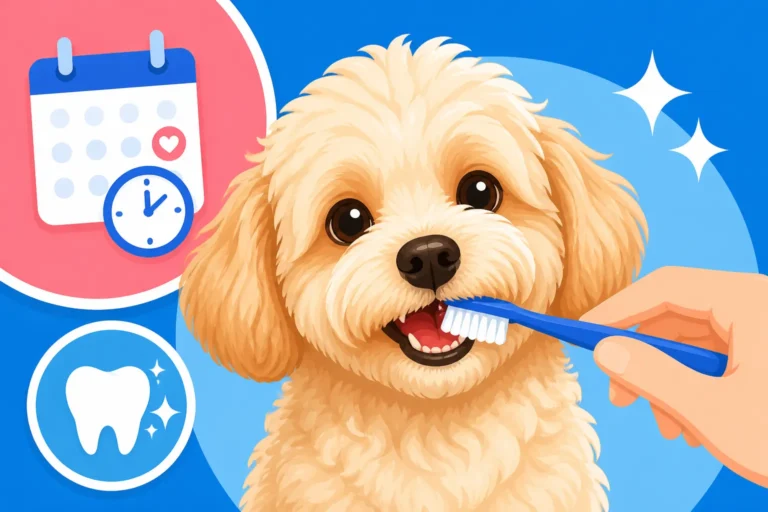
Just because your Maltipoo has lost some teeth doesn't mean you can slack on oral hygiene for the ones that remain. In fact, it becomes even more critical to protect the existing teeth and prevent further loss. Brushing a Maltipoo's Teeth Every Single Day is a cornerstone of this care. Use a small, soft toothbrush or a finger brush designed for pets, along with canine-specific toothpaste (never human toothpaste). Focus gently on the surfaces of the remaining teeth and the gum line.
Regular brushing helps to remove plaque before it hardens into tartar, slowing down the progression of periodontal disease. Your vet might also recommend specific oral rinses or water additives that can help reduce bacteria in the mouth. Even if your Maltipoo has very few teeth left, keeping their gums healthy is paramount. Gum inflammation and infection can still cause significant pain and affect their overall health, even without teeth present.
Long-Term Management and Veterinary Support
Living with a Maltipoo who has missing teeth requires ongoing commitment to their care, especially when it comes to their oral health and overall well-being. Regular communication with your veterinarian is key to ensuring they live a comfortable and happy life.
Regular Dental Check-ups
Even after a Maltipoo has lost several teeth and adapted to a softer diet, regular veterinary dental check-ups are non-negotiable. These check-ups are crucial for monitoring the health of their remaining teeth, assessing their gums for signs of inflammation or infection, and detecting any issues early. Your vet can check for gum recession, pockets where bacteria can accumulate, or any signs of pain that might not be obvious to you at home.
During these visits, your vet might recommend professional dental cleanings, even if there are fewer teeth to clean. These procedures, performed under anesthesia, allow for a thorough examination below the gum line and removal of plaque and tartar that home brushing can't reach. It's a chance to address any developing problems and ensure your Maltipoo's mouth remains as healthy and pain-free as possible. How Often a Maltipoo Needs a Dental depends on their individual needs, but often, small breeds like Maltipoos benefit from yearly evaluations.
Pain Management and Quality of Life
If your Maltipoo has experienced significant tooth loss due to advanced periodontal disease, they may still experience chronic pain or discomfort in their mouth. Your veterinarian can work with you to develop a pain management plan tailored to your dog's specific needs. This might involve anti-inflammatory medications, antibiotics if there's an infection, or other supportive therapies. The goal is to ensure your Maltipoo isn't living with persistent pain, which can severely impact their quality of life, leading to lethargy, changes in appetite, and general unhappiness.
Sometimes, owners don't realize how much pain their dog is in because dogs are masters at hiding discomfort. They might just seem "grumpy" or "less playful," when in reality, they're suffering silently. A vet's assessment is vital to identify and alleviate this pain, allowing your Maltipoo to enjoy their food, play, and cuddle time without constant agony.
Choosing Appropriate Chews and Toys
While hard chews are out of the question for a Maltipoo with missing teeth, mental and physical stimulation is still incredibly important. You’ll want to provide toys and chews that are safe and won't cause further damage or pain. Look for soft rubber toys, plush toys, or specific dental toys designed for senior dogs or those with sensitive mouths.
Consider toys that can be filled with soft treats, like pureed pumpkin or peanut butter (xylitol-free!), which your Maltipoo can lick out. This provides mental enrichment without requiring strenuous chewing. You can find a vast array of appropriate toys on platforms like Amazon or Chewy, often with detailed descriptions that can help you select safe options. Always supervise your Maltipoo with new toys to ensure they are using them safely and not trying to chew them inappropriately. The aim is to enrich their lives while protecting their delicate mouths.
The journey of caring for a Maltipoo with missing teeth is a testament to the strong bond you share. It requires attention, patience, and a willingness to adapt, but seeing your little companion comfortable and happily munching on their modified meals is truly rewarding.
Disclaimer
This article is for general informational purposes only and does not constitute professional advice. Laws, prices and regulations vary by location and change over time. Consult a qualified professional for guidance on your specific situation.