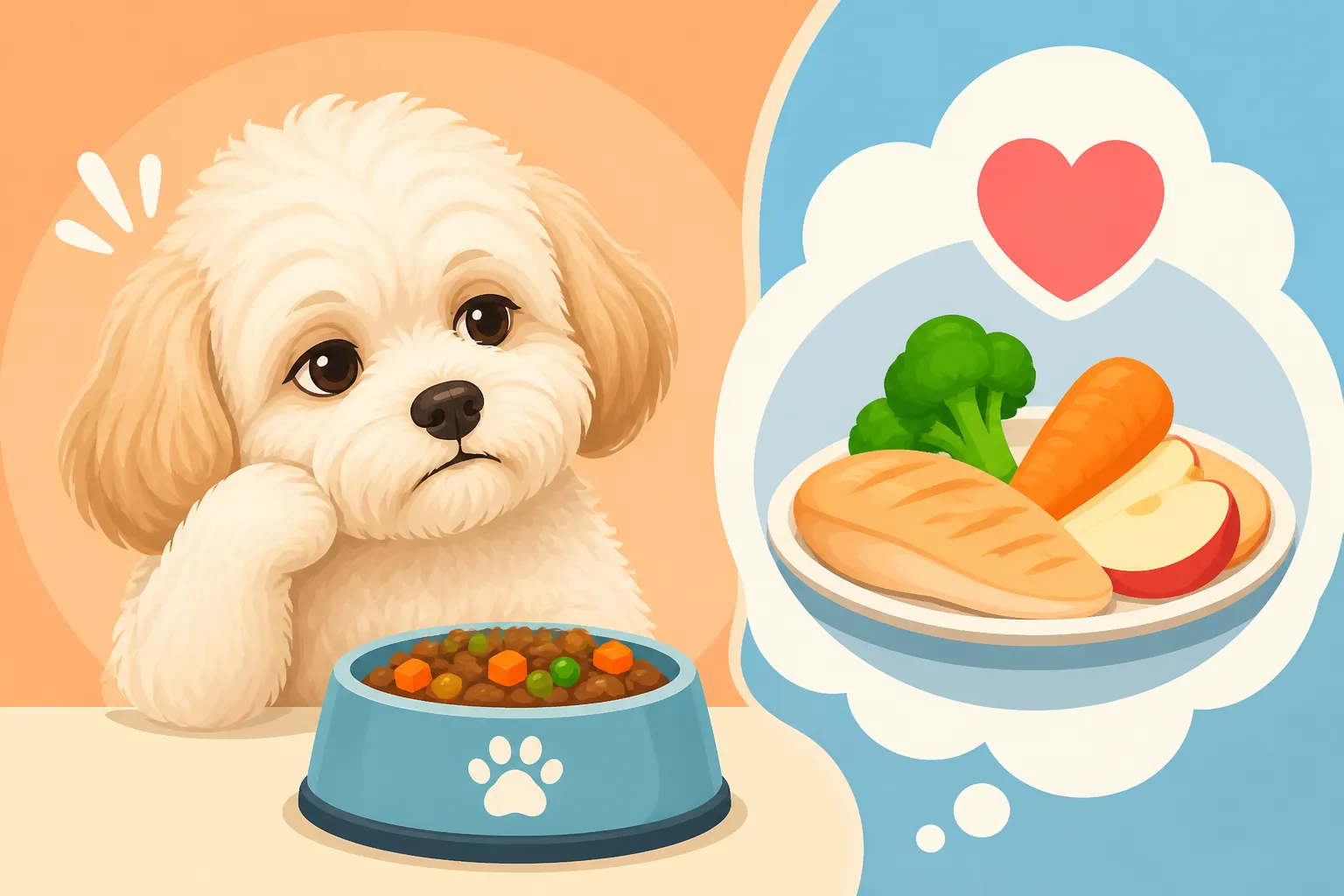
Whether a Maltipoo Is a Fussy Eater
It's a common worry for many Maltipoo parents: your little fluffball turns its nose up at dinner, walks away from a perfectly good bowl of kibble, or suddenly decides their favorite food is no longer good enough. This can be incredibly frustrating, and even alarming, especially with such a small dog where a missed meal can feel like a crisis waiting to happen. You're left wondering if your Maltipoo is truly a "fussy eater" or if something more is going on. This guide will delve into the nuances of Maltipoo eating habits, exploring why they might seem picky and offering practical, empathetic solutions to get them happily munching.
Understanding the Maltipoo's Eating Habits: Why They Seem Picky
The term "fussy eater" often gets thrown around, but with Maltipoos, there can be a complex interplay of factors, from their tiny size to their genetic makeup, that influences their relationship with food. It’s rarely about them trying to be difficult; more often, it’s a reflection of their unique physiology and the environment we create for them.
The Small Dog Metabolism Myth vs. Reality
There's a persistent idea that because Maltipoos are small, they need constant access to food, or that their metabolism is so fast they're always hungry. While it's true that very young Maltipoo puppies, especially those under five pounds, are at risk for hypoglycemia if they go too long without food – a serious concern detailed in Hypoglycemia and the Teacup Maltipoo Puppy – this doesn't mean free-feeding is the best solution for an adult dog. In fact, consistently leaving food out can inadvertently create a picky eater. When food is always available, there's no urgency, no excitement, and no real "mealtime" for your Maltipoo. They might graze throughout the day, never feeling truly hungry, and thus, never truly appreciating their food. We, as loving owners, often fall into the trap of trying to tempt them with different foods or adding extras when they don't eat, which only teaches them that if they hold out long enough, something better will come along.
The "Designer Dog" Factor and Inherited Traits
Maltipoos are a delightful blend of the Maltese and the Poodle, and like all mixed breeds, they can inherit traits from either parent. Both breeds have their own quirks when it comes to eating. Maltese, for example, can sometimes be known for their delicate appetites or their preference for novelty. Poodles, while generally food-motivated, can also develop specific preferences. Your Maltipoo might simply have inherited a genetic predisposition for being a bit particular about their meals. Think of it like a human child who is just naturally more inclined to be adventurous with food versus one who sticks to a few favorites. Their breeder's early feeding practices can also play a role. If a puppy was accustomed to a certain type of food or a free-feeding setup, a sudden change in their new home can sometimes trigger pickiness. It's not malicious; it's just a learned behavior or an inherent characteristic.
Medical Reasons for a Lack of Appetite
Before labeling your Maltipoo as simply "fussy," it is absolutely critical to rule out any underlying medical conditions. A sudden or persistent lack of interest in food is often the first sign that something isn't right. Small breeds, including Maltipoos, are particularly prone to certain health issues that can impact their appetite. Dental disease, for instance, is incredibly common in Maltipoos, with many having The Forty Two Teeth Crowding a Maltipoo's Jaw in a tiny mouth. Pain from a cracked tooth, gum inflammation, or an abscess can make eating excruciating. Other issues could include an upset stomach, parasites, acid reflux, or even more serious conditions like liver or kidney problems. If your Maltipoo's pickiness is a new development, or if it's accompanied by other symptoms like lethargy, vomiting, diarrhea, or weight loss, a visit to the veterinarian is the first and most important step. Don't delay, as their small size means their condition can deteriorate quickly.
Common Pitfalls That Create a Picky Maltipoo
It's easy to fall into habits that, while born of love and concern, inadvertently teach our Maltipoos to be picky. Understanding these common traps is the first step toward rectifying them and fostering healthier eating habits.
The Treat Trap and Table Scraps
Who can resist those adorable Maltipoo eyes begging for a treat? Or that tiny nose sniffing around when you're eating dinner? It's a natural instinct to want to share. However, giving too many treats or, worse, table scraps, is one of the quickest ways to create a fussy eater. Treats, even small ones, are often calorie-dense, and for a tiny dog like a Maltipoo, just a few extra bites can quickly add up to a significant portion of their daily caloric intake. If they fill up on tasty human food or high-value treats, why would they bother with their plain old kibble? They learn very quickly that holding out will likely result in a more desirable, tastier option. It's a classic case of supply and demand – if the "good stuff" is always available, the "regular stuff" loses its appeal. This can become a frustrating cycle, where you feel you have to offer something else just to get them to eat, further cementing their pickiness.
Free Feeding vs. Scheduled Meals
Many owners believe that free-feeding (leaving a bowl of food out all day) is the most convenient or even the most humane way to feed a small dog. The logic often is, "They'll eat when they're hungry." While this might seem appealing, it rarely works in favor of promoting a healthy appetite in a Maltipoo. With free-feeding, food loses its value. There's no anticipation, no sense of a designated mealtime. Your Maltipoo might nibble a few pieces here and there, never actually consuming a full, satisfying meal. This can lead to them not getting all their nutrients, or it can exacerbate pickiness because they're never truly hungry. Furthermore, it can be very difficult to monitor their food intake, which is crucial for a breed prone to weight fluctuations and, as puppies, hypoglycemia. A structured mealtime approach, where food is offered for a set period and then removed, creates a routine and helps your Maltipoo understand when it's time to eat.
Overfeeding and Portion Control
It might seem counterintuitive to talk about overfeeding when you have a picky eater, but often, what appears to be pickiness is simply a Maltipoo who isn't genuinely hungry because they're already getting enough calories. Small dogs require surprisingly few calories, and it's incredibly easy to overestimate their needs. Scooping kibble by eye can lead to significant over-portioning. Even a small increase beyond their actual caloric requirement can mean they feel full or only peck at their food, leaving you thinking they're being fussy. For example, How Many Calories a Six Pound Maltipoo Needs is a very specific number, and even a few extra pieces of kibble or a couple of uncounted treats can make a big difference. This is why accurately weighing your Maltipoo's food, rather than relying on measuring cups, is so important. A kitchen scale ensures precision, preventing you from accidentally keeping your Maltipoo in a perpetual state of "just not quite hungry."
Strategies to Encourage a Healthy Appetite
Once you've ruled out medical issues and identified any habits that might be contributing to pickiness, it's time to implement strategies that encourage a healthy, consistent appetite. These methods focus on routine, appeal, and appropriate choices.
Establishing a Consistent Feeding Routine
Consistency is key to transforming a picky eater. Your Maltipoo thrives on routine, and knowing when meals are coming helps regulate their appetite and digestive system. Start by choosing two to three specific meal times each day. For example, 7 AM, 1 PM, and 6 PM. Place their food down for a set period—say, 15 to 20 minutes—and then pick it up, regardless of whether they've eaten. This can feel harsh at first, especially if your Maltipoo is used to grazing, but it teaches them that food isn't always available and that they need to eat when it's offered. Don't offer alternatives or treats immediately after the meal is picked up. They won't starve; they'll simply learn to eat at the next scheduled mealtime when they're truly hungry. This consistent schedule also helps with Whether a Maltipoo Puppy Should Be Fed Overnight and helps manage The Age a Maltipoo Grows Out of Hypoglycemia Risk.
Making Food More Appealing (Without Spoiling)
While we want to avoid creating a spoiled eater, there are ways to make their regular food more enticing without resorting to unhealthy table scraps. Sometimes, a slight tweak is all it takes.
- Warm it up: Many dogs prefer their food slightly warm. Adding a splash of warm (not hot!) water or low-sodium chicken or beef broth can enhance the aroma and make kibble softer and more palatable.
- A little something extra: You can try adding a tiny amount of a high-quality food topper or a spoonful of plain, cooked, unseasoned chicken or pumpkin puree. Be mindful of quantity to avoid overfeeding. Many owners find success with freeze-dried meal toppers or small amounts of fresh dog food, like those offered by Ollie, mixed in with their regular kibble.
- Rotate proteins: If your Maltipoo gets bored with the same flavor, try rotating between different protein sources from the same trusted brand. This introduces novelty without changing the entire diet composition too drastically.
- Interactive feeders: For some Maltipoos, eating from a puzzle feeder or a slow-feed bowl can make mealtime more engaging. However, ensure the difficulty is appropriate for their size and doesn't frustrate them.
The goal here is to make their current food more desirable, not to keep cycling through new foods every time they show disinterest. Over time, as they consistently eat the enhanced meal, you can gradually reduce the "extras."
Considering Food Types and Quality
The type and quality of food you offer can significantly impact your Maltipoo's willingness to eat. Not all dog foods are created equal, and what works for one dog might not work for another.
- Kibble Size: For tiny mouths, the size of the kibble matters. Look for small breed formulas with appropriately sized pieces that are easy for them to chew and swallow. If the kibble is too large, it might be uncomfortable, leading to pickiness.
- Ingredient Quality: Opt for foods with high-quality protein sources as the first ingredient and minimal fillers. Foods found on reputable online retailers like Chewy or Amazon often list detailed ingredients and have customer reviews that can help you gauge palatability for picky eaters.
- Wet Food: If your Maltipoo consistently turns away from kibble, consider incorporating wet food. The higher moisture content and often stronger aroma can be very appealing. You can feed it exclusively or mix it with kibble.
- Fresh or Raw Diets: Some owners report great success with fresh-cooked or raw diets for picky eaters, citing increased enthusiasm and improved health. Brands like Ollie specialize in human-grade fresh dog food. However, these diets require careful research to ensure they are nutritionally balanced for your Maltipoo and that you understand the proper handling and preparation. Always consult your vet before making a major dietary change.
| Habit/Symptom | Suggests Picky Eating (Often Behavioral) | Suggests Potential Health Issue (Vet Check Needed) |
|---|---|---|
| Eating Pattern | Grazes, eats slowly, leaves some food, eventually eats when hungry enough | Sudden refusal to eat, skips multiple meals entirely, won't even take treats |
| Enthusiasm for Food | Sniffs, walks away, may eat if hand-fed or if something is added | Shows no interest in favorite treats or human food, acts nauseous |
| Body Condition | Maintains healthy weight, good energy | Noticeable weight loss, loss of muscle mass |
| Other Symptoms | Generally normal behavior, playful, alert | Lethargy, vomiting, diarrhea, changes in urination, hiding, pain response |
| Response to New Foods | Enthusiastic about new foods, then quickly gets bored | No interest in any food, new or old |
Environmental Factors and Mealtime Experience
The environment in which your Maltipoo eats can also influence their appetite. A noisy, chaotic mealtime or an uncomfortable feeding setup can deter them from eating.
- Quiet Feeding Spot: Designate a quiet, low-traffic area for your Maltipoo's meals. This reduces distractions and allows them to eat in peace.
- Appropriate Bowls: Ensure their food bowl is appropriately sized and easy to access. Shallow bowls can prevent whisker fatigue, and some Maltipoos prefer slightly raised bowls for comfort. Stainless steel or ceramic bowls are often preferred over plastic for hygiene and durability. Whether a Maltipoo Needs a Bowl That Keeps Its Ears Out is a consideration for long-eared dogs.
- No Pressure: Avoid hovering or staring at your Maltipoo while they eat. While you should monitor their intake, giving them space can make them feel more comfortable and less pressured.
- Exercise First: A short walk or play session before meals can stimulate appetite. Physical activity can make them genuinely hungry, increasing their interest in food.
Remember, consistency is key. It might take a few days or even a couple of weeks for your Maltipoo to adjust to a new routine, but with patience and persistence, you can help them develop a healthier relationship with food. For more specific guidance on getting them to eat, you might find Getting a Picky Maltipoo to Eat and Whether Hand Feeding Helps a Pickipoo useful.
When to Seek Professional Guidance
While many instances of a Maltipoo being a "fussy eater" can be resolved with behavioral and dietary adjustments, it's crucial to know when to escalate your concerns to a veterinary professional.
Recognizing Serious Signs
Never underestimate the potential severity of a tiny dog like a Maltipoo refusing to eat, especially if it's a sudden change or accompanied by other symptoms. If your Maltipoo skips more than one or two meals, particularly if they are a young puppy, this warrants immediate attention due to the risk of hypoglycemia. Beyond just not eating, keep an eye out for these critical signs:
- Lethargy or weakness: Is your Maltipoo unusually tired, unresponsive, or struggling to move around?
- Vomiting or diarrhea: Any gastrointestinal upset, especially if persistent, needs a vet visit.
- Weight loss: If you notice your Maltipoo is visibly thinner, or if their ribs are becoming prominent when they weren't before, that's a red flag.
- Changes in thirst or urination: Drinking excessively or having accidents can indicate kidney issues or diabetes.
- Pain indicators: Whimpering, sensitivity to touch, reluctance to jump, or a change in gait can all suggest they're in pain, which could make eating difficult.
- Behavioral changes: Hiding, increased irritability, or unusual aggression can sometimes be symptoms of discomfort or illness.
Even if you're attempting new feeding strategies, if your Maltipoo shows any of these symptoms, or if their refusal to eat persists for more than a day (or less for a very tiny puppy), don't hesitate. You'll want to avoid What an Emergency Sugar Crash Costs a Maltipoo Owner if at all possible.
Working with Your Veterinarian
When you take your Maltipoo to the vet for eating issues, be prepared to provide as much detail as possible. This includes:
- When the pickiness started: Was it sudden or gradual?
- Any other symptoms: Even seemingly unrelated ones.
- What you've tried: What foods, toppers, or strategies have you used?
- Their typical diet: Brand, type, and quantity.
- Treats and human food: Be honest about what they might be getting.
- Any changes in their environment or routine: New pets, travel, etc.
Your vet will likely perform a thorough physical examination, checking their mouth, teeth, and abdomen. They may recommend diagnostic tests such as blood work, urinalysis, fecal tests, or X-rays to rule out underlying health issues. These tests can help identify dental disease, organ dysfunction (like the liver shunt they can inherit from the Maltese, as discussed in The Liver Shunt a Maltipoo Can Inherit From the Maltese), infections, or other conditions. Based on the findings, your vet can recommend appropriate treatment, which might include medication, a prescription diet, or further investigation. They can also provide guidance on calculating How Many Ounces a Four Pound Maltipoo Eats or Feeding a Six Pound Maltipoo by the Ounce, Not the Scoop to ensure proper nutrition. Sometimes, simply having a vet confirm that physically your Maltipoo is fine can give you the confidence to stick with a structured feeding plan.
Disclaimer
This article is for general informational purposes only and does not constitute professional advice. Laws, prices and regulations vary by location and change over time. Consult a qualified professional for guidance on your specific situation.