Whether a Maltipoo’s Gut Comes From the Maltese
It's incredibly frustrating when your sweet Maltipoo struggles with tummy troubles, leaving you wondering if it's something inherited, a fluke, or just a part of their unique makeup. Many Maltipoo parents notice their pups have quite sensitive digestive systems, and it's natural to question whether this tendency comes more from their Maltese side or their Poodle side. This guide will delve into the fascinating genetics of the Maltipoo's gastrointestinal health, helping you understand the potential influences and how to best support your beloved companion's gut.
Understanding the Maltipoo's Mixed Genetic Heritage
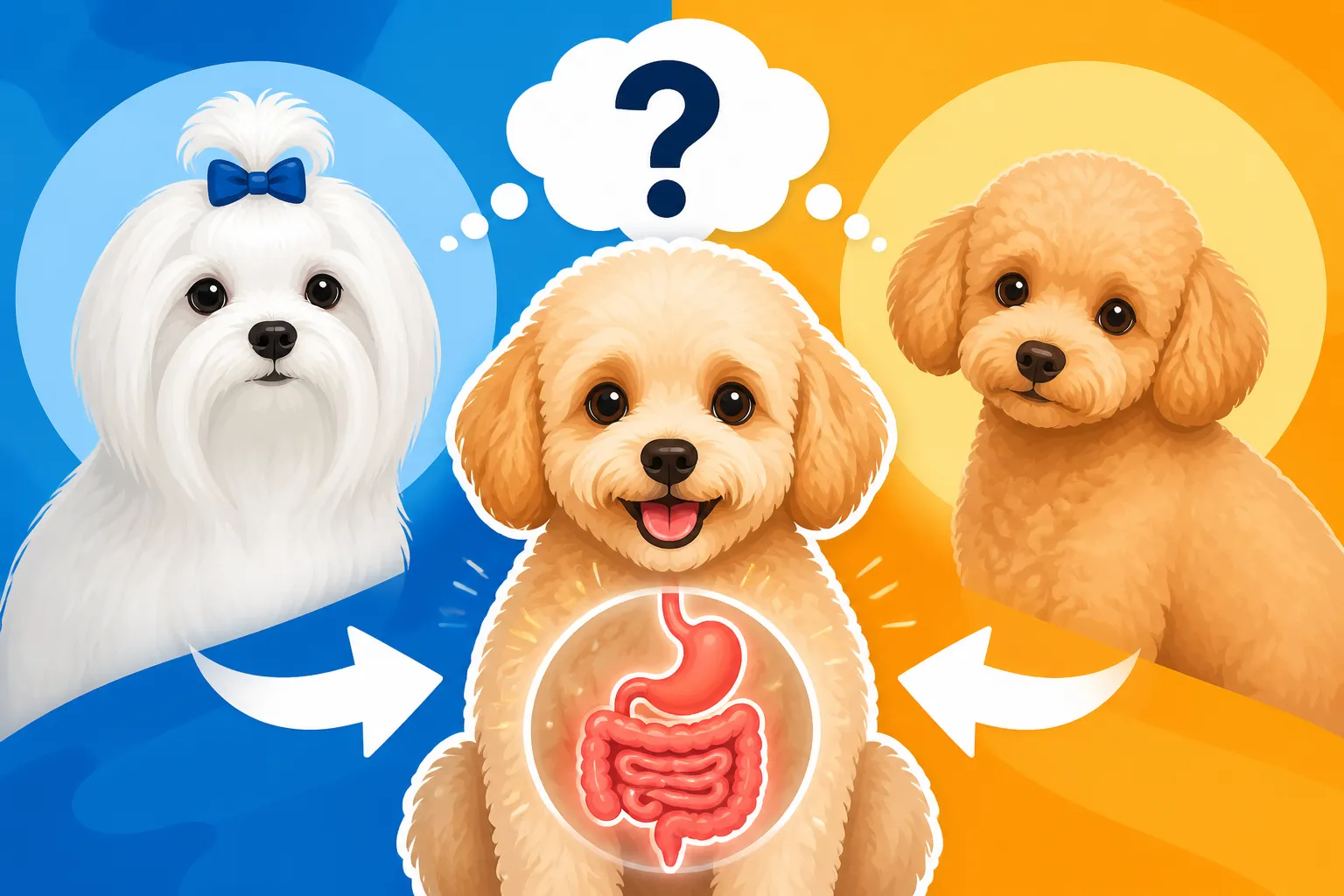
When you bring a Maltipoo into your home, you're not getting a purebred dog, but rather a wonderful blend of two distinct breeds: the Maltese and the Poodle. Each parent breed brings its own set of genetic predispositions, including those that affect their digestive systems. It's like a genetic lottery, and your Maltipoo gets a unique combination that can influence everything from their coat type to their stomach sensitivity.
The Maltese Influence on Digestion
The Maltese, a small, ancient breed, is known for a few specific health concerns, and digestive sensitivity can certainly be one of them. They are often delicate eaters, prone to upset stomachs from sudden diet changes, and can sometimes exhibit tendencies towards conditions like inflammatory bowel disease (IBD) or certain food sensitivities. Their small size means their digestive system is also quite compact, and any minor upset can have a bigger impact on their overall well-being. If you’ve ever had a purebred Maltese, you’ll know that a single new treat or a slight change in kibble can send them spiraling into a bout of diarrhea or vomiting, which is a common frustration for their owners. This means that a Maltipoo inheriting more of the Maltese's delicate constitution might require extra vigilance regarding their diet.
The Poodle Influence on Digestive Health
On the other side of the genetic coin, Poodles, particularly the smaller Toy and Miniature varieties that contribute to the Maltipoo, also have their own set of digestive considerations. Poodles, while generally quite robust, can be prone to certain issues. For instance, some lines of Poodles have a higher incidence of exocrine pancreatic insufficiency (EPI), where the pancreas doesn't produce enough enzymes to properly digest food. They can also experience food allergies, much like Maltese, and sometimes have sensitive tummies that react to specific ingredients. It's not uncommon for Poodle owners to try several different foods before finding one that truly agrees with their dog. Therefore, if your Maltipoo leans more towards their Poodle ancestry, they might inherit a tendency toward these specific digestive challenges, requiring a thoughtful approach to their nutritional care. You might even wonder Whether a Maltipoo Is Prone to Pancreatitis if you're seeing signs of digestive upset.
The "Genetic Lottery" of a Hybrid Dog
The real complexity comes from the fact that a Maltipoo is a hybrid. This means there's no guarantee which genetic traits they will inherit from which parent. You might have a Maltipoo with the sturdy digestion of a Poodle and the gentle temperament of a Maltese, or vice versa, or a mix of both. This unpredictability is what makes caring for a Maltipoo both unique and sometimes challenging. You can't simply assume they'll have the strong stomach of one parent or the sensitivities of the other; they are truly their own dog. It's why two puppies from the same litter can have entirely different reactions to the same food or stressor. One might eat anything without a blink, while the other needs a highly specific, carefully managed diet. This "genetic lottery" underscores why individualized care and close observation are so important for your Maltipoo's long-term health and happiness. It also feeds into the general considerations about The Twelve to Fifteen Years a Maltipoo Lives.
Common Digestive Sensitivities in Maltipoos
Because of their mixed heritage and small size, Maltipoos are often prone to a range of digestive sensitivities. It's not necessarily a weakness, but rather a characteristic that owners need to be aware of and proactively manage. These sensitivities can manifest in various ways, from persistent itching to obvious gastrointestinal upset, and understanding them is the first step toward effective care.
Food Allergies and Intolerances
One of the most common issues Maltipoo owners encounter is food allergies or intolerances. This isn't just about a picky eater; it's about a physiological reaction to certain ingredients. Food allergies typically involve an immune response, causing symptoms like persistent itching, skin rashes, ear infections, and, yes, digestive upset like vomiting or diarrhea. Food intolerances, on the other hand, are digestive issues (like an inability to process certain proteins or grains) and don't involve the immune system, though symptoms can overlap. Common culprits include chicken, beef, dairy, wheat, and soy. It can be a long and frustrating process to pinpoint the exact ingredient, often requiring an elimination diet under veterinary guidance. You might notice your Maltipoo incessantly scratching, or developing red, inflamed patches of skin. Allergies Behind a Maltipoo's Itching are often rooted in what they eat. Many owners turn to limited ingredient diets or novel protein sources to find relief for their sensitive pups. Brands found on platforms like Chewy or Amazon often carry a wide range of specialized dog foods that cater to these specific needs.
Pancreatitis and Sensitive Stomachs
Beyond allergies, Maltipoos can have generally sensitive stomachs or be prone to conditions like pancreatitis. Pancreatitis is the inflammation of the pancreas, which is a crucial organ for digestion and blood sugar regulation. It can range from mild to severe and is often triggered by fatty foods, sudden dietary changes, or even certain medications. Symptoms include vomiting, diarrhea, abdominal pain, loss of appetite, and lethargy. It's a serious condition that requires immediate veterinary attention. Even without full-blown pancreatitis, many Maltipoos simply have delicate digestive tracts that react poorly to anything rich, spicy, or even just "people food" that isn't specifically formulated for dogs. This means carefully managing their diet, avoiding table scraps, and being mindful of treats. A sudden bout of vomiting or loose stools can often be traced back to something they shouldn't have eaten, even a tiny bite.
The Role of Diet in Managing Gut Health
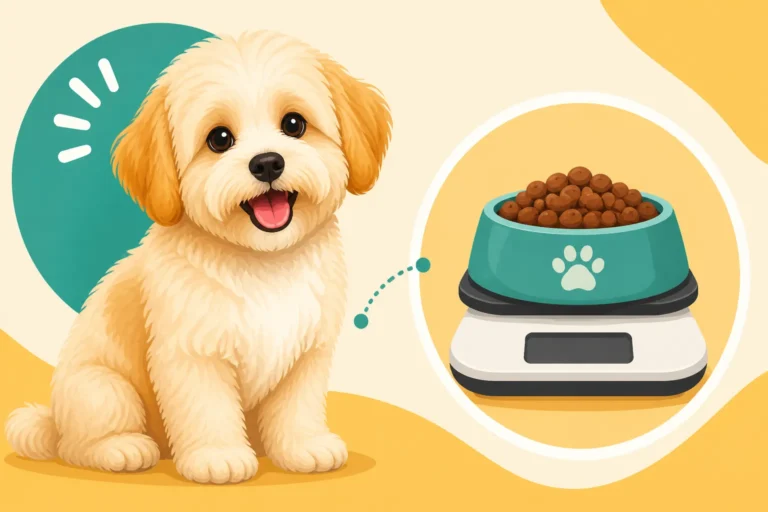
Given these sensitivities, diet plays an absolutely critical role in managing your Maltipoo's gut health. It's not just about what they eat, but also how much and how often. Small, frequent meals can often be easier on a sensitive stomach than one or two large ones. Consistency is key; sudden changes in food can almost guarantee an upset tummy. High-quality dog food, formulated for small breeds, is often the best choice, as it's designed to be easily digestible and nutritionally balanced. You might find yourself weighing out food portions rather than relying on a scoop, as even a slight overfeeding can lead to issues. For a small Maltipoo, every calorie counts, and too much can quickly lead to an upset stomach or weight gain, which exacerbates other health concerns. Feeding a Six Pound Maltipoo by the Ounce, Not the Scoop is not just a suggestion, but often a necessity for their well-being.
| Digestive Issue | Potential Maltese Link | Potential Poodle Link | Common Symptoms | Management Strategies |
|---|---|---|---|---|
| Food Allergies | High | Moderate | Itching, rashes, ear infections, vomiting, diarrhea | Elimination diet, limited ingredient foods, novel proteins |
| Food Intolerances | High | Moderate | Vomiting, diarrhea, gas, bloating | Avoid trigger ingredients, easily digestible foods |
| Pancreatitis | Moderate | Moderate | Vomiting, abdominal pain, loss of appetite, lethargy | Low-fat diet, small frequent meals, vet care for flare-ups |
| Sensitive Stomach | High | Moderate | Occasional vomiting/diarrhea, pickiness | Consistent diet, avoid table scraps, bland food during upsets |
| IBD (Inflammatory Bowel Disease) | Moderate (Maltese) | Low | Chronic vomiting/diarrhea, weight loss | Special diets, medication under vet supervision |
Practical Steps for Supporting Your Maltipoo's Digestion
While the genetic dice are already rolled, you have a lot of power to positively influence your Maltipoo's digestive health through careful management and proactive care. It’s all about creating a stable, nourishing environment for their gut, and being ready to adjust when things inevitably get a little out of balance.
Choosing the Right Food
Selecting the appropriate food is perhaps the most significant step you can take for your Maltipoo's digestive well-being. This often means looking for formulas specifically designed for small breeds or those with sensitive stomachs. These foods typically feature highly digestible protein sources, a balanced fat content, and often include prebiotics and probiotics to support gut flora. Don't be swayed by marketing alone; look at the ingredient list. Avoid foods with excessive fillers, artificial colors, or by-products if your dog shows sensitivity. Many owners find success with limited-ingredient diets, or even fresh, human-grade food services like Ollie, which can be very gentle on sensitive systems. When transitioning to a new food, always do it slowly over 7-10 days, gradually mixing the new food with the old to prevent stomach upset. Remember that How Many Calories a Six Pound Maltipoo Needs is very specific, so accurate measurement is crucial.
Probiotics and Supplements
Sometimes, even with the best food, a Maltipoo's gut needs a little extra help. Probiotics, which introduce beneficial bacteria to the digestive tract, can be incredibly effective in maintaining a healthy gut microbiome, especially after a course of antibiotics or during periods of stress. Your veterinarian can recommend a high-quality canine-specific probiotic. Digestive enzymes are another option, particularly if your Maltipoo struggles with nutrient absorption, which can be a concern with conditions like EPI (more common in Poodles). Omega-3 fatty acids can also help reduce inflammation, which is beneficial for dogs with IBD or general gut sensitivity. These supplements can be found at pet stores or online retailers like Chewy or Amazon, but always consult your vet before adding any new supplement to your Maltipoo's regimen to ensure it's appropriate for their specific needs.
Monitoring and Vet Care
Consistent monitoring of your Maltipoo's eating habits, stool quality, and overall energy levels is paramount. You are their first line of defense! Pay attention to any changes: a decrease in appetite, loose stools, vomiting, excessive gas, or even a sudden increase in thirst can all be indicators of digestive distress. Keep a diary if necessary to track potential triggers. Regular veterinary check-ups are also crucial. Your vet can perform fecal tests, blood work, or even imaging if necessary, to rule out underlying medical conditions. They can also offer tailored dietary advice and prescribe medications if needed. If your Maltipoo suddenly goes off their food or has prolonged digestive upset, don't hesitate to seek professional help. Early intervention can prevent minor issues from becoming major health crises. The yearly checks a Maltipoo should get are important for catching these issues early, as detailed in The Yearly Checks a Maltipoo Should Get.
Conclusion
Ultimately, whether your Maltipoo's gut "comes from" the Maltese or the Poodle isn't a simple answer. They inherit a unique combination of traits from both parents, and this genetic lottery means each Maltipoo is an individual with their own specific digestive quirks. What's clear is that both parent breeds can contribute to a predisposition for sensitive stomachs, allergies, or other gastrointestinal challenges. The key to ensuring your Maltipoo lives a happy, healthy life is attentive care, a consistent, high-quality diet, proactive use of supplements when appropriate, and vigilant monitoring alongside regular veterinary support. By understanding their potential sensitivities, you can empower yourself to make the best nutritional and lifestyle choices for your beloved furry friend.
Disclaimer
This article is for general informational purposes only and does not constitute professional advice. Laws, prices and regulations vary by location and change over time. Consult a qualified professional for guidance on your specific situation.