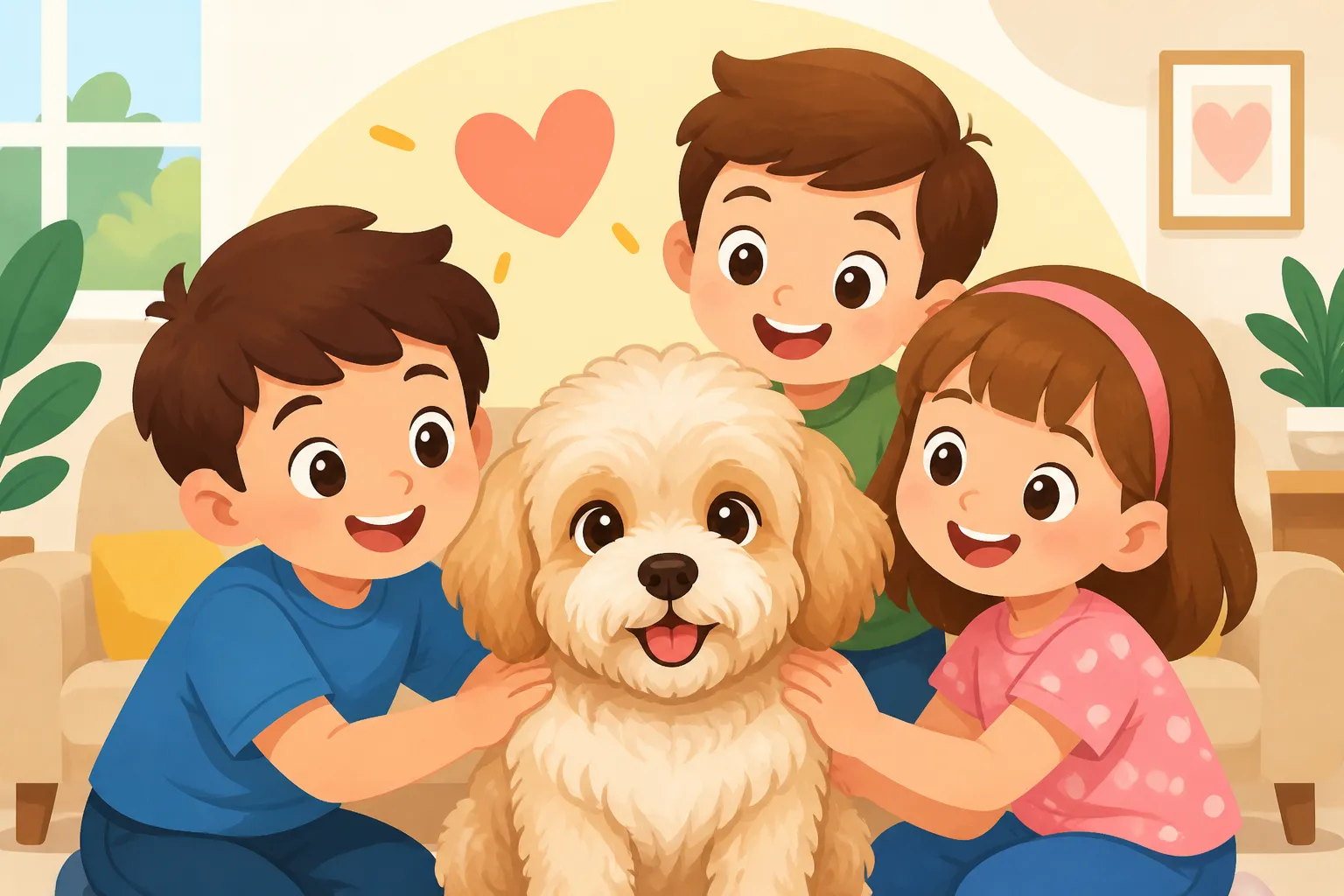
Whether a Maltipoo Suits a Family With Children
Bringing a Maltipoo into a family with children can feel like a big question mark, especially when you hear conflicting advice about small dogs and kids. Many prospective owners worry about whether such a delicate dog can truly thrive in a busy household, or if the children will understand how to interact safely. This guide will walk you through everything you need to consider to determine if a Maltipoo is the right fit for your family dynamic, focusing on how to create a harmonious environment for everyone.
Understanding the Maltipoo Temperament: A Tale of Two Breeds
When you bring a Maltipoo home, you're not just getting one breed's personality; you're getting a fascinating mix of two distinct temperaments: the gentle, affectionate Maltese and the intelligent, often energetic Poodle. This blend creates a dog with a unique character, but it also means there's a certain "coin flip" to what traits might come to the forefront. Understanding this genetic lottery is the first step in knowing what to expect in a family setting.
The Maltese Influence: Sweetness and Sensitivity
The Maltese side of your Maltipoo's family tree brings a deep desire for companionship and affection. Maltese are known for being incredibly sweet, gentle, and devoted to their human families. They often love nothing more than curling up on a lap or being carried around, soaking up all the attention they can get. This translates into a Maltipoo who is typically very loving and seeks connection, which can be wonderful for children who want a cuddly pet.
However, this sweetness often comes with a significant dose of sensitivity. Maltese, and by extension many Maltipoos, can be prone to anxiety if they feel overwhelmed, neglected, or handled roughly. They might become easily startled by loud noises, sudden movements, or boisterous play. This inherent sensitivity means they need a calm, predictable environment and careful handling, which can be a challenge in homes with very young or particularly rambunctious children. They are not always resilient to the bumps and tumbles that can come with enthusiastic kid play.
The Poodle's Contribution: Intelligence and Energy
On the other side of the family, the Poodle brings a different set of traits to the Maltipoo equation. Poodles, even the toy varieties, are highly intelligent, playful, and surprisingly energetic for their size. They love to learn, excel at training, and often have a strong desire to engage in activities that challenge their minds and bodies. This means your Maltipoo might inherit a playful streak, enjoying games of fetch, learning tricks, and participating in family activities.
The Poodle's intelligence can be a huge asset in a family with children. A smart Maltipoo is often easier to train, which is critical for establishing good manners around kids. They can learn boundaries quickly and respond well to consistent direction. However, this intelligence also means they need mental stimulation; a bored Maltipoo might invent its own games, which could include nipping at ankles, excessive barking, or other behaviors that aren't ideal in a family setting. Their energy, while not usually boundless, does mean they need regular opportunities to play and burn off steam, perhaps with supervised outdoor playtime or engaging toys from a place like Chewy.
The Unpredictable Blend: Why Every Maltipoo is Unique
Because the Maltipoo is a crossbreed, there's no absolute guarantee which parent's traits will dominate. You might get a Maltipoo that leans heavily on the Maltese side, being more reserved and cuddly, or one that's a little Poodle firecracker, full of zest and curiosity. Many fall somewhere in the middle, exhibiting a wonderful balance of both. This "coin flip" of genetics means that two puppies from the same litter can have vastly different personalities.
This unpredictability is why it's so important to meet the puppy and its parents if possible, to get a sense of the dam's temperament, and to observe the individual puppy's demeanor. A breeder might be able to offer insights into what a Maltipoo puppy's character shows at eight weeks. Even then, a puppy's personality can evolve as it grows. What is consistent, however, is that both foundational breeds thrive on positive reinforcement, gentle handling, and a strong bond with their human family. Regardless of the exact mix, a Maltipoo needs to feel secure and loved to truly flourish, especially when navigating the energy of a family with children.
Maltipoos and Very Young Children: Navigating the Delicate Balance
The image of a tiny, fluffy Maltipoo snuggled up with a toddler is undeniably cute, but the reality can be far more complex and even dangerous if not managed correctly. Very young children, particularly those under five or six, often lack the impulse control, understanding of boundaries, and gentle touch necessary to interact safely with a small, delicate dog. This dynamic requires extreme vigilance and proactive measures from parents to protect both the child and the Maltipoo.
The Fragility Factor: Why Small Size is a Big Concern
Maltipoos, especially those on the smaller end of the spectrum, are incredibly fragile. A tiny Maltipoo puppy or adult can weigh as little as 2-5 pounds, making them susceptible to serious injury from accidental drops, tumbles, or even an enthusiastic hug that's a bit too tight. Whether a Maltipoo Is Too Fragile for a Toddler is a critical question every parent must ask themselves. A child, even one who loves dogs, can unintentionally cause harm simply due to their developing motor skills and lack of awareness of a small dog's physical vulnerability.
Imagine a toddler stumbling and landing on the dog, or a child attempting to pick up the Maltipoo without proper support, leading to a fall. These aren't malicious acts, but they can have devastating consequences for a tiny dog's delicate bones and internal organs. The potential for a broken leg or even more severe injury is very real. This fragility means constant, active supervision is non-negotiable whenever young children and a Maltipoo are in the same room.
Teaching Gentle Hands: Essential for Both Child and Dog
Even with the best intentions, children need explicit, patient, and repeated instruction on how to interact with a small dog. This isn't something they instinctively know. Parents must actively teach Teaching a Child Where to Support a Maltipoo, demonstrating how to stroke gently, where to avoid sensitive areas, and crucially, when not to touch. It's about teaching respect for a living creature that feels pain and has feelings, just like them.
However, even with diligent teaching, expecting a very young child to consistently remember and apply these rules is unrealistic. Children are naturally impulsive, excited, and still learning about the world. They might grab a tail, pull an ear, or invade a dog's personal space in their eagerness to play. It's less about the child being "bad" and more about their developmental stage. Therefore, while teaching is vital, it cannot replace constant adult supervision and physical barriers.
Supervision and Safe Spaces: Non-Negotiables for Harmony
Given the fragility of Maltipoos and the unpredictable nature of young children, constant, active supervision is paramount. This means an adult must be present and engaged whenever the Maltipoo and young children are together, not just in the same room but actively watching their interactions. If an adult cannot give their full attention, it's safer to separate them.
Creating safe spaces for the Maltipoo is also crucial. This might be a dog crate (its cozy den), a playpen, or a separate room where the dog can retreat and be free from interaction. This "safe zone" allows the Maltipoo to rest, eat, and feel secure without being constantly approached by curious little hands. It's vital that children are taught to respect this space and never disturb the dog when it's in its retreat. A good quality dog crate available from retailers like Chewy can serve as an excellent private sanctuary for your Maltipoo, giving it a sense of security and a break from the hustle and bustle of family life.
Ultimately, introducing a Maltipoo to a home with very young children requires a significant commitment from parents to manage the environment, educate their children, and prioritize the safety and well-being of both. It's not impossible, but it demands a realistic understanding of the challenges and a willingness to implement strict safeguards.
Maltipoos and Older Children: Building Respectful Relationships
As children grow older, the dynamic with a Maltipoo can shift considerably, often for the better. Older children, generally those aged six or seven and up, have a greater capacity for understanding, empathy, and responsible behavior. This developmental stage allows for the establishment of more respectful and mutually beneficial relationships with a small dog like a Maltipoo, but it still requires guidance and active participation from parents.
Fostering Empathy and Responsibility
With older children, parents have a wonderful opportunity to teach about empathy and responsible pet ownership. They can explain that while the Maltipoo is a cherished family member, it also has needs, feelings, and limits. Discussions can revolve around understanding the dog's body language – for instance, recognizing when a Maltipoo is happy, scared, or needs space. Learning to spot subtle cues, like a yawn or turning away, can help a child understand Whether a Maltipoo Warns Before It Snaps and prevent uncomfortable situations.
Assigning age-appropriate responsibilities, such as helping with feeding, brushing, or walking (under supervision), can instill a sense of ownership and care. This involvement helps children see the Maltipoo not just as a toy, but as a dependent creature that relies on their gentle care and attention. It's a powerful lesson in compassion that extends beyond their relationship with the family pet.
Engaging in Age-Appropriate Play and Training
Older children can be fantastic partners in play and even basic training, especially given the Poodle's intelligence influencing the Maltipoo. They can engage in gentle games of fetch with soft toys, practice basic commands like "sit" or "stay" using positive reinforcement, and even participate in supervised walks. This interaction provides mental and physical stimulation for the Maltipoo while strengthening the bond with the child.
For a Maltipoo with a strong Poodle influence, activities like learning tricks can be highly rewarding. Children can enjoy teaching their Maltipoo fun behaviors, which further enhances the dog's manners and responsiveness. It's important to guide children to keep play sessions positive, short, and always supervised by an adult to ensure the Maltipoo doesn't become overstimulated or stressed. Encouraging them to pick up pet supplies like toys and treats from Chewy online together can also reinforce responsible pet care.
Recognizing Warning Signs: When a Maltipoo Needs Space
Even with older, more responsible children, it's crucial that everyone in the family understands and respects a Maltipoo's need for personal space and quiet time. Maltipoos, like all dogs, need breaks from constant attention, especially in a busy family environment. Teach children to recognize when the dog is resting, eating, or simply disengaging, and to leave it be.
This includes understanding that the Maltipoo's crate or bed is its private sanctuary. If the dog retreats there, it's a signal that it needs to be left alone. Explaining these boundaries not only protects the Maltipoo from stress but also teaches children valuable lessons about respecting others' needs. Open communication between parents and children about the Maltipoo's behavior, and how to appropriately respond, is key to fostering a safe and happy environment for all members of the family, two-legged and four-legged alike.
Setting Up for Success: Creating a Kid-Friendly Maltipoo Home
Successfully integrating a Maltipoo into a family with children isn't just about managing interactions; it's about proactively shaping the environment and experiences from the very beginning. From early socialization to establishing clear household rules, every step contributes to building a secure, happy home where both children and their furry companion can thrive. This foundation helps a Maltipoo develop into a well-adjusted family member, rather than a nervous, overwhelmed pet.
The Importance of Early Socialization
One of the most crucial steps in preparing a Maltipoo for life with children is early and positive socialization. This means exposing your Maltipoo puppy to a variety of sights, sounds, people, and experiences, including gentle, supervised interactions with well-behaved children of various ages, from a very young age. These experiences should always be positive, short, and controlled, ensuring the puppy feels safe and secure.
If your Maltipoo puppy has positive early experiences with children, it's far more likely to grow up viewing them as friendly, albeit sometimes unpredictable, members of its world. This can help mitigate potential fears or anxieties down the line. A Maltipoo that has been well-socialized is generally more confident and less likely to react defensively to the normal noises and movements of a bustling household. Remember, every positive interaction builds a foundation of trust and comfort.
Establishing Clear Boundaries for Everyone
Just as children need boundaries, so too does your Maltipoo, and these boundaries often need to intersect. Clear, consistent rules apply to both the children and the dog. For instance, children should be taught not to disturb the Maltipoo while it's eating, sleeping, or in its crate. Similarly, the Maltipoo should learn polite manners around children, such as not jumping up, not nipping at clothes, and waiting patiently for attention.
Using tools like gates or playpens can be incredibly effective for managing interactions, especially with younger children or during busy times. These physical barriers allow the Maltipoo to be part of the family without being constantly accessible, giving it necessary downtime. It also allows children to observe the dog from a safe distance, fostering a sense of curiosity and respect without direct, potentially overwhelming, interaction. Consistency from all family members, adults and children alike, is vital for these boundaries to be effective.
Providing Retreats and Enrichment
Every Maltipoo, regardless of how well-adjusted it is to children, needs a designated safe space where it can retreat and feel completely secure. This might be a comfortable crate, a cozy bed tucked away in a quiet corner, or even a specific room that's off-limits to children without adult supervision. This retreat serves as the Maltipoo's sanctuary, a place where it can escape the noise and activity of family life and simply be a dog.
Beyond physical retreats, providing mental enrichment is also key. Puzzle toys, interactive feeders, and short training sessions can keep a Maltipoo's intelligent Poodle brain engaged and prevent boredom, which can sometimes manifest as unwanted behaviors in a busy home. Regular, gentle exercise appropriate for their size is also important. A varied routine that includes quiet time, engaging activities, and positive interactions will help ensure your Maltipoo remains happy and well-adjusted within your family, even if a Maltipoo Copes in a Loud House better than expected.
Common Challenges and How to Overcome Them
Even with the best intentions and preparations, bringing a Maltipoo into a family with children can present unique challenges. Their small size, combined with their sometimes sensitive nature and the energy of children, can lead to behaviors that, if not addressed early and consistently, can become problematic. Understanding these common hurdles and knowing how to approach them with patience and positive methods is key to a harmonious household.
Preventing Nipping and Snapping
One of the most common concerns for small dogs in families, especially those with Poodle or Maltese traits that can be sensitive or prone to being vocal, is nipping or snapping. A Maltipoo might nip for several reasons: playfulness (especially as a puppy), fear, overstimulation, or to communicate that it feels uncomfortable or threatened. In a busy home with children, where personal space might not always be respected, these behaviors can escalate.
To prevent nipping, never allow a Maltipoo puppy to "mouth" or nip at human skin, even in play. Immediately redirect them to an appropriate chew toy. For older dogs, pay close attention to their body language. If a Maltipoo is showing signs of stress (tail tucked, ears back, lip licking, avoiding eye contact), it’s crucial to remove them from the situation immediately, calmly, and without scolding. Teach children to respect these signals and to give the dog space. Consistency in teaching good manners and providing adequate mental and physical exercise are vital. If a Maltipoo nips, it's rarely out of malice but usually a desperate plea to be left alone or a misguided attempt at play.
Managing Excessive Barking
Maltipoos, often inheriting the vocal tendencies of the Maltese and the alert nature of the Poodle, can sometimes be prone to excessive barking. This can be particularly disruptive in a family setting, annoying both children and adults, and potentially causing tension. They might bark at strangers, other dogs, noises outside, or simply for attention.
Addressing excessive barking requires understanding its root cause. Is your Maltipoo bored? Does it need more mental stimulation from interactive toys or training? Is it seeking attention? If so, teach children (and adults) to ignore barking for attention and only reward quiet behavior. Is it territorial or fearful? Positive reinforcement training can help change its emotional response to triggers. For instance, if it barks at people walking past the window, you might work on "look at that" exercises, rewarding it for noticing the trigger and looking at you instead of barking. Sometimes, reducing stimuli by drawing curtains or using white noise can also help. Remember that shouting at a barking dog often exacerbates the problem, as it may interpret your shouting as joining in the barking.
Addressing Resource Guarding
Resource guarding, where a dog becomes possessive over its food, toys, bed, or even a person, can be a serious issue, especially in homes with children. While not all Maltipoos exhibit this, it's a behavior that needs immediate and careful attention if it arises. A dog might growl, snap, or bite if a child approaches its valued item.
To prevent resource guarding, start early by teaching your Maltipoo that human presence near its resources is a good thing. While it’s eating, gently toss a high-value treat near its bowl, then calmly walk away. This teaches the dog that hands near food mean more good things, not taking things away. Never let children disturb the dog while it's eating or playing with a high-value toy. Teach children that the dog's items are the dog's. If your Maltipoo shows any signs of guarding, seek guidance from a professional positive reinforcement dog trainer. This behavior should never be ignored or punished, as it can worsen. Ensuring the Maltipoo feels secure and has its own designated space and belongings, perhaps from a brand like Chewy, can significantly reduce the likelihood of this issue.
The Long-Term Commitment: A Maltipoo Growing Up with Your Family
Bringing a Maltipoo into your family is not just about the puppy stage; it's a commitment that spans over a decade, with many Maltipoos living The Twelve to Fifteen Years a Maltipoo Lives. Over this significant period, your children will grow, your family dynamics may change, and your Maltipoo will transition through different life stages, from energetic puppy to calm adult to cherished senior. Understanding this long-term journey is crucial for fostering a lasting and loving bond within your family.
Adjusting to Life Stages and Changes
As your children grow from toddlers to adolescents and beyond, their understanding and interactions with your Maltipoo will naturally evolve. What started as careful, supervised sessions will hopefully mature into a relationship built on mutual respect and affection. Likewise, your Maltipoo will age. The playful energy of its youth will give way to a more sedate adult life, and eventually, the slower pace and potential health considerations of a senior dog.
Families need to be prepared to adjust their approach as these changes occur. An older child might be a great companion for walks and advanced training, while an older Maltipoo might require more quiet time, gentler handling, and fewer boisterous games. Discussing these life stages with your children helps them develop a deeper understanding of pet care and the natural cycle of life. It’s also an opportunity to teach about compassion and adaptability, ensuring the Maltipoo remains a valued member through all its years.
The Benefits of a Well-Integrated Family Pet
When successful, the bond between a Maltipoo and the children in its family can be incredibly rewarding for everyone involved. Maltipoos offer unconditional love, companionship, and endless opportunities for joy and laughter. For children, growing up with a Maltipoo can teach invaluable lessons in responsibility, empathy, patience, and gentle care. They learn about the needs of another living creature, the importance of boundaries, and the joy of a loyal friendship.
A well-integrated Maltipoo can become a quiet confidante for a child, a playful partner in the yard, or a comforting presence on the sofa. They can help reduce stress, encourage physical activity, and provide a stable emotional anchor in a child's life. The gentle, loving nature of many Maltipoos, combined with the Poodle's intelligence, makes them wonderful family dogs when properly managed and respected. The shared experience of raising and loving a Maltipoo can also strengthen family bonds, creating cherished memories that last a lifetime. Ultimately, a Maltipoo can absolutely suit a family with children, provided that the family commits to understanding its unique needs, educating its children, and creating a safe, loving, and consistent environment for their furry companion.
Disclaimer
This article is for general informational purposes only and does not constitute professional advice. Laws, prices and regulations vary by location and change over time. Consult a qualified professional for guidance on your specific situation.