Whether an Apricot Maltipoo Stays Apricot
One of the most exciting parts of bringing a new Maltipoo puppy home is admiring their beautiful, soft coat, especially if you've fallen in love with a vibrant apricot hue. It's perfectly natural to hope that gorgeous, rich color will stay with them forever, but many new Maltipoo owners are surprised – and sometimes a little disappointed – when that apricot begins to soften, lighten, or even fade to a completely different shade over time. This guide will walk you through why that happens, what to expect, and how to embrace your Maltipoo's unique color journey.
The Genetics Behind Apricot Fading
It's a common misconception that a dog's coat color, especially in mixed breeds like the Maltipoo, is set in stone from puppyhood. The reality is far more dynamic, particularly with colors like apricot, red, and brown. Much of this has to do with the sophisticated genetic inheritance from the Poodle side of your Maltipoo's lineage. Poodles are known for their vast array of colors and patterns, but they also carry genes that influence how those colors express and change over time.
Think of it like human hair – some children are born with bright blonde hair that darkens to brown in adulthood, or vibrant red hair that softens to a strawberry blonde. It's a natural process, and for Maltipoos, it's often due to a specific genetic trait. This isn't a sign of poor health or a faulty gene; it's simply part of their genetic makeup. Understanding this can help manage expectations and appreciate the evolution of your dog's appearance.
What Exactly Is the Fading Gene?
The primary culprit behind an apricot Maltipoo's changing color is often referred to as the "fading gene" or the "greying gene," specifically associated with the Poodle's genotype. This gene, known as the G locus, causes a progressive lightening of the coat pigment as the dog matures. It doesn't mean your dog is turning gray in the way an older human does; rather, it's a dilution of the base color. For an apricot Maltipoo, which is essentially a dilute red, this means the red pigment starts to break down or diminish over time, often starting around 6 months to a year of age.
It’s not an overnight transformation. Instead, you'll likely notice a gradual shift. The roots of the hair might start growing in lighter than the tips, or certain areas, like the muzzle and ears, might show the change first. This gene acts on all colored hairs, so while a black Poodle might "blue" or "silver" out, an apricot Poodle (and therefore, an apricot Maltipoo) will soften to a cream or even a nearly white shade. It's less about the hair turning white and more about the intensity of the color pigment lessening.
The Maltese parent contributes solid white to the equation, which can sometimes mask or enhance the fading effect depending on how the Poodle's color genes interact. When you have a rich apricot pup, it means they inherited a strong red pigment from the Poodle side, but the fading gene can still act upon it. This makes predicting the adult color of a Maltipoo a bit of a genetic lottery, even for experienced breeders. This is part of the charm and challenge of owning a mixed breed – every Maltipoo is truly unique.
Why Some Apricots Fade and Others Don't
It's true that not every apricot Maltipoo will fade dramatically. Some will maintain a lovely, consistent apricot shade throughout their lives, while others will lighten considerably. So, what's the difference? It largely comes down to the specific genetic combination inherited from their parents, particularly the Poodle's genetic background. There are different alleles (versions) of the greying gene, and the intensity of its effect can vary.
A Maltipoo puppy's coat color can sometimes be a bit misleading. What appears as a deep, rich apricot in puppyhood might be a temporary intensity that will lighten. Conversely, a lighter apricot puppy might surprise you by holding its shade better than expected. Factors like the age of the Poodle parent when bred, and whether they themselves faded, can offer some clues, but it's never a guarantee. Some breeders might even intentionally breed for dogs less prone to fading, but this is a complex genetic endeavor.
Furthermore, environmental factors, though less impactful than genetics, can play a minor role. Prolonged sun exposure can naturally lighten any dog's coat, just as it can bleach human hair. Regular washing with certain shampoos might also affect the appearance of the coat, though it won't change the underlying genetic programming. The main takeaway is that if your Maltipoo's apricot coat starts to fade, it's a natural genetic process, not something you did or didn't do. For a deeper dive into coat care, you might find this article useful: The Coat a Maltipoo Gets From Two Non Shedding Parents.
Understanding the Color Changes You Might See
When your vibrant apricot Maltipoo puppy starts its journey into adulthood, you might begin to notice subtle, or sometimes not-so-subtle, shifts in its coat color. This isn't usually a quick transformation; it's often a slow, evolving process that can take place over several months or even a couple of years. It’s part of the unique development of these wonderful dogs, adding another layer of individuality to their charm.
Many owners initially feel a pang of worry or disappointment when they see their dog's color changing, especially if they chose their puppy specifically for that eye-catching apricot. However, it’s important to remember that this is a completely normal occurrence for many Maltipoos and doesn't affect their health or their delightful personality. Your Maltipoo is still the same loving companion, just with an evolving wardrobe!
From Deep Apricot to Cream or White
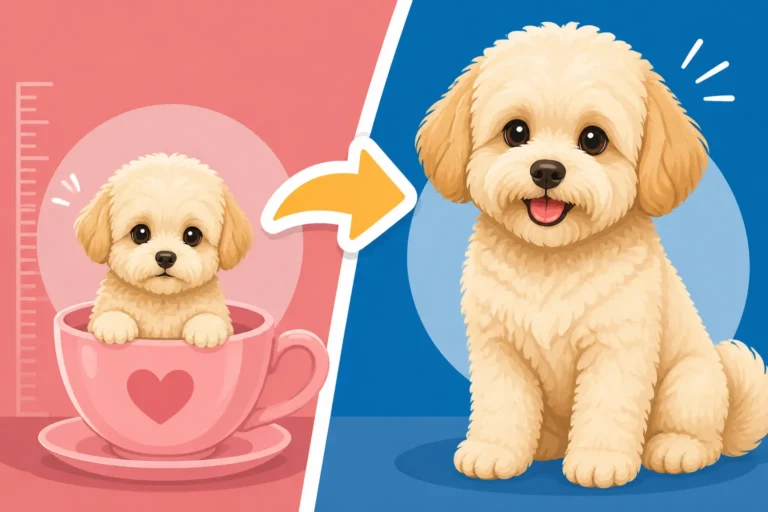
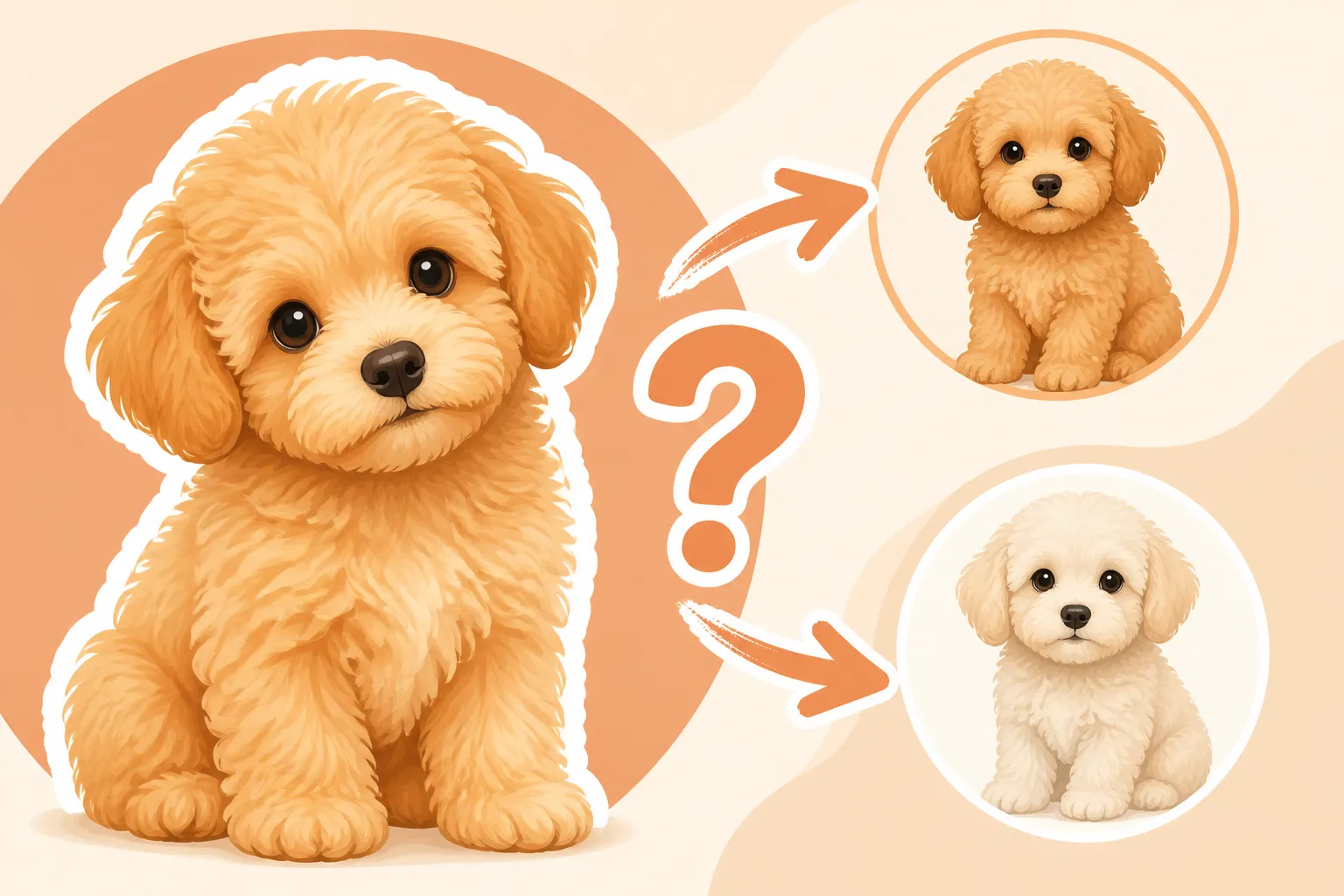
The most common progression for an apricot Maltipoo is to lighten significantly, often transitioning to a beautiful cream color, or even a pure white. This shift typically begins around 6 to 12 months of age, but it can sometimes start earlier or later. You might first notice the hair growing in around their muzzle, paws, or underbelly is lighter than the rest of their body. As their adult coat grows in, the lighter shades will become more dominant.
Imagine a painter's palette where the rich apricot paint slowly has white paint mixed into it – that's often what happens to the individual hair strands. Some hairs might retain a hint of apricot, while others become stark white, creating a lovely multi-tonal effect. This can result in a stunning array of shades, from a very pale apricot or champagne to an off-white with warm undertones. Many owners find that even with the color change, their Maltipoo's coat remains equally appealing, just different from what they initially expected. Whether a Maltipoo's Color Changes as It Grows provides more context on this fascinating aspect.
It's a good idea to take photos of your Maltipoo regularly as they grow. Not only are they adorable keepsakes, but they also allow you to track the subtle changes in their coat. You might be surprised to look back and see just how much their color has transformed. This evolution is a testament to the complex genetics at play, making each Maltipoo truly one-of-a-kind.
The "Bleaching" Effect and Other Factors
While genetics are the primary driver of coat color change in apricot Maltipoos, environmental factors can contribute to the appearance of fading, sometimes amplifying the genetic predisposition. The most significant of these is sunlight. Just like our hair can lighten in the sun, prolonged exposure to UV rays can subtly "bleach" a Maltipoo's coat. If your Maltipoo spends a lot of time outdoors in sunny weather, you might notice their coat appears lighter, particularly on their back and ears.
This is different from genetic fading, which occurs even if your dog is mostly indoors. However, the two effects can combine, making an already fading apricot appear even lighter. While you can't prevent genetic fading, you can mitigate sun-induced lightening by ensuring your Maltipoo has shaded areas to rest in if they're outside for extended periods. This is also important for preventing overheating, especially for smaller dogs. You can find shade covers and comfortable outdoor beds on sites like Chewy.
Other factors like diet and bathing frequency are often discussed, but their impact on genetic color fading is generally minimal. A high-quality diet is crucial for overall coat health, shine, and texture, but it won't fundamentally alter the genetic programming that dictates color change. Similarly, regular bathing with appropriate shampoos and conditioners will keep the coat clean and healthy, but it won't stop the fading gene from doing its work. The best approach is to focus on a balanced diet and consistent grooming for a healthy, beautiful coat, regardless of its evolving hue. Your Maltipoo's daily routine, including grooming, is essential, and you can learn more here: The Daily Routine a Maltipoo Needs.
What to Expect and How to Manage Expectations
Bringing home an apricot Maltipoo puppy is an exciting experience, and it's completely understandable to be enamored with their initial color. However, going into ownership with realistic expectations about potential coat changes can save you from unnecessary worry or disappointment later on. Remember, the true joy of a Maltipoo comes from their loving personality, their intelligence, and the bond you share, not just the specific shade of their fur.
It's also worth noting that the fading process itself is quite beautiful. It transforms their coat into a living canvas, reflecting their journey from a playful puppy to a cherished adult companion. Each stage of color offers its own unique charm, and learning to appreciate these changes can enhance your connection with your pet.
Accepting the Inevitable: Embracing Your Maltipoo's Evolving Coat
The best way to approach your apricot Maltipoo's potential color change is with an open mind and a heart full of acceptance. Rather than seeing a faded coat as a loss of the original apricot, view it as a natural evolution. Your Maltipoo's coat will simply become a unique reflection of their genetics and their individual journey. This acceptance fosters a deeper appreciation for all aspects of your dog, not just their appearance.
Consider it a delightful surprise, much like observing how a flower changes bloom or a leaf shifts color with the seasons. Your Maltipoo isn't becoming "less" apricot; they're becoming more uniquely themselves. This perspective can help you celebrate their changing coat as just another facet of their charm. Many owners find that the softer cream or white shades are just as, if not more, elegant and beautiful than the original apricot. The underlying goal is a happy, healthy dog, and color is purely superficial.
If you find yourself still a bit wistful about the lost apricot, focus on all the other wonderful traits your Maltipoo possesses. Their playful nature, their cuddly demeanor, their intelligence, and their unwavering loyalty are all far more important than their coat color. A quick look at The Coin Flip Inside Every Maltipoo Puppy might remind you that personality is truly the most captivating trait. Your bond with your Maltipoo will deepen whether they are bright apricot, soft cream, or pure white.
Can Grooming or Diet Help?
It's natural to wonder if there's anything you can do to preserve that beautiful apricot color. While a healthy diet and consistent grooming routine are paramount for your Maltipoo's overall well-being and coat quality, they won't stop a genetically programmed color fade. Think of it this way: you can't change your eye color by eating certain foods or using specific shampoos, and the same principle applies to your Maltipoo's genetically determined coat color.
However, a well-balanced diet rich in essential fatty acids (like Omega-3s and Omega-6s) will ensure your Maltipoo's coat remains soft, shiny, and vibrant, regardless of its color. High-quality dog food, which you can easily browse and purchase on Chewy, provides the necessary nutrients. A dull, unhealthy coat can make any color look less appealing, so focus on internal health for external radiance.
Grooming plays a crucial role in maintaining the appearance of their coat. Regular brushing, every other day at minimum, prevents matting and keeps the hair looking its best. Special shampoos designed for light-colored coats might help brighten whites and creams, making a faded apricot appear cleaner and more lustrous, but they won't add pigment back into the hair. Trimming your Maltipoo's face regularly, especially around the eyes, is also essential for hygiene and to prevent tear staining, which can sometimes look like discoloration. You can buy grooming supplies like brushes, combs, and dog-safe detanglers at stores like Chewy. For tips on managing facial hair, see The Two Week Face Trim a Maltipoo Needs. Embracing their evolving coat means appreciating its current beauty, whatever the shade may be.
Here's a quick overview of potential apricot color changes:
| Maltipoo Age Range | Typical Apricot Puppy Appearance | Common Adult Color Change | Contributing Factors |
|---|---|---|---|
| 8 weeks – 6 months | Vibrant, deep apricot to light red | Begins to show lighter roots around muzzle, paws, belly | Poodle fading gene activation |
| 6 months – 2 years | Apricot starts to soften and lighten | Pale apricot, cream, champagne, or off-white | Progressive genetic dilution, sun exposure |
| 2+ years | Established adult color | Holds new lighter shade, may continue very subtle lightening | Genetics, minimal environmental impact |
Ultimately, whether your apricot Maltipoo stays a rich apricot, transitions to a beautiful cream, or becomes nearly white, they will remain the same loving, playful companion you adore. Embrace their unique color journey, provide them with excellent care, and cherish every moment with your special Maltipoo.
Disclaimer
This article is for general informational purposes only and does not constitute professional advice. Laws, prices and regulations vary by location and change over time. Consult a qualified professional for guidance on your specific situation.