Whether Jumping Off a Bed Hurts a Maltipoo
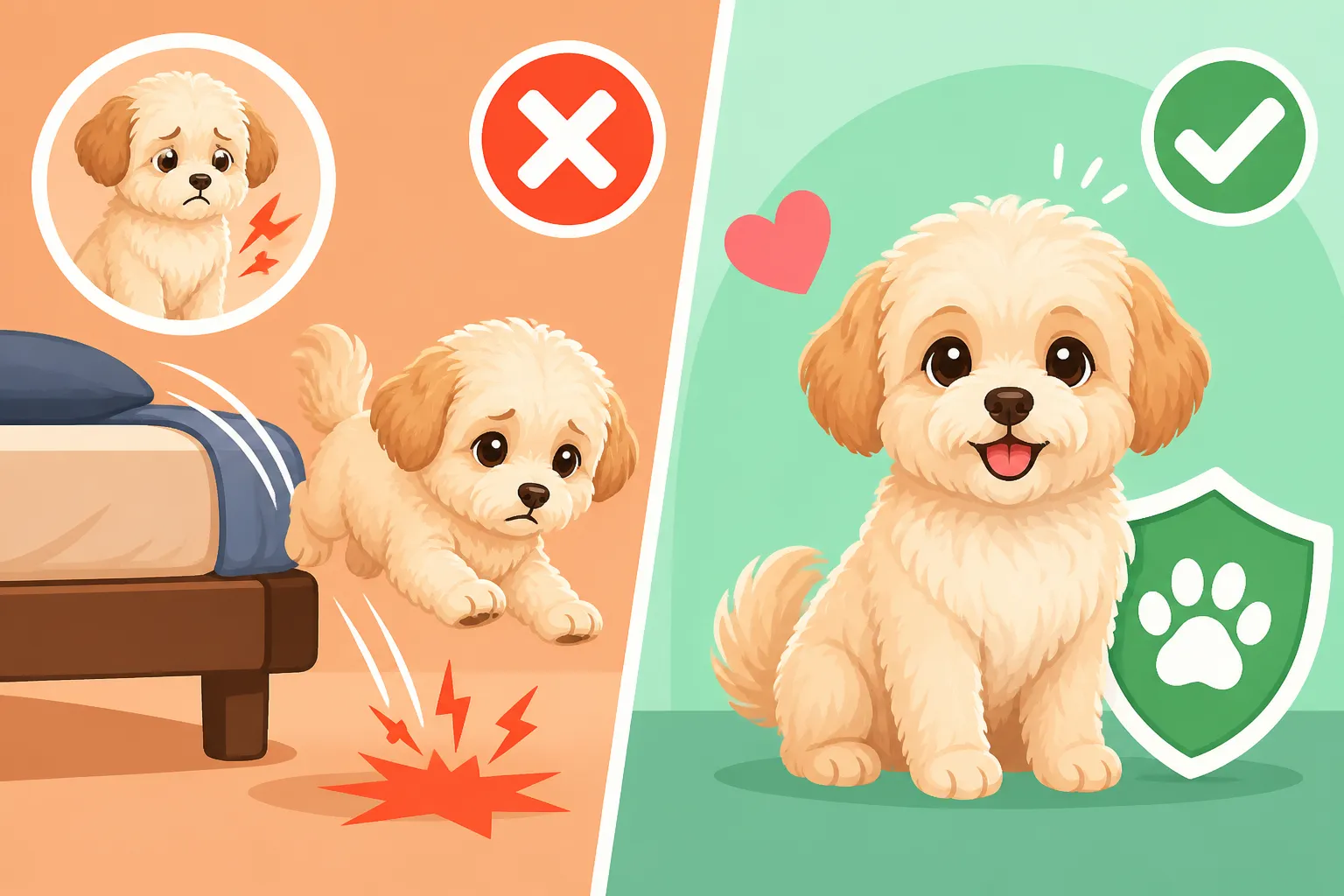
It’s a common sight in many homes: your tiny Maltipoo, full of boundless energy, suddenly launching itself off the sofa or, perhaps even more alarmingly, the bed. You might watch this aerial display with a mix of amusement and a knot of anxiety in your stomach, wondering, "Is that really safe for them?" The truth is, that seemingly innocent leap can carry significant risks for these small, delicate dogs. This guide is here to shed light on why jumping from heights can be dangerous for your beloved Maltipoo and what you can do to protect them.
The Delicate Reality of a Maltipoo's Structure
When you look at your adorable Maltipoo, it’s easy to forget just how fragile their tiny bodies can be. Unlike larger breeds that can often withstand greater impacts, a Maltipoo’s diminutive size and particular bone structure make them surprisingly vulnerable to injuries from even seemingly minor falls.
Why Small Breeds are More Vulnerable to Falls
Think about the physics involved. A fall from a human bed, which might be two or three feet high, is like a person jumping from a two-story building for a dog that stands only 8-10 inches tall. The impact forces on their small joints and bones are disproportionately higher. Maltipoos, being a crossbreed of the Maltese and Poodle, inherit a finer bone structure. While charming, this can unfortunately mean their bones aren't as dense or robust as, say, a terrier or a bulldog. This inherent fragility means they don't have the same shock absorption capabilities as bigger dogs, making them more susceptible to fractures and sprains.
It's not just the immediate impact, either. The repeated jarring motion of jumping down day after day can put chronic stress on their joints, ligaments, and tendons. Over time, this constant strain can lead to degenerative issues that might not be immediately apparent but cause problems down the line. Owners often ask whether a Maltipoo's bones are thinner than normal, and while "thinner" might not be the precise scientific term, they certainly are less substantial than those of a larger dog, which directly contributes to their vulnerability.
Common Injuries from Jumping
The types of injuries a Maltipoo can sustain from jumping off furniture are varied and can range from mild to devastating. One of the most common and concerning issues is patellar luxation, more commonly known as "slipping kneecaps in a Maltipoo". This condition, where the kneecap dislocates from its groove, is prevalent in small breeds like the Maltese and Poodle, and therefore, in Maltipoos. A hard landing or awkward twist from a jump can easily exacerbate an existing mild luxation or even trigger a new one.
Beyond knee issues, a Maltipoo can suffer from:
- Fractures: Their delicate leg bones, particularly in the front legs (radius and ulna) or hind legs, can easily break upon impact. A sudden yelp, limping, or refusal to put weight on a leg after a jump are immediate red flags.
- Spinal Injuries: While less common from simple jumps off a bed, a particularly bad landing can lead to disc problems or even spinal trauma, especially if they land awkwardly or twist their back. This can manifest as pain, weakness, or even paralysis in severe cases.
- Sprains and Strains: Ligaments and tendons around joints can be stretched or torn, causing significant pain and lameness.
- Soft Tissue Damage: Bruises and muscle soreness are also possible, though often harder to detect immediately.
Even if your Maltipoo seems fine after a jump, the cumulative stress on their joints, especially their knees, can contribute to the age a Maltipoo's kneecap first slips. It's a silent threat that many owners don't realize until a noticeable limp appears.
Understanding the Risks: What Happens When They Jump
It's natural for Maltipoos to want to be where their people are, and that often means joining you on the bed or sofa. But understanding the mechanics of these jumps and the factors that increase risk is crucial for preventing injury.
The Hidden Dangers of Everyday Furniture
Consider your bed. For a human, it’s a soft, comfortable landing spot. For a Maltipoo, however, it represents a significant elevation.
Here's a quick look at how typical furniture heights compare to a Maltipoo's size:
| Furniture Item | Average Height (Inches) | Equivalent Human Jump for a 9-inch Maltipoo | Potential Impact |
|---|---|---|---|
| Sofa | 18-24 | Approximately 2-2.5 stories | High |
| Bed (with box spring) | 24-30 | Approximately 2.5-3.5 stories | Very High |
| Chair/Armchair | 16-20 | Approximately 1.5-2 stories | Moderate-High |
| Stepstool | 8-12 | Approximately 0.5-1 story | Low-Moderate |
Note: Equivalent human jump calculated based on average human height of 65 inches.
As you can see, even a standard sofa height is a considerable leap for such a small dog. It's not usually one catastrophic fall that causes the most damage, but rather the constant, repetitive strain. Each jump down from the bed or sofa creates micro-traumas in their joints. Think of it like a tiny, constant hammering on their knees, hips, and spine. Over months and years, this can lead to or worsen conditions like arthritis, hip dysplasia (though less common in Maltipoos, still possible), and certainly the dreaded patellar luxation. These repeated impacts can also contribute to issues like Legg Calve Perthes in a Maltipoo, a painful condition affecting the hip joint, though it often has a genetic component.
Factors Increasing Injury Risk
While all Maltipoos are at some risk from jumping off furniture, certain factors can significantly increase that risk:
- Age: Puppies are often fearless and clumsy. Their bones and joints are still developing, making them more pliable and susceptible to damage. An awkward landing during a playful leap can easily cause growth plate injuries or dislocations. Conversely, senior Maltipoos may have weakened muscles, reduced flexibility, and existing arthritis, making them more prone to falls and more severe injuries when they do jump. Their coordination might not be what it once was, and they might misjudge a landing.
- Weight: An overweight Maltipoo carries extra stress on all its joints, even during normal movement. When they jump, this additional weight amplifies the impact forces, making them much more likely to suffer a sprain, strain, or fracture. Keeping your Maltipoo at a healthy weight is paramount for their overall joint health.
- Underlying Health Conditions: A Maltipoo with an existing orthopedic condition, even if it's currently subclinical (not showing obvious symptoms), is at a much higher risk. For instance, if your Maltipoo has a Grade 1 or 2 luxating patella, a jump can easily push it to a more severe grade or cause a painful dislocation. Understanding the four patella grades and where a Maltipoo lands is key to proactive care. Regular veterinary check-ups are essential to monitor these conditions.
- Floor Surfaces: Landing on a hard, unforgiving surface like tile, hardwood, or concrete amplifies the impact considerably compared to landing on carpet. Slippery floors also increase the chance of them splaying their legs upon landing, leading to strains or twists. A Maltipoo already prone to patella issues will find a hard, slippery landing particularly jarring.
Practical Solutions for a Safer Home Environment
The good news is that you don't have to ban your Maltipoo from the bed entirely, nor do you have to live in constant fear. There are many practical steps you can take to create a safer environment for your furry friend.
Introducing Ramps and Steps
One of the most effective ways to protect your Maltipoo is to provide them with safe alternatives to jumping. Dog ramps and steps are specifically designed to allow small breeds to access elevated furniture without the high-impact stress.
- Choosing the Right Aid: Look for ramps or steps that are sturdy and have a non-slip surface. The incline of a ramp should be gentle, and steps should be wide enough with a shallow rise that your Maltipoo feels comfortable using them. Consider the height of your furniture; a higher bed will need a longer ramp or more steps. For instance, a bed that’s 28 inches high will require a ramp of at least 70-80 inches long to maintain a gentle incline. Brands like Pet Gear and Zinus offer a good range of options.
- Training Your Maltipoo to Use Them: This might take a little patience, especially if your Maltipoo is already accustomed to jumping. Start by placing treats on the steps or ramp to encourage them to explore. Gently guide them up and down with praise and positive reinforcement. Make it a fun, rewarding experience. Always ensure the ramp or steps are stable and don't wobble, as this can make them hesitant. Consistency is key; always direct them to use the ramp or steps, even if they try to jump. Over time, they'll learn it's the safer and easier route. Many owners wonder whether a Maltipoo should use steps to the sofa, and the answer is almost always a resounding yes!
Modifying Your Home and Routine
Beyond ramps and steps, a few simple adjustments around your home and in your daily routine can make a world of difference for your Maltipoo’s long-term joint health.
- Floor Runners and Rugs: If you have hard floors, placing non-slip runners or area rugs in high-traffic areas, especially near beds and sofas, can provide much-needed traction and cushioning for landings. This helps prevent slips and reduces the impact on their joints, cushioning their little bodies after any accidental jump or even just during enthusiastic play.
- Lower Furniture Options: While not always feasible for major pieces, consider lower dog beds, or even a dog-friendly sofa with a lower profile for their designated lounging spots. If you're replacing furniture, keep your Maltipoo's stature in mind.
- Supervision and Consistency: When your Maltipoo is in a room with elevated furniture, keep a watchful eye. Gently but consistently redirect them to the stairs or ramp. It requires diligence, especially with curious and energetic puppies, but it’s an investment in their health. If they are particularly boisterous, consider keeping them in a designated, puppy-proofed area or playpen when you can’t actively supervise.
- Regular Vet Checks: Preventative care is paramount. Regular veterinary examinations, including orthopedic checks, can help catch potential issues like patellar luxation early on. Your vet can assess your Maltipoo’s gait, manipulate their joints, and advise on any preventative measures or dietary supplements that might support joint health. This is part of the yearly checks a Maltipoo should get to ensure they remain in top condition.
When an Accident Happens: What to Do Next
Despite all your best efforts, accidents can still happen. A misstep, a sudden scare, or simply an overzealous leap can lead to injury. Knowing what to do in these situations can make a crucial difference in your Maltipoo's recovery and long-term well-being.
Recognizing the Signs of Injury
Your Maltipoo, being a small and sometimes stoic creature, might not always make it immediately obvious that they're in pain. However, there are several key signs to look for if you suspect an injury after a fall:
- Limping or Lameness: This is often the most obvious sign. If your Maltipoo suddenly starts favoring a leg, holding it up, or refusing to put weight on it, it's a clear indication of pain or injury.
- Vocalization: A yelp, whimper, or cry upon landing or when you touch a specific area can indicate acute pain.
- Swelling or Bruising: Carefully (and gently!) examine the injured area for any visible swelling, heat, or bruising.
- Reluctance to Move: If your Maltipoo is usually active but becomes withdrawn, lethargic, or hesitant to walk, jump, or play, it could be a sign of internal discomfort or injury.
- Changes in Behavior: Any uncharacteristic aggression, fear, or a desire to be left alone could stem from pain. A dog in pain might snap if you accidentally touch a sore spot.
- Altered Posture: They might hold their back in an unusual way, tuck their tail, or stand with an arch in their spine if they have back pain.
If you observe any of these symptoms, especially after a fall, it's imperative to act quickly. Do not try to "walk it off" or wait to see if it improves on its own for more than a few hours. Immediate veterinary attention is almost always the safest course of action. What to do when a Maltipoo goes limp, for instance, is a guide for serious situations, but the principle of seeking immediate vet care applies to any suspected injury.
The Role of Pet Insurance
Let's be frank: veterinary care for injuries can be expensive. A simple x-ray, pain medication, or even just an emergency visit can quickly add up, and if surgery is required for something like a fractured leg or severe patellar luxation, the costs can be staggering. This is where pet insurance can be an absolute lifesaver.
Companies like Healthy Paws offer comprehensive pet insurance plans that can cover a significant portion of unexpected veterinary bills due to accidents or illnesses. Imagine your Maltipoo needs patella surgery, which can easily run into thousands of dollars. Having a policy from Healthy Paws could mean you only pay a small deductible and a percentage of the remaining bill, rather than the full amount out of pocket. This peace of mind allows you to make medical decisions based on what’s best for your furry friend, not solely on what you can afford at that moment.
It’s crucial to get insurance early, ideally when your Maltipoo is a puppy, before any pre-existing conditions develop. Many policies, including those from providers like Healthy Paws, won't cover conditions that were present before the policy started or during a waiting period. This means insuring a Maltipoo before its knees go is a smart financial and medical decision. Dealing with what an emergency sugar crash costs a Maltipoo owner can be stressful enough, but adding major orthopedic surgery costs without insurance makes it even more challenging. Being prepared financially means you can focus entirely on your Maltipoo's recovery.
Disclaimer
This article is intended for informational purposes only and does not constitute veterinary advice. Always consult with a qualified veterinarian for any health concerns or before making any decisions about your pet's health or treatment.