Whether Supplements Do Anything for a Maltipoo’s Knees
It’s heartbreaking to see your precious Maltipoo puppy skip a step, or to notice an older dog favoring a leg, and immediately your mind jumps to their tiny, delicate knees. Many of us Maltipoo owners have been there, watching for any sign of discomfort, especially with the knowledge that small breeds are often prone to conditions like luxating patella. Naturally, you want to do everything in your power to support their health, and that often leads to questions about joint supplements. Can these little pills or chewables really make a difference, or are they just another expense in an already long list of dog care costs? This guide aims to clear up the confusion and help you understand what, if anything, supplements can do for your Maltipoo's knees.
Understanding Luxating Patella in Maltipoos
The term "luxating patella" might sound intimidating, but it simply means a kneecap that slips out of place. For Maltipoo owners, this isn't just a technical term; it's often a source of real anxiety, considering how common it can be in our beloved companions.
Why Small Breeds Are Prone to Knee Issues
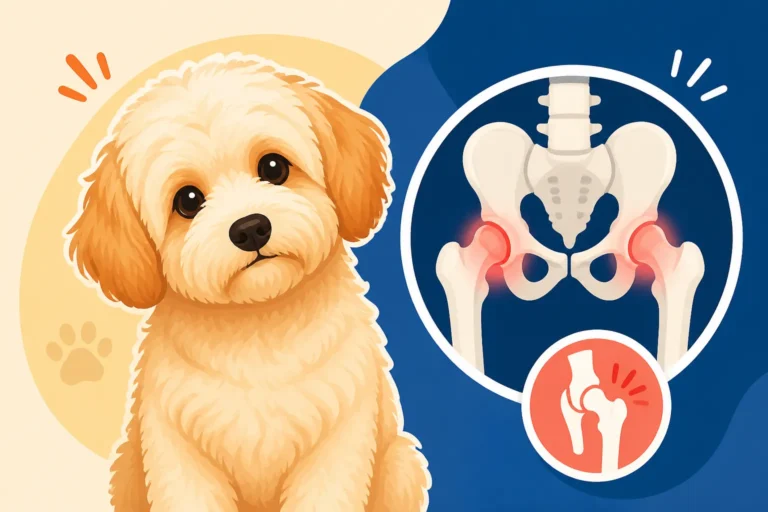
Maltipoos, inheriting traits from both the Maltese and Poodle, often have the same delicate bone structure common in toy breeds. This genetic predisposition means their patella (kneecap) can be more prone to slipping from its groove on the femur. Imagine a tiny train track with the train (kneecap) occasionally jumping off the rails. It’s not always painful, especially in the early stages, but it’s certainly concerning. The anatomy of smaller dogs often includes shallower grooves for the kneecap and sometimes weaker supporting ligaments. This isn't a fault of the dog, but rather a characteristic that comes with their petite size, and it's something breeders should be aware of. Many responsible breeders will screen their breeding stock to try and reduce the incidence, but even with careful breeding, it can still occur. Understanding The Four Patella Grades and Where a Maltipoo Lands can give you a clearer picture of the severity and what each grade entails, from a minor skip to a persistent displacement.
When a Maltipoo's Kneecap First Slips
Often, the first sign you might notice is a subtle skip in your Maltipoo's step. They might run for a few strides, then suddenly lift one back leg for a moment, shake it, and then put it down as if nothing happened. This momentary lameness is often the kneecap slipping out and then popping back into place. For some Maltipoos, this can happen as early as puppyhood, though it can also develop later in life. You might observe it more after vigorous play or when they are particularly excited. It’s a tell-tale sign, often referred to as The Skip in a Maltipoo's Walk That Means a Patella. It’s crucial to pay attention to these early indicators, as early veterinary assessment can help you understand the severity and discuss management options. Ignoring these signs in the hope they'll go away usually doesn't work, and the condition can worsen over time, potentially leading to more consistent lameness or discomfort. Knowing The Age a Maltipoo's Kneecap First Slips can help you be vigilant during critical growth periods.
The Role of Joint Supplements for Maltipoos
When you hear about joint issues, supplements are often one of the first things suggested by fellow pet parents or even online articles. But what exactly are these supplements, and what can they realistically do for your Maltipoo's fragile joints? It's easy to get lost in the marketing hype, so let's break down the science.
Common Ingredients in Joint Supplements
Most joint supplements contain a blend of ingredients designed to support cartilage health, reduce inflammation, and improve overall joint function. Here's a quick rundown of the big players you'll often see on the label:
- Glucosamine: This is a natural compound found in healthy cartilage. It's believed to help repair and rebuild cartilage, acting as a building block. Many owners hope it can slow down the degenerative process in joints.
- Chondroitin Sulfate: Often paired with glucosamine, chondroitin helps maintain the elasticity and integrity of cartilage. It's thought to inhibit enzymes that break down cartilage and to promote water retention, keeping the cartilage pliable and well-cushioned.
- MSM (Methylsulfonylmethane): This is an organic sulfur compound with anti-inflammatory properties. It's often included to help reduce pain and swelling associated with joint discomfort, making it easier for your Maltipoo to move.
- Omega-3 Fatty Acids (EPA and DHA): Derived from fish oil, these are powerful anti-inflammatory agents. They don't directly build cartilage but can significantly reduce the inflammation and pain that often accompany joint problems, making your dog more comfortable.
- Hyaluronic Acid: This substance is naturally found in the synovial fluid that lubricates joints. Supplements may aim to improve joint lubrication and shock absorption.
Here’s a simple table to help you visualize these common ingredients and their primary functions:
| Ingredient | Primary Function | What it aims to do for joints |
|---|---|---|
| Glucosamine | Building block for cartilage | Repair and rebuild cartilage |
| Chondroitin Sulfate | Maintains cartilage elasticity; inhibits breakdown | Promote cartilage health, absorb shock |
| MSM | Anti-inflammatory compound | Reduce pain and inflammation |
| Omega-3 Fatty Acids | Anti-inflammatory | Decrease joint pain and swelling |
| Hyaluronic Acid | Lubricates joints | Improve joint lubrication and shock absorption |
What Supplements Can and Cannot Do
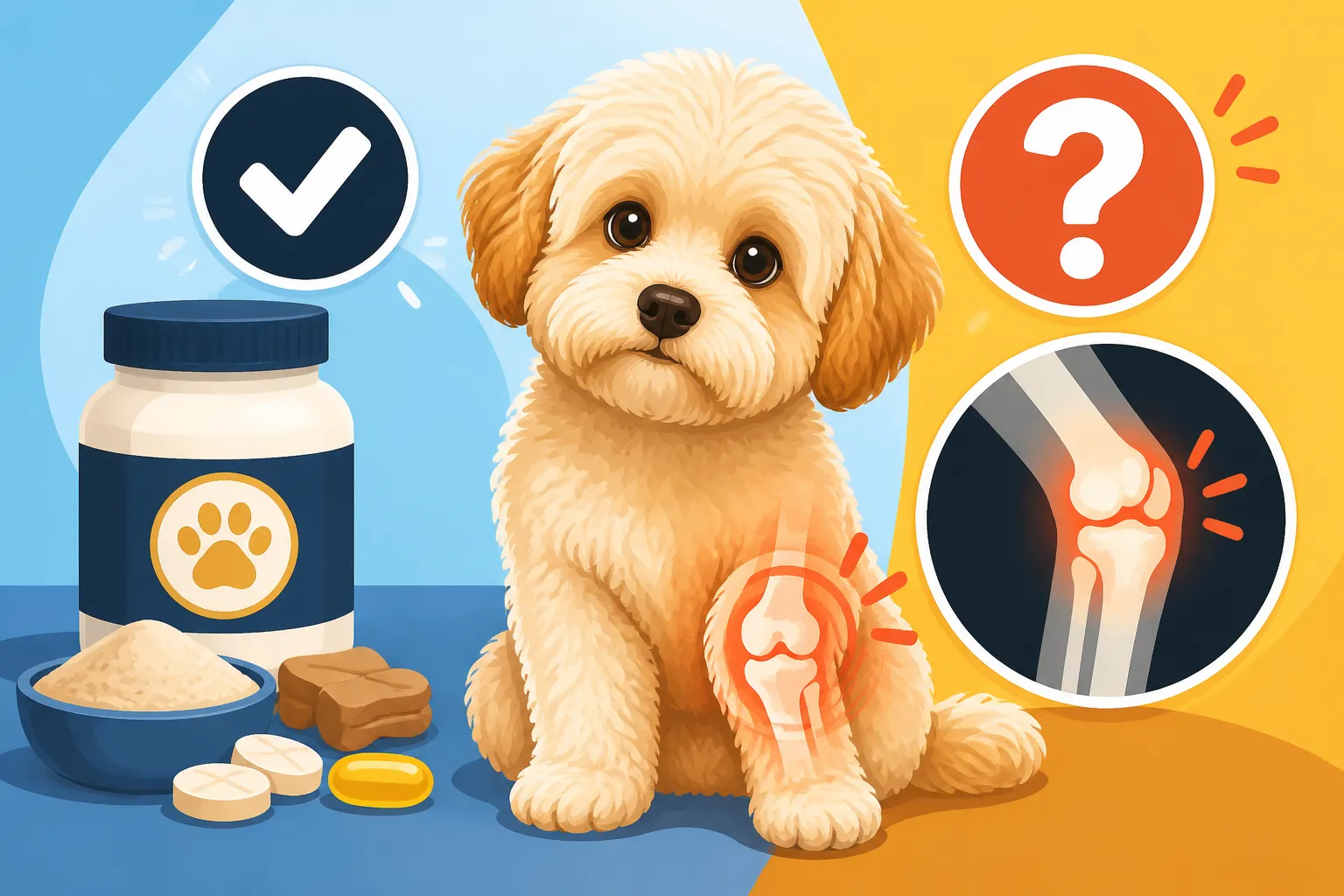
It's really important to have realistic expectations when it comes to joint supplements. Think of them as supportive players, not miracle cures. For a Maltipoo with a mild case of luxating patella, or as a preventative measure for a genetically predisposed puppy, supplements can potentially help. They may offer symptomatic relief by reducing inflammation and pain, and theoretically, some ingredients might support the health of remaining cartilage. This could mean a more comfortable dog, potentially slowing the progression of arthritis that often accompanies a luxating patella.
However, supplements cannot physically fix a structural issue. If your Maltipoo's kneecap is significantly luxated, or if the groove is too shallow, a supplement isn't going to pull it back into place or deepen the groove. They are not a replacement for veterinary diagnosis or, in some cases, surgical intervention. If your vet determines Whether a Maltipoo's Kneecap Needs Operating, that decision is based on the structural integrity and the dog's comfort, which supplements cannot alter. They might improve the general health of the joint tissue, but they won't correct the mechanical problem. It's like trying to fix a wobbly table leg with a pain reliever; it might make the table feel better for a bit, but it won't stabilize the leg.
Navigating the Supplement Market for Your Maltipoo
The pet supplement market is vast and, frankly, a bit overwhelming. Every brand promises the world, and it can be tough to distinguish between genuinely beneficial products and those that are mostly marketing fluff. For your precious Maltipoo, you want to make sure you're getting something worthwhile.
Choosing High-Quality Supplements
When you're standing in the pet store aisle or browsing online, it's easy to grab the prettiest package, but you need to be a detective. Look for brands that are transparent about their ingredients and dosages. They should clearly list the active compounds (like glucosamine and chondroitin) and their amounts per serving. Avoid products with excessive fillers, artificial colors, or vague "proprietary blends" where you don't know the exact quantities of each ingredient. The best supplements are often those developed with veterinary input and subjected to third-party testing for purity and potency. Don't be afraid to ask your own veterinarian for recommendations; they often have specific brands they trust based on their experience and scientific backing. Some larger, reputable pet health companies are known for their commitment to quality control and ingredient sourcing, which gives pet parents extra peace of mind. It’s always best to check with your vet before starting any new supplement regimen for your Maltipoo.
Integrating Supplements into Your Maltipoo's Routine
Once you've chosen a supplement, consistency is key. These aren't medications that work instantly; their benefits, if any, accumulate over weeks or months. Follow the dosage instructions carefully, usually based on your Maltipoo's weight. Many come in chewable forms or powders that can be easily mixed into their food. If your Maltipoo is a picky eater, you might need to get creative, perhaps by hiding it in a small dab of peanut butter (xylitol-free, of course!) or mixing it with wet food.
After a few weeks or a couple of months, observe your Maltipoo closely. Are they showing less stiffness? Are their "skips" less frequent? Are they more eager to play? Keep a log if it helps. If you notice any adverse reactions, like digestive upset or changes in behavior, stop the supplement and consult your vet immediately. Remember, even good supplements can cause side effects in some dogs. It's a journey of observation and adjustment, always under the guidance of your trusted veterinarian.
Proactive Measures Beyond Supplements
While we're talking about supporting your Maltipoo's joints, it's vital to emphasize that supplements are just one piece of the puzzle. There are many other proactive steps you can take to protect those delicate knees and ensure a long, comfortable life for your furry friend.
Weight Management and Exercise
This is perhaps one of the most critical factors for joint health in any dog, but especially for a small breed like a Maltipoo prone to luxating patella. Every extra pound your Maltipoo carries puts disproportionate stress on their small joints, exacerbating any existing knee issues and potentially accelerating the development of arthritis. Maintaining a lean body weight is absolutely paramount. Talk to your vet about your Maltipoo's ideal weight and feeding plan. It’s often about feeding your Feeding a Six Pound Maltipoo by the Ounce, Not the Scoop, rather than by arbitrary measuring cups.
Regular, moderate exercise is also crucial. This doesn't mean high-impact activities like jumping or long, strenuous runs, which can be detrimental. Instead, focus on controlled walks on varied surfaces (grass, pavement, dirt) to build muscle strength around the joints. Swimming can be an excellent low-impact exercise for strengthening leg muscles without putting direct stress on the knees. Just like people, consistent, gentle movement helps keep joints flexible and strong.
Creating a Safe Home Environment
Your home environment, while seemingly innocuous, can pose significant risks to your Maltipoo's joints, especially if they have a predisposition to luxating patella. High jumps off furniture, for instance, can lead to acute injuries or chronic stress on the knees. Imagine a fall from a human's knee height for a small dog – that's a considerable impact. This is why many experienced Maltipoo owners strongly advocate for providing ramps or steps for furniture like sofas and beds. Allowing your Maltipoo to repeatedly jump up and down from these heights is a common pitfall. Using dog steps or ramps helps mitigate this risk, protecting their knees from unnecessary strain and impact. It answers the question, Whether a Maltipoo Should Use Steps to the Sofa, with a resounding yes!
Consider the flooring in your home too. Slippery hardwood or tiled floors can make it difficult for your Maltipoo to get traction, leading to slips and falls that can injure their joints. Lay down non-slip rugs or runners in high-traffic areas where they play or transition from furniture. Even a seemingly small fall can have serious consequences, prompting owners to wonder Whether a Maltipoo Can Be Injured by a Fall. Creating a truly safe environment is a daily commitment, but it’s one of the most impactful things you can do for their long-term joint health.
When to Consult Your Veterinarian
As loving Maltipoo parents, it’s natural to want to explore every avenue to help our furry companions, including supplements. However, it’s critical to understand that even the best supplements are complementary care, not a substitute for professional veterinary advice and intervention when needed. Your veterinarian is your best partner in managing your Maltipoo’s joint health.
Recognizing Worsening Symptoms
While some skipping or occasional lameness might be manageable with supportive care, there are clear signs that indicate it's time for an immediate veterinary visit. If you notice your Maltipoo is consistently limping, unable to put weight on a leg, crying out in pain, or if the frequency or severity of their "knee skips" increases, don't delay. These could be signs of a worsening luxating patella, or potentially another serious condition like Legg Calve Perthes in a Maltipoo, which also affects the hip joint and can cause lameness in small breeds. A sudden change in their mobility, reluctance to play or walk, or persistent stiffness, especially after rest, are all red flags. If you're ever in doubt, it’s always better to err on the side of caution and get them checked. Early diagnosis can often lead to more effective and less invasive treatment options. Sometimes, the only way to truly know what's going on is with Whether a Limping Maltipoo Needs X Rays.
The Importance of Professional Diagnosis and Treatment
Your veterinarian can accurately diagnose the grade of luxating patella through a physical examination and, if necessary, X-rays. Based on their assessment, they can recommend a tailored treatment plan that might range from conservative management (weight control, controlled exercise, supplements) to surgical correction for more severe cases. While What Patella Surgery Runs on a Maltipoo can be a significant financial concern, especially if Both of a Maltipoo's Knees Go, it's often the most effective solution for improving quality of life for dogs with higher grades of luxation.
Pet insurance providers like Healthy Paws can be invaluable in these situations, helping to cover the often-unforeseen costs of diagnostics and surgery. It’s why many owners consider Insuring a Maltipoo Before Its Knees Go a wise investment. They can offer peace of mind, knowing that if your Maltipoo needs advanced care, you’ll be supported. Remember, supplements can't replace the expert hands of a surgeon or the precise diagnostic tools of a vet. They can support joint health, but they are not a cure for structural issues. Always work closely with your vet to make the best decisions for your Maltipoo’s long-term well-being. Thinking about What Patella Surgery Costs on a Six Pound Maltipoo can be daunting, but having a clear plan with your vet and perhaps insurance can make it manageable.
In conclusion, while joint supplements can play a supportive role in managing and potentially slowing the progression of joint issues in your Maltipoo, especially by reducing inflammation and promoting cartilage health, they are not a standalone solution. They cannot fix structural problems like a luxating patella on their own. The most impactful steps you can take involve maintaining a healthy weight, providing a safe home environment, and most importantly, partnering with your veterinarian for regular check-ups and prompt attention to any signs of discomfort or lameness. Your vet can guide you on the best course of action, which may or may not include supplements, ensuring your beloved Maltipoo enjoys the happiest, healthiest life possible.
Disclaimer
The information provided in this article is for general informational purposes only and does not constitute veterinary advice. Always consult with a qualified veterinarian for any health concerns or before making any decisions about your pet's medical care or diet.