Whether Only White Maltipoos Get Shaker Syndrome
It’s incredibly unsettling to see your beloved Maltipoo shaking, trembling, or experiencing uncontrolled body tremors. Many owners jump to conclusions, often having heard a persistent myth that only white-coated dogs, or specifically white Maltipoos, are susceptible to something called "White Shaker Syndrome." This common misconception can lead to confusion and delayed treatment, causing undue worry. This guide aims to clear up that confusion, diving deep into what Shaker Syndrome really is, who it affects, and how you can best support your furry family member through diagnosis and management, regardless of their beautiful coat color.
Understanding Generalized Tremor Syndrome, Commonly Known as Shaker Syndrome
When we talk about "Shaker Syndrome," the official medical term is Generalized Tremor Syndrome (GTS). The name "White Shaker Syndrome" is a bit of a misnomer that stuck around because it was initially identified more frequently in smaller, white-coated breeds, particularly West Highland White Terriers and Maltese dogs, both of which contribute to the Maltipoo's genetic makeup. However, it's crucial to understand that this condition is absolutely not exclusive to white dogs, nor does it affect them more severely. Any Maltipoo, regardless of their coat color – be it apricot, black, cream, or parti-colored – can develop this neurological disorder. The frustration for many owners lies in hearing this misleading term and then questioning their vet when their non-white Maltipoo is diagnosed.
What Exactly Happens During Shaker Syndrome?
Generalized Tremor Syndrome is essentially an inflammatory condition affecting the cerebellum, which is the part of the brain responsible for coordinating voluntary movements like posture, balance, coordination, and speech. When the cerebellum becomes inflamed, its normal function is disrupted, leading to the characteristic tremors. Think of it like a faulty signal in a complex circuit board; the brain is trying to send instructions, but the inflammation causes interference, resulting in uncontrolled muscle contractions.
The tremors can range from mild, almost imperceptible quivering, to severe, full-body shaking that can make it difficult for your Maltipoo to stand, walk, or even eat and drink. These aren't just shivers from being cold; they are persistent, involuntary movements. It’s a heartbreaking thing to witness, seeing your playful, vibrant Maltipoo struggle with basic functions.
Common Symptoms and Age of Onset
The signs of Shaker Syndrome typically emerge quite suddenly, often when a Maltipoo is a young adult, usually between six months and three years of age. However, some cases can present earlier or later. You might first notice a subtle trembling in their head or limbs, which then progresses to involve their whole body.
Here are some common symptoms to look out for:
- Generalized Body Tremors: This is the hallmark sign, presenting as uncontrollable shaking throughout the body. These tremors often worsen with excitement, stress, or voluntary movement, and may lessen when the dog is resting or asleep.
- Head Tremors: Sometimes the shaking is more pronounced in the head, making it difficult for them to focus their gaze or hold their head steady.
- Ataxia: This refers to a lack of muscle coordination, causing an unsteady, drunken gait. Your Maltipoo might stumble, fall, or walk as if they're perpetually off-balance. It's truly alarming to see a normally nimble dog suddenly struggling to navigate familiar spaces.
- Nystagmus: In some cases, rapid, involuntary eye movements can occur, which is another sign of neurological disruption.
- Weakness or Lethargy: The constant effort of trembling can be exhausting, leading to decreased energy levels and a general reluctance to move or play.
- Behavioral Changes: While less common, some dogs might show signs of anxiety or disorientation, especially if the tremors are severe and disorienting.
It's vital to differentiate these symptoms from other causes of shaking, like fear, cold, or even other neurological conditions. For a deeper understanding of discerning between these issues, you might find our guide on Telling Shivering From Shaker Syndrome in a Maltipoo helpful.
Debunking the Myth: Coat Color Does Not Determine Shaker Syndrome Risk
Let's tackle the "white" part of "White Shaker Syndrome" head-on. The idea that only white-coated Maltipoos, or even white dogs in general, get this condition is simply inaccurate. It's a pervasive myth that has unfortunately become ingrained in popular pet lore. While some of the first breeds where GTS was extensively studied happened to be white, modern veterinary medicine has confirmed that coat color has no bearing on susceptibility.
Why the Misconception Persisted
The term "White Shaker Syndrome" likely originated from a combination of factors. As mentioned, the condition was initially observed and documented in breeds like the Maltese, a parent breed of the Maltipoo, and the West Highland White Terrier, both predominantly white. These smaller, white dogs were also quite popular, meaning any health issues affecting them would naturally get more attention and be associated with their most prominent visual trait. It was an observational bias, not a scientific finding.
The truth is, Shaker Syndrome is an autoimmune or inflammatory condition, meaning the body's immune system mistakenly attacks its own healthy tissues in the brain. The genetic predisposition, if one exists, is linked to specific genes related to immune function or neurological development, not to the genes that determine coat color. Think of it like this: your car's engine trouble isn't caused by the color of its paint job, even if many cars with that engine trouble happen to be the same color. The paint is superficial; the engine is what matters.
Any Maltipoo Can Be Affected
Whether your Maltipoo boasts a pristine white coat, a luxurious apricot fluff, a sleek black curl, or a charming parti pattern, they are all equally at risk if they have the underlying genetic predisposition or develop the autoimmune response. The Poodle side of your Maltipoo's lineage also contributes to the genetic pool, and Poodles, which come in a vast array of colors, can also develop Shaker Syndrome.
This means if you're looking to bring a Maltipoo into your home, you shouldn't let coat color be a factor in your perceived risk of this condition. Instead, focus on finding a responsible breeder who prioritizes health testing for both parent breeds and can provide a comprehensive health guarantee. This is far more important than the shade of your puppy's fur. For more insight into genetic health concerns, you might want to read about The Liver Shunt a Maltipoo Can Inherit From the Maltese.
Genetic vs. Acquired Factors
While the exact cause of Shaker Syndrome is still not fully understood, it's believed to have an autoimmune component. This means the dog's immune system mistakenly targets healthy brain tissue. There might be a genetic predisposition in certain lines, but it's not a simple dominant or recessive trait linked to color. Environmental triggers might also play a role in some cases, though this is less clear.
The key takeaway is this: if your Maltipoo is shaking, do not dismiss it because they aren't white. That old wives' tale does a disservice to countless dogs who need prompt diagnosis and treatment.
Diagnosing and Managing Shaker Syndrome in Your Maltipoo
If you observe any persistent tremors or uncoordinated movements in your Maltipoo, the most crucial step is to get them to the veterinarian right away. Don't wait, and certainly don't try to self-diagnose based on outdated information. Early diagnosis and intervention can make a significant difference in managing this condition and improving your Maltipoo's quality of life. Understanding What White Shaker Syndrome Does to a Maltipoo can also prepare you for the diagnostic process.
The Diagnostic Journey
Your vet will start with a thorough physical examination and a detailed neurological assessment. They'll ask you about the onset of symptoms, how they've progressed, and any other health changes you've noticed. It's helpful to keep a journal of when the tremors occur, how long they last, and what, if anything, seems to make them better or worse.
Here’s what typically happens next:
- Blood Tests: Your vet will likely perform a complete blood count (CBC) and a biochemistry panel to rule out other medical conditions that can cause tremors, such as low blood sugar (hypoglycemia), liver issues, kidney disease, or toxin exposure. Given how serious a condition like Hypoglycemia and the Teacup Maltipoo Puppy can be, these tests are standard for any dog presenting with tremors.
- Urinalysis: A urine test helps assess kidney function and rule out urinary tract infections.
- Imaging: X-rays might be taken to rule out orthopedic problems. More advanced imaging, such as an MRI (Magnetic Resonance Imaging) of the brain, is often recommended to visualize the cerebellum and look for inflammation or other structural abnormalities. This is usually done by a veterinary neurologist.
- Cerebrospinal Fluid (CSF) Tap: This is a definitive diagnostic tool. CSF is fluid that surrounds the brain and spinal cord. A sample is collected and analyzed for inflammatory cells or abnormal proteins, which would be consistent with an inflammatory brain condition like Shaker Syndrome. This procedure requires general anesthesia and is usually performed by a specialist.
It's natural to feel overwhelmed by the prospect of these tests, especially when faced with the uncertainty of your Maltipoo's condition. Remember, each step brings you closer to an accurate diagnosis and, more importantly, effective treatment.
Treatment Options for Shaker Syndrome
Once Shaker Syndrome is diagnosed, the good news is that it is often very treatable. The primary goal of treatment is to reduce the inflammation in the cerebellum.
- Corticosteroids: The cornerstone of treatment is usually corticosteroids, such as Prednisone. These powerful anti-inflammatory drugs work by suppressing the immune system and reducing the inflammation in the brain. The dosage is typically started high and then gradually tapered down as the symptoms improve. It's a delicate balance to find the lowest effective dose to control symptoms while minimizing side effects.
- Immunosuppressants: In some cases, if corticosteroids alone aren't sufficient or if a very high dose is needed, other immunosuppressive drugs like Azathioprine or Cytarabine might be added to the treatment protocol. These medications help to further modulate the immune response.
- Supportive Care: While the medications work, supportive care is essential. This might include ensuring your Maltipoo has a safe, quiet environment, assistance with eating and drinking if tremors are severe, and comfortable bedding. For insights into the symptoms, see What a Hypoglycemic Episode Looks Like in a Maltipoo.
It's important to understand that Shaker Syndrome is often a lifelong condition, meaning your Maltipoo will likely need to be on some form of maintenance medication indefinitely. However, with consistent treatment, many dogs go on to live full, happy lives with minimal or no tremors.
The Road to Recovery and Long-Term Management
The initial phase of treatment can be quite intense, with frequent vet visits and careful monitoring of your Maltipoo's response to medication. Side effects of corticosteroids can include increased thirst and urination, increased appetite, and panting. Your vet will guide you through managing these.
As your Maltipoo stabilizes, the medication dosage will be gradually reduced to the lowest effective level. This tapering process is critical; stopping steroids abruptly can lead to a rebound of symptoms. You'll likely have regular check-ups to monitor your dog's progress and adjust their medication as needed.
Consider discussing pet insurance options with providers like Healthy Paws. Managing a chronic condition like Shaker Syndrome can involve ongoing medication costs and regular veterinary visits, and a good insurance plan can provide invaluable financial support, helping you focus on your Maltipoo's health without the added stress of mounting bills. The peace of mind this offers can't be overstated.
Supporting Your Maltipoo Living with Shaker Syndrome
Living with a Maltipoo diagnosed with Shaker Syndrome requires patience, vigilance, and a commitment to their ongoing care. While the medical treatment is paramount, there's a lot you can do at home to ensure their comfort and quality of life. This includes managing their environment, maintaining a consistent routine, and understanding potential challenges.
Creating a Safe and Calm Environment
Maltipoos with Shaker Syndrome often experience tremors that worsen with excitement, stress, or sudden movements. Therefore, creating a calm and predictable home environment is crucial for their well-being.
- Quiet Spaces: Ensure your Maltipoo has a designated quiet, safe space where they can retreat when feeling overwhelmed or experiencing more pronounced tremors. This could be a cozy crate with soft bedding, a comfy dog bed in a low-traffic area, or a small playpen.
- Minimize Stressors: Identify and try to minimize potential stressors in your home. This might include loud noises, chaotic playtime with children or other pets, or sudden changes in routine. While some stress is unavoidable, reducing what you can will help keep their system calmer.
- Non-Slip Surfaces: If your Maltipoo experiences ataxia (wobbly gait), slick floors like hardwood or tile can be challenging and increase the risk of falls. Place rugs or non-slip mats in areas where they spend a lot of time or need to navigate. This small change can make a huge difference in their confidence and stability.
- Easy Access to Essentials: Make sure their food and water bowls are easily accessible and stable. If their head tremors are severe, a raised bowl or a bowl with a heavier base might help prevent spills and make eating more comfortable. You might even need to hand-feed during severe episodes. For more on dietary needs, consider Feeding a Six Pound Maltipoo by the Ounce, Not the Scoop.
Routine and Monitoring
A consistent daily routine provides stability and helps you monitor your Maltipoo's condition.
- Medication Schedule: Adhere strictly to the prescribed medication schedule. Missing doses or altering them without veterinary guidance can lead to a flare-up of symptoms. Use reminders on your phone or a pill organizer to stay on track.
- Symptom Journal: Continue to keep a journal of your Maltipoo's tremors. Note their frequency, severity, and any potential triggers or alleviating factors. This information is invaluable for your vet to adjust medication and track progress. Are the tremors worse in the morning? Do they increase after a walk? This data helps refine the management plan.
- Observe Side Effects: Be vigilant for any side effects of the medication, especially corticosteroids. These can include excessive thirst, increased urination, panting, or changes in appetite or behavior. Report any concerns to your veterinarian promptly.
- Regular Vet Check-ups: Even when your Maltipoo is stable, regular veterinary check-ups are essential to monitor their overall health, assess the effectiveness of treatment, and make any necessary adjustments. Your vet may recommend periodic blood tests to monitor organ function, especially with long-term medication use. Providers like Healthy Paws help manage the costs associated with these critical visits, offering financial reassurance.
- Weight Management: Medications like corticosteroids can sometimes lead to increased appetite and weight gain. Monitor your Maltipoo's weight closely and work with your vet to maintain a healthy diet. Excess weight can put additional strain on their joints and overall health.
Quality of Life and Emotional Support
Your Maltipoo is a cherished member of your family, and their emotional well-being is just as important as their physical health.
- Patience and Empathy: It can be frustrating to witness your dog struggle, but your patience and understanding are paramount. They rely on you for comfort and reassurance. Never scold them for tremors or accidents related to their condition.
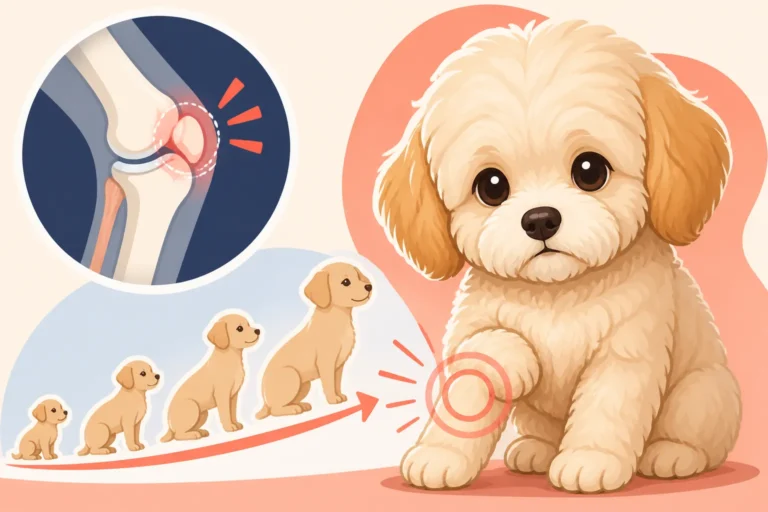
- Gentle Exercise: Depending on the severity of their ataxia, your Maltipoo may still benefit from gentle, controlled exercise. Short, slow walks on a leash can help maintain muscle tone and provide mental stimulation. Always monitor them closely and avoid situations where they might lose balance or fall. If their condition impacts their mobility, you might consider how to manage Slipping Kneecaps in a Maltipoo or whether Whether a Maltipoo Should Use Steps to the Sofa is a good idea.
- Mental Enrichment: Keep their minds active with puzzle toys, gentle training sessions, or interactive games. Mental stimulation can be just as important as physical exercise, especially if their physical activity is limited.
- Socialization (Carefully Managed): While minimizing stress is key, some gentle, controlled socialization can still be beneficial. A calm playdate with a familiar, gentle dog, or quiet interactions with well-behaved visitors, can help prevent isolation without overstimulating them.
- Prognosis: With consistent and appropriate treatment, the prognosis for Maltipoos with Shaker Syndrome is generally very good. Many dogs achieve excellent control of their tremors and can live a normal, happy life for many years. It's a journey, but one you can navigate successfully with your vet and a supportive home environment. Having a robust pet insurance plan, perhaps from a provider like Healthy Paws, can certainly alleviate some financial burdens associated with chronic care, allowing you to focus on loving and caring for your Maltipoo.
When you see your Maltipoo full of life, playing and snuggling without the visible distress of tremors, you'll know that the effort, the vet visits, and the daily care are all worth it. The bond you share will only deepen as you support them through this challenge.
Shaker Syndrome Symptoms vs. Normal Shivering
It can be really tough for a new Maltipoo owner, or even an experienced one, to tell the difference between typical shivering and the tremors associated with Shaker Syndrome. Your little Maltipoo might shiver for a whole host of reasons that are completely normal, and it's easy to jump to conclusions when you're worried about their health. But understanding the distinctions can help you know when to be concerned and when to just offer a comforting hug or a warm blanket.
When Shivering is Normal for Your Maltipoo
Maltipoos, being small dogs, can shiver for many common reasons that don't indicate a serious health problem:
- Cold: This is probably the most obvious one. Their small size and often fine, single coat mean they can lose heat quickly. A little chill from being outside on a cool day, sitting near an open window, or even just feeling a draft indoors can make them shiver. Our guide, Whether a Maltipoo Gets Cold Easily, delves deeper into this.
- Excitement or Anticipation: You've probably seen it – that little tremble when you pick up the leash, open the treat jar, or just walk through the door after being away. This is often a display of pure joy and excitement, an overflow of energy that manifests as a happy quiver.
- Fear or Anxiety: Loud noises, unfamiliar people, a trip to the vet, or even being left alone can trigger anxiety and manifest as shivering. Their sensitive nature can make them prone to feeling overwhelmed, and shaking is a common physical response.
- Pain or Discomfort: If your Maltipoo is experiencing localized pain, like a toothache, an upset stomach, or discomfort from an injury, they might shiver. This is their body's way of reacting to internal distress. You'll often see other signs too, like lethargy, loss of appetite, or reluctance to move.
- Temporary Hypoglycemia: Especially in young puppies or very small adult Maltipoos, a temporary drop in blood sugar can cause shivering, weakness, and disorientation. This is serious but often quickly resolved with a sugar source. Our article on The Signs a Maltipoo Puppy Is Crashing provides critical information on this.
In these situations, the shivering is usually temporary, resolves when the cause is removed (e.g., getting warm, the scary situation passes, or after a treat), and isn't typically accompanied by a loss of coordination or other severe neurological symptoms.
Distinguishing Shaker Syndrome Tremors
Shaker Syndrome tremors have some key characteristics that differentiate them from normal shivering. It’s not just that they shake, but how and when they shake that provides clues.
Here's a table to help visualize the differences:
| Feature | Normal Shivering | Shaker Syndrome (Generalized Tremor Syndrome) |
|---|---|---|
| Cause | Cold, fear, excitement, pain, temporary low blood sugar | Autoimmune inflammation of the cerebellum |
| Onset | Often sudden, in response to a clear trigger | Can be sudden, often develops in young adults |
| Persistence | Resolves when trigger is removed | Persistent, ongoing, often lifelong |
| Severity | Varies, usually mild to moderate | Can range from mild to severe, full-body |
| Exacerbation | May worsen with continued cold, fear | Often worsens with excitement, stress, movement |
| Alleviation | Stops when warm, reassured, trigger removed | May lessen at rest or during sleep; rarely stops completely without medication |
| Coordination | Typically normal | Often accompanied by ataxia (wobbly gait), difficulty balancing |
| Consciousness | Alert and aware | Alert, but can appear disoriented if severe |
| Progression | Does not typically progress into other neurological signs | Can progress to full-body tremors and significant ataxia if untreated |
The key indicators for Shaker Syndrome are the persistence of the tremors, their generalized nature affecting the whole body or head, and often, the accompanying loss of coordination (ataxia). If you see your Maltipoo struggling to walk in a straight line, stumbling, or having trouble standing, alongside the shaking, that's a much stronger signal to seek immediate veterinary attention.
Remember, if you are ever in doubt, it is always best to err on the side of caution and consult your veterinarian. They can perform a thorough examination and recommend the appropriate diagnostic steps to ensure your beloved Maltipoo gets the care they need.
Disclaimer
This article is intended for informational purposes only and does not constitute medical advice. Always consult with a qualified veterinarian for any health concerns or before making any decisions about your Maltipoo's medical care.