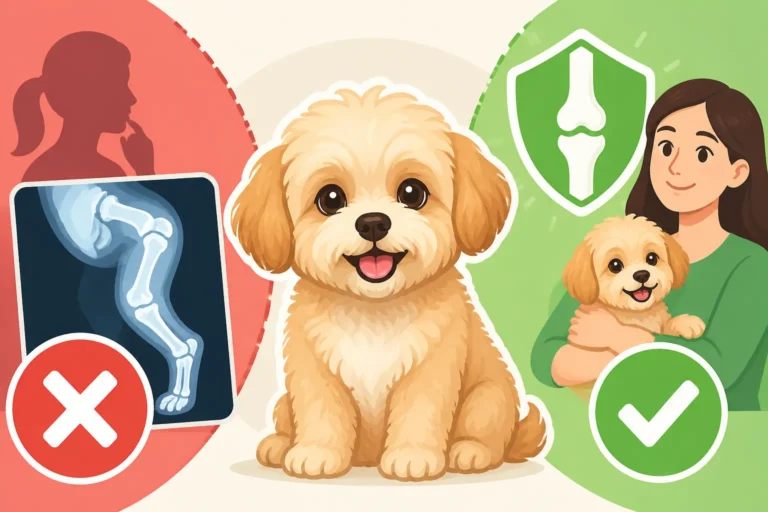
Whether Seeing the Maltipoo’s Mother Matters
Bringing a new Maltipoo puppy home is one of life's greatest joys, but the journey to finding that perfect furry family member can be fraught with uncertainty. Many eager prospective owners focus solely on the adorable puppy, sometimes overlooking a crucial step: meeting the mother. It's a common oversight, often because breeders might offer to meet in a neutral location or shipping is involved, but bypassing this essential encounter can lead to unexpected challenges down the road, from health issues to temperament surprises. This guide will walk you through precisely why seeing your Maltipoo puppy's mother is non-negotiable and what vital information you can glean from this visit.
Why You Should Always Meet the Mother (and Ideally, the Father)
When you're searching for a Maltipoo puppy, it's easy to get swept up in the excitement of tiny paws and wagging tails. But let's be real: that cute little fluffball is just one piece of a much larger puzzle. The mother dog, also known as the dam, plays an absolutely pivotal role in shaping her puppies, not just physically but in their very character. This isn't just about a feel-good moment; it's about doing your due diligence as a responsible future pet parent. You wouldn't buy a car without looking under the hood, would you? Think of meeting the mother as inspecting the factory floor and the quality control processes.
Seeing Temperament in Action
The temperament of the mother dog is one of the most powerful predictors of her puppies' future personalities. Puppies learn so much from their mother during those critical first weeks, absorbing her reactions to the world around them. If the mother is nervous, timid, or aggressive, her puppies are far more likely to exhibit similar traits or develop anxiety issues. Imagine visiting a litter and the mother is cowering in a corner, barking frantically, or even snapping. These are huge red flags, indicating potential behavioral problems that could manifest in the puppies as they grow, regardless of how sweet they seem at eight weeks old.
On the flip side, a calm, friendly, and well-adjusted mother is a wonderful sign. You want to see a dog that approaches you with curiosity, allows her puppies to interact, and is comfortable in her own home environment. This suggests that the puppies are being raised in a stable, nurturing setting, which is foundational for their emotional development. A well-socialized mother passes on a sense of security and confidence, making the transition to your home much smoother for your new Maltipoo. This early exposure to a balanced maternal figure sets the stage for a confident and friendly adult dog.
Assessing the Mother's Health and Environment
Beyond temperament, seeing the mother gives you an invaluable snapshot of her overall health and the conditions she's living in. A healthy mother is usually a good indicator of healthy puppies. Look at her coat – is it clean, well-groomed, and shiny, or matted and dull? Are her eyes clear and bright, or are there signs of discharge or irritation, possibly from allergies or tear duct issues common in small breeds? Is she at a healthy weight, neither too thin nor overweight? These physical cues speak volumes about the level of care she receives from the breeder. If the mother looks neglected, it’s a strong indication that her puppies might not be getting optimal care either.
Equally important is the environment where the mother and puppies reside. Is it clean, warm, and free from strong odors? Are the puppies kept in a dedicated space with clean bedding, fresh water, and appropriate toys for stimulation? A cramped, unsanitary, or chaotic environment can lead to stress, illness, and developmental problems in young puppies. You want to see a home that prioritizes the well-being of the dogs, not just a quick sale. This visit confirms that the breeder is providing a healthy start, reducing the risk of your Maltipoo developing issues like Hypoglycemia and the Teacup Maltipoo Puppy due to poor early nutrition or care.
Verifying the Maltipoo's Authenticity and Size
Let’s be honest, there are unscrupulous people out there who will try to pass off any cute mixed-breed puppy as a Maltipoo, especially with the popularity of designer dogs. Meeting the mother, and ideally the father if he lives on-site, provides concrete proof of the puppy's parentage. You can see the Maltese and Poodle traits in the mother, giving you confidence that your puppy is indeed the mix you're expecting. This is particularly important if you're looking for a specific look or temperament that typically comes from the Maltipoo cross.
Furthermore, if you're hoping for a specific size, such as a "teacup" or "toy" Maltipoo, seeing the mother gives you a realistic expectation of your puppy's adult weight. While genetics are complex, the size of the dam is a strong indicator of how big her puppies will ultimately grow. If a breeder is promising an incredibly tiny "teacup" Maltipoo but the mother is a robust 10 pounds, you should definitely question their claims. Reputable breeders will be transparent about the parent dogs' sizes and pedigrees. It's a good idea to ask for parent weights to help predict Whether a Maltipoo's Adult Weight Can Be Predicted.
What to Look For When You Meet the Mother
So, you've made the appointment to visit the breeder and meet the dam. That's fantastic! But what exactly should you be observing? This isn't just a casual meet-and-greet; it's your opportunity to gather crucial information that will influence your decision. Think of yourself as a detective, piecing together clues about your potential new family member's origins.
Behavioral Cues and Temperament
When you first arrive, pay close attention to the mother's initial reaction. Does she greet you warmly, perhaps with a wagging tail and a gentle sniff? Does she seem relaxed and content in your presence, even as you interact with her puppies? This indicates a well-socialized dog who trusts her human companions and isn't overly anxious or aggressive. A calm mother demonstrates that she's used to people and is not highly stressed, which bodes well for her offspring. A positive maternal temperament significantly reduces the chances of your Maltipoo developing separation anxiety or fear aggression later on.
Conversely, be wary of a mother who exhibits extreme shyness, fear, or aggression. If she hides from you, growls, or tries to keep her puppies away, it suggests underlying issues. While some protectiveness is natural, excessive fear or aggression can be passed down genetically or learned through her behavior. Puppies from such mothers may struggle with socialization, become fearful of strangers, or even develop reactive behaviors. You want a Maltipoo known for its friendly, outgoing nature, and that starts with a confident mom. Remember, the Coin Flip Inside Every Maltipoo Puppy regarding temperament is heavily influenced by the parents.
Physical Health Indicators
A thorough visual inspection of the mother is critical. Her physical condition is a direct reflection of the care she has received and can highlight potential inherited health issues. Check her eyes carefully: they should be clear, bright, and free of any discharge, redness, or cloudiness. Excessive tear staining, while sometimes cosmetic, can also point to tear duct problems or allergies, which Maltipoos can inherit. Look at her ears to ensure they are clean and free from odor, as ear infections can be common in dogs with floppy ears.
Her coat should be clean, free of mats, and have a healthy sheen, indicative of good nutrition and regular grooming. A dull, sparse, or matted coat can signal poor diet, parasites, or neglect. Observe her teeth and gums if she allows – clean teeth and pink gums suggest good dental hygiene, which is vital as The Forty Two Teeth Crowding a Maltipoo's Jaw can lead to early dental issues. Lastly, check her body condition; she should not be too thin, especially after nursing a litter, nor should she be obese. Her overall demeanor should be alert and active, not lethargic or withdrawn. If the mother has a visible limp or discomfort, it could hint at issues like Slipping Kneecaps in a Maltipoo, which can be genetic.
The Environment of the Puppies and Mother
The place where the puppies are raised is just as important as the mother's health. Take a good look at the living conditions. Is the area clean and well-maintained? Are there multiple soiled areas, or is the space regularly cleaned? Puppies raised in unsanitary conditions are at a higher risk for parasites and illnesses. The temperature of the environment should be appropriate – neither too hot nor too cold – as small puppies are particularly vulnerable to temperature fluctuations. A proper setup should include comfortable bedding, access to fresh water, and age-appropriate toys that stimulate their minds.
A reputable breeder will typically have a dedicated, clean space for the puppies, often integrated into their home environment to ensure early socialization to household sounds and activities. You want to see that the puppies are being handled gently and regularly. Are they confident when you approach, or do they cower? This environment plays a huge role in developing a well-adjusted Maltipoo. Products from brands like Chewy can often be seen in a well-stocked puppy area, from appropriate puppy kibble to safe chew toys, signaling a breeder who invests in their animals. Feeding a quality diet, perhaps even a fresh food option like Ollie for the nursing mother, reflects excellent care.
The Risks of Not Seeing the Mother
Deciding to skip meeting the mother, for whatever reason, is like buying a mystery box. You might get lucky, but you're far more likely to end up with something you didn't expect, and potentially a lot of heartache and expense down the road. Unfortunately, there are many individuals and operations out there who prioritize profit over animal welfare, and they thrive on buyers who don't ask the right questions or demand to see the full picture.
Unforeseen Health Problems and Hidden Costs
One of the biggest dangers of not seeing the mother is unknowingly purchasing a puppy from a puppy mill or a backyard breeder who doesn't prioritize health. These operations often keep parent dogs in poor conditions, without proper veterinary care or genetic health screening. This dramatically increases the risk of your Maltipoo puppy inheriting or developing serious health problems. Conditions like The Liver Shunt a Maltipoo Can Inherit From the Maltese, Slipping Kneecaps in a Maltipoo, or severe dental issues can be passed down, or exacerbated by poor care. Without seeing the mother, you have no way to assess her health, her genetic background, or the conditions that led to her pregnancy.
If you bring home a puppy from such an environment, you could be facing significant veterinary bills in the future. Imagine dealing with chronic ear infections, persistent diarrhea, or even the need for costly surgeries for conditions like luxating patellas. These aren't just financial burdens; they're emotional ones. A good breeder will freely offer health certificates for both parents, including clearances for common Maltipoo ailments, and provide a comprehensive vet check for your puppy, perhaps even showing you results from a Bile Acid Test a Maltipoo Puppy Should Have. Without this transparency, you're rolling the dice with your puppy's well-being and your wallet. Pet insurance providers like Healthy Paws exist for unforeseen issues, but it's always better to minimize risk from the start.
Temperament Surprises and Behavioral Challenges
A puppy's early experiences with its mother and littermates are foundational for its social development. Puppies learn bite inhibition, how to interpret canine body language, and how to interact appropriately from their mother. If the mother is fearful, aggressive, or withdrawn, her puppies are deprived of a healthy role model. They may become overly timid, easily startled, or even aggressive themselves, especially if they haven't been properly socialized to humans. This can lead to a host of behavioral issues later on, making house training more difficult and social interactions stressful for both you and your dog.
Imagine bringing home a Maltipoo puppy that constantly whines, suffers from extreme separation anxiety, or barks incessantly at every new sound. These behaviors, while trainable to some extent, are often rooted in a poor start in life, directly linked to the mother's temperament and the early environment. If the mother was never taught to be a dog in a healthy sense, her puppies may also struggle. This can make Why Housetraining a Maltipoo Takes Longer Than You Expect even more challenging, as fear or anxiety can impact a dog's ability to learn and feel secure. You might end up spending considerable time and money on professional trainers or behaviorists to address issues that could have been avoided by choosing a puppy from a well-adjusted mother.
Misrepresentation and Scams
The demand for Maltipoos has, unfortunately, led to an increase in scams and misrepresentation. Some sellers might advertise a puppy as a Maltipoo when it's actually a different mix or even a purebred of another small breed. Others might make false claims about size, promising a "teacup" puppy that ends up being a toy size or larger. Without seeing the mother, you have no visual confirmation of the puppy's lineage or a realistic expectation of its adult size. This is particularly common in online-only transactions or when breeders insist on meeting in public places, away from their home and the mother.
The worst-case scenario is falling victim to a complete scam where no puppy actually exists, or the puppy you receive is severely ill and the seller disappears. Even if the puppy is real, if the breeder is unwilling to show you the mother and her living environment, it's a huge red flag that they have something to hide. A reputable breeder has nothing to conceal and will be proud to show you where their puppies are raised and how their dogs are cared for. Insist on seeing the mother in person to avoid being misled and ensure you're getting the genuine article.
When Seeing the Father Isn't Possible, and What to Do
While seeing the mother is absolutely critical, it's quite common for prospective owners not to meet the father, or "sire." This doesn't necessarily mean it's a bad situation, but it does require extra vigilance.
Understanding the Role of the Sire
Both parents contribute 50% of their genetics to the puppies, so the father's health and temperament are just as important as the mother's. However, in many breeding programs, especially for designer breeds like Maltipoos, the father might be a stud dog from another kennel. This means he might live elsewhere and not be readily available for you to meet in person. This is a common practice and isn't inherently a red flag, as long as the breeder is transparent and provides ample information about him.
The sire contributes to the puppy's potential size, coat type (e.g., The Wavy Maltipoo Coat or The Curly Maltipoo Coat), and temperament. If the sire is known to have a particularly calm or intelligent disposition, that can influence the Maltipoo that was never taught to be a dog or contribute to easier training. Likewise, if he carries genetic health conditions, those can be passed on to the puppies. Therefore, even if you can't meet him, you need to understand his background.
Alternative Verification Methods
Since meeting the sire often isn't an option, a responsible breeder should provide comprehensive information and documentation about him. This includes his full name, breed (Toy or Miniature Poodle for a Maltipoo), and photos or videos. Crucially, they should provide evidence of his health clearances. This means showing you official certifications for genetic testing for conditions common in Poodles, such as progressive retinal atrophy (PRA), von Willebrand's disease, and patella evaluations. They should also be transparent about his temperament, perhaps with a description of his personality and how he interacts with people.
Ask for his veterinary records or genetic testing results. A truly committed breeder will have these readily available. You might also ask if there are references from previous litters sired by this male, allowing you to speak with other owners about their dogs' health and temperament. A health guarantee in your contract should also cover potential genetic issues that could stem from either parent. This due diligence ensures that even if you can't shake paws with Dad, you're making an informed decision about your puppy's lineage and reducing the risk of unexpected health or behavioral problems.
| Red Flag When Meeting a Breeder | What It Might Mean for Your Maltipoo |
|---|---|
| Refusal to let you see the mother | Puppy mill, puppy not a genuine Maltipoo, mother has health/temperament issues. |
| Mother appears fearful or aggressive | Puppies likely to inherit or learn similar undesirable temperament traits. |
| Mother appears unhealthy (matted coat, discharge, underweight) | Poor care, potential for puppies to have health issues from neglect or genetics. |
| Unclean or cramped living environment | High risk of parasites, illness, and poor socialization for puppies. |
| Unwillingness to provide health clearances for parents | Potential for inherited genetic diseases not being screened for. |
| Insistence on meeting in a neutral location (e.g., parking lot) | Hiding living conditions, potentially a broker or scammer. |
| No vet records or health guarantee for the puppy | Puppy may not have received basic veterinary care or vaccinations. |
| Pressure to buy immediately | Breeder is prioritizing sale over welfare, may be hiding issues. |
Disclaimer
This article is for general informational purposes only and does not constitute professional advice. Laws, prices and regulations vary by location and change over time. Consult a qualified professional for guidance on your specific situation.