Whether Travel Sets Off Hypoglycemia in a Maltipoo
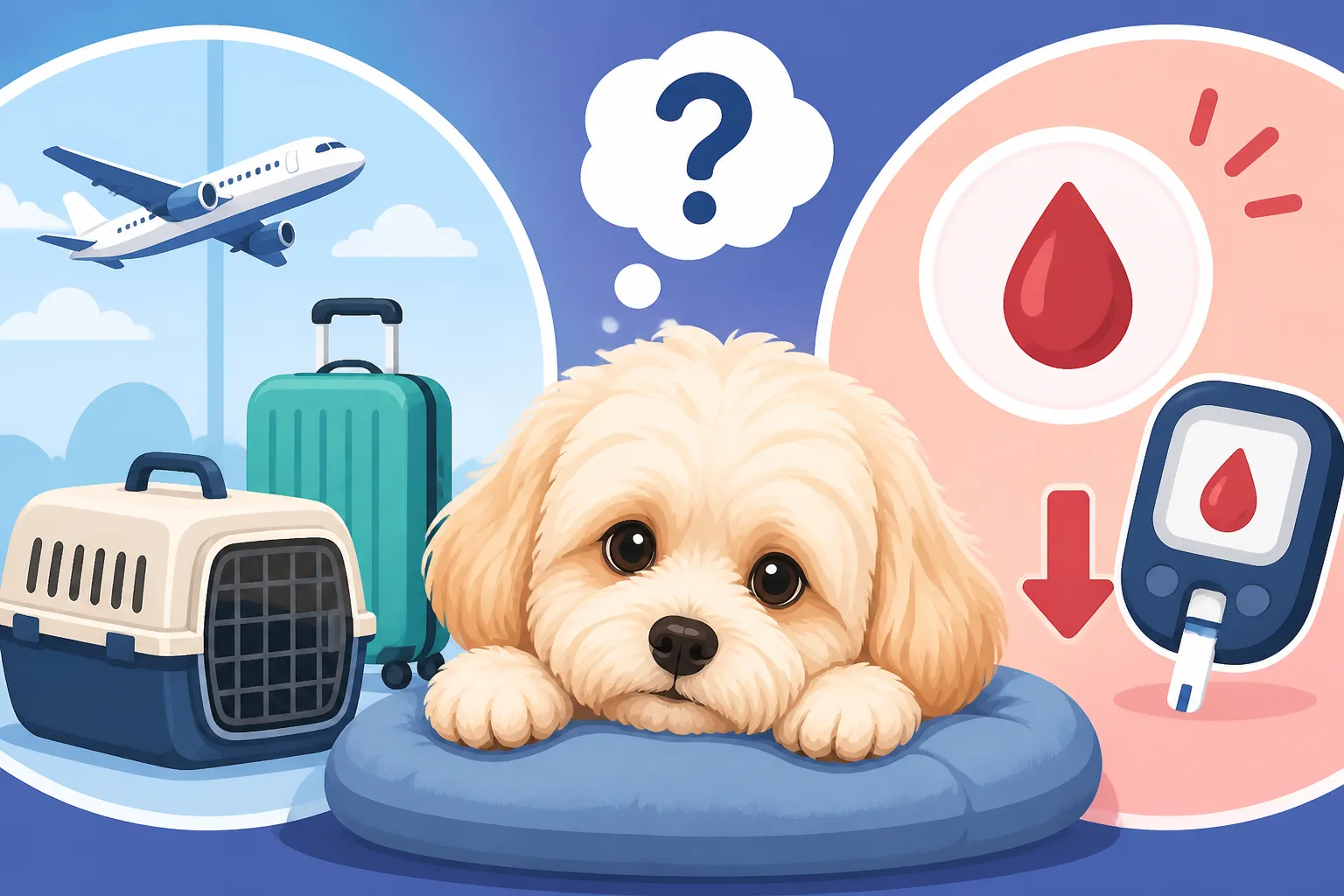
Traveling with a Maltipoo, especially a tiny one, can be a joyous experience, but it also brings a unique set of worries, especially when it comes to their delicate health. One of the biggest concerns for many Maltipoo parents is the risk of hypoglycemia, a sudden and dangerous drop in blood sugar. You're probably wondering if the stress and change of routine that comes with travel can actually trigger such an episode, and believe me, it's a completely valid fear. This guide will thoroughly explore how travel can impact your Maltipoo's blood sugar, what you can do to prevent issues, and how to respond if they occur.
The Real Link Between Stress, Travel, and Hypoglycemia
It’s not just a baseless worry; there's a very real connection between stress, significant changes in routine, and the onset of hypoglycemia in susceptible Maltipoos. These little dogs, particularly puppies and those on the smaller side, have tiny bodies with limited fat reserves and immature liver function, which makes them incredibly vulnerable to fluctuations in their blood glucose levels. When you introduce the added elements of travel, whether it's a short car ride to visit family or a longer journey, you're piling on several factors that can collectively push a Maltipoo into a hypoglycemic state.
Stress, no matter the source, triggers a release of hormones like cortisol and adrenaline. While these hormones are essential for the "fight or flight" response, prolonged or intense stress can deplete a dog's energy reserves more quickly. This rapid depletion, combined with potentially irregular feeding schedules, motion sickness, or simply the anxiety of an unfamiliar environment, creates a perfect storm for a blood sugar crash. Owners often find themselves agonizing over every whimper or tremble, wondering if it's just car sickness or something far more serious like The Signs a Maltipoo Puppy Is Crashing.
How Physical and Emotional Stressors Deplete Blood Sugar
When a Maltipoo experiences stress, their body goes into overdrive, metabolizing glucose at an accelerated rate to fuel the stress response. Think about how you feel when you're incredibly anxious – your heart races, your muscles tense up, and you might even feel a bit shaky. Your Maltipoo experiences similar physiological reactions, but on a much smaller and more fragile scale. For a breed already predisposed to blood sugar issues, this increased metabolic demand can quickly outstrip their limited glucose reserves.
Physical stressors during travel are obvious: changes in temperature, sustained vibrations from a car or plane, and lack of consistent rest. Even a seemingly minor inconvenience like being cooped up in a carrier for an extended period can be physically demanding. If your Maltipoo is prone to Whether a Maltipoo Gets Cold Easily, the effort to maintain body temperature in an unfamiliar climate-controlled environment can also burn through glucose. Emotional stressors are just as potent. The unfamiliar sights, sounds, and smells of a new place can be overwhelming. Being separated from their primary caregiver, even if they're just in a travel crate nearby, can induce separation anxiety. These psychological pressures lead to persistent worry and hyper-alertness, which consumes energy. If they’re not eating regularly, perhaps due to car sickness or anxiety, this quickly becomes a critical situation, especially for a tiny puppy where Why a Two Pound Maltipoo Cannot Skip a Meal is a stark reality.
The Role of Irregular Feeding Schedules During Travel
One of the most common, yet often overlooked, culprits in travel-induced hypoglycemia is the disruption of a Maltipoo's feeding routine. At home, you might have a perfectly dialed-in schedule where your Maltipoo, especially if they are a puppy or a particularly small adult, eats at precise intervals. For a little one, this might even involve How Often a Teacup Maltipoo Puppy Must Eat throughout the day, sometimes as frequently as every few hours, and even Whether a Maltipoo Puppy Should Be Fed Overnight. When you travel, this schedule often goes out the window. Long stretches between meals can be incredibly dangerous.
Consider a road trip: you might be rushing to get to your destination, stopping only for your own bathroom breaks or gas. You might forget to offer a meal or snack at the usual time because you’re focused on navigation or traffic. Or perhaps your Maltipoo is too stressed to eat when offered food. Whatever the reason, if a small Maltipoo goes too long without calories, their blood sugar can plummet. This is why strict adherence to their usual eating habits, or even increasing the frequency of smaller meals, becomes paramount when on the go. Even a brief delay can have significant consequences for a dog with an already fragile metabolism, underlining the constant vigilance required for a tiny companion where The Weight at Which a Maltipoo Puppy Is at Risk is so low.
Preparing Your Maltipoo for Travel to Minimize Risk
Proactive preparation is absolutely key to preventing hypoglycemia during travel. It's not just about packing their leash and toys; it's about systematically addressing every potential stressor and energy drain your Maltipoo might encounter. This means thinking through their physical comfort, their mental state, and their nutritional needs long before you ever leave the driveway. Many of these steps can be incorporated into their regular routine to make travel less of a shock.
One crucial aspect is conditioning. If your Maltipoo isn't used to their travel carrier or car rides, throwing them into a long journey will be inherently more stressful. Start slow, with short, positive experiences. Also, having all your emergency supplies readily available and knowing your plan for potential issues can significantly reduce your own stress, which in turn helps keep your Maltipoo calmer. Remember, they pick up on our anxieties, so a relaxed owner is often the first step to a relaxed pet.
Gradual Acclimation to Travel Environments
Don't just spring a long car ride or a carrier on your Maltipoo the day you leave. Gradual acclimation is vital. Start weeks or even months before your trip. Introduce their travel carrier in a positive way; make it a cozy den at home, complete with their favorite blanket and toys, and occasionally hide treats inside. This helps them associate the carrier with comfort and safety, not just confinement. Once they're comfortable with the carrier, introduce it to the car for very short, positive trips – perhaps just a drive around the block, followed by praise and a special treat.
Increase the duration of these short car rides gradually. Drive to a fun destination like a dog park or a friend's house so they associate car travel with positive outcomes. If flying, ensure the carrier meets airline specifications and practice having them inside it for increasing durations at home. This gradual exposure helps to normalize the experience, reducing anxiety and the associated metabolic demands that can lead to Hypoglycemia and the Teacup Maltipoo Puppy. The goal is to make the travel environment as familiar and stress-free as possible, minimizing the shock to their system.
Essential Supplies to Pack for a Hypoglycemic-Prone Maltipoo
Your travel bag for a Maltipoo with hypoglycemia risk isn't just about their regular food and water. It needs to be a mini emergency kit. Here’s a rundown of what you absolutely must have:
- Regular Food: Pack more than enough for the entire trip, plus a few extra meals in case of delays. Stick to their usual kibble to avoid digestive upset.
- High-Calorie Supplement: This is non-negotiable. Products like Nutri-Cal or a similar high-calorie paste are lifesavers. They provide a quick energy boost. Make sure to have a tube of Keeping Nutri-Cal on Hand for a Maltipoo Puppy at all times.
- Simple Sugars: Keep a small bottle of Karo syrup, honey, or even glucose gel specifically for dogs. These work faster than high-calorie paste in an emergency.
- Water and a Travel Bowl: Dehydration can complicate hypoglycemia. Offer fresh water frequently.
- Familiar Blanket/Toy: Something with their scent from home can provide comfort and reduce anxiety.
- Emergency Contact Info: Your vet's number, the number for an emergency vet clinic at your destination, and your pet insurance information (like with Healthy Paws) should be easily accessible.
- Medications: Any regular medications your Maltipoo takes.
- Harness and Leash: Essential for safety during stops. Avoid collars that put pressure on the trachea.
- Waste Bags: Always.
- Comfort Items: A cozy sweater or blanket, especially if your Maltipoo Whether a Small Maltipoo Regulates Its Temperature poorly.
A comprehensive list like this ensures you’re prepared for most scenarios, allowing you to focus on enjoying the journey rather than fretting about what you might have forgotten.
On-the-Go Management: Preventing a Sugar Crash
Even with the best preparation, travel days are inherently unpredictable. That’s why active, ongoing management of your Maltipoo's needs during the journey itself is critical. This means being hyper-vigilant about their behavior, maintaining their nutritional intake, and being ready to act at a moment's notice. It’s a constant dance of observation and intervention, especially for sensitive little ones who might hide their discomfort until it’s severe.
Think of yourself as their personal blood sugar monitor and nutritionist while traveling. Every hour of the journey demands your attention to their well-being. This might feel like a lot of work, but the alternative—a full-blown hypoglycemic crisis—is far more distressing and potentially life-threatening. The more diligently you manage their needs on the go, the smoother and safer your trip will be for your furry travel companion.
Maintaining Consistent Feeding and Hydration
The absolute cornerstone of preventing travel-induced hypoglycemia is maintaining a strict feeding schedule. Even if your Maltipoo seems a little off their food due to travel jitters, you need to encourage them to eat. Offer small, frequent meals – perhaps even more often than you would at home – to ensure a steady supply of glucose. For very small or nervous eaters, consider moistening their kibble or offering a small amount of wet food to make it more palatable. You might even need to hand-feed them if they're particularly stressed, which can sometimes help picky eaters as well.
Hydration is equally important. Dehydration can exacerbate the effects of stress and make a blood sugar drop more severe. Offer fresh water frequently, especially during stops. If your Maltipoo isn't drinking much, you can try adding a tiny bit of low-sodium chicken broth to their water to entice them. During longer journeys, don't just wait for stops; if safe to do so, briefly offer water within their carrier. For tiny puppies, remember that Hypoglycemia and the Teacup Maltipoo Puppy can strike swiftly, so consistency is key.
Here's a quick reference table for travel feeding adjustments:
| Maltipoo Size/Age | Home Feeding Frequency | Travel Feeding Frequency | Emergency Supplement |
|---|---|---|---|
| Puppy (under 4 lbs) | Every 3-4 hours | Every 2-3 hours | Nutri-Cal, Karo syrup |
| Adult (4-6 lbs) | 2-3 times/day | 3-4 times/day | Nutri-Cal, Karo syrup |
| Adult (6-10 lbs) | 2 times/day | 2-3 times/day | Nutri-Cal |
Minimizing Stress and Providing Comfort During the Journey
Beyond food and water, actively working to minimize your Maltipoo's stress levels is paramount. This goes back to making travel a positive experience. Ensure their carrier is well-ventilated and comfortable. Cover it with a light blanket if it helps them feel more secure and less exposed to overwhelming sights. Play calming music, or simply maintain a quiet, peaceful environment in the car. Talk to them in a soothing voice.
Take frequent breaks during long car trips to allow for potty breaks, a stretch of the legs, and a chance to offer water and a small snack. During these breaks, keep them on a leash or in a secure area, as a stressed or disoriented Maltipoo could easily bolt. Avoid crowded, noisy places for stops. If flying, ensure they have time to relieve themselves before boarding and provide a familiar scent in their carrier. A Thundershirt or calming pheromone spray might also offer some relief for particularly anxious travelers. Remember, Whether Stress Triggers a Maltipoo's Sugar Crash is a definite "yes," so every effort to reduce anxiety is a worthwhile investment in their health.
Recognizing and Responding to an Emergency
Despite your best efforts, a hypoglycemic episode can still occur. This is where your ability to quickly recognize the signs and respond effectively becomes critical. Knowing what to look for and having your emergency supplies at the ready can mean the difference between a scary moment and a life-threatening crisis. Don't panic, but don't delay – immediate action is vital.
It’s easy to dismiss early signs as general tiredness or travel sickness, especially when you’re preoccupied with the journey. However, for a Maltipoo, a slight tremor or a moment of disorientation can escalate rapidly. This is why vigilance is so important. Trust your gut; if something feels off, investigate. Having a plan and the right tools at your fingertips will empower you to handle the situation confidently and effectively.
Signs of Hypoglycemia to Watch For
Recognizing the early warning signs of a sugar crash is paramount. These can be subtle at first, and easily mistaken for general fatigue or car sickness, so you need to be extra observant. Keep a close eye on your Maltipoo's behavior. Early signs might include:
- Lethargy and Weakness: They might seem unusually tired, less responsive, or have trouble standing.
- Lack of Coordination: Stumbling, appearing "drunk," or having trouble walking in a straight line.
- Trembling or Shaking: This can range from mild tremors to noticeable shaking.
- Disorientation: Staring blankly, confusion, or not responding to their name.
- Decreased Appetite: Refusing food or treats when usually eager.
As hypoglycemia progresses, the signs become more severe:
- Muscle Twitching or Spasms: More intense, uncontrolled movements.
- Seizures: This is a critical stage and requires immediate intervention.
- Coma: Unresponsiveness and loss of consciousness.
- Loss of Bladder/Bowel Control: In severe cases, they may lose control of bodily functions.
If you see any of these signs, especially the more severe ones, it’s time to act quickly. Knowing What a Hypoglycemic Episode Looks Like in a Maltipoo will help you differentiate it from simple motion sickness.
Immediate Steps to Take During a Sugar Crash
If you suspect your Maltipoo is experiencing a hypoglycemic episode, especially if they are showing the more severe signs, immediate intervention is necessary.
- Stay Calm: Panicking won't help your Maltipoo. Take a deep breath and focus on the steps.
- Administer Sugar: If your Maltipoo is still conscious and able to swallow, offer a small amount of honey, Karo syrup, or glucose gel. You can rub it directly onto their gums. Don't try to force them to eat solid food if they're disoriented, as they could choke. For a small puppy, just a tiny dab can make a huge difference. What to Do When a Maltipoo Goes Limp is often the most terrifying scenario, and at that point, rubbing sugar on their gums is your best immediate action.
- Offer Food: Once they show signs of improvement and are more alert, offer a small, highly palatable meal. This helps to stabilize their blood sugar for a longer period.
- Keep Warm: A hypoglycemic dog can get cold quickly. Wrap them in a warm blanket.
- Seek Veterinary Care: Even if your Maltipoo seems to recover, it's always best to contact a veterinarian immediately. There might be an underlying issue that needs addressing, or they might need further medical support. Use your pet insurance provider, like Healthy Paws, to quickly access covered emergency care without worrying about the immediate financial burden. They can guide you on finding the nearest emergency vet, which is particularly helpful when you're in an unfamiliar location.
Remember that while home remedies can provide immediate relief, they are not a substitute for professional veterinary care. Hypoglycemia can be complex, and a vet can perform necessary diagnostics and provide intravenous glucose if needed. Be prepared for the possibility that What an Emergency Sugar Crash Costs a Maltipoo Owner could be significant if professional care is required, making pet insurance an invaluable resource.
Navigating the Aftermath and Future Travel
Once your Maltipoo has recovered from a hypoglycemic scare, either with your quick intervention or veterinary assistance, it’s natural to feel shaken. However, this is also a crucial time to reflect and plan for future travel. Learning from the experience, identifying what might have contributed to the episode, and adjusting your routines accordingly will make you a more confident and prepared Maltipoo parent.
The goal isn’t to stop traveling altogether, but to ensure that every future adventure is safer and less stressful for your precious companion. This involves ongoing vigilance, a deep understanding of your Maltipoo’s specific sensitivities, and possibly a conversation with your vet about long-term management strategies.
Debriefing and Learning from the Experience
After any travel incident, especially a health scare, it's important to take a moment to review what happened. Were there specific triggers? Did you deviate from their feeding schedule? Was there an unusual amount of stress? Did you have all your emergency supplies easily accessible? Sometimes, hindsight offers valuable lessons that can prevent future occurrences.
Talk to your veterinarian about the episode. They might have insights or suggestions for specific dietary adjustments or preventative measures that could be unique to your Maltipoo. Perhaps a specific type of high-calorie food would be better for them, or they might recommend a particular supplement. This is also a good opportunity to discuss Whether a Teacup Maltipoo Ever Stops Being at Risk as they age, as some dogs do outgrow the most severe susceptibility. Your vet can provide guidance tailored to your dog's individual health profile, helping you refine your travel protocols.
Long-Term Strategies for Traveling with a Maltipoo
Going forward, consider implementing a few long-term strategies to make travel safer:
- Pre-Travel Vet Check-ups: Always schedule a vet visit before extended travel, especially if your Maltipoo has a history of hypoglycemia. Your vet can give them a clean bill of health and offer specific advice.
- Travel-Proofing Your Routine: Practice your travel routine regularly, even when not going anywhere, to keep your Maltipoo accustomed to carriers, car rides, and varied feeding locations.
- Invest in Pet Insurance: If you haven't already, strongly consider pet insurance from a reputable provider like Healthy Paws. Medical emergencies, especially when traveling, can be incredibly expensive. Having a policy in place provides peace of mind and ensures you can always make the best health decisions for your Maltipoo without financial strain. It can cover emergency vet visits, diagnostics, and treatments related to conditions like hypoglycemia, significantly easing the burden of What an Emergency Sugar Crash Costs a Maltipoo Owner.
- Calming Aids: Discuss with your vet if calming aids, either natural supplements or prescription medications, might be appropriate for a particularly anxious traveler.
- Identify Triggers: Pay close attention to what specific situations or environments trigger stress or anxiety in your Maltipoo, and try to avoid or mitigate those during future travels. For some, it might be loud noises; for others, unfamiliar people.
- Always Be Prepared: Make sure your emergency kit is always stocked, even for short trips to the park. Hypoglycemia doesn't just happen on long journeys.
By combining careful preparation, diligent on-the-go management, and a robust emergency plan, you can confidently travel with your Maltipoo, creating wonderful memories together while keeping their delicate health a top priority.
Disclaimer
This article is intended for informational purposes only and does not constitute professional veterinary advice. Always consult with a qualified veterinarian for any health concerns or before making any decisions about your Maltipoo's care, especially regarding medical conditions like hypoglycemia.