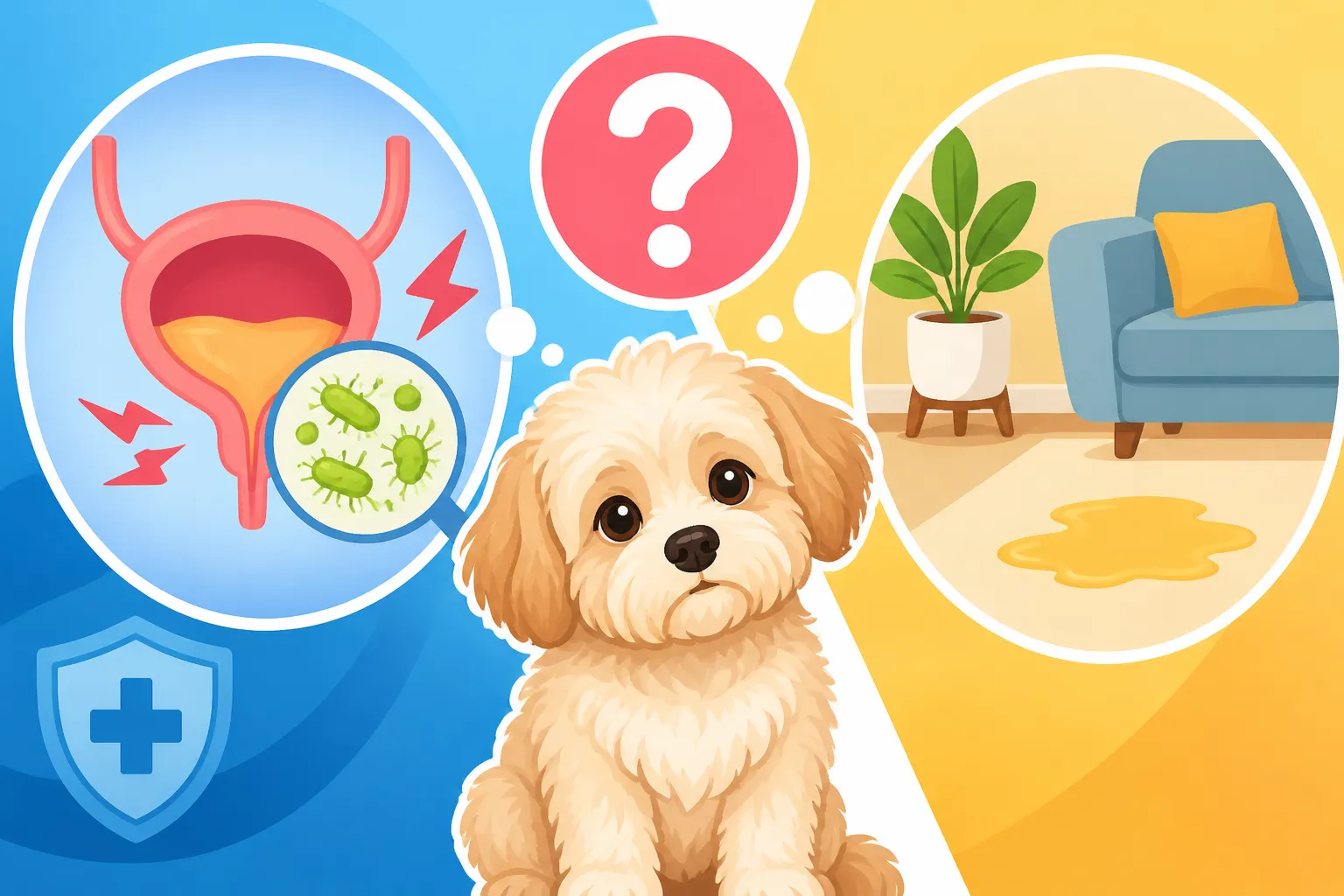
Whether a Urinary Infection Explains a Maltipoo’s Accidents
It’s incredibly frustrating and, let’s be honest, a little disheartening when your sweet Maltipoo, who you thought was fully housetrained, suddenly starts having accidents in the house. You might feel a mix of annoyance, confusion, and worry, wondering if you did something wrong or if your furry friend is just being stubborn. But before you jump to conclusions about training setbacks, it’s crucial to consider a medical explanation, like a urinary tract infection (UTI), which can absolutely manifest as sudden, baffling indoor accidents in your beloved companion. This guide will walk you through how to recognize if a UTI might be the culprit behind your Maltipoo's unexpected potty woes and what steps you need to take.
Understanding Your Maltipoo's Housetraining Challenges
Maltipoos are bright little dogs, eager to please, and generally quite trainable. However, they do come with their own unique set of considerations when it comes to mastering housetraining. It's easy to get frustrated when accidents happen, but understanding the potential reasons can help you rule out simple behavioral issues before diving into medical concerns.
The Usual Suspects: Why Accidents Happen (besides UTIs)
Before we jump to medical issues, let's acknowledge that housetraining isn't always a straight line, especially with smaller breeds. Many Maltipoo owners find themselves asking Why Housetraining a Maltipoo Takes Longer Than You Expect, and it's a valid question. Their tiny bladders mean they simply can't hold it as long as a larger dog. A young Maltipoo puppy might need to go out every couple of hours, and even adult dogs might struggle if their schedule isn't consistent.
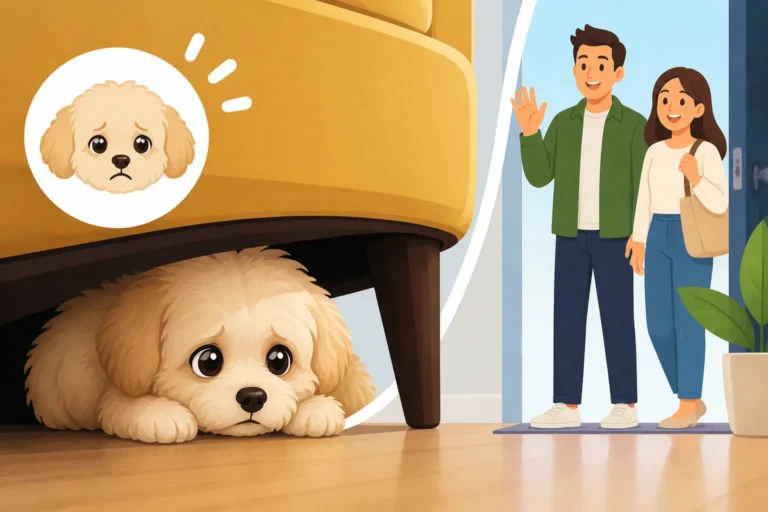
Inconsistent routines are a huge factor. If you’re not taking your Maltipoo out at predictable intervals – first thing in the morning, after meals, after naps, before bed – then accidents are almost inevitable. Sometimes, it’s also about the weather; many Maltipoos absolutely refuse to go outside in the rain or cold, leading them to relieve themselves indoors rather than face the elements. Marking behavior, especially in unneutered males, can also seem like an "accident" when it's actually a territorial display. And let’s not forget excitement urination, particularly common in young, exuberant Maltipoos who just can't contain themselves when greeting someone they love. All of these can look like a regression in housetraining, but they're typically behavioral and can be addressed with consistent training and management.
When Accidents Become a Red Flag: Recognizing a Shift
Now, if your Maltipoo was once reliably housetrained, going weeks or months without a single accident, and then suddenly starts having frequent mishaps, that's when your alarm bells should start ringing. This isn't just a puppy still learning or an adult dog testing boundaries. This is a significant shift in behavior that warrants a closer look.
You might notice your Maltipoo suddenly peeing indoors even after they've just been outside, or they might try to go out more frequently, perhaps even waking you up in the middle of the night, which is uncommon for a well-trained adult. Another red flag is when they squat to urinate but only produce a tiny amount, or nothing at all, despite their obvious urgency. This indicates discomfort or an inability to properly empty their bladder. If you see them squatting, walking a few steps, and squatting again, that's a classic sign of urgency and discomfort, not just a casual accident. These are the moments when a medical cause, such as a urinary tract infection, needs to be at the top of your list of concerns.
The Telltale Signs of a Urinary Tract Infection in a Maltipoo
A urinary tract infection, or UTI, is an inflammation, usually caused by bacteria, in any part of your dog's urinary system, most commonly the bladder. Because Maltipoos are small and their systems are delicate, recognizing the signs can be crucial for their comfort and long-term health.
Beyond Just "Peeing Inside": Specific Symptoms to Watch For
It's easy to dismiss a few accidents as behavioral, but if you observe any of these symptoms in conjunction with indoor peeing, it's time to call your vet:
- Increased Frequency and Urgency: This is often the first and most obvious sign. Your Maltipoo might ask to go out much more often than usual, or they might try to pee in several spots during one outdoor trip. Indoors, they might have accidents that are small, frequent puddles rather than one large one. This is because the infection irritates the bladder, making them feel like they always need to go, even if there's little urine there.
- Straining or Difficulty Urinating: You might see your Maltipoo squat for a long time, strain, or seem uncomfortable while trying to pee. They might even whimper or cry out. This is a clear sign of pain and obstruction, which a UTI can cause.
- Dribbling or Incontinence: Instead of full urination, they might dribble urine as they walk or sleep. This can be particularly noticeable if you find small wet spots on their bed or where they've been resting.
- Cloudy, Bloody, or Foul-Smelling Urine: While not always visible without a urine sample, if you can catch a sample, look for these changes. Blood might appear as a pinkish tint, and cloudy urine indicates a concentration of white blood cells fighting the infection. A strong, unusual odor can also be a sign.
- Excessive Licking of the Genital Area: If your Maltipoo is constantly licking their vulva or penis, it's often a sign of irritation or discomfort in that region.
- Changes in Behavior: Some dogs might become lethargic, lose their appetite, or seem generally unwell. Others might just be more irritable due to discomfort.
Given the Maltipoo's petite size, these symptoms might be subtle. A small puddle might seem insignificant, but for a tiny dog, it could be their entire bladder contents. Always pay attention to any deviation from their normal potty habits.
Why Maltipoos Might Be Prone to UTIs
While any dog can get a UTI, certain factors might make Maltipoos slightly more susceptible:
- Small Stature and Proximity to the Ground: Being so close to the ground means their genital area is more exposed to bacteria, dirt, and debris during outdoor excursions. This increases the chance of bacteria migrating into the urethra.
- Long, Flowing Coats: The Maltipoo’s beautiful coat, if not meticulously maintained, can trap urine and fecal matter around the perineal area, creating a breeding ground for bacteria. Regular grooming, especially a sanitary trim, is vital to keep this area clean and dry. The Two Week Face Trim a Maltipoo Needs also applies to sanitary trims; keeping them neat can prevent accumulation of debris.
- Female Anatomy: Female dogs are inherently more prone to UTIs than males due to their shorter, wider urethra, which provides an easier pathway for bacteria to travel up to the bladder.
- Underlying Health Issues: Sometimes, a UTI isn't just a standalone infection but a symptom of a deeper problem. For instance, dogs with Whether a Maltipoo Gets Bladder Stones are much more likely to develop recurrent UTIs, as the stones themselves can irritate the bladder and create niches for bacteria to thrive. Similarly, other conditions like diabetes, kidney disease, or even hormonal imbalances can weaken the immune system or alter urine composition, making UTIs more common.
What to Do When You Suspect a UTI
If you've noticed any of the red flags or specific symptoms mentioned above, it's critical to take action quickly. Don't wait to see if it "gets better on its own."
The Importance of a Prompt Vet Visit
A urinary tract infection is painful and uncomfortable for your Maltipoo. Beyond the immediate discomfort, untreated UTIs can lead to more serious health problems, including kidney infections, which are much harder to treat and can cause permanent damage.
Making an appointment with your veterinarian as soon as you suspect a UTI is paramount. During the call, describe your Maltipoo's symptoms in detail. They might advise you on how to collect a urine sample at home or ask you to bring your dog in immediately for a sample collection there. Do not attempt to self-diagnose or treat with home remedies, as this can delay proper care and potentially worsen the condition.
What to Expect at the Vet
When you arrive at the vet's office, they will perform a thorough physical examination. The most crucial part of diagnosing a UTI is obtaining a sterile urine sample for analysis. There are a few ways this can happen:
- Cystocentesis: This is considered the "gold standard" for collecting a sterile urine sample. The vet uses a small needle to extract urine directly from the bladder through the abdominal wall. It sounds scary, but it's a quick procedure that is generally well-tolerated by most dogs and minimizes contamination.
- Catheterization: A thin tube (catheter) is inserted into the urethra and guided into the bladder. This is also a sterile method, though sometimes less preferred for females due to anatomical challenges.
- Free Catch: You might be asked to try and catch your Maltipoo’s urine in a sterile container as they pee naturally. While less ideal for a truly sterile sample (as it can pick up bacteria from the skin and hair), it can sometimes provide enough information for an initial screening. Your vet might even have special tools from brands available on Amazon designed to help catch samples from small dogs.
Once the sample is collected, it will undergo a urinalysis. This test checks for things like blood, protein, glucose, pH levels, and the presence of white blood cells, red blood cells, and bacteria. If bacteria are found, the vet will likely recommend a urine culture and sensitivity test. This involves growing the bacteria from the sample to identify the specific type and then testing which antibiotics are most effective against it. This ensures your Maltipoo receives the right medication. Sometimes, bloodwork might be done to check for underlying conditions, and in recurrent cases, imaging like an ultrasound might be used to look for bladder stones or other structural abnormalities.
Treatment and Recovery: Antibiotics and Supportive Care
The primary treatment for a bacterial UTI is a course of antibiotics. It’s absolutely vital that you administer the full course of antibiotics exactly as prescribed by your vet, even if your Maltipoo's symptoms improve rapidly. Stopping early can lead to a recurrence of the infection and can contribute to antibiotic resistance, making future infections harder to treat.
Your vet might also prescribe pain relief medication to alleviate discomfort during the initial stages of treatment. Encouraging your Maltipoo to drink plenty of water can help flush bacteria from their system, so make sure they always have access to fresh, clean water. Some vets might suggest probiotics to help maintain healthy gut flora, especially during antibiotic use.
A follow-up urinalysis is often recommended a week or two after the antibiotic course is finished to ensure the infection has completely cleared. This step is extremely important, even if your Maltipoo seems fully recovered, as silent infections can linger and lead to future problems. Regular grooming, especially keeping the sanitary area trimmed, can also go a long way in preventing future UTIs.
Distinguishing a UTI From Behavioral Issues
It’s easy to confuse the two, especially when you’re already stressed about accidents. But knowing the key differences can help you respond appropriately and avoid unnecessary vet visits for behavioral issues, or, more importantly, avoid missing a crucial medical problem.
Behavioral Accidents vs. Medical Urgency: How to Tell the Difference
The primary differentiator often comes down to context and consistency.
Behavioral Accidents:
- Context-driven: Often linked to specific situations, like excitement (as discussed in Whether Excitement Wetting Passes in a Maltipoo), fear, submissive urination (e.g., Whether a Maltipoo Submissively Urinates), or marking territory.
- Inconsistent pattern: Might happen sporadically, rather than with increased frequency or urgency.
- Full bladder release: The dog typically empties its bladder completely, often in inappropriate places.
- No other symptoms: The Maltipoo acts otherwise healthy and comfortable.
- Training-related: Can often be improved with consistent housetraining, positive reinforcement, and addressing underlying anxieties. For example, using a structured online training program like BAXTER & Bella can help reinforce good potty habits and build confidence, which can indirectly reduce anxiety-related accidents.
Medical Urgency (UTI or similar):
- Sudden onset: A dramatic change from previously good housetraining.
- Increased frequency and urgency: The dog seems to have to go right now, often with little warning. They might try to hold it but simply cannot.
- Small, frequent voids: Often only passes small amounts of urine, or strains to pass nothing at all.
- Associated symptoms: Licking genitals, straining, painful urination, cloudy/bloody urine, lethargy.
- Not resolved by training: No amount of training will fix a medical issue.
If you observe your Maltipoo going to the door, whining, or pacing with visible urgency, only to have an accident if not let out immediately, that's leaning heavily towards a medical issue rather than simple misbehavior.
When It's Not a UTI: Other Medical Considerations
While UTIs are common, other medical conditions can present with similar symptoms, highlighting the need for a vet's diagnosis:
- Bladder Stones: As mentioned earlier, stones can irritate the bladder, cause straining, and block urine flow. They often lead to recurrent UTIs.
- Kidney Disease: Conditions affecting the kidneys can lead to increased thirst and urination, and sometimes accidents. Whether a Maltipoo's Kidneys Fail With Age is a concern for older dogs and can manifest with increased urination.
- Diabetes: Diabetic dogs often drink and urinate excessively.
- Cushing's Disease: An endocrine disorder that can cause increased thirst, urination, and a thinning coat.
- Cognitive Dysfunction (Dementia) in Older Dogs: An older Maltipoo might simply forget their housetraining or where they are, leading to accidents.
- Spinal Issues or Arthritis: Pain or difficulty getting into position to urinate, or getting outside quickly enough, can lead to accidents.
A thorough veterinary examination is the only way to pinpoint the exact cause of your Maltipoo's accidents. It's an investment in their health and your peace of mind.
| Symptom / Sign | Possible UTI | Possible Behavioral Issue |
|---|---|---|
| Onset of Accidents | Sudden, uncharacteristic change in housetraining | Gradual, consistent pattern (e.g., puppy learning) |
| Frequency of Urination | Much more frequent, small amounts, constant urge | Normal frequency for age/size, but in wrong spot |
| Straining to Urinate | Yes, visible effort, discomfort, painful cries | No straining, normal posture for urination |
| Urine Appearance | Cloudy, bloody, strong foul odor, small dribbles | Normal appearance, usually larger puddles |
| Licking Genitals | Excessive, indicative of irritation | Not usually excessive unless related to hygiene |
| Overall Demeanor | May be lethargic, irritable, uncomfortable | Generally active and happy, no discomfort evident |
| Response to Going Outside | Urgency, squats immediately, may try to go multiple times | May wander, get distracted, eventually urinates |
| Accident Location | Anywhere, without regard to typical potty spots | Often specific "forbidden" spots (rugs, furniture) |
| Triggers | Internal discomfort/infection | Excitement, fear, inconsistent schedule, marking |
If your Maltipoo starts having accidents, especially if it's out of character, it's always best to consult your veterinarian first. Rule out a medical issue before assuming it's a training problem. Once a UTI or other medical condition is excluded, then you can focus on refining your housetraining strategies with confidence, perhaps looking into specialized potty training aids on Amazon or revisiting foundational training with resources like BAXTER & Bella. Your Maltipoo depends on you to be their advocate, and catching a UTI early is a true act of love.
Disclaimer
This article is for general informational purposes only and does not constitute professional advice. Laws, prices and regulations vary by location and change over time. Consult a qualified professional for guidance on your specific situation.