Getting a Maltipoo Used to Clippers Near Its Eyes
It's a familiar scenario for many Maltipoo parents: you just want to keep their adorable face neat and trim, but the moment those clippers come out and get anywhere near their eyes, your sweet companion transforms into a wriggling, snapping bundle of nerves. This isn't just a minor inconvenience; it's a genuine safety concern that can make basic grooming feel like an impossible task. This guide will walk you through gentle, effective strategies to help your Maltipoo not just tolerate, but truly accept, having clippers used safely around their delicate eye area.
Understanding Why This Is So Tricky for Maltipoos
Let's be honest, grooming around a dog's eyes with a buzzing, vibrating tool is unsettling for any dog, but it seems to hit a particular nerve with our beloved Maltipoos. Their unique blend of Maltese sensitivity and Poodle intelligence can make them particularly challenging, especially if they've had a less-than-positive experience early on.
The Maltipoo's Sensitive Nature and Instincts
Maltipoos, being smaller dogs, often carry an inherent sensitivity that larger breeds might not. Think about it from their perspective: they are small, vulnerable creatures, and anything approaching their face, especially a foreign, buzzing object, can feel incredibly threatening. This isn't stubbornness; it's often a deep-seated instinct to protect themselves. Their small size means they are often picked up, handled, and manipulated more than a larger dog, and this constant interaction, while loving, can sometimes contribute to a general unease around handling if not done consistently and positively.
The Maltese side of your Maltipoo brings a level of delicacy and sometimes a touch of dramatic flair. They are known for being pampered and can be quite vocal about their discomfort. The Poodle side, while intelligent and eager to please, also brings a keen awareness and can pick up on your anxiety very quickly. If you're nervous about nicking them, they'll sense it, and that fear can become their own. This combination means that what might be a minor annoyance for another dog can be a deeply distressing experience for a Maltipoo. We've talked before about Whether a Maltipoo Is Too Soft for Correction, and this delicate balance certainly applies when working around such a sensitive area.
The Importance of the Eye Area for Vision and Protection
Our Maltipoos rely on their eyes for everything, just like we do. The area around their eyes is incredibly delicate – thin skin, fine hair, and of course, the eye itself. For a dog, having something move quickly or vibrate near their eyes is a primal threat to their vision, which is crucial for their survival, even as a beloved house pet. They can't rationalize that the clippers are there to help them; all they perceive is a potential danger to one of their most vital senses.
Furthermore, any accidental bump or pull of the hair can cause discomfort or even injury, making them even more apprehensive for future grooming sessions. This is why it's so critical to approach this task with immense care and patience. A single negative incident, like catching a hair or startling them, can create a lasting aversion that takes significant effort to undo.
Early Experiences and Negative Associations
Just like humans, dogs learn from their experiences. If your Maltipoo's first few encounters with clippers near their eyes were stressful, painful, or simply frightening, they've likely formed a strong negative association. This could stem from an impatient groomer, an owner who rushed the process, or even just a noisy set of clippers. It's not uncommon for puppies, especially, to have these early experiences shape their future behavior.
Think about a puppy's first trip to the groomer. It's a whirlwind of new sights, sounds, and sensations. If a groomer, perhaps overwhelmed by a busy day, rushed through the face trim, your Maltipoo puppy might have developed an immediate distrust of clippers around their face. Sometimes, even well-meaning owners inadvertently contribute by holding their pup too tightly or getting visibly anxious, transferring that stress to the dog. These early memories are powerful and can make subsequent attempts much harder. This is why How Early a Maltipoo Should Meet a Groomer is so important, to ensure positive first impressions.
Step-by-Step Desensitization and Counter-Conditioning Techniques
The key to success here is not force, but patience, consistency, and positive reinforcement. We want to change your Maltipoo's emotional response from fear to indifference, or even better, to anticipation of a treat! This process is called desensitization and counter-conditioning.
Starting with Touch and Positive Association
Before you even think about clippers, your Maltipoo needs to be completely comfortable with you touching their face and around their eyes. This is the absolute foundation.
- Gentle Touch, High-Value Treats: Start by simply touching their forehead, then gently working your fingers around their eyebrows, cheeks, and under their eyes. The instant your fingers touch the area, give them a tiny, super-high-value treat (think cooked chicken, cheese, or peanut butter on a spoon). Keep these sessions incredibly short – literally just a few seconds at first. The goal is for them to associate your touch in that area with something wonderful.
- Increase Duration Gradually: As they become more comfortable, slowly increase the duration of your touch. Instead of one second, try two, then three, always pairing it with treats. If they pull away or show any signs of discomfort, go back to shorter durations. The moment they are relaxed, the treats flow.
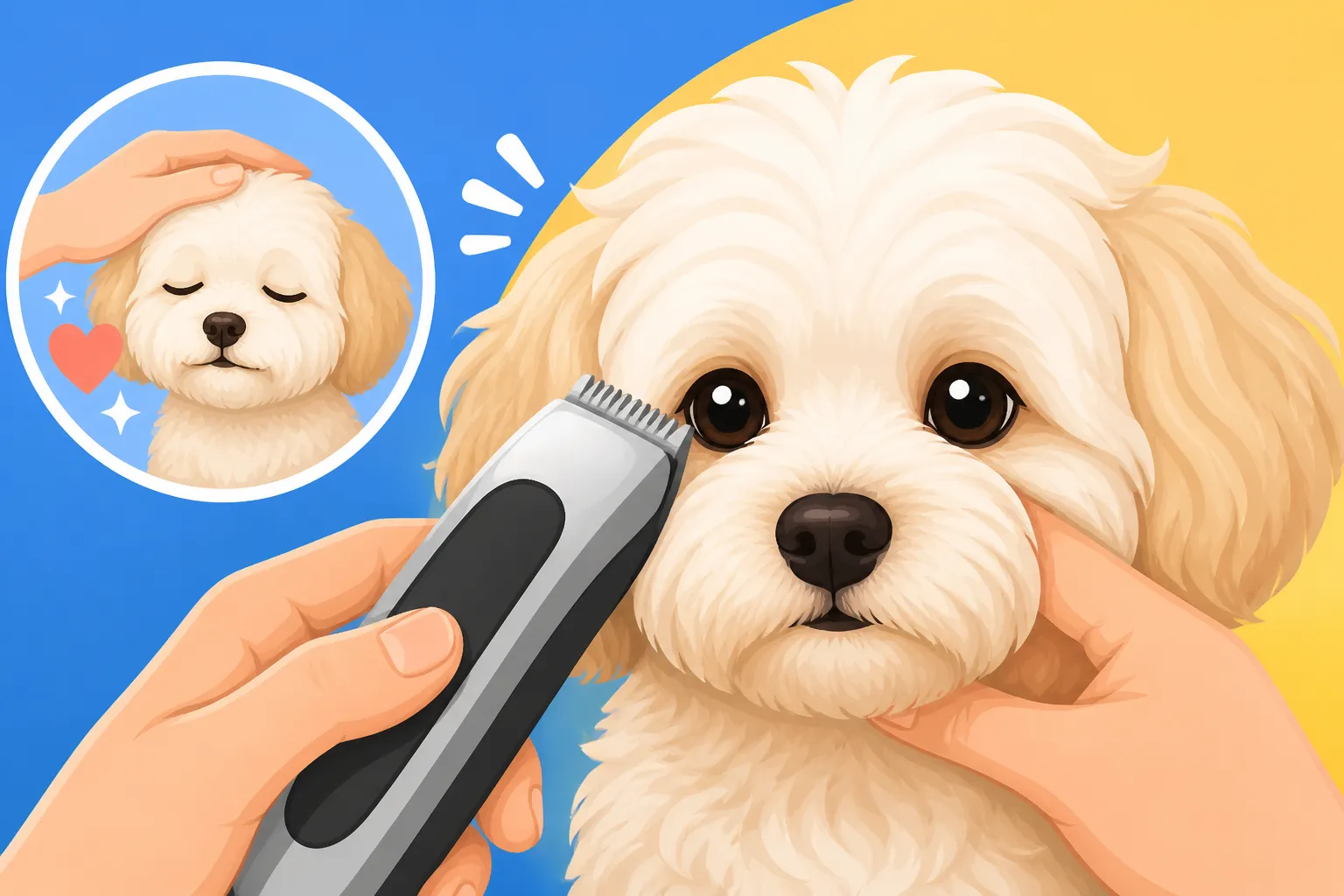
- Mimic Grooming Actions: Once they're okay with your bare hands, start simulating the feel of grooming. Gently hold their chin to stabilize their head, just like a groomer would. Use your thumb and forefinger to gently hold the hair around their eye, separating it slightly. Again, treats, treats, treats! This helps them get used to the subtle restraint and specific positioning that will be needed later. Teaching a Maltipoo to Be Handled Every Two Weeks outlines the broader context of getting your dog comfortable with touch, which is crucial here.
Introducing the Clippers
Now that your Maltipoo is a pro at face touches, it’s time to bring in the actual tool, but very, very slowly.
- Silent Introduction: First, just let them see the clippers. Place them on the floor a few feet away. When your Maltipoo looks at them calmly (or even better, ignores them), reward them. Do this several times over a few days, gradually moving the clippers closer. Let them sniff the clippers if they choose, but don't force interaction.
- Vibration, No Sound: Many clippers have a distinct buzzing feel even when not on. Hold the clippers (turned off) in your hand and let them feel the weight and shape. Gently touch the back of the clippers to their shoulder or back, always followed by a treat. The goal is to get them used to the physical presence and potential vibration without the noise.
- Sound from a Distance: Turn the clippers on, but far away from your Maltipoo – perhaps in another room. The moment the sound starts, immediately give them treats. Turn the clippers off, stop the treats. Repeat this several times. The goal is to create the association: clippers buzzing = yummy treats. Gradually, over days or even weeks, move the clippers closer, always turning them on for a brief moment, treating, and turning them off.
- Simulated Grooming with Vibration (Off): With the clippers still off, but vibrating, gently touch them to various parts of their body away from the face first. Start with their back, then shoulder, then neck. Each touch is brief and paired with a treat. Once they are comfortable with this, you can very gently touch the back of the clippers to their cheek, then near their eye area, still off, but vibrating. Only touch the hair, never the skin directly near the eye at this stage.
Gradual Proximity and Short Sessions
This is where you combine all the previous steps, bringing the working clippers closer to the target area.
- Clippers On, Far Away from Face: With the clippers on and buzzing, hold them far from your Maltipoo's face, say, at their shoulder. Reward them for being calm. Slowly, over many sessions, move the clippers a little closer – to their neck, then just beneath their chin, then to their cheek. The key is small, incremental steps. If your dog shows any signs of stress (lip licking, yawning, turning head away, trying to move), you've gone too fast. Go back a step.
- Brief Touches to Hair: Once they are tolerating the buzzing clippers being held near their cheek, try making a very brief contact with the hair below their eye, or on their temple – areas that are less sensitive than directly at the tear duct. Use the tip of the clippers or a small grooming attachment. Just a touch, then remove, then treat. Build up the duration of contact.
- Focus on the Bridge of the Nose: Often, the hair on the bridge of the nose or between the eyes is less sensitive than directly over the eyelids. Start here, making small, quick passes with the clippers, always followed by lavish praise and treats. Work your way up to the inner corners of the eyes, moving hair out of the way with your free hand. Remember, this is a slow dance, not a race. Teaching a Maltipoo to Lie Still for a Face Trim further emphasizes the need for patience and positive reinforcement.
Essential Tools and Best Practices for Success
Having the right equipment and a well-thought-out approach can make a world of difference in this delicate process.
Choosing the Right Clippers and Grooming Aids
The tools you use are absolutely paramount, especially when working around sensitive areas like the eyes.
- Quiet, Cordless Clippers: This is non-negotiable for anxious Maltipoos. Loud, vibrating clippers are terrifying. Look for small, quiet, cordless grooming trimmers specifically designed for face and paw work. Brands like Wahl, Andis, or even some smaller, specialized pet grooming brands offer models that are significantly quieter. You can find a wide variety of these quiet clippers on platforms like Amazon, often with customer reviews highlighting their low noise levels.
- Blunt-Nosed Scissors: For the areas directly around the eye, many groomers and owners prefer blunt-nosed grooming scissors. These reduce the risk of accidental pokes or cuts. They are excellent for trimming stray hairs that might irritate the eye or for maintenance between clipper sessions.
- Grooming Table with Arm/Loop: A stable surface and a gentle grooming loop can help keep your Maltipoo still and secure, freeing up your hands. Make sure the loop is snug but comfortable around their neck (just behind the ears) and never leaves them unattended. For comprehensive home grooming, considering The Kit Needed to Groom a Maltipoo at Home will be beneficial.
- High-Value Treats: As mentioned, these are your best friend. Small, soft, easy-to-swallow treats work best so you can deliver them quickly and frequently.
Creating a Calm and Safe Environment
The setting of your grooming session profoundly impacts your Maltipoo's willingness to cooperate.
- Minimize Distractions: Choose a quiet room where there won't be sudden noises, other pets, or children interrupting. A bathroom counter or a dedicated grooming table in a peaceful corner works well.
- Good Lighting: You need to see clearly what you're doing to prevent accidents. Ensure the area is well-lit, but avoid harsh, direct lights that might shine directly into your Maltipoo's eyes.
- Non-Slip Surface: Whether it's a bath mat on a counter or a non-slip grooming mat on a table, prevent slipping. A confident footing helps your Maltipoo feel more secure.
- Pre-Grooming Play/Walk: A slightly tired dog is a calmer dog. Take your Maltipoo for a short walk or engage in a brief play session before grooming. This can help burn off excess energy and reduce anxiety.
Consistency, Patience, and Professional Help
This isn't a one-and-done fix; it's an ongoing process that requires dedication.
- Short, Frequent Sessions: It's much better to do three 5-minute sessions a week than one rushed 30-minute session. Short, positive interactions build trust and muscle memory.
- End on a Positive Note: Always try to end the session before your Maltipoo gets truly stressed, and always with a treat and praise. Even if you only managed one small snip or touch near the eye, celebrate that success.
- Know When to Call a Pro: Sometimes, despite your best efforts, a Maltipoo simply won't tolerate clippers near their eyes from you. A professional groomer has specialized tools, techniques, and experience. They might also have a different energy that your dog responds to better. They can often do what seems impossible to us. Don't feel like a failure if you need to rely on their expertise. Some online training platforms, like BAXTER & Bella, offer virtual consultations or structured courses that can guide you through these specific grooming challenges with expert advice. Sometimes, Whether a Maltipoo Behaves Better for a Stranger is indeed the case.
Common Pitfalls and Troubleshooting Tips
Even with the best intentions, you might hit some roadblocks. Understanding common mistakes and how to recover is crucial.
What Not to Do: Force, Punishment, and Rushing
These are the absolute no-gos in grooming, especially with a sensitive Maltipoo around their eyes.
- Never Use Force: Pinning your Maltipoo down or physically overpowering them will only escalate their fear and create a stronger negative association. They won't learn to tolerate it; they'll learn to dread it and resist even more vehemently next time. This can also lead to accidental injuries as a struggling dog is much harder to work on safely.
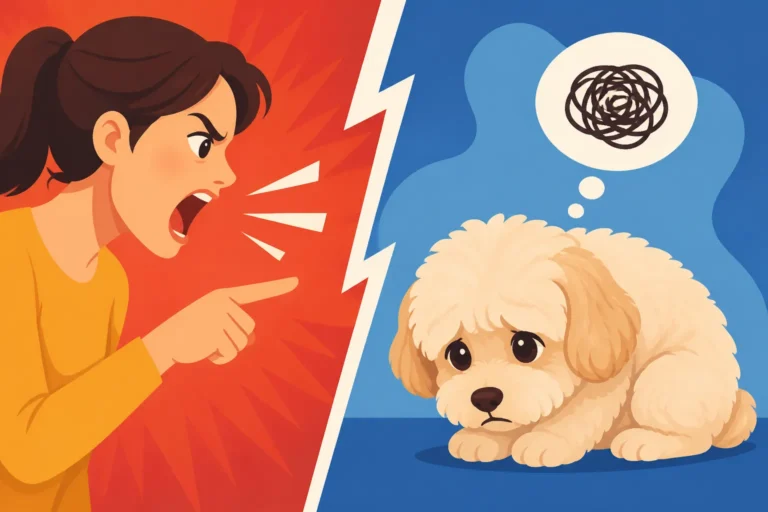
- Avoid Punishment: Yelling, scolding, or any form of punishment when your Maltipoo reacts negatively (growling, snapping, trying to escape) is counterproductive. Their reaction is fear-based, not defiance. Punishment will only teach them to hide their fear signals, making them more unpredictable and potentially leading to sudden bites without warning. Remember, Whether a Maltipoo Is Too Soft for Correction is important to consider; a gentle hand is always best.
- Don't Rush the Process: Desensitization takes time, sometimes weeks or even months. If you try to jump ahead too quickly, you risk undoing all your hard work. Always observe your Maltipoo's body language. If they're stiff, panting, yawning excessively, or trying to move away, slow down.
Handling Setbacks and Regressions
It’s normal for progress not to be linear. You might have a great session, then a bad one.
- Identify the Trigger: What happened before the setback? Did you try a new tool? Was there a loud noise? Were you stressed? Understanding the trigger can help you avoid it next time.
- Go Back a Step (or Two): Don't be afraid to revert to an earlier stage where your Maltipoo was comfortable. If buzzing clippers near their face became too much, go back to just touching their face with your hands and rewarding. Rebuild confidence slowly.
- More Treats, More Praise: When facing a setback, double down on the positive reinforcement. Make the treats even higher value, and the praise even more enthusiastic. The goal is to flood the experience with so much positivity that the negative memory starts to fade.
- Consult Training Resources: Online programs, like those offered by BAXTER & Bella, can provide step-by-step guidance and support from certified trainers if you're feeling stuck or unsure how to proceed after a regression.
When to Seek Professional Grooming or Training
There are times when it's simply safer and more effective to call in the experts.
- Aggression or Biting: If your Maltipoo is exhibiting growling, snapping, or attempts to bite, do not try to handle this yourself. It's a serious safety concern for both of you. A professional groomer or a certified positive reinforcement dog trainer specializing in fear-based behaviors can help.
- Extreme Fear/Panic: If your Maltipoo becomes utterly rigid, shakes uncontrollably, or tries to bolt and injure themselves, they are in a state of panic. Continuing to push them will only traumatize them further.
- Repeated Failures: If you've been diligently working on desensitization for a significant period and making no progress, or even regressing consistently, it's time for professional intervention. They may have different techniques or a calming presence that your dog responds to. In some extreme cases, a vet might even suggest light sedation for grooming, but this is usually a last resort after all behavioral approaches have been exhausted. This is a conversation you can have with your vet, exploring options like Whether Sedation Is Ever Right for Grooming a Maltipoo.
Remember, your Maltipoo's comfort and safety are paramount. It's far better to have a safely groomed dog, even if it requires professional help, than an injured or traumatized one.
Here's a simple schedule you can adapt for desensitization:
| Week | Step Focus | Activity | Treats/Reinforcement | Goal |
|---|---|---|---|---|
| 1 | Touch Association (Hands) | Gentle touches around face/eyes. Short (5-10 sec) sessions, 2-3x daily. | High-value, frequent | Maltipoo calm with hands near face. |
| 2 | Silent Clipper Introduction | Clippers visible, then closer. Touch off clippers to body/face. | High-value, frequent | Maltipoo calm with presence of clippers. |
| 3 | Sound Desensitization | Clippers on (far away), then gradually closer. | High-value, frequent | Maltipoo calm with sound of clippers. |
| 4 | Vibrating (Off) to Hair Contact | Clippers off, but vibrating, touch back to body, then face hair. | High-value, frequent | Maltipoo tolerates vibrating clippers on hair. |
| 5+ | Buzzing (On) Near Face / Short Trims | Clippers on, held near face. Brief, superficial trims on less sensitive areas (bridge of nose, cheek). | High-value, frequent | Maltipoo calm for short, safe trims around eyes. |
Disclaimer
This article is for general informational purposes only and does not constitute professional advice. Laws, prices and regulations vary by location and change over time. Consult a qualified professional for guidance on your specific situation.