Whether Sedation Is Ever Right for Grooming a Maltipoo
The moment your beloved Maltipoo needs a professional groom can quickly turn from a routine chore into a genuine source of anxiety, not just for your furry friend, but for you too. Many owners grapple with dogs who become incredibly stressed, fearful, or even aggressive on the grooming table, making the experience traumatic for everyone involved. This comprehensive guide will explore whether sedation is a viable and responsible option for grooming a Maltipoo, delving into the considerations, alternatives, and how to make the best decision for your unique companion.
Understanding Your Maltipoo's Grooming Anxiety
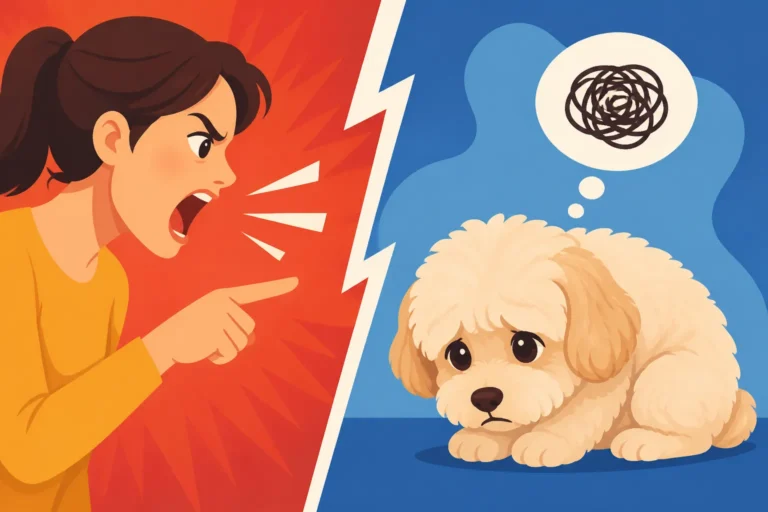
It's heartbreaking to see your usually happy-go-lucky Maltipoo tremble, growl, or even snap when the clippers come out or the bath begins. This isn't just "being difficult"; it's a genuine expression of fear or discomfort, and it's something many small dog owners face. Understanding why your Maltipoo might be so anxious is the first step toward finding a solution.
The Roots of Fear on the Grooming Table
Think about it from your Maltipoo's perspective. They are often hoisted onto a high, slippery table, surrounded by strange smells and loud noises from clippers, dryers, and vacuums. A stranger, no matter how kind, is touching them in sensitive areas, pulling on their fur, and handling their paws. For a dog that might not have been properly socialized to grooming from a young age, this can be utterly terrifying. Some Maltipoos, particularly those who came from less-than-ideal beginnings like puppy mills, might have a history of rough handling or neglect that makes them deeply distrustful of human touch. This fear isn't something they can simply "get over"; it's a primal instinct to protect themselves from a perceived threat.
Furthermore, their small size can contribute to their anxiety. A tiny Maltipoo, weighing just a few pounds, can feel incredibly vulnerable when being held firmly or having their ears cleaned. They don't have the size advantage to feel secure, and every movement or sound might feel amplified. Owners often report their Maltipoos exhibiting extreme fear during nail trims or when the groomer tries to get near their face for a trim. For more insights on this, consider reading Teaching a Maltipoo to Be Handled Every Two Weeks to build a better foundation for touch.
Recognizing Signs of Extreme Stress
It's crucial to differentiate between mild discomfort and extreme stress or fear-aggression. A mildly uncomfortable Maltipoo might squirm a bit, try to lick the groomer's hand, or glance nervously around. However, a highly stressed Maltipoo will exhibit much more pronounced signs. This could include heavy panting, yawning excessively, lip licking, tucked tail, flattened ears, trembling that isn't due to cold, frantic attempts to escape, growling, snapping, or even trying to bite. Some dogs will "freeze," becoming completely rigid and unresponsive, which can be just as indicative of profound fear.
When grooming reaches this level of distress, it's not only traumatic for your dog but also dangerous for the groomer, who could be injured. Continuing to force a fearful dog through a traumatic experience can actually worsen their anxiety over time, creating a negative association that becomes harder and harder to break. It can even lead to more serious behavioral issues outside of grooming contexts. If you've ever had a groomer call you in the middle of a session because they simply couldn't finish, you know this struggle all too well.
Exploring Sedation: When It's a Consideration for Grooming
When non-sedation methods have been thoroughly exhausted or deemed unsafe, you might find yourself wondering if sedation is the only humane option. It's a significant decision that should always involve your veterinarian.
What Sedation Means for Grooming
It’s important to clarify what "sedation" for grooming typically entails. We're generally not talking about full general anesthesia, which carries more significant risks and is usually reserved for surgical procedures. Instead, it often refers to mild to moderate sedation, administered either orally at home before the appointment or at the veterinary clinic by a licensed professional.
Oral sedatives, like trazodone or gabapentin, are medications prescribed by a vet that can help calm anxious dogs. They work by reducing anxiety and inducing a relaxed state, making the dog less reactive to triggers during grooming. The goal isn't for your Maltipoo to be "knocked out," but rather to be more relaxed and compliant, allowing the groomer to work efficiently and safely. This type of sedation is typically lighter, wearing off within a few hours. For dogs with extreme fear, a veterinarian might recommend stronger sedatives or even a light injectable sedation administered in a clinic setting, where monitoring equipment is readily available.
Weighing the Benefits and Risks
There are clear benefits to using sedation for grooming a highly anxious Maltipoo. The primary advantage is the reduction of stress for your dog. Instead of enduring a terrifying ordeal, they can have a much calmer experience. This can prevent negative associations from deepening and can allow for necessary grooming to be completed without injury to the dog or the groomer. It allows the groomer to safely perform tasks like nail trims, ear cleaning, and intricate face trims that might otherwise be impossible. Sometimes, it's the only way to ensure your Maltipoo's hygiene and comfort, especially if they have a long, prone-to-matting coat.
However, sedation is not without its risks, especially for a small breed like a Maltipoo. Even mild sedatives can have side effects, including lethargy, disorientation, changes in heart rate, or paradoxical reactions where the dog becomes more anxious or agitated. More potent sedatives or anesthesia carry risks such as respiratory depression, cardiovascular issues, or adverse drug reactions. Due to their small size, Maltipoos can be more sensitive to medications, and dosages must be very precise. Health conditions, such as heart murmurs, liver shunts, or collapsing trachea (a concern you can learn more about in Collapsing Trachea in a Maltipoo's Neck), can increase these risks. This is why a thorough veterinary examination and pre-sedation blood work are absolutely essential before any sedative is administered.
Non-Sedation Strategies: Building a Positive Grooming Experience
While sedation might seem like a quick fix, it's always best to explore and commit to non-sedation strategies first. These methods aim to build your Maltipoo's confidence and create positive associations with grooming, turning a feared activity into a tolerable, or even enjoyable, one.
Desensitization and Counter-Conditioning
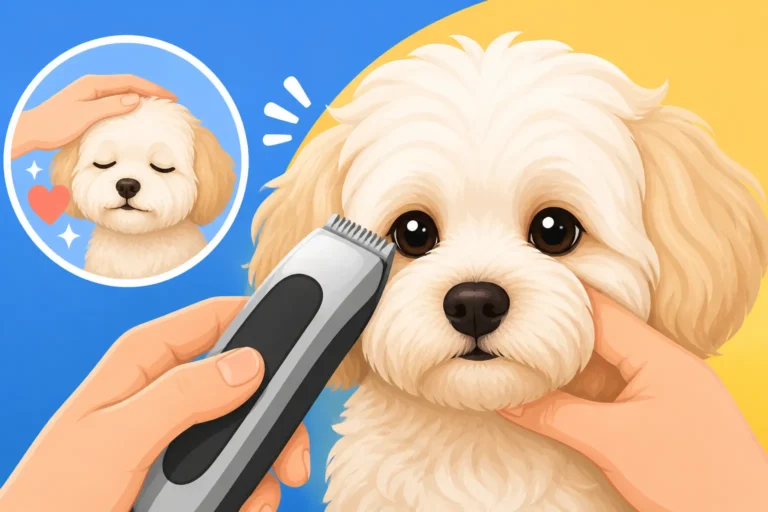
This is the gold standard for addressing grooming anxiety. Desensitization means gradually exposing your Maltipoo to grooming tools and procedures at a level they can tolerate, slowly increasing the intensity. Counter-conditioning involves pairing these exposures with highly positive rewards, like delicious treats or praise, to change their emotional response.
For example, start by just showing your Maltipoo the clippers, then offering a treat. Don't even turn them on. Once they're calm with that, turn the clippers on across the room, give a treat. Slowly move them closer, touch the back of the clippers to their body (not the blade), then turn them on near their fur for a second, then a treat. This process is painstakingly slow and requires immense patience, but it builds genuine comfort. Similarly, you can work on getting your Maltipoo used to having their feet touched, using a soft brush, or the sound of the hairdryer. Tools from reputable brands available on sites like Amazon, such as quiet clippers or pet-specific brushes, can make this process smoother.
A consistent, positive daily routine at home is key. Even if you don't plan to do full grooming yourself, regular brushing, touching paws, and examining ears can make professional grooms less daunting. Consider a structured online training program like BAXTER & Bella. They offer resources and step-by-step guides that can help you implement desensitization and counter-conditioning techniques effectively, building a stronger bond with your Maltipoo while tackling common behavioral challenges, including grooming. Remember, consistency is more important than speed. It might take weeks or months to see significant progress, but the investment is worth it for a calmer dog. For specific challenges, articles like A Maltipoo That Fights the Comb can offer more targeted advice.
Choosing the Right Groomer and Environment
The groomer you choose makes a huge difference. Look for a groomer who practices positive reinforcement and is experienced with anxious small dogs. Ask about their approach to fearful dogs – do they rush, or do they take breaks? Do they use gentle handling techniques? Some groomers specialize in low-stress grooming or offer "fear-free" services, which often involve quiet environments, calming pheromones, and a patient, gentle approach.
A quiet, private grooming space can be less overwhelming than a busy salon with many dogs. Some mobile groomers or in-home groomers can offer a more controlled and familiar environment. It's also important that your groomer is willing to communicate openly with you about your dog's behavior and progress. A good groomer understands that not every dog is going to love grooming, and they will work with you to find solutions. Remember, a Maltipoo's coat requires frequent attention; for instance, a face trim is needed every two weeks to keep hair out of their eyes, and a skilled groomer can make this less stressful. Learn more about their specific needs in The Two Week Face Trim a Maltipoo Needs.
Making an Informed Decision: Consulting Your Vet and Groomer
Deciding whether to sedate your Maltipoo for grooming is a serious choice that should be made in close consultation with professionals who know your dog.
The Essential Veterinary Consultation
Before even considering sedation, your Maltipoo needs a thorough health check-up with your veterinarian. This is non-negotiable. Your vet will assess your Maltipoo's overall health, looking for any underlying conditions that could make sedation risky. This includes checking their heart, lungs, and performing blood tests to ensure their liver and kidneys are functioning properly. A small Maltipoo, especially one under five pounds, has a very delicate system, and even routine procedures like anesthesia can be a concern, as discussed in Whether a Maltipoo Under Five Pounds Can Be Anesthetized. Your vet can discuss the different types of sedatives available, their potential side effects, and determine the safest dosage for your dog's specific weight and health profile.
They can also help you develop a comprehensive behavioral management plan that might combine medication with behavioral modification techniques. Sometimes, a short course of anxiety medication before the grooming appointment can make a world of difference without needing a heavier sedative at the groomer's. This consultation isn't just about getting a prescription; it's about forming a partnership with your vet to prioritize your Maltipoo's well-being.
Preparing for a Sedated Grooming Session
If you and your vet decide that sedation is the best course of action, careful preparation is crucial. You'll need to discuss the plan with your chosen groomer well in advance. Make sure they are comfortable grooming a sedated dog and understand any specific instructions from your vet regarding the dog's state and handling.
Here's a breakdown of what that preparation might look like:
| Action Item | Details |
|---|---|
| Vet Check-up and Prescription | Schedule a full physical exam and any recommended blood work. Discuss sedative options, dosage, and administration schedule with your vet. Ensure you understand potential side effects and what to do if they occur. |
| Communicate with Groomer | Inform your groomer that your Maltipoo will be sedated and provide them with all necessary information from your vet. Confirm they are equipped and willing to handle a sedated dog, potentially requiring a quieter time slot or more flexible approach. If your Maltipoo tends to get matted quickly, a sedated groom might allow the groomer to work through tangles that would otherwise be impossible without causing pain. This can save you from a complete shave-down, which many owners try to avoid. |
| Administer Sedative (if oral) | Follow your vet's instructions precisely regarding when and how to give the medication. Often, this is a couple of hours before the appointment to allow the medication to take effect. Do not alter the dosage without vet approval. |
| Transportation and Arrival | Plan for safe and comfortable transportation. Your Maltipoo might be wobbly or disoriented, so a secure carrier is essential. Arrive calmly and try to keep the experience as low-stress as possible from the moment you leave your home. |
| Post-Grooming Care | Have a quiet, comfortable space ready for your Maltipoo to recover at home. They may be drowsy, uncoordinated, or need extra potty breaks. Offer water and a small meal if they are fully awake and alert enough to eat. Monitor them closely for any lingering side effects. |
The goal with a sedated grooming session is to provide a positive or at least neutral experience, so your Maltipoo doesn't associate grooming with terror. While it's not ideal for every session, it can be a lifesaver for dogs with extreme anxiety or specific health concerns that make regular grooming impossible. For example, an elderly Maltipoo with arthritis might benefit from sedation for a quicker, less painful groom, as chronic pain can make handling unbearable. This is an important consideration when thinking about Grooming an Arthritic Maltipoo in Short Sessions. Ultimately, the welfare of your Maltipoo is the priority.
Alternatives and Long-Term Solutions
Even when sedation is used, it should ideally be part of a broader strategy, not the only strategy. The aim is always to reduce the need for sedation over time, or at least to manage it more effectively.
The Power of Early Socialization and Consistent Training
One of the most effective long-term solutions is starting early and being consistent. Puppies who are introduced to grooming tools, sounds, and gentle handling from a very young age are far less likely to develop severe anxiety. Regular positive interactions, even if just a few minutes a day, can normalize the experience. This includes brushing, touching paws, looking in ears, and gently wiping around their eyes. Think of it as part of their regular training routine, just like teaching them to sit or stay. The BAXTER & Bella online puppy school offers comprehensive modules on handling and grooming desensitization that can be incredibly valuable for new puppy owners.
Even with an adult Maltipoo, you can make strides. Short, frequent sessions at home, paired with high-value rewards, can gradually shift their perspective. If your Maltipoo struggles with standing still, a non-slip mat on a sturdy, low table can help them feel more secure, building confidence as you work. This gradual exposure can help them tolerate, and perhaps even enjoy, parts of the grooming process. You can find many effective grooming tools and non-slip mats on platforms like Amazon.
When Professional Help Beyond Grooming is Needed
If your Maltipoo's fear is so profound that even gentle desensitization at home feels impossible, or if their aggression during grooming poses a real threat, you might need help from a veterinary behaviorist or a certified professional dog trainer specializing in fear and aggression. These experts can assess your dog's specific triggers and develop a tailored behavior modification plan. This might involve a combination of environmental management, specific training exercises, and potentially even behavioral medication prescribed by your vet to help reduce overall anxiety levels, making them more receptive to learning.
Remember, extreme fear can be a sign of deeper underlying anxiety issues that extend beyond just grooming. Addressing these root causes is vital for your Maltipoo's overall quality of life. Sometimes, what seems like a grooming problem is actually a broader anxiety challenge. Learning more about preventing issues can be found in resources like What an Untested Maltipoo Costs You at Two, which highlights the importance of a good start in life. The cost of regular grooming for a Maltipoo, which can range from The Fifty to Eighty Dollar Maltipoo Groom, makes it even more important to find a sustainable and less stressful solution.
Ultimately, the decision to use sedation for grooming your Maltipoo is a personal one, made with professional guidance. It's a tool that can be invaluable for ensuring their well-being and maintaining their health, especially when all other options have been exhausted. The goal is always to create the least stressful experience possible for your cherished companion.
Disclaimer
This article is for general informational purposes only and does not constitute professional advice. Laws, prices and regulations vary by location and change over time. Consult a qualified professional for guidance on your specific situation.