Whether a Maltipoo Can Learn an Indoor Toilet Only
Many Maltipoo owners find themselves torn between the ideal of outdoor potty training and the very real challenges that come with owning such a delicate, small companion. It's a common struggle to balance their comfort and safety with the desire for a well-trained pup. This guide aims to thoroughly explore whether an indoor-only toilet system is a viable, long-term solution for your Maltipoo, offering practical advice and realistic expectations to help you make the best decision for your unique family situation.
Why Indoor Potty Training Becomes a Consideration for Maltipoo Owners
Let's be honest, the thought of skipping the daily trips outside, especially when it's raining buckets or freezing cold, is appealing to many small dog owners. For Maltipoo families, this isn't just about convenience; it often stems from genuine concerns about their tiny companions. Their delicate nature means outdoor excursions aren't always straightforward.
The Vulnerabilities of Small Breeds Outdoors
A Maltipoo isn't built for harsh weather or robust environments. Their small size makes them particularly susceptible to the elements, making outdoor potty breaks a real source of anxiety for caring owners.
Imagine stepping outside on a blustery winter morning with your tiny Maltipoo. The cold concrete can feel like ice on their delicate paws, and their sparse coat offers little protection against a biting wind. For a dog that might weigh only a few pounds, sustained exposure to cold can quickly lead to shivering and even hypothermia, making the whole experience miserable and potentially dangerous. Conversely, scorching summer pavement can burn their paw pads in seconds, and even prolonged exposure to warm, humid air can lead to overheating. Their small bodies have a harder time regulating temperature, meaning a quick dash outside for a potty break can turn into a serious health concern in extreme weather. This isn't just an inconvenience; it's a medical reality that many owners grapple with daily.
Beyond the weather, the outdoor world can feel like a minefield for a tiny Maltipoo. Even in a fenced yard, there's always the concern of predatory birds, or mischievous larger animals that might wander in. Out on a walk, the sheer size difference between your Maltipoo and a boisterous Labrador can be terrifying. An excited greeting from a well-meaning but much larger dog could easily lead to accidental injury. Moreover, a tiny Maltipoo can easily get lost or overlooked, making busy parks or even neighborhood walks a source of constant vigilance for owners. It's not uncommon for owners to worry about their little one being stepped on or startled by unexpected noises or movements. This constant low-level stress often pushes owners to seek safer, more controlled indoor options for their beloved companions.
Apartment Living and Urban Challenges
Many Maltipoos thrive in apartment settings, but this lifestyle often brings its own set of potty training hurdles. The practicalities of urban living can make regular, timely outdoor breaks a real logistical nightmare.
Living in a high-rise apartment, for example, means every potty break requires an elevator ride, a walk through a lobby, and then navigating whatever challenges the street presents. This isn't a quick dash to the back door; it's a 15-minute ordeal that can be difficult to manage multiple times a day, especially for older owners or those with limited mobility. The sheer effort involved can inadvertently lead to fewer potty breaks, increasing the likelihood of accidents indoors. For a Maltipoo puppy that needs to go out every couple of hours, this can be an almost impossible schedule to maintain, leading to frustration for both pup and owner. It often feels like a constant race against time, with the elevator being the biggest obstacle.
In busy urban environments, finding a clean, safe, and accessible spot for your Maltipoo to do their business can be surprisingly hard. Public parks might be full of larger dogs, sidewalks can be dirty, and designated pet relief areas aren't always conveniently located. Furthermore, the constant noise and activity of city life—sirens, traffic, crowds—can be overwhelming and frightening for a sensitive Maltipoo, making them hesitant to relieve themselves. This stress can lead to them holding it in until they're back indoors, or simply getting distracted and forgetting to go at all, only to have an accident once they feel safe and relaxed at home. The very environment designed for human convenience often creates significant challenges for a small dog's natural needs. This is where an indoor setup can be a real game-changer, offering a consistent, low-stress environment.
Owner Mobility and Lifestyle Considerations
Sometimes, it's not just the dog's limitations or the living situation, but the owner's circumstances that make indoor potty training a practical and compassionate choice. Life happens, and our ability to take our dogs out can change.
For individuals who are older, have chronic health conditions, or are recovering from surgery, the physical demands of frequent outdoor potty breaks can be overwhelming. Simply getting dressed, putting on shoes, and navigating stairs or uneven pavement multiple times a day might be too painful or exhausting. In such cases, an indoor potty system provides independence and peace of mind, ensuring the Maltipoo can relieve itself when needed without placing undue strain on its owner. It allows them to maintain their cherished bond without compromising their own well-being. This consideration is a testament to the deep care owners have for their pets, seeking solutions that work for everyone in the household.
Even for active owners, there are times when an indoor option can be a lifesaver. What if you're home sick with the flu and can barely get out of bed? What if you travel frequently and need a reliable solution for pet sitters, or for hotel stays where outdoor access might be limited or difficult at odd hours? An indoor setup offers flexibility and consistency, ensuring your Maltipoo's routine isn't completely disrupted by unforeseen circumstances. It's also an excellent contingency plan for those emergency situations, like a sudden blizzard or a severe thunderstorm, when venturing outside simply isn't safe or feasible. Thinking ahead about these eventualities can save a lot of stress down the line, demonstrating that an indoor potty isn't just for daily use, but for peace of mind.
Choosing the Right Indoor Toilet System for Your Maltipoo
Once you've decided that an indoor potty might be the right path for you and your Maltipoo, the next step is navigating the myriad of options available. This choice isn't one-size-fits-all, and what works best for one Maltipoo might not be suitable for another.
Exploring Different Types of Indoor Potty Solutions
The market for indoor pet potties has expanded dramatically, offering solutions that cater to various preferences and needs. From simple pads to more elaborate systems, understanding your options is key.
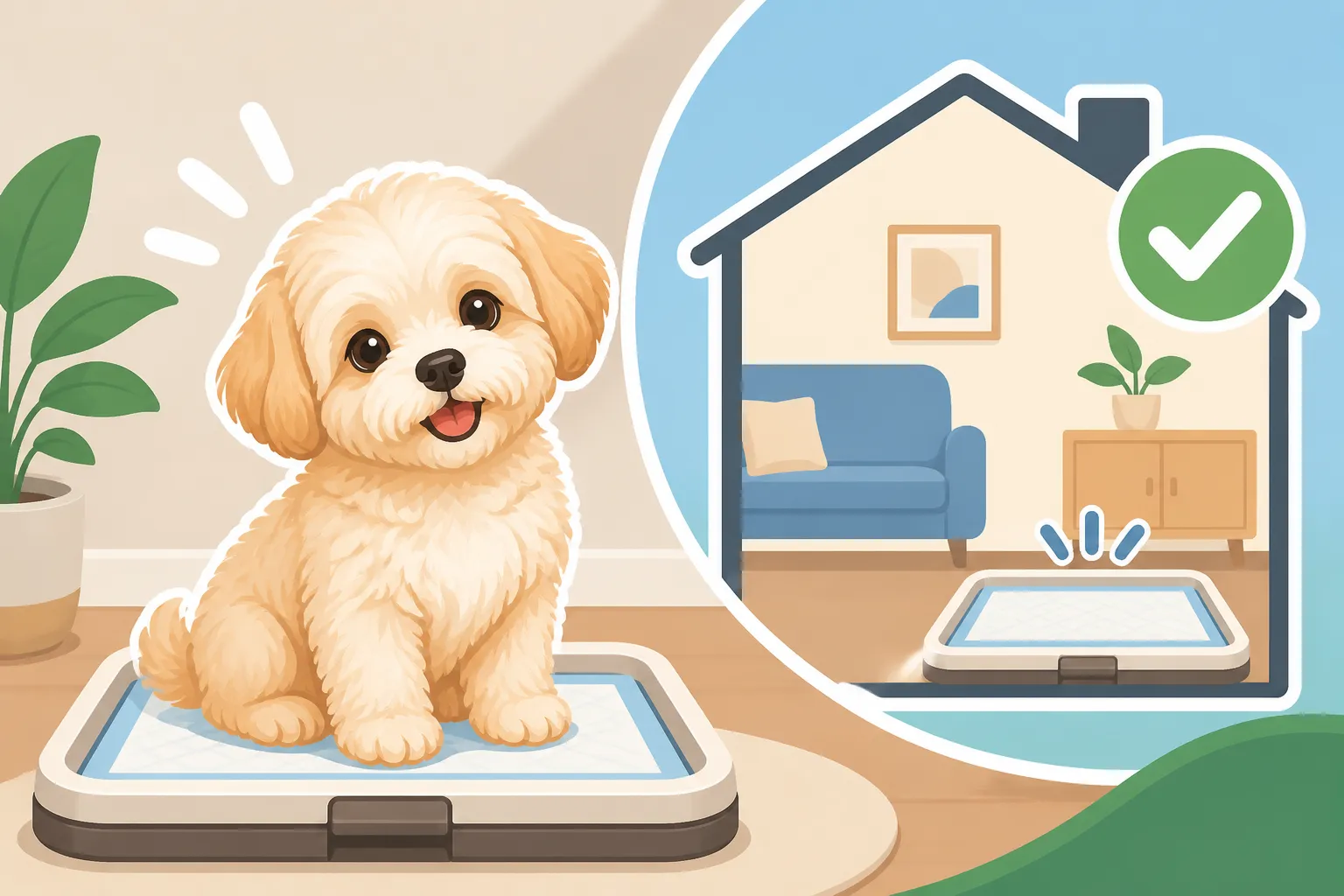
The most common and often first choice for many is the traditional potty pad, sometimes called a "wee-wee pad" or "training pad." These are absorbent, disposable sheets, usually with a waterproof backing, designed to soak up urine. They come in various sizes and absorbencies, and many have built-in attractants to encourage puppies to use them. They are incredibly convenient, easy to dispose of, and readily available at most pet stores and online retailers like Amazon. However, they can create a waste issue, and some dogs develop a habit of shredding them or missing the mark. While easy to introduce, they may not be the most aesthetically pleasing option for every home.
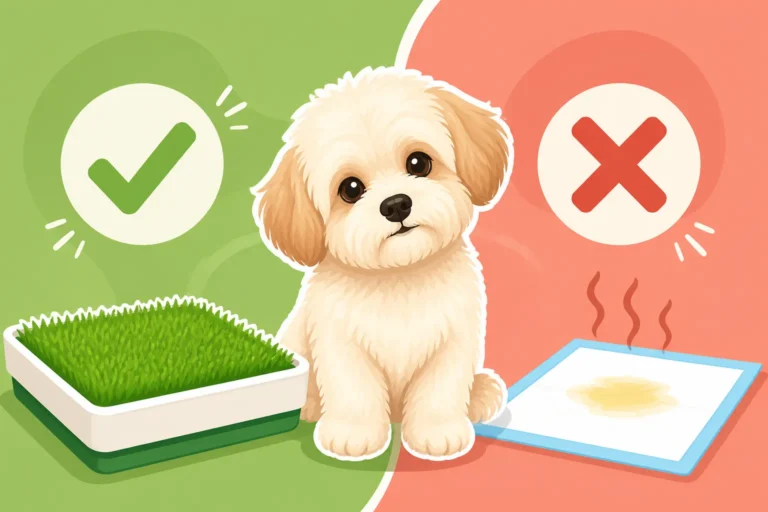
For a more natural feel, artificial grass patches have become very popular. These systems typically consist of a plastic tray with a layer of synthetic grass on top. Some have multiple layers to allow urine to drain into a collection tray below, making cleanup simpler. Brands like Fresh Patch (which uses real grass) and other artificial turf options aim to mimic an outdoor environment, which can be particularly helpful for dogs who are already used to grass. The real grass options require regular replacement, much like buying new sod, but offer a truly natural scent that can be very appealing to dogs. Artificial grass options need regular cleaning to prevent odors and bacterial buildup, but are reusable. These can be great for convincing a dog that an indoor spot is a "real" potty area.
Less common, but still an option, are litter box systems designed for dogs. These are usually larger than cat litter boxes and can be filled with specialized dog litter, pine pellets, or even newspaper shreds. They offer an alternative for dogs who might prefer digging or covering their waste, similar to a cat. While some Maltipoos adapt well to these, others might find the texture or enclosed nature unfamiliar. The key with any of these systems is consistency and making sure your Maltipoo is comfortable approaching and using it. Each has its own rhythm for maintenance, and it's essential to consider which one best fits your lifestyle and your dog's temperament.
Factors to Consider When Making Your Choice
Before you commit to a particular indoor potty system, take a moment to weigh several important factors. This isn't just about what looks good; it's about what will genuinely work for your household and your Maltipoo.
First and foremost, think about the size and mobility of your Maltipoo. A tiny puppy might do fine with a small pad, but as they grow, they'll need more space to circle and get comfortable. If your Maltipoo has any joint issues, like Slipping Kneecaps in a Maltipoo, a system that's easy to step onto and stable underfoot is crucial. You don't want them to feel unsteady or risk injury trying to use it. Consider also their coat type; a long-haired Maltipoo might get urine on their fur if the edges of the pad aren't high enough or if they squat too close to the edge. The system needs to be proportionate to your dog and accommodate their physical needs comfortably, ensuring they don't develop an aversion to the spot because it's awkward or messy.
Next, practicality for you is paramount. How easy is the system to clean? Are you comfortable with daily disposal of pads, or would you prefer a system that requires cleaning a tray every few days? Odor control is a huge factor, especially in an apartment. Some systems come with charcoal filters or highly absorbent materials to minimize smells. Think about where the potty will be placed and how that impacts accessibility for cleaning. If it's tucked away in a corner, is it still easy to reach and maintain? Also, consider the ongoing cost; disposable pads can add up over time, whereas a reusable grass patch has an initial investment but lower recurring costs (aside from cleaning supplies). It's a balance between upfront expense and long-term convenience.
Finally, consider your Maltipoo's personality and natural preferences. Some dogs gravitate towards soft surfaces, making pads a natural fit. Others might prefer the texture of grass under their paws, especially if they've had some outdoor experience. If your Maltipoo is a bit finicky or prone to anxiety, introduce the new system slowly and make it a positive experience. Observe how they react to different textures or locations. The goal is for them to want to use the potty, not to be forced or scared into it. You might even need to try a couple of different options before finding the perfect match that your Maltipoo enthusiastically accepts as "their spot."
Product Recommendations and Where to Find Them
With so many choices, it can be overwhelming to pick the right indoor potty solution. Let's look at some popular options and where you can typically find them.
For disposable pads, you'll find a wide variety on platforms like Amazon. Look for highly absorbent options with leak-proof backing, sometimes advertised as "extra thick" or with "five layers." Brands often incorporate a pleasant scent or an "attractant" to draw your Maltipoo to the pad, which can be incredibly helpful during initial training. It's often worth investing in slightly higher quality pads that hold more liquid and control odor better, as this can make a significant difference in your home's cleanliness and smell. Don't just grab the cheapest option; read reviews and look for features like quick-drying surfaces to prevent tracking. You can usually buy these in bulk, which is often more cost-effective in the long run.
If you're leaning towards a more natural feel, artificial grass training systems are a fantastic choice. Many popular brands offer multi-layered systems where liquid drains through the synthetic grass into a removable tray below. These trays are easy to empty and clean, and the grass can be rinsed periodically. You can find many highly-rated options on Amazon or at large pet supply stores. For those who want the ultimate natural experience, real grass delivery services like Fresh Patch offer subscriptions where fresh sod is delivered to your door. This provides an authentic outdoor scent that many dogs instinctively recognize, which can significantly shorten the training period for some Maltipoos. Just remember that real grass needs proper ventilation and can attract bugs if not maintained correctly.
Beyond the physical potty, consider investing in a good enzymatic cleaner for accidents that inevitably happen outside the designated spot. These cleaners break down urine at a molecular level, eliminating odors and preventing your Maltipoo from returning to the same "accident" spot. Brands like Rocco & Roxie or Nature's Miracle are popular and widely available on Amazon. For a structured training approach, online resources like BAXTER & Bella offer comprehensive puppy training programs that can complement your indoor potty training efforts, providing guidance on consistency, positive reinforcement, and troubleshooting common issues. Their methods often emphasize building a strong foundation, which is crucial for any training, whether indoor or outdoor.
| Potty System Type | Pros | Cons | Best For |
|---|---|---|---|
| Disposable Pads | Easy to use, wide availability, quick cleanup | Can be messy if torn, ongoing cost, environmental impact | Puppies, small spaces, busy owners |
| Artificial Grass | Reusable, natural look/feel, good drainage | Requires regular cleaning, initial investment, can hold odor if not cleaned well | Dogs preferring grass, apartment dwellers, longer-term use |
| Real Grass Patch | Natural scent attracts dogs, truly mimics outdoors | Requires regular replacement, higher cost, can attract bugs, needs ventilation | Dogs struggling with artificial grass, eco-conscious owners |
| Dog Litter Box | Some dogs prefer digging/covering, contained | Less common, requires special litter, may not appeal to all Maltipoos | Specific dog preferences, low-odor options |
The Step-by-Step Process for Indoor Potty Training Success
Training your Maltipoo to use an indoor potty isn't just about setting it up; it's a careful process of consistent cues, positive reinforcement, and patience. Just like learning any new skill, your Maltipoo will need clear guidance.
Setting Up Your Maltipoo's Indoor Potty Zone
Choosing the right location for your Maltipoo's indoor potty is critical, and consistency is paramount. This isn't just any spot; it needs to become their designated toilet area.
First, select a location that is easily accessible to your Maltipoo but away from their food, water, and sleeping areas. Dogs are naturally clean creatures and typically won't want to relieve themselves where they eat or sleep. A quiet corner in a bathroom, laundry room, or a less-trafficked area of the living room can work well. The spot should be consistent; once chosen, try not to move it. This helps your Maltipoo create a mental map and understand that this specific spot is where they go. Ensure it's in a place where you can easily supervise them initially, allowing you to catch them in the act and offer praise. Avoid high-traffic areas where they might feel exposed or nervous, as this could lead to reluctance to use the potty.
Once you've chosen the spot, prepare it. If using pads, place several layers initially to catch any misses. If using a grass patch, ensure it's stable and won't slide around when your Maltipoo steps on it. You might want to use a playpen or gates to create a small, contained "potty zone" for the initial training period. This helps limit their roaming and makes it easier to guide them to the correct spot. For very young puppies, consider an entire section of your home, like a kitchen or laundry room, where the floor is easy to clean, and the potty is readily available. The goal is to make it impossible for them to fail by giving them no other options within their confined space. As they learn, you can gradually expand their access to other parts of the house. Remember, for a tiny Maltipoo, the world can seem vast, so a clear, consistent zone reduces confusion.
Establishing a Consistent Schedule and Routine
Consistency is the absolute backbone of successful potty training, especially with small breeds like Maltipoos. Their tiny bladders mean frequent trips are non-negotiable, and a predictable routine will set them up for success.
Start by creating a rigid schedule for potty breaks. Maltipoo puppies, especially, need to go out very frequently – every 1-2 hours while awake, immediately after waking up from naps, after eating or drinking, and certainly before bedtime. Even adult Maltipoos will benefit from a predictable routine. Carry your Maltipoo directly to their indoor potty spot, avoiding distractions. Use a consistent verbal cue like "go potty" or "potty time" as you place them on the pad or grass. The repetition of this cue associated with the act of relieving themselves will eventually create a strong connection, helping them understand what you expect. How Often a Maltipoo Puppy Needs Taking Out highlights just how often these tiny ones need to go.
Stay with your Maltipoo in the potty zone until they do their business. This might take a few minutes of quiet waiting. Avoid playing or distracting them during this time; the focus should be solely on the task at hand. The moment they start to squat or actually go, offer immediate, enthusiastic praise and a small, high-value treat. This positive reinforcement is crucial for solidifying the behavior. If they don't go within a few minutes, take them out of the potty zone for 10-15 minutes and try again. Don't scold them; simply try again soon. Over time, they will learn that going on the potty earns them rewards, making them eager to use it. Many online training programs, like those from BAXTER & Bella, stress the importance of these short, positive training sessions to build good habits quickly.
Positive Reinforcement and Handling Accidents
How you react to both successes and accidents profoundly impacts your Maltipoo's understanding and confidence during potty training. Positive reinforcement is always the most effective tool.
When your Maltipoo successfully uses their indoor potty, make it a huge celebration! Use an excited, happy voice, lavish them with praise, and immediately offer a delicious, tiny treat. The timing is critical – the reward needs to happen the second they finish, so they associate the positive outcome with the act of eliminating in the correct spot. This is where Whether a Maltipoo Works for Food or Praise becomes relevant; most Maltipoos respond incredibly well to both, especially when paired together. This consistent positive feedback will build their confidence and eagerness to repeat the desired behavior, turning potty time into a fun, rewarding experience rather than a chore. Remember, even a small success is a step in the right direction and deserves recognition.
Accidents are an inevitable part of potty training, and how you handle them is crucial. If you catch your Maltipoo in the act of having an accident outside the potty area, a quick, sharp "No!" or "Uh-oh!" is usually enough to interrupt them. Immediately pick them up (if they are a small puppy) and carry them to their designated potty spot to finish. If they do finish there, praise and reward them. However, if you find an accident after the fact, do not scold or punish your Maltipoo. They won't understand what they're being punished for, and it can create fear and anxiety, making them hide their accidents from you in the future. Instead, simply clean it up thoroughly using an enzymatic cleaner to eliminate the odor. This prevents them from being drawn back to the same spot by scent. Cleaning Up So a Maltipoo Does Not Return to the Spot provides excellent advice on this. The key is to be calm, clean, and focus on preventing future accidents through better supervision and more consistent potty breaks.
Common Challenges and How to Overcome Them
Even with the best intentions and consistent effort, indoor potty training can present its own unique set of hurdles. It's easy to get frustrated, but understanding these common challenges can help you navigate them with grace and patience.
Dealing with Confusion Between Indoor and Outdoor
One of the trickiest situations arises if your Maltipoo has been trained for both indoor and outdoor potty breaks, or if you're trying to transition them completely to indoors. They might get confused about where the "right" place is.
If your Maltipoo has previously been using the outdoors for their business, they've built a strong association with the sights, sounds, and smells of grass or concrete. Introducing an indoor option can be perplexing for them. One common issue is that they might relieve themselves quickly outside, then come inside and have a full accident because they weren't truly empty, or they simply prefer the outdoor "bathroom." To combat this, temporarily limit or even stop outdoor potty breaks entirely during the initial indoor training phase, if possible. This creates a clear distinction and forces them to learn the new indoor routine. If outdoor walks are necessary for exercise, make sure they do their business on the indoor potty before going outside, and avoid rewarding them for going outside during this transitional period.
Another form of confusion can arise if your Maltipoo is using the indoor potty some of the time, but still having accidents elsewhere. This often means the rules aren't clear enough. Review your schedule – are you taking them to the indoor potty often enough? Are you praising and rewarding every single time they go in the right spot? Sometimes, dogs need a stronger incentive. You might also need to revisit the setup of your indoor potty. Is it appealing to them? Does it smell clean (but not too clean, as some residual scent can help)? You could try placing a piece of soiled potty pad (just a small, clean-ish corner!) under the fresh pad or on the grass patch to provide an olfactory cue. Just like when you're trying to figure out Whether an F1 Maltipoo's Temperament Is Predictable, understanding your dog's individual learning style and preferences is key to breaking through confusion. Patience and consistency will eventually help them differentiate and solidify the indoor routine.
Addressing Scent Marking and House Soiling
Scent marking and general house soiling can be incredibly frustrating, particularly if your Maltipoo seems to be going in inappropriate spots even after training. This usually requires a multi-pronged approach.
Scent marking, especially by intact male Maltipoos, is a territorial behavior where they deposit small amounts of urine to claim an area. While neutering can sometimes reduce this, it doesn't always eliminate it, especially if the habit is already ingrained. If your Maltipoo is marking, it's crucial to thoroughly clean every marked spot with an enzymatic cleaner. Regular household cleaners might remove the visible stain but leave behind the scent that encourages repeat marking. Whether Neutering Stops a Maltipoo Marking delves into this issue further. Until the marking behavior is under control, consider using a belly band for male Maltipoos (a wrap that goes around their waist to catch urine) or doggy diapers for females when they are unsupervised in the house. This isn't a training solution, but a management tool to prevent further marking and reduce the opportunity for reinforcement.
Beyond marking, general house soiling often indicates a breakdown in the potty training routine or an underlying issue. Are you sure your Maltipoo is getting to the indoor potty frequently enough? Are they being supervised closely, especially after waking, eating, or playing? Any missed opportunities to take them to their spot, or any uncleaned accidents, can set back progress. It’s also wise to rule out medical causes for sudden house soiling, such as a urinary tract infection. A quick vet visit can help determine if there's a physiological reason for the change in behavior. Sometimes, anxiety or stress can also manifest as house soiling, so ensure your Maltipoo feels secure and calm in their environment. A holistic approach that addresses physical, behavioral, and environmental factors is most effective in resolving house soiling issues.
The Reluctance to Use the Indoor Area
Sometimes, despite all your efforts, your Maltipoo might simply be reluctant or even refuse to use the designated indoor potty spot. This can feel like a direct challenge, but it usually stems from a specific reason.
One common reason for reluctance is that the potty area itself isn't appealing or comfortable. Is the surface too rough, too slippery, or does it make a noise that spooks your Maltipoo? Is the area too small, making them feel cramped or unable to circle? Perhaps it's too close to a noisy appliance, or a drafty window. A Maltipoo can be quite sensitive, and small details can make a big difference. Try adjusting the setup: add a soft mat under the potty to reduce noise, ensure the area is well-lit and quiet, and make sure there's enough room for them to move comfortably. If using artificial grass, ensure it's clean and doesn't have an off-putting chemical smell. For real grass systems, ensure it's fresh and not overly damp or attracting bugs.
Another factor could be insufficient positive association. Is the reward for using the potty truly high-value for your Maltipoo? Are you praising immediately and enthusiastically? If they've had negative experiences (e.g., being scolded for an accident, even if accidentally linked to the potty area), they might be wary. Rebuild positive associations by playing nearby, giving treats near the potty without demanding they use it, and making the area a generally pleasant place to be. You could also try placing them on the potty briefly, giving a treat, and letting them off, without the expectation to "go" immediately, just to create a good feeling about the spot. If you're working with an organization like BAXTER & Bella, their trainers can provide specific strategies for overcoming reluctance, often by breaking down the behavior into smaller, more achievable steps and building confidence. Remember, a Maltipoo that's hesitant isn't being stubborn; they're signaling that something isn't quite right for them.
Maintaining an Indoor-Only Potty Routine for the Long Haul
Successfully training your Maltipoo for an indoor-only potty is a fantastic achievement, but maintaining that routine over their lifetime requires ongoing effort, attention to hygiene, and adaptability. This isn't a set-it-and-forget-it system.
Cleaning and Hygiene for a Healthy Indoor Environment
A clean indoor potty area is not only essential for preventing odors in your home but also for ensuring your Maltipoo's health and continued willingness to use the spot. Neglecting hygiene can quickly undo all your hard work.
Regular cleaning is non-negotiable. For disposable pads, this means changing them as soon as they are soiled, or at least once a day, even if they appear only lightly used. Lingering urine smell can deter your Maltipoo from using the spot, or worse, encourage them to find a "fresher" (and incorrect) spot elsewhere. For reusable systems like artificial grass patches, the collection tray should be emptied daily, and the grass itself needs to be rinsed thoroughly with water and a pet-safe disinfectant every few days. Allowing urine to sit and accumulate will lead to strong odors and bacterial growth, creating an unsanitary environment for your dog and an unpleasant one for your home. Remember that even the cleanest-looking surface can harbor bacteria if not properly maintained.
Beyond the potty system itself, routinely clean the surrounding area with an enzymatic cleaner. Urine splashes, paw tracks, or even tiny misses can leave behind odors that only a dog can detect, potentially causing them to continue soiling those areas. Ensure good ventilation in the room where the potty is located to help dissipate any lingering smells. Consider using an air purifier, especially in smaller apartments. Think of it as maintaining a miniature, designated bathroom for your Maltipoo. Just as you wouldn't want to use a dirty restroom, your Maltipoo won't want to use a dirty potty. A fresh, clean environment reinforces the positive behavior and keeps your home smelling pleasant. This daily diligence is part of The Daily Routine a Maltipoo Needs for a happy, healthy life.
Adapting the Routine as Your Maltipoo Ages or Changes
Life is full of changes, and your Maltipoo's indoor potty routine may need to evolve as they grow and age, or if their health status shifts. What works for a puppy might not work for a senior dog.
As your Maltipoo puppy matures into an adult, their bladder control will improve, and they may not need to go as frequently as How Often a Teacup Maltipoo Puppy Must Eat suggests for younger pups. However, don't just assume they need fewer breaks; observe their cues and gradually adjust the schedule. An adult Maltipoo might go down to 3-4 consistent indoor potty breaks a day, but this can vary. If you notice any accidents during this transition, it’s a sign you’ve reduced the frequency too quickly. Always err on the side of offering more frequent opportunities rather than too few, especially when adjusting. The goal is to match their physiological needs with the routine.
As your Maltipoo enters their senior years, their needs may change again. They might develop conditions like arthritis, making it harder to step up onto a raised potty system, or their bladder control might weaken, leading to more frequent urges. You might need to move the potty to an even more easily accessible location, like right next to their bed, or switch to a flatter, easier-to-access pad. Caring for a Maltipoo Past Ten often involves anticipating and adapting to these physical changes. If they develop health issues that increase urination, like diabetes or kidney problems, you'll need to increase the frequency of potty opportunities again. It's a continuous process of observation, empathy, and adjustment to ensure your cherished Maltipoo remains comfortable and accident-free throughout their life.
Ensuring Mental and Physical Stimulation
While an indoor potty takes care of a basic biological need, it doesn't replace the need for mental and physical activity. A bored or under-exercised Maltipoo can still have accidents or develop behavioral issues.
Even with an indoor potty, your Maltipoo still needs regular walks, playtime, and mental enrichment. Walks are not just for potty breaks; they provide crucial sensory stimulation, exposure to new sights and smells, and opportunities for socialisation. These are vital for a well-adjusted and happy dog. If walks are limited due to weather or mobility, compensate with indoor games, puzzle toys (which you can easily find on Amazon), and training sessions. Engaging their minds with new tricks or obedience exercises can be just as tiring and satisfying as a physical walk. Trick Training a Maltipoo With the Poodle Half can be a great way to provide mental stimulation.
A Maltipoo that isn't getting enough mental or physical exercise can become anxious, destructive, or even start having "accidents" out of boredom or stress. These aren't necessarily potty training failures but behavioral expressions of unmet needs. Ensure your Maltipoo has a variety of toys, engages in interactive play with you, and has dedicated time for structured activity every day. This holistic approach ensures that their indoor potty routine is just one piece of a larger picture of well-being. A happy, stimulated Maltipoo is less likely to have behavioral issues, including those related to potty training, making your shared life much more harmonious.
Disclaimer
This article is for general informational purposes only and does not constitute professional advice. Laws, prices and regulations vary by location and change over time. Consult a qualified professional for guidance on your specific situation.