Whether Everyone in the House Should Feed a Maltipoo
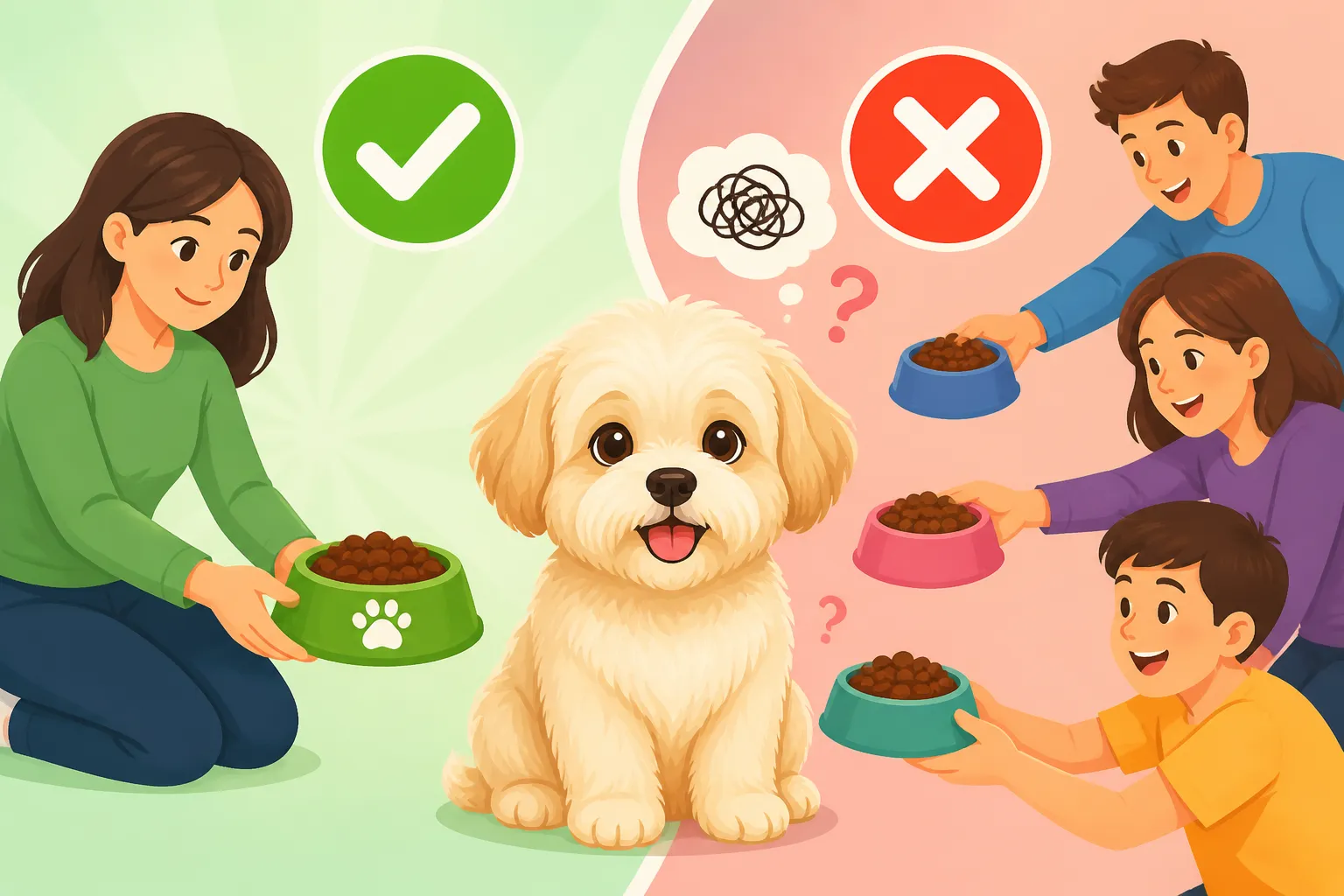
Bringing a new Maltipoo into your home is such an exciting time, but it also opens up a whole new world of questions you never even knew you had! One common puzzler that often pops up, especially for first-time Maltipoo parents, is figuring out who in the household should be responsible for feeding your precious little fluffball. Is it best for just one person to handle all the meals, or should everyone chip in? It’s not just about getting food in the bowl; it's about setting routines, building trust, and shaping your Maltipoo’s behavior for years to come. This guide will walk you through the ins and outs of household feeding dynamics, helping you create a harmonious and healthy mealtime routine for your Maltipoo and your family.
Building Bonds Through Shared Meal Times
It might sound simple, but the act of providing food is a powerful tool in a dog's world. For a Maltipoo, who often forms very strong attachments to their human companions, who feeds them can deeply influence their perception of each family member. It’s about more than just nutrients; it's about association, leadership, and trust.
Overcoming Resource Guarding Tendencies
One of the less desirable behaviors we want to avoid in any dog, especially a small breed like a Maltipoo, is resource guarding. This is when a dog becomes possessive over its food bowl, toys, or even a particular person, and may react defensively if others approach. If only one person consistently feeds your Maltipoo, that dog can sometimes start to see that person as the sole provider of all good things, and view others as potential threats to their resources. This isn't out of malice, but an instinctual behavior that can manifest if not properly managed.
Imagine little Fido, your adorable Maltipoo, getting all his meals from Sarah. When Mark or little Lily walk by while Fido is eating, he might stiffen, growl, or even snap. This isn't because he dislikes Mark or Lily, but because his brain has been wired to believe that Sarah equals food, and anyone else is a competitor. By having various family members feed him, you teach Fido that everyone is a generous provider, minimizing the chance of him feeling the need to guard his meals from other members of his pack. It’s a proactive step in ensuring a calm and confident temperament. Teaching a Maltipoo Not to Guard Its Bowl is crucial.
Fostering Socialization and Trust
When every member of the household takes a turn feeding your Maltipoo, you're essentially providing ongoing, positive socialization with each individual. Your Maltipoo learns that Mom, Dad, the kids, and even Grandma when she visits, are all sources of good things. This helps your dog develop a well-rounded and trusting relationship with everyone in the home, rather than just one primary caregiver. It creates an environment where your Maltipoo feels safe and secure with all humans, recognizing them all as benevolent figures.
Think about a common scenario: a new puppy, unsure of its place, relying on one person for everything. If that person leaves for a day, the puppy can become incredibly anxious. However, if your Maltipoo knows that everyone brings the good stuff, they'll adapt more easily to different family members taking charge, and separation anxiety can be less severe. This builds a foundation for a resilient and adaptable companion who is comfortable with various people in different situations, which is particularly important for small breeds who might otherwise become overly dependent or timid.
Preparing for the Unexpected
Life happens, right? There might be a time when the primary feeder isn't available – perhaps they're sick, working late, or away on a trip. If your Maltipoo has only ever been fed by one person, this disruption can cause significant stress, leading to refusal to eat or behavioral upsets. Imagine having to ask a neighbor or friend to dog-sit, and your Maltipoo refuses to eat for them because they aren't you. That's a real and frustrating problem for many pet parents.
By regularly involving everyone in feeding duties, you ensure that your Maltipoo is accustomed to receiving meals from different hands. This makes transitions smoother and less stressful for your dog if the primary feeder is temporarily out of action. It's an act of foresight that contributes to your Maltipoo's overall emotional well-being and stability, ensuring they remain happy and healthy no matter who presents their next meal.
Establishing a Consistent Routine, Even with Multiple Hands
While involving everyone is beneficial, it’s not a free-for-all. Consistency is absolutely key when it comes to feeding your Maltipoo, especially given their specific dietary needs and potential health concerns like Why a Two Pound Maltipoo Cannot Skip a Meal. A chaotic feeding schedule or inconsistent portions can lead to a host of problems.
The Criticality of a Fixed Schedule
Maltipoos, especially puppies, thrive on routine. Their tiny bodies and fast metabolisms mean they can be susceptible to hypoglycemia, or dangerously low blood sugar, if they go too long without food. This is why a consistent feeding schedule is non-negotiable. For a young puppy, you might be looking at How Often a Teacup Maltipoo Puppy Must Eat – perhaps four meals a day. Even as they get older and transition to fewer meals, a predictable schedule helps regulate their digestion, energy levels, and overall mood.
A fixed schedule means feeding at roughly the same times every day. It doesn't matter who puts the food down, as long as it happens at 7 AM, 12 PM, and 5 PM, for example. When everyone in the household is aware of and adheres to this schedule, your Maltipoo can relax, knowing exactly when their next meal is coming. This predictability reduces anxiety and helps with everything from housetraining to general contentment.
Agreeing on Feeding Rules and Commands
For shared feeding to be successful, the entire household needs to be on the same page about how meals are managed. This includes:
- Portion Control: Maltipoos are small and can easily become overweight. Even a tiny bit of extra kibble can make a big difference. Decide who is responsible for measuring out the exact portion for each meal. Using a kitchen scale, easily found on Amazon, for accurate measurement can be a game-changer. For example, How Many Ounces a Four Pound Maltipoo Eats is a precise science, not a guessing game with a scoop.
- Location: Always feed your Maltipoo in the same spot, free from distractions. This creates a predictable and calm eating environment.
- Commands: Use the same command before placing the food down, such as "Eat" or "Okay." This teaches your Maltipoo patience and impulse control. If one person uses a different word or simply plops the bowl down, it creates confusion.
- No Table Scraps: This is a big one. It's tempting to share a bite of your dinner, but consistency is vital here. If some family members share human food and others don't, your Maltipoo will learn to beg from the "givers" and ignore the "non-givers," leading to frustrating behavior. Many The Table Foods That Send a Maltipoo to the Vet are also dangerous, making this rule even more important.
Having a family meeting to discuss and agree upon these rules ensures that everyone provides a consistent and unified experience for your Maltipoo. It removes ambiguity for your dog and promotes good behavior.
Tools for Accuracy and Consistency
In a multi-person household, it’s easy for good intentions to go astray. One person thinks a "scoop" means a heaping one, another thinks it's leveled. This is where tools become invaluable. Investing in a digital kitchen scale allows everyone to precisely measure out your Maltipoo's food by weight, ensuring they get the exact calories they need. This is especially important for managing a Maltipoo's weight and preventing issues like Getting a Pound Off an Overweight Maltipoo.
Beyond scales, having a designated feeding station with all necessary items (food, water bowl, measuring tools) clearly organized can help. For families who want more structured guidance on puppy raising and training, comprehensive online programs like those offered by BAXTER & Bella can provide fantastic resources on feeding routines, leash manners, and more, helping the whole family learn together.
| Feeding Approach | Consistency | Trust Building | Resource Guarding Risk | Weight Management | Behavioral Outcomes |
|---|---|---|---|---|---|
| Single Feeder | High (if disciplined) | Limited | Higher | Good (if disciplined) | Strong bond with one person, potential anxiety with others |
| Multiple Feeder, Coordinated | High | High | Low | Excellent | Well-adjusted, trusting, adaptable, good manners |
| Multiple Feeder, Uncoordinated | Low | Moderate | Moderate | Poor | Confusion, begging, selective listening, potential weight gain |
The Potential Pitfalls of Inconsistent Feeding or a Single Feeder
While the idea of a single, dedicated feeder might seem simpler, or an uncoordinated multi-feeder approach easier, both can inadvertently lead to behavioral and health challenges for your Maltipoo.
Behavioral Issues and Undermining Training
When feeding is inconsistent, or only one person is involved without other family members reinforcing positive behaviors, it can lead to confusion and undermine other training efforts. If your Maltipoo learns that only one person provides food, they may only listen to that person. Other family members might struggle to get their attention or elicit obedience because they aren't associated with the high-value reward of food.
This can manifest as your Maltipoo ignoring commands from certain family members, excessive begging from those who are more lenient, or even becoming a picky eater if they learn that holding out might get them a "better" meal from a specific person. It can make Whether a Maltipoo Inherits the Maltese Stubbornness even more pronounced. Your Maltipoo isn't trying to be difficult; they're simply responding to the mixed signals they're receiving. Consistency across the board helps your Maltipoo understand expectations from everyone, reinforcing that all family members are leaders and providers.
Challenges with Weight Management
This is a huge one for Maltipoos. Their small size means that even a few extra kibbles or treats can significantly impact their weight. If multiple people are feeding but aren't communicating or adhering to precise portion control, your Maltipoo can easily become overweight. One person might give the breakfast meal, another the dinner, and both might unknowingly be slightly overfilling the bowl, or slipping in extra treats. Before you know it, your adorable Maltipoo is carrying an unhealthy amount of extra weight, which can exacerbate joint problems like slipping kneecaps or contribute to other health issues.
Similarly, if the "main feeder" is particularly soft-hearted and gives in to pleading eyes, or if they're the only one aware of the dog's caloric needs, other family members might unknowingly contribute to the problem. It's essential that everyone understands the exact amount of food and treats your Maltipoo should receive daily. The Daily Routine a Maltipoo Needs definitely includes careful portion control.
Fostering Anxiety and Over-Dependence
A Maltipoo that is solely reliant on one person for feeding can develop an unhealthy level of dependence, which can lead to increased anxiety when that person is absent. This often exacerbates separation anxiety, making it incredibly difficult for your Maltipoo to cope when their primary caregiver leaves the house. They might cry, bark, or engage in destructive behaviors because their entire sense of security is tied to one individual, particularly when it comes to fundamental needs like food.
By having different family members participate in feeding, your Maltipoo learns that multiple people can fulfill their needs and provide comfort. This diversified trust helps them build confidence and resilience, making them less prone to extreme distress when a particular person isn't around. It fosters a more independent and secure dog who sees the entire household as a safe and nurturing environment.
Practical Strategies for Family Feeding Success
So, how do you make shared feeding work smoothly in your bustling household? It boils down to clear communication, organization, and a unified approach to your Maltipoo’s care.
Delegation and Rotation of Duties
The simplest way to ensure everyone is involved without creating chaos is to delegate and rotate feeding duties. You can create a simple chart, perhaps on the fridge, listing who is responsible for each meal (breakfast, lunch, dinner, and any snacks) for the week. This not only involves everyone but also teaches children responsibility.
For instance, Monday might be Dad's day for all meals, Tuesday is Mom's, Wednesday is a child's turn with supervision, and so on. This ensures your Maltipoo experiences receiving food from different hands consistently. For a young puppy, you might be following a feeding plan like Training a Maltipoo Around Four Meals a Day. Having this visual reminder prevents confusion and makes sure no meals are missed or accidentally doubled up.
Training for Calmness and Good Manners
Mealtime should be a calm, structured event. Before placing the food bowl down, have your Maltipoo perform a simple "sit" or "stay" command. This teaches impulse control and respect for the food, and reinforces that you (the human) are in charge of the resource. Everyone in the family should use the same command and wait for the same behavior before rewarding with the meal. Consistency here is paramount.
Online training resources, such as those from BAXTER & Bella, often have excellent modules on mealtime manners and impulse control that the whole family can watch and learn from together. This ensures everyone is using the same techniques and cues, which speeds up your Maltipoo's learning and reinforces good behavior across the board. A trained Maltipoo is a happy Maltipoo, and Whether a Maltipoo Works for Food or Praise can also depend on consistent training methods.
Safely Involving Children in Feeding
Children can be wonderful participants in feeding your Maltipoo, fostering a deep bond and teaching them responsibility. However, due to a Maltipoo's delicate size, supervision is absolutely essential.
- Teach Gentle Handling: Show children how to gently place the bowl down, avoiding sudden movements or loud noises that could startle your Maltipoo.
- Supervised Feeding: Always supervise young children during feeding times. This prevents accidental overfeeding, ensures the child’s safety, and prevents any potential resource guarding issues from developing.
- No Hand Feeding from the Table: Reinforce the rule that food from the table is never for the dog, regardless of how much your Maltipoo begs. Children need to understand this boundary clearly. Instead, teach them to help measure out the dog's approved food into the bowl.
By creating a structured, consistent, and inclusive feeding routine, everyone in your household can play a vital role in raising a well-adjusted, confident, and healthy Maltipoo. It's a team effort that pays dividends in a happy, harmonious home.
Disclaimer
This article is for general informational purposes only and does not constitute professional advice. Laws, prices and regulations vary by location and change over time. Consult a qualified professional for guidance on your specific situation.