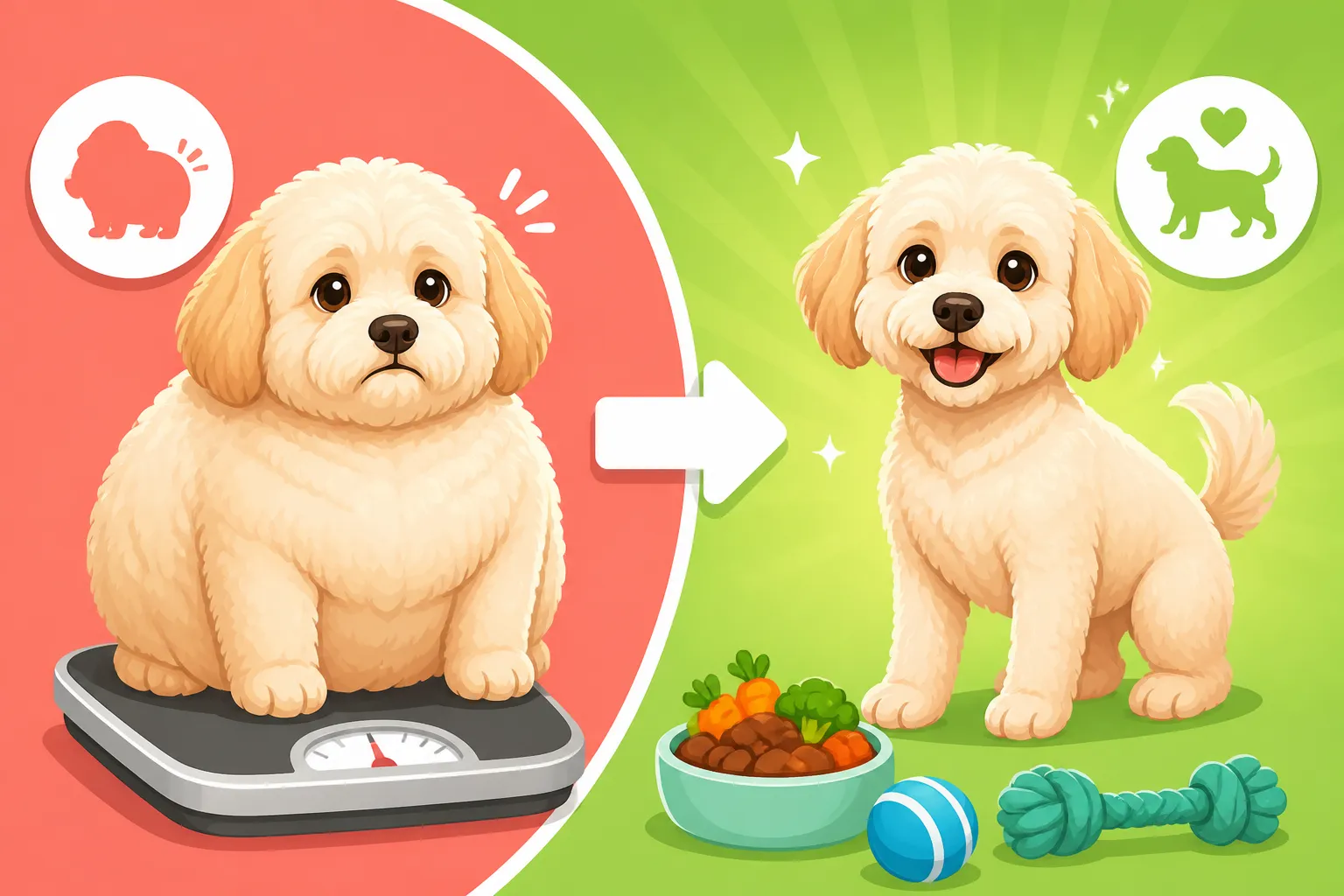
Getting a Pound Off an Overweight Maltipoo
It's incredibly easy for our beloved Maltipoos to sneak on a few extra ounces, and before you know it, those ounces have become a full pound. That might not sound like much to us, but for a tiny dog that might only weigh six pounds, an extra pound is a significant percentage of their body weight, akin to a human gaining twenty or thirty pounds! This guide is all about helping you understand why that extra pound matters so much for your small companion and, more importantly, how to safely and effectively help your Maltipoo shed it to live a healthier, happier life.
Recognizing the Problem: Is Your Maltipoo Actually Overweight?
Before we jump into calorie counting and exercise routines, let's take a moment to honestly assess your Maltipoo's current physique. Many owners, quite naturally, see their fluffy little companions and think they look perfectly healthy, or even "cuddly." However, what feels cuddly to us can often be genuinely unhealthy for a small dog. It's not about making them skinny, but about ensuring they carry a healthy amount of body fat for their frame. Sometimes, that fluffy coat can be deceiving, hiding a little extra padding that you might not even realize is there until you get your hands on them.
How to Perform a Rib Check and Waistline Assessment
One of the simplest yet most effective ways to tell if your Maltipoo is carrying too much weight is by performing a quick, hands-on check. You need to get past that beautiful, soft fur and feel what's underneath.
First, try the "rib check." Gently run your hands along your Maltipoo's sides, over their rib cage. You should be able to feel their ribs quite easily, almost like feeling the knuckles on your hand, with just a thin layer of fat covering them. If you have to press firmly to feel the ribs, or if you can't feel them at all, that's a red flag. It means there's too much padding over those bones. They shouldn't be protruding sharply, but they definitely shouldn't be buried. A Maltipoo's delicate frame is designed to be lean, allowing their joints and organs to function optimally without unnecessary strain. This simple check gives you a direct, tactile understanding of their body composition, bypassing the visual deception of their luxurious coat.
Next, it's time for the "waistline assessment." When you look down at your Maltipoo from above, after a good groom (their coat can make a huge difference here!), you should see a discernible waistline. Their body should narrow slightly between their rib cage and their hips. If your Maltipoo looks more like a straight line from their chest to their tail, or worse, if they bulge out around their middle, they're likely carrying too much weight. Similarly, when you view them from the side, their abdomen should tuck up slightly behind their rib cage, not hang low or appear distended. This visual cue, combined with the rib check, paints a clear picture of their overall body shape. A healthy waistline isn't just aesthetic; it indicates proper fat distribution and muscle tone. For a little dog like a Maltipoo, even a small accumulation of fat around their midsection can put pressure on internal organs and impact their agility.
Understanding Body Condition Scoring for Maltipoos
Veterinarians use a system called Body Condition Scoring (BCS) to objectively assess a pet's weight. It's typically a scale from 1 to 9, where 1 is emaciated, 9 is morbidly obese, and 4-5 is ideal. While your vet will give you the most accurate score, you can get a good idea yourself.
An ideal Maltipoo, scoring around a 4 or 5, will have ribs that are easily felt without excessive fat cover, and you’ll see that clear waist when viewed from above. Their abdominal tuck from the side will be evident, giving them an athletic, lean appearance appropriate for their size. If your Maltipoo scores a 6, those ribs might be harder to feel, and the waistline less distinct. A score of 7 or higher means you’re seeing significant fat deposits over the ribs, spine, and tail base, with no waist or abdominal tuck whatsoever. Understanding BCS helps you move beyond subjective feelings of "chubby" to a more scientific assessment of your dog's health. It provides a common language for discussing your dog's weight with your vet and helps you set realistic goals. You might even find charts online or at your vet's office that show diagrams of different body conditions, which can be very helpful in visualizing where your Maltipoo stands. Remember, a slight overweight condition can lead to bigger problems down the line, so catching it early is always best.
The Importance of Regular Vet Check-ups for Weight Monitoring
While your home assessment is a great start, nothing replaces the professional eye of your veterinarian. Regular check-ups are absolutely crucial, not just for vaccinations, but for ongoing health monitoring, especially when it comes to weight. Your vet can accurately perform a BCS, weigh your Maltipoo on a calibrated scale, and discuss any underlying health issues that might contribute to weight gain or be exacerbated by it.
They can also help you determine a healthy target weight for your specific Maltipoo, taking into account their age, activity level, and any pre-existing conditions. For example, a Maltipoo with Slipping Kneecaps in a Maltipoo might have different exercise limitations than one with perfectly healthy joints. Your vet can provide tailored advice, calculate the exact daily caloric intake needed for safe weight loss, and suggest appropriate food choices. They might even recommend specific diagnostic tests if they suspect metabolic issues. Think of your vet as your primary partner in your Maltipoo’s weight loss journey, providing the expertise and guidance you need to ensure success and safety. Many vets also have vet techs who can do quick weigh-ins between appointments, which can be super helpful for tracking progress and keeping you motivated. This regular oversight is essential because, as small as Maltipoos are, their metabolism can be a sensitive thing, and professional guidance helps avoid common pitfalls. For a general overview of preventative care, consider discussing The Yearly Checks a Maltipoo Should Get with your vet.
The Hidden Dangers of an Overweight Maltipoo
It's easy to dismiss a little extra weight on a small dog, thinking it's just more to love. But for a Maltipoo, that extra pound isn't just cosmetic; it significantly increases their risk for a whole host of serious health problems. Their small stature and delicate bone structure mean they are particularly vulnerable to the strains and stresses that excess weight imposes. We're talking about conditions that can shorten their lifespan, reduce their quality of life, and lead to considerable veterinary expenses down the road. Understanding these risks can be a powerful motivator to get your Maltipoo back to a healthy weight.
Exacerbated Joint Issues and Skeletal Stress
Maltipoos are already genetically predisposed to certain orthopedic problems, particularly patellar luxation, or "slipping kneecaps." This is a condition where the kneecap slips out of its groove, causing pain and a distinctive skip in their walk. When an already vulnerable joint is subjected to the constant pressure of carrying extra weight, the problem becomes significantly worse. That additional pound places undue stress on the ligaments, cartilage, and bones, accelerating the degeneration of the joint and increasing the frequency and severity of luxation episodes.
Imagine trying to run a marathon with a heavy backpack strapped to you; it's going to put a lot more strain on your knees and hips. It's the same for your Maltipoo. The excess weight can not only worsen existing patellar luxation but also increase the risk of developing it in dogs that were previously unaffected. It can also exacerbate other joint problems like arthritis, which can develop prematurely in overweight dogs, leading to chronic pain, stiffness, and reduced mobility. This means your bouncy, playful Maltipoo might become reluctant to jump, run, or even walk, leading to a vicious cycle where reduced activity further contributes to weight gain. Even a small fall can cause serious injury to a small dog if their joints are already compromised by extra weight. For more details on this specific issue, you might find Whether a Maltipoo's Kneecap Needs Operating insightful.
Increased Risk of Diabetes and Other Metabolic Diseases
Just like in humans, obesity in dogs is a major risk factor for developing metabolic diseases, most notably diabetes mellitus. When a Maltipoo carries too much fat, their body's cells become less responsive to insulin, leading to insulin resistance. This means their pancreas has to work harder to produce more insulin, and eventually, it can't keep up, resulting in elevated blood sugar levels – which is diabetes.
Diabetes in dogs requires lifelong management, including daily insulin injections, special diets, and regular vet visits. It's a serious and costly condition that can significantly impact your dog's health and your wallet. Beyond diabetes, excess weight can also lead to other endocrine disorders and fatty liver disease. The liver, which is vital for detoxification and metabolism, can become overwhelmed and damaged by excessive fat deposits, leading to impaired function. These metabolic shifts don't just happen overnight; they are a gradual consequence of prolonged obesity, slowly undermining your Maltipoo's internal health. Preventing these conditions through weight management is far easier and kinder than treating them once they've taken hold.
Respiratory and Cardiac Strain in a Small Frame
An overweight Maltipoo often struggles with breathing and heart health. The extra fat deposits around their chest cavity and abdomen can restrict lung expansion, making it harder for them to breathe, especially during exercise or in hot weather. You might notice them panting more heavily, even after minimal activity, or struggling with a persistent cough. This is particularly concerning for Maltipoos, as they can be prone to respiratory issues like Collapsing Trachea in a Maltipoo's Neck. Excess weight puts additional pressure on the already delicate tracheal rings, making a collapse more likely and severe.
Furthermore, their heart has to work much harder to pump blood through a larger body mass, increasing blood pressure and straining the cardiovascular system. Over time, this chronic strain can lead to heart disease, including congestive heart failure. Symptoms like lethargy, coughing, and difficulty breathing can indicate serious cardiac issues. For a tiny Maltipoo, their small hearts are not designed for this kind of extra burden. Maintaining a healthy weight is one of the most effective ways to support their respiratory and cardiac function, ensuring they can breathe easily and their heart can keep ticking strong for years to come. Your vet might discuss Whether a Maltipoo Gets Heart Murmurs during a check-up if they suspect cardiac issues are developing.
Dietary Adjustments: The First Step to a Leaner Maltipoo
When it comes to helping your Maltipoo shed that extra pound, diet is usually the first and most critical area to address. Exercise is important, yes, but you simply cannot out-exercise a bad diet, especially for a small dog with limited caloric needs. It’s all too easy to unknowingly overfeed a Maltipoo, often with the best intentions, but the consequences for their health can be profound. Making smart, consistent changes to what and how much they eat will be the cornerstone of their weight loss journey.
Re-evaluating Your Maltipoo's Current Diet and Calories
The first step is to take an honest look at what your Maltipoo is currently eating. Don't just consider their main meals; think about everything that goes into their mouth throughout the day. This includes treats, table scraps, tiny bits dropped on the floor, and even chews. Many owners are genuinely surprised when they tally up the total caloric intake.
Start by checking the nutritional information on your Maltipoo's current dog food bag. Most premium dog foods, like those available on Chewy, will have feeding guidelines based on weight, but these are often for maintaining a healthy weight, not for losing weight. Moreover, these guidelines are usually a starting point, not a strict rule, and they don't account for individual metabolism or activity levels. If your Maltipoo is overweight, they need to consume fewer calories than they are currently taking in to create a caloric deficit. You might need to switch to a "light" or "weight management" formula specifically designed to be lower in calories and fat while still providing essential nutrients. These formulas often have higher fiber content to help your dog feel full without consuming excess calories. Consult your vet to determine the appropriate daily caloric intake for your Maltipoo's target weight. A good rule of thumb is to calculate How Many Calories a Six Pound Maltipoo Needs and then aim for a percentage less than that for weight loss, always under vet guidance.
Precision Portion Control: Ounces, Not Scoops
This is where many owners unintentionally go wrong with small breeds. Feeding guidelines often suggest using a "scoop" or "cup," but these measurements can be incredibly inaccurate, especially when dealing with tiny amounts of food for a Maltipoo. Even a slight overfill of a measuring cup can mean dozens of extra calories per day, which accumulate rapidly in a dog that only needs a few hundred calories in total.
The most accurate and effective way to manage your Maltipoo's food portions is to measure by weight using a kitchen scale. Forget the scoops! Invest in a small digital kitchen scale and weigh out your dog's food in ounces or grams. If your vet advises 150 calories a day, for example, and your dog food has 350 calories per cup (which is usually around 3.5-4 ounces), you can precisely calculate how many ounces or grams you need to feed. Dividing this total daily amount into two or three smaller meals can also help regulate their metabolism and keep them feeling satisfied throughout the day. This meticulous approach ensures that you are consistently providing the correct number of calories and eliminates the guesswork that often leads to accidental overfeeding. You'd be surprised at how much difference even a quarter of an ounce can make to a Maltipoo's waistline. For a deeper dive into this issue, check out Why a Standard Scoop Overfeeds a Maltipoo.
Smart Treat Choices and Limiting Human Food
Treats and table scraps are often the silent culprits behind weight gain in Maltipoos. It's so easy to hand over a tiny piece of cheese or a bite of your dinner, thinking "it's just a little bit!" However, those little bits add up quickly and often contain a surprising number of calories and unhealthy fats or sugars.
When you're trying to help your Maltipoo lose weight, you need to be extremely disciplined with treats. Ideally, treats should make up no more than 10% of their total daily caloric intake. Switch to low-calorie, healthy options. Things like small pieces of plain cooked chicken breast, green beans, carrots, or even specialized low-calorie dog treats (you can find a great selection on Amazon or Chewy) are far better choices than processed snacks or human food. Break even small dog treats into smaller pieces so you can give more "rewards" for fewer calories. Consider using some of their regular kibble as treats during training sessions. As for human food, the best policy during a weight loss program is to eliminate it entirely. Not only does it add unwanted calories, but it can also upset their digestive system and reinforce begging behaviors. If you absolutely must share, make sure it's a tiny, unseasoned piece of a vet-approved vegetable. Being mindful about every morsel your Maltipoo consumes is paramount to their success. To help you make better choices, you might want to read Low Calorie Treats for a Maltipoo. Many fresh dog food companies, like Ollie, also offer nutrient-dense, portion-controlled meals that can aid in weight management.
Increasing Activity Levels Safely for Your Maltipoo
While diet forms the foundation of weight loss, increasing your Maltipoo's activity levels is the second crucial pillar. Just like with humans, a combination of reduced caloric intake and increased energy expenditure is the most effective way to shed those pounds. However, for a small breed like a Maltipoo, you can't just throw them into a high-impact exercise routine. Their delicate bodies require a thoughtful, gradual, and safe approach to physical activity to prevent injury and ensure their enjoyment.
Tailoring Exercise to Your Maltipoo's Size and Health
The idea of "exercise" for a Maltipoo might look very different from that of a larger dog. They don't need to run miles a day, but consistent, moderate activity is vital. Before starting any new exercise regimen, always consult your veterinarian, especially if your Maltipoo has any existing health conditions like The Age a Maltipoo's Kneecap First Slips or respiratory concerns.
Start slow and build up gradually. A good starting point might be two short, brisk walks of 10-15 minutes each day. The key word here is "brisk" – you want to get their heart rate up a little, not just a leisurely sniff-walk. As their stamina improves and they begin to lose weight, you can slowly increase the duration or add a third short walk. Always observe your Maltipoo for signs of fatigue, overheating (especially in warmer weather), or discomfort. If they start panting excessively, lagging behind, or showing any lameness, it's time to stop and rest. Remember, short bursts of activity are often more appropriate for a small dog than one long, arduous session. Varying your walking routes can also keep things interesting for them, engaging their sense of smell and making the walks more stimulating. For specific guidance on typical activity needs, you can refer to The Walk a Six Pound Maltipoo Actually Needs.
Incorporating Playtime and Mental Stimulation
Exercise doesn't always have to be a structured walk. Playtime is an excellent way to burn calories, strengthen muscles, and provide much-needed mental stimulation for your Maltipoo. Their Poodle heritage means they often enjoy interactive games and learning new things.
Think about games that involve short bursts of activity. Fetch with a soft, lightweight toy in the house or a securely fenced yard can be fantastic. You can also engage them with tug-of-war (gently, to protect their delicate necks) or hide-and-seek with their favorite toy or a low-calorie treat. Rotate toys to keep them novel and exciting. Mental stimulation is just as important as physical activity for overall well-being and can actually burn calories too. Puzzle toys, where they have to figure out how to get a treat, can keep them engaged and active indoors. Learning new tricks, even simple ones like "sit" or "stay," uses their brain and can be rewarded with praise or a tiny piece of kibble, rather than a high-calorie treat. This kind of interactive play strengthens your bond and makes the weight loss journey feel less like a chore and more like fun for both of you. Many pet supply stores, like Chewy or Amazon, offer a wide variety of interactive toys and puzzles perfect for small breeds.
When to Consult Your Vet About an Exercise Plan
While encouraging more activity is almost always beneficial, there are times when it’s absolutely critical to get your vet’s input before increasing your Maltipoo’s exercise levels. As mentioned earlier, their small size makes them prone to certain orthopedic and respiratory issues that can be worsened by inappropriate exercise.
If your Maltipoo has been very sedentary, is significantly overweight, or has any known health conditions such as patellar luxation, heart murmurs, or Collapsing Trachea in a Maltipoo's Neck, your vet must approve and help design their exercise plan. They can perform a thorough physical examination, potentially recommend X-rays or other diagnostics, and assess your Maltipoo's current fitness level. They might advise starting with very gentle, short walks, or even hydrotherapy (swimming in a warm pool) which is low-impact and excellent for building muscle without stressing joints. Your vet can also guide you on how to recognize signs of overexertion or pain, ensuring that you're pushing them just enough, but not too much. They are your best resource for creating a safe, effective, and individualized exercise program that supports your Maltipoo's weight loss goals without compromising their health. Ignoring potential issues and pushing them too hard could lead to serious injury or discomfort, setting back their progress and potentially making them reluctant to exercise at all.
Overcoming Challenges and Staying Consistent
Helping your Maltipoo lose weight is a marathon, not a sprint. There will be days when it feels easy, and days when you feel like you're fighting an uphill battle against those pleading eyes and adorable begging antics. Consistency, patience, and a realistic mindset are your most powerful tools. Understanding common challenges and having strategies to overcome them will be key to your long-term success in getting that pound off – and keeping it off.
Dealing with a Picky Eater or a Begging Maltipoo
It’s a common scenario: you’ve switched to a lower-calorie food, or you’re cutting back on treats, and suddenly your Maltipoo becomes a picky eater or a master beggar. This can be incredibly frustrating, but it’s important to remember that these behaviors are often learned responses to past feeding habits.
If your Maltipoo is refusing their new food or smaller portions, don't immediately give in and offer something else. Many Maltipoos are incredibly smart and will quickly learn that holding out for something better often works. Give them their meal for a set amount of time (e.g., 15-20 minutes), and then pick it up, even if they haven't eaten it. Don't offer anything else until their next scheduled meal. A healthy dog will not starve itself, and eventually, hunger will win out. If the pickiness persists beyond a day or two, or if your Maltipoo shows other signs of illness, consult your vet to rule out any underlying medical issues. As for begging, consistency from everyone in the household is vital. Make a strict rule: no human food. Period. If they beg at the table, calmly tell them "no" and redirect them to their bed or crate, or simply ignore the behavior completely. If ignoring is too hard, you can put them in another room during meal times. Use positive reinforcement when they are not begging, offering praise or a very tiny, low-calorie dog treat when they are lying quietly away from the dining area. Remember, you are working to reset their expectations and teach them healthier habits. Sometimes, using an enrichment feeder or a slow-feeder bowl (make sure it's not too deep for their little faces!) can make mealtime more engaging for a picky eater.
Monitoring Progress and Adjusting the Plan
Weight loss in small dogs can be slow, and plateaus are common. Don't get discouraged if the scale doesn't move every week. It's crucial to monitor progress regularly but also to be patient. Weigh your Maltipoo once a week, at the same time of day (e.g., before their first meal), using a reliable scale. A baby scale or a small pet scale often works best for accurate readings. Record their weight, food intake, and activity levels in a journal or a simple spreadsheet.
If your Maltipoo isn't losing weight after a few weeks, or if they hit a plateau, it's time to re-evaluate with your vet. Perhaps their caloric intake needs to be slightly reduced further, or their activity levels increased. Metabolism can be complex, and what works for one dog might not work exactly the same for another, even of the same breed and size. Your vet can help you make these adjustments safely and effectively. It's also important to focus on overall body condition rather than just the number on the scale. Are their ribs becoming easier to feel? Is their waistline more defined? Are they more energetic and playful? These are all signs of success, even if the scale is being stubborn. Remember, the goal is sustainable, healthy weight loss, not a rapid drop that could be detrimental to their health. This also links back to the importance of Feeling for a Maltipoo's Ribs as a tangible sign of progress.
The Long-Term Commitment to a Healthy Weight
Achieving a healthy weight is a significant accomplishment, but maintaining it is the true long-term challenge. Weight management is a lifelong commitment, not a temporary diet. Once your Maltipoo reaches their ideal weight, you'll need to carefully adjust their caloric intake to maintenance levels, which will be slightly higher than their weight loss calories but still precisely controlled.
Continue with regular weekly or bi-weekly weigh-ins to catch any upward creep in weight before it becomes a problem. Consistency in diet and exercise is paramount. Don't fall back into old habits of free-feeding or excessive treats. Keep their routine active and engaging. Consider the implications of age; as Maltipoos get older, their metabolism naturally slows down, and their activity levels may decrease. You may need to further adjust their food portions as they age to prevent weight gain. Your commitment to their healthy lifestyle will directly impact their longevity and quality of life. An overweight Maltipoo lives a shorter, less comfortable life. By staying vigilant and consistent, you can ensure your Maltipoo enjoys every one of their potential The Twelve to Fifteen Years a Maltipoo Lives to the fullest, free from the burdens that excess weight brings. It's a continuous journey of care, but the rewards are immeasurable: a vibrant, active, and healthy companion by your side. For older Maltipoos, Cutting an Old Maltipoo's Portions as It Slows is a particularly important consideration.
Disclaimer
This article is for general informational purposes only and does not constitute professional advice. Laws, prices and regulations vary by location and change over time. Consult a qualified professional for guidance on your specific situation.