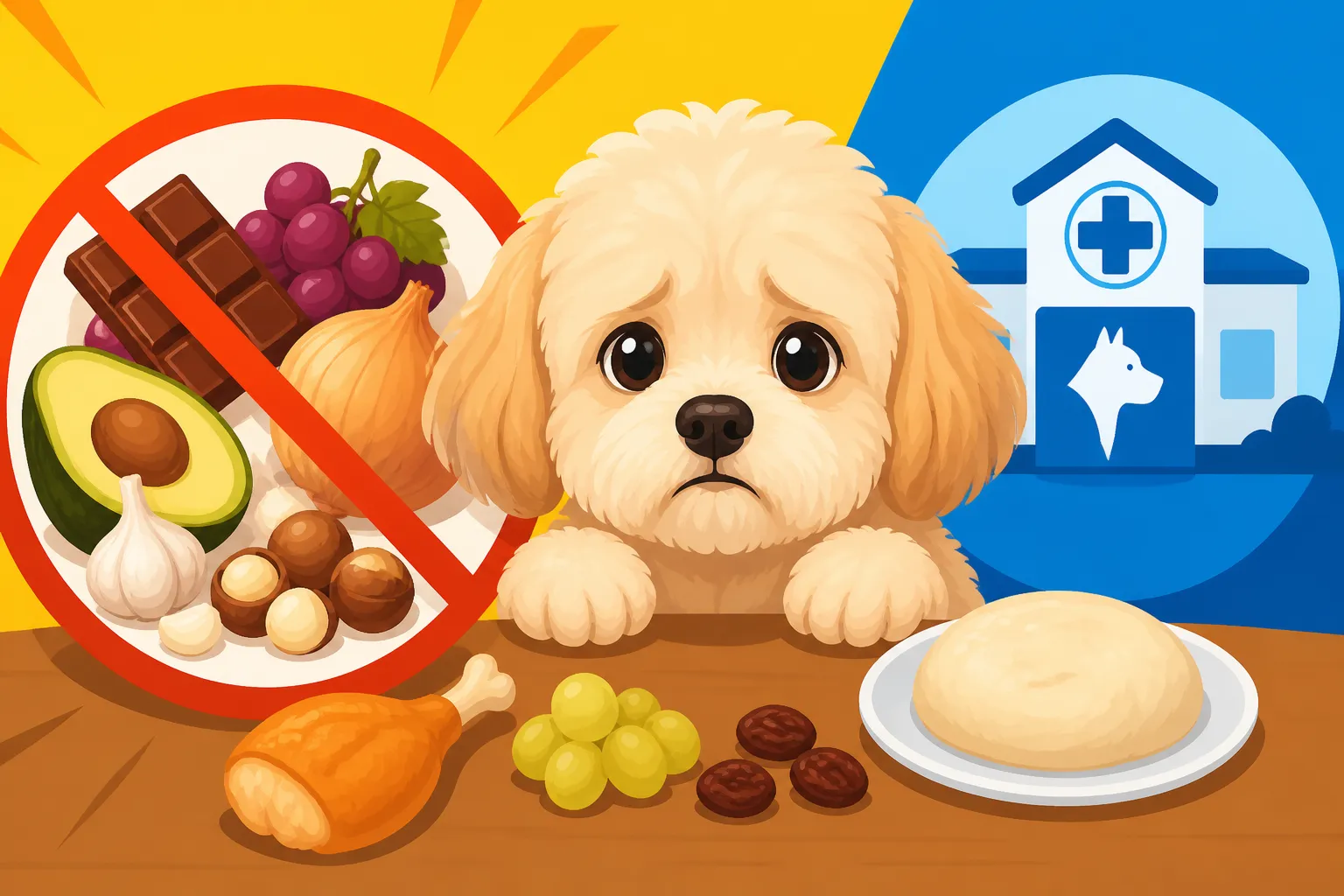
The Table Foods That Send a Maltipoo to the Vet
It's a common scenario, isn't it? You're enjoying a meal, and those adorable Maltipoo eyes are fixed on you, practically begging for a bite. It's so tempting to share a morsel of whatever deliciousness is on your plate, thinking "just a little bit won't hurt." But here's the tough truth: many seemingly harmless human foods can actually send your precious Maltipoo to the emergency vet. This guide is here to walk you through the everyday table foods that pose serious risks to your furry friend, so you can keep them safe and healthy.
The Hidden Dangers in Common Kitchen Staples
Our kitchens are full of ingredients that are perfectly fine for us, but for a tiny Maltipoo, they can be incredibly toxic. It’s not always obvious, and sometimes the danger lies in hidden components within prepared foods. Understanding these silent threats is crucial for protecting your small companion.
Alliums: The Silent Destroyers (Onions, Garlic, Leeks, Chives)
You might not think twice about adding a little onion to your stir-fry or garlic to your pasta sauce, but for your Maltipoo, these ingredients are a major red flag. All members of the allium family—onions, garlic, leeks, and chives—contain compounds called thiosulphates. When dogs ingest these, their red blood cells can be damaged, leading to a serious condition called hemolytic anemia. This means their body starts destroying its own red blood cells, which are vital for carrying oxygen.
Even small amounts can be dangerous, especially for a tiny dog like a Maltipoo whose system is far more sensitive. Symptoms can range from lethargy and weakness to pale gums, a rapid heart rate, and dark, reddish-brown urine. They might also experience vomiting and diarrhea. The scary part is that these symptoms can be delayed, sometimes not appearing for a few days after ingestion, making it harder to connect them back to that one innocent bite. Always be vigilant about anything savory you're eating or cooking, and remember that these ingredients are often found in powdered forms in seasonings, broths, and even some baby foods. If it tastes good to you, it probably has some form of allium in it unless you made it specifically for your pup.
Xylitol: The Sweetener's Deadly Secret
This one is a real game-changer in terms of pet toxicity, and frankly, it's terrifying how prevalent it has become. Xylitol is an artificial sweetener found in an ever-increasing list of sugar-free products. For humans, it's just a sugar substitute. For dogs, however, it's rapidly absorbed into their bloodstream and triggers a massive release of insulin from the pancreas. This sudden insulin surge causes a swift and severe drop in blood sugar (hypoglycemia), which can be life-threatening. In higher doses, xylitol can also lead to acute liver failure.
The list of products containing xylitol is long and growing: sugar-free gum, breath mints, certain brands of peanut butter, some toothpastes, chewable vitamins, certain baked goods, and even some cough syrups and sugar-free candies. For a small Maltipoo, even a piece of gum or a tiny dollop of xylitol-laced peanut butter can be fatal. Signs of xylitol poisoning include vomiting, lethargy, weakness, loss of coordination, difficulty standing, and even seizures or collapse. Given that Hypoglycemia and the Teacup Maltipoo Puppy is already a concern for our little ones, xylitol is an even greater threat. Always, always check the ingredient label of any human food you might consider sharing, especially peanut butter. If you're looking for safe dog-specific treats or peanut butter, many reputable brands available on sites like Chewy or Amazon clearly label themselves as xylitol-free, or better yet, opt for those specifically formulated for dogs.
Grapes and Raisins: A Mystery Toxin
The danger of grapes and raisins is particularly frustrating because scientists still haven't pinpointed the exact toxin responsible. What we do know is that ingestion can lead to acute kidney failure in dogs. It's not dose-dependent in a predictable way; some dogs can eat a few and be fine, while others can suffer severe consequences from just one or two grapes or a handful of raisins. Given the severe potential outcome, it's simply not worth the risk, especially for a small dog whose system is less robust.
Symptoms of grape or raisin toxicity often start with vomiting and hyperactivity, followed by lethargy, dehydration, increased thirst, and a decrease in urine production, all signs of kidney distress. Abdominal pain can also occur. Even if your Maltipoo has eaten grapes or raisins before without incident, never assume they are safe. Each exposure is a gamble. Keep grapes and raisins, and any products containing them (like raisin bread or granola bars), completely out of reach. They should be treated as an absolute no-go food item in your home.
Everyday Indulgences That Are Anything But Safe
Sometimes, the foods we consider a treat for ourselves can be incredibly dangerous for our canine companions. These aren't obscure ingredients, but often things we have on hand regularly.
Chocolate: Theobromine Toxicity
This is probably one of the most well-known toxic foods for dogs, but it's worth reiterating, especially for a small breed like a Maltipoo. Chocolate contains a stimulant called theobromine, which dogs metabolize much more slowly than humans. This means it can build up to toxic levels in their system, affecting their nervous system, heart, and kidneys.
The darker the chocolate, the higher the concentration of theobromine, and therefore, the more dangerous it is. Baker's chocolate and dark chocolate are the worst offenders, while milk chocolate and white chocolate contain lesser amounts but are still risky, particularly for a small dog. A Maltipoo weighing only a few pounds needs significantly less chocolate to reach toxic levels compared to a large Labrador. Symptoms of chocolate poisoning can include hyperactivity, restlessness, trembling, vomiting, diarrhea, increased thirst, and an elevated heart rate. In severe cases, seizures and heart arrhythmias can occur, which can be fatal. Ensure all chocolate products, from candy bars to cocoa powder, are stored in secure cabinets where curious paws (or noses) can't reach them.
Avocado: Persin for the Poodle Part?
Avocado is a bit of a nuanced one. The fruit, leaves, bark, and pit of avocados contain a fungicidal toxin called persin. While persin is known to be highly toxic to some animals like birds, horses, and cattle, its effect on dogs is generally considered milder. Dogs usually only experience mild gastrointestinal upset, such as vomiting or diarrhea, if they ingest the avocado flesh.
However, there's a significant risk associated with the large pit. For a tiny Maltipoo, an avocado pit presents a serious choking hazard or can cause an intestinal obstruction if swallowed. This blockage could require emergency surgery, which is a major concern for a small dog like a Maltipoo, especially considering Whether a Maltipoo Under Four Pounds Survives Anesthesia. Therefore, while a tiny taste of the flesh might not be catastrophic, it’s always best to err on the side of caution and avoid giving avocado to your Maltipoo altogether. If you do, ensure the pit and skin are completely removed and only offer a very small, ripe piece of the flesh.
Caffeine: A Stimulant Overload
Just like with chocolate, caffeine is a stimulant that can be very dangerous for dogs. They are far more sensitive to its effects than humans, and it can overstimulate their nervous system and heart. Sources of caffeine in a typical home include coffee (grounds, beans, and brewed coffee), tea (tea bags, loose leaf, and brewed tea), energy drinks, diet pills, and even some cold medications. Remember, chocolate also contains caffeine, compounding its toxicity.
For a small Maltipoo, even a few sips of coffee or an ingested tea bag can cause problems. Symptoms of caffeine poisoning can be alarming: hyperactivity, restlessness, excessive panting, increased heart rate, tremors, and in severe cases, seizures or collapse. It's crucial to keep all caffeinated beverages and products out of reach. Don't leave your coffee cup where your Maltipoo can knock it over and lap up the contents, and dispose of used tea bags securely. Your Maltipoo doesn't need a morning pick-me-up, and it could be deadly.
The Overlooked Offenders and Portion Pitfalls
Sometimes it's not just outright toxins but the very nature of certain foods or how much of them they get that can cause serious health issues for a Maltipoo. Their small size makes them particularly vulnerable to rich or indigestible items.
Fatty Foods and Bones: Pancreatitis and Obstruction Risks
This category encompasses a lot of delicious human food that is simply too rich for a dog's digestive system. High-fat foods like bacon grease, fatty meat scraps, poultry skin, gravy, and fried foods can trigger a painful and potentially life-threatening inflammation of the pancreas, known as pancreatitis. For small breeds like Maltipoos, even a relatively small amount of rich food can set this off. Symptoms of pancreatitis include severe abdominal pain (your dog might hunch their back or refuse to be touched), repeated vomiting, diarrhea, extreme lethargy, and fever. It often requires hospitalization, intravenous fluids, and pain management.
Bones, both cooked and raw, also pose significant risks. Cooked bones become brittle and can splinter easily, leading to choking, internal cuts, or blockages in the digestive tract. Raw bones, while some argue they are natural, can still cause dental damage, carry bacterial contamination, and in some cases, still lead to obstructions or severe constipation. Never give your Maltipoo bones from your plate. If you're looking for something for them to chew, opt for appropriate, vet-approved dental chews that are specifically designed for small breeds. You can find many safe options on platforms like Chewy or Amazon; just make sure they are size-appropriate for your Maltipoo's small jaw. Whether a Maltipoo's Jaw Can Manage a Chew is an important consideration here.
Dairy Products: Lactose Intolerance is Real
While the image of a dog happily lapping up a bowl of milk is a common one, the reality is that many dogs are lactose intolerant. This means they lack sufficient amounts of the enzyme lactase, which is needed to break down the lactose sugar in milk. When they consume dairy, it can lead to gastrointestinal upset.
Symptoms of lactose intolerance in dogs are similar to those in humans: diarrhea, vomiting, excessive gas, and general abdominal discomfort. So, while a tiny lick of ice cream might seem like a fun treat on a hot day, it could lead to an uncomfortable evening for your Maltipoo (and you!). It's generally best to avoid giving them milk, cheese, or ice cream. Plain yogurt, which has beneficial probiotics and less lactose due to the fermentation process, might be tolerated in very small amounts by some dogs, but proceed with extreme caution and only if you know your specific dog handles it well.
Yeast Dough: Bloating and Alcohol Poisoning
Raw yeast dough is a double threat for dogs. First, if ingested, the warm, moist environment of a dog's stomach acts like an oven, causing the dough to continue to rise. This can lead to severe bloating, stretching the stomach and potentially even causing a life-threatening condition called gastric dilatation-volvulus (GDV) or bloat, where the stomach twists. While less common in tiny dogs than large breeds, it's still a risk. Second, as the yeast ferments the sugars in the dough, it produces alcohol. This alcohol can then be absorbed into the dog's bloodstream, leading to alcohol poisoning.
Signs of dough ingestion and subsequent problems include a distended abdomen, retching without vomiting, abdominal pain, weakness, disorientation, and uncoordinated movements, similar to drunkenness. This is a true emergency. Always keep any raw dough, whether for bread, pizza, or pastries, completely out of reach of your Maltipoo. Secure it tightly or store it in a high cabinet.
What to Do in an Emergency
Even with the best intentions, accidents can happen. Knowing what to do if your Maltipoo gets into something they shouldn't is critical and can make all the difference.
Recognizing the Signs of Trouble
Your Maltipoo's small size means that even a tiny amount of a toxic substance can have a significant impact. Because of this, rapid recognition of symptoms is paramount. General signs that your Maltipoo might have ingested something harmful include:
- Gastrointestinal Issues: Vomiting, diarrhea, loss of appetite, abdominal pain or tenderness.
- Behavioral Changes: Lethargy, weakness, sudden hyperactivity, restlessness, disorientation, stumbling, or unusual aggression.
- Neurological Signs: Trembling, muscle tremors, seizures, excessive drooling, or collapse.
- Other Physical Changes: Pale or yellow gums, increased thirst or urination, difficulty breathing, changes in heart rate, or a distended abdomen.
Remember that some symptoms, like those for alliums, can be delayed. If you suspect your Maltipoo ate something toxic, do not wait for symptoms to appear. The moment you realize something is wrong, act swiftly. The Signs a Maltipoo Puppy Is Crashing can often be subtle, so trust your gut if your dog isn't acting quite right.
Immediate Steps to Take
If you suspect your Maltipoo has eaten something potentially harmful, follow these steps immediately:
- Do NOT wait. Time is of the essence. Do not try to "watch and wait" to see if your dog develops symptoms. Many toxins cause more severe damage the longer they are in the system.
- Contact your veterinarian or an emergency veterinary clinic immediately. Have their phone number readily available. If it's after hours, know where your nearest 24-hour emergency vet is located.
- Provide as much information as possible. Tell them exactly what your Maltipoo ate, how much they might have eaten, and when. If possible, have the packaging of the food item ready, especially for things like gum or medication, so you can tell them the exact ingredients.
- Know your Maltipoo's weight. This is crucial for calculating toxic doses. If you're unsure, estimate accurately. For a Maltipoo, knowing The Weight at Which a Maltipoo Puppy Is at Risk can help your vet determine urgency.
- Do NOT induce vomiting unless specifically instructed by a vet. In some cases, inducing vomiting can be more harmful than helpful, especially if the substance is corrosive or if your dog is already showing neurological signs.
Being prepared for an emergency, just like keeping Nutri-Cal on Hand for a Maltipoo Puppy for hypoglycemia, means having emergency contact numbers readily accessible and knowing your dog's basic health information. Remember, your vet will guide you on the best course of action, which might include bringing your Maltipoo in for monitoring, inducing vomiting, or administering activated charcoal. These emergency visits can be costly, so understanding What an Emergency Sugar Crash Visit Costs a Maltipoo Owner can give you a heads-up on potential financial strain during such stressful times.
Prevention is Key
Ultimately, the best way to keep your Maltipoo safe from toxic table foods is through strict prevention.
- Enforce a "no human food from the table" rule. This is the golden rule. It prevents begging and accidental ingestion of dangerous items. Ensure all family members and guests understand and adhere to this rule.
- Secure your trash cans. Many toxins are found in food scraps and packaging. Use cans with secure lids that your Maltipoo cannot open or knock over.
- Educate everyone in the household. Make sure children and anyone who cares for your Maltipoo knows exactly what foods are off-limits. Post a list on your fridge if necessary!
- Store food safely. Keep all potential hazards, especially medications, chocolate, and foods containing xylitol, in high cabinets or secure containers. Don't leave groceries unattended on low counters.
- Offer safe alternatives. Instead of human food, treat your Maltipoo with healthy, dog-specific treats. Brands like Ollie offer human-grade dog food and treats formulated for canine health, and you can also find a vast array of safe and delicious dog treats on Chewy and Amazon that are free from harmful ingredients. Always choose treats appropriate for a small breed to avoid choking hazards.
Taking these proactive steps will ensure your adorable Maltipoo can enjoy a long, healthy, and happy life, free from preventable emergency vet visits. Regular The Yearly Checks a Maltipoo Should Get also helps in catching any underlying issues early.
Common Toxic Foods for Maltipoos: At a Glance
Here’s a quick reference table for some of the most common and dangerous human foods for your Maltipoo:
| Food Item | Primary Toxic Component / Hazard | Potential Symptoms |
|---|---|---|
| Alliums | Thiosulphates | Vomiting, diarrhea, lethargy, pale gums, weakness, increased heart rate, dark urine (signs of red blood cell damage/anemia) |
| Xylitol | Xylitol | Vomiting, lethargy, weakness, loss of coordination, collapse, seizures, liver failure (due to rapid insulin release and severe drop in blood sugar) |
| Grapes / Raisins | Unknown toxin | Vomiting, hyperactivity (early), lethargy, dehydration, increased thirst, decreased urination, abdominal pain (leading to acute kidney failure) |
| Chocolate | Theobromine (and caffeine) | Hyperactivity, restlessness, trembling, vomiting, diarrhea, increased heart rate, seizures (affects nervous system, heart, kidneys) |
| Avocado | Persin / Pit (choking/obstruction) | Mild stomach upset (flesh), choking, intestinal blockage (pit) |
| Caffeine | Caffeine | Hyperactivity, restlessness, excessive panting, increased heart rate, tremors, seizures, collapse (overstimulation of nervous system and heart) |
| Fatty Foods | High fat content | Severe abdominal pain, repeated vomiting, diarrhea, lethargy, fever (signs of pancreatitis) |
| Cooked Bones | Brittle, splintering bone | Choking, internal cuts, intestinal obstruction, severe constipation |
| Dairy Products | Lactose | Diarrhea, vomiting, gas, abdominal discomfort (due to lactose intolerance) |
| Yeast Dough | Rising dough / Alcohol fermentation | Distended abdomen, retching, pain, disorientation, weakness (bloating and alcohol poisoning) |
Disclaimer
This article is for general informational purposes only and does not constitute professional advice. Laws, prices and regulations vary by location and change over time. Consult a qualified professional for guidance on your specific situation.