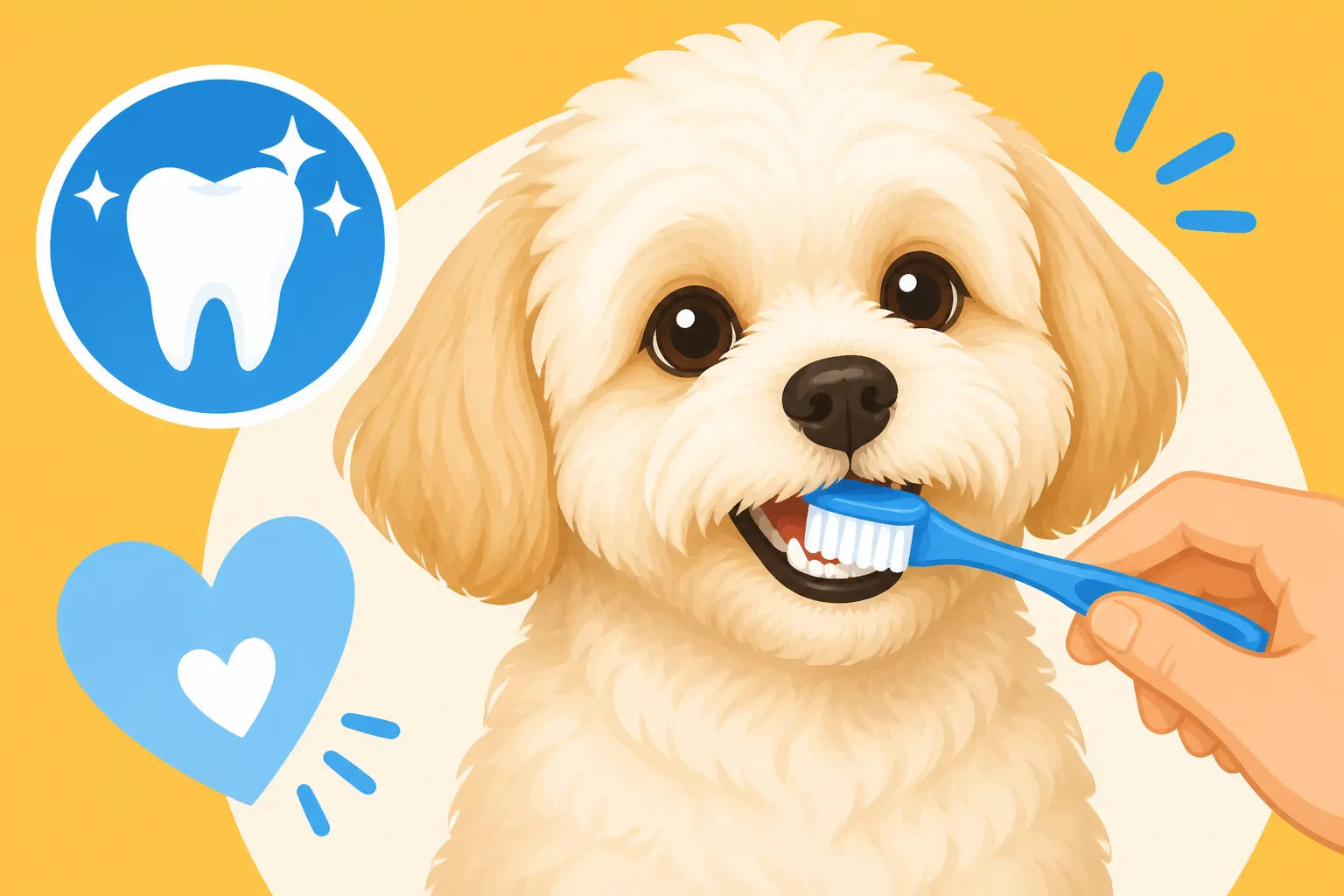
Brushing a Maltipoo’s Teeth Every Single Day
One of the most insidious, yet often overlooked, health issues for Maltipoo owners is the silent creep of dental disease. Many of us are told about the importance of regular vet visits and quality food, but the daily ritual of brushing our furry friend's teeth often falls by the wayside, only to discover years later that our beloved companion is in pain and facing costly, extensive procedures. This guide is here to change that narrative, providing you with a comprehensive, realistic approach to making daily dental care a manageable and even enjoyable part of your Maltipoo's life, helping you safeguard their health and happiness for years to come.
Why Daily Brushing Is Non-Negotiable for Your Maltipoo
It's easy to assume that if your Maltipoo isn't actively complaining about their mouth, everything must be fine. But with small breeds like ours, dental problems are almost a guarantee without proactive care. Their tiny mouths are simply not built to fend off plaque and tartar naturally, and what starts as a seemingly minor issue can quickly escalate into a serious health threat that impacts their entire body. Understanding why daily brushing is so critical is the first step in committing to this essential routine.
The Anatomy of a Maltipoo's Mouth
Imagine trying to fit 42 adult human teeth into a mouth the size of a thimble – that's essentially what your Maltipoo's oral landscape looks like. Maltipoos typically have The Forty Two Teeth Crowding a Maltipoo's Jaw, which is the same number of teeth as a much larger dog, packed into a significantly smaller jaw. This crowding creates a perfect storm for dental issues. There's less natural space between teeth, leading to more areas where food particles, plaque, and bacteria can accumulate, hidden away from the cleansing action of saliva or even normal chewing.
This anatomical predisposition means that even with the best diet and occasional dental chews, these tiny crevices and overlaps become havens for plaque. Plaque is a sticky film of bacteria that forms constantly. If not removed within 24-48 hours, it hardens into tartar (calculus), which is a rough, porous substance that adheres firmly to the tooth surface. Tartar cannot be removed by brushing alone; it requires professional scaling under anesthesia. The problem compounds quickly, as more tartar provides more surface area for new plaque to attach, accelerating the cycle of decay and gum disease.
The Silent Threat: Periodontal Disease
Once tartar forms, it acts like a magnet for bacteria, which then begin to irritate and infect the gums, leading to gingivitis. You might notice redness along the gum line, mild swelling, or even a faint odor. This is the first stage of periodontal disease, and thankfully, at this point, it's often reversible with thorough cleaning and improved home care. However, if left unchecked, it progresses. The bacteria migrate beneath the gum line, attacking the supporting structures of the teeth – the bone and ligaments. This advanced stage is called periodontitis.
The progression is heartbreakingly common. As periodontitis takes hold, the gums recede, pockets form around the teeth, and the bone supporting the teeth starts to erode. This is incredibly painful for your Maltipoo, though they are masters at hiding discomfort. You might notice them favoring softer foods, chewing on one side, or becoming less enthusiastic about toys. Eventually, teeth loosen, become infected, and may even fall out. Beyond the mouth, these oral bacteria don't stay put. They can enter the bloodstream and travel to major organs, causing systemic health problems like heart, liver, and kidney disease. It's a direct link, and one that highlights why dental care isn't just about fresh breath; it's about overall health and longevity.
Why the "Wait and See" Approach is a Costly Mistake
Many owners fall into the trap of waiting until they notice a problem – bad breath, visible tartar, or even a loose tooth – before addressing dental care. Unfortunately, by then, the damage is often extensive and irreversible without significant veterinary intervention. A professional dental cleaning for a Maltipoo, which always requires general anesthesia, can be a considerable expense. The cost escalates further if extractions are needed, or if other complications arise. What a Routine Maltipoo Dental Runs can vary widely, but it's rarely a minor bill, especially when multiple teeth are affected.
More importantly, the "wait and see" approach means your Maltipoo has likely been living with chronic pain and inflammation for months, if not years. They suffer in silence, and their quality of life diminishes. Investing a few minutes daily in brushing is a small price to pay to prevent this suffering and avoid potentially life-threatening systemic infections. Think of it as preventative medicine. Just like you wouldn't wait for your own teeth to ache before brushing, your Maltipoo needs that same consistent preventative care to truly thrive. Trying to catch up on years of neglect in one veterinary visit is not only financially burdensome but also much harder on your pet.
Getting Started: The Right Tools for Tiny Teeth
Embarking on a daily dental routine for your Maltipoo doesn't require a trip to a specialty store, but it does mean picking out the right equipment. Using human toothbrushes or pastes is a big no-no, as they are not designed for canine anatomy or their unique digestive systems. Investing in quality, dog-specific products is crucial for both effectiveness and safety.
Choosing the Right Toothbrush
For a Maltipoo's tiny mouth, the size and design of the toothbrush are paramount. Standard dog toothbrushes are often too large and cumbersome to navigate around those crowded teeth and reach the back molars. Look for brushes specifically designed for small breeds or even cats. Many pet supply stores, like Chewy, offer a good selection.
- Finger Brushes: These slip over your fingertip and offer excellent control and direct contact. They're soft, gentle, and can be less intimidating for a puppy or a dog new to brushing. They're great for getting your Maltipoo used to the sensation of something in their mouth, but they might not provide the best scrubbing action for tough plaque.
- Small, Dual-Headed Brushes: These often have two brush heads at different angles, making it easier to reach various surfaces of the teeth. The bristles should be soft to avoid irritating delicate gums. Look for brushes with a handle that allows you to easily maneuver in a small space.
- Electric Toothbrushes for Pets: While a bigger investment, some owners find these incredibly effective. They use sonic vibrations to break down plaque, requiring less manual scrubbing. However, they can be noisy and vibrate intensely, which some Maltipoos might find alarming initially. If considering one, introduce it very slowly and ensure your dog is comfortable with the vibrations before actual brushing.
Ultimately, the best toothbrush is the one you can consistently use effectively. The Brush and Paste That Fit a Maltipoo's Mouth will be something you find comfortable to hold and manipulate, and that your Maltipoo tolerates well. Don't be afraid to try a couple of different styles to see what works best for both of you.
Dog-Specific Toothpaste: Flavors and Formulations
This is a non-negotiable item. Never use human toothpaste on your Maltipoo. Human toothpaste often contains fluoride, xylitol (a sugar substitute toxic to dogs), and detergents that are safe for humans to spit out but highly toxic if swallowed by a dog. Your Maltipoo will swallow the toothpaste, so it must be safe for ingestion.
Dog toothpastes are formulated with pet-safe ingredients and come in flavors that are appealing to dogs, like poultry, beef, peanut butter, or even mint. The enzymatic formulas in many dog toothpastes also help break down plaque and kill bacteria, adding an extra layer of protection even if your brushing technique isn't perfect.
Brands like Virbac C.E.T. and Petrodex are widely available and well-regarded for their enzymatic properties. You can often find these readily on sites like Amazon or at your local pet store. Experiment with a few flavors to see which one your Maltipoo enjoys the most – this can make a huge difference in their willingness to cooperate. The flavor acts as a motivator and a reward in itself!
Beyond Brushing: Supplementary Dental Aids
While daily brushing is the gold standard, supplementary dental aids can provide additional benefits or act as a helpful interim solution for specific challenges. However, it's crucial to manage expectations: these are supplements, not replacements, for manual brushing.
- Dental Chews: There are many dental chews on the market designed to reduce plaque and tartar. Look for chews that are veterinarian-approved by organizations like the Veterinary Oral Health Council (VOHC). These products have undergone testing to prove their efficacy. Whether Dental Chews Do Anything for a Maltipoo often depends on the individual product and how diligently it's used. Choose a size appropriate for your Maltipoo – too large and they won't get the proper abrasion; too small and it could be a choking hazard. Always supervise your Maltipoo when they're enjoying a dental chew to prevent choking or gulping. Brands like Greenies or OraVet chews are popular choices.
- Water Additives: These are solutions you add to your Maltipoo's drinking water, designed to reduce bacteria and freshen breath. They contain ingredients that inhibit plaque growth. While they are easy to use, their effectiveness can vary, and they don't replace the mechanical action of brushing. They work best as part of a multi-faceted dental routine.
- Dental Wipes: Impregnated with dental cleaning solutions, these wipes can be useful for quickly cleaning the outer surfaces of teeth, especially if your Maltipoo is resistant to a brush. They're also great for puppies or for getting your dog used to the sensation of having their teeth touched. They are generally less effective than brushing, but certainly better than doing nothing at all.
- Oral Gels and Sprays: These can be applied directly to the teeth and gums. Some contain enzymes or antiseptic ingredients to fight bacteria and freshen breath. They are particularly good for targeting specific areas of concern or for dogs who absolutely won't tolerate a brush. Ollie, known for its fresh food delivery, also emphasizes overall pet health, and while they may not offer direct dental products, their philosophy aligns with comprehensive well-being that includes preventative care.
Remember, the goal is to create the healthiest oral environment possible for your Maltipoo. A combination of daily brushing, regular vet checks, and appropriate dental supplements offers the best defense against periodontal disease.
Making it a Positive Experience: Training Your Maltipoo for Brushing
The idea of brushing your Maltipoo's teeth daily might feel daunting, especially if your dog isn't used to having their mouth handled. But with patience, positive reinforcement, and a gradual approach, it can become a calm, even enjoyable, routine for both of you. The key is to introduce it slowly and make every step a rewarding experience.
Starting Early: Puppyhood is Key
If you have a Maltipoo puppy, you're in an ideal position to start early. Puppies are generally more adaptable and open to new experiences than adult dogs. Starting Tooth Brushing on a Maltipoo Puppy as soon as they settle into their new home, typically around 8-10 weeks, will set them up for a lifetime of good oral hygiene. At this age, you're not necessarily aiming for a perfect brush, but rather for positive association and desensitization.
Begin by simply touching their muzzle and then gently lifting their lip for a second, immediately followed by a high-value treat and praise. Repeat this several times a day for a few days. The goal is to teach them that mouth handling equals good things. Once they're comfortable with that, you can introduce your finger. Dip your finger in a tiny bit of dog toothpaste and let them lick it off. Then, gently rub your finger over their gums and teeth. Keep these sessions very short – just a few seconds – and always end on a positive note, even if you only managed one swipe. The younger you start, the less likely you'll encounter resistance later.
Gradual Introduction: The Lick, Touch, Brush Method
For adult Maltipoos or those not accustomed to mouth handling, a slow, systematic approach is crucial. This "lick, touch, brush" method breaks down the process into manageable steps, building confidence and trust along the way.
- Introduce the Toothpaste: Let your Maltipoo lick a tiny bit of dog toothpaste off your finger or a small spoon. Repeat this a few times over several days, making it a delicious treat. This helps them associate the taste with a positive experience.
- Finger Rubs: Once they love the toothpaste, put a small amount on your finger and gently rub it along their outer gums and teeth. Don't worry about getting every tooth yet; just focus on acceptance. Praise and treat immediately. Do this for a few days until they are completely relaxed with your finger in their mouth.
- Introduce the Brush (No Paste): Let your Maltipoo investigate the toothbrush. Let them lick it, sniff it. Then, very gently, just touch the brush to their lips, then to their outer teeth, without paste or scrubbing. Immediately reward. The goal is to desensitize them to the object.
- Brush with Paste: Now, combine the toothbrush with the paste. Apply a small amount of dog toothpaste to the brush. Gently lift your Maltipoo's lip and brush just a few teeth, perhaps only the front ones, for a couple of seconds. Make sure to praise enthusiastically and give a treat.
- Increase Duration and Coverage: Over several days or weeks, gradually increase the number of teeth you brush and the duration of each session. Work up to brushing all surfaces of their teeth – front, sides, and back. Always remain calm and patient. If your Maltipoo shows any signs of stress or resistance, stop, take a break, and go back to an earlier step where they were comfortable. It's better to progress slowly than to rush and create a negative association.
Positive Reinforcement: Treats and Praise
Positive reinforcement is the cornerstone of successful dental training. Every single interaction should be associated with something good.
- High-Value Rewards: Have special, high-value treats on hand that your Maltipoo only gets for dental care. Small pieces of cooked chicken, cheese, or their favorite soft treat work wonderfully. The moment you finish a segment of brushing, even if it's just a few seconds, offer the treat.
- Verbal Praise and Affection: Use a happy, soothing voice throughout the process. Tell them what a good dog they are. Follow up each session with cuddles and playtime if that's what your Maltipoo loves. The more positive associations you build, the more cooperative they will become.
- Consistency is Key: Daily short sessions are far more effective than infrequent, long, struggle-filled ones. Aim for a specific time each day – perhaps after a meal or before bedtime – so it becomes a predictable part of their routine. If you miss a day, don't fret, just pick it back up the next day. The cumulative effect of consistent positive experiences will pay off. Your Maltipoo will learn that brushing is a quick, easy process that leads to delicious rewards and affection, not a battle.
The Daily Ritual: A Step-by-Step Guide to Brushing
Once your Maltipoo is accustomed to the tools and the process, integrating daily brushing into your routine becomes a smooth, efficient ritual. The goal is thoroughness without causing stress, focusing on the areas where plaque and tartar are most likely to accumulate.
Setting the Scene: Comfort and Calm
Before you even pick up the brush, prepare the environment. Choose a quiet time and place where you won't be interrupted and where your Maltipoo feels secure. This could be on your lap, on a towel on the bathroom counter, or even on the floor next to you.
- Comfortable Positioning: For many Maltipoos, sitting on their owner's lap or being gently cradled can provide comfort. If you're standing, you might place them on a raised surface like a sturdy table with a non-slip mat, which can make it easier to reach their mouth without straining your back. The key is to ensure they are stable and don't feel like they might fall.
- Gather Your Tools: Have everything within arm's reach: your small dog toothbrush, the flavored dog toothpaste, and those high-value treats. Pre-squeezing a small pea-sized amount of toothpaste onto the brush before you start can prevent fumbling.
- Calm Demeanor: Your energy will directly influence your Maltipoo's. If you're stressed or rushed, they'll pick up on it. Take a deep breath, speak in a calm, reassuring voice, and approach the task with a gentle touch. This is a moment of connection, not a chore.
Targeting Each Tooth: Front, Sides, and Back
The actual brushing technique for a Maltipoo focuses on gentle scrubbing, reaching all accessible surfaces.
- Start with the Outer Surfaces (Cheeks): Gently lift your Maltipoo's upper lip. Position the toothbrush bristles at a 45-degree angle to the gum line, aiming slightly under the gum. Use small, gentle, circular motions to brush the teeth and gum line. Focus on the canine teeth (the long pointy ones) and the molars at the back, as these tend to accumulate the most plaque. Work your way from one side of the mouth to the other.
- Move to the Inner Surfaces (Tongue Side): This can be a bit trickier, as your Maltipoo's tongue will be in the way. For the upper jaw, gently tilt their head back slightly. For the lower jaw, you may need to gently pull their lower lip down. Do your best to reach these surfaces, using the same gentle, circular motions. Don't worry if you can't get every single inner surface perfectly every time; the outer surfaces are generally the most critical.
- Brush the Front Teeth: These are usually the easiest to reach. Gently lift the lip and brush with small circular motions.
- Angle Matters: Remember to angle the brush so the bristles reach the gum line. This is where plaque loves to hide and where periodontal disease begins. Pay extra attention to the back teeth, as they are often the hardest to reach and can accumulate significant tartar.
- Be Gentle: You're aiming to remove plaque, not scrub aggressively. Harsh brushing can irritate gums and make your Maltipoo resistant to future sessions. If you see any bleeding, stop and consult your vet.
How Long is Long Enough?
When you're trying to brush a wriggly Maltipoo's teeth, every second can feel like an eternity! However, you don't need to spend an excessive amount of time. Aim for one to two minutes of actual brushing time per session.
- Consistency Over Duration: It's far more effective to consistently brush for a short period daily than to attempt a marathon session once a week. Daily removal of plaque prevents it from hardening into tartar.
- Focus on the Problem Areas: If you're short on time, prioritize the outer surfaces of the canine teeth and the back molars, as these are typically the most problematic areas.
- Break It Down: If your Maltipoo struggles with a full two-minute session, break it into two 30-second to one-minute sessions throughout the day, perhaps one in the morning and one in the evening. This might be more manageable for a nervous dog.
- Watch for Cues: Pay attention to your Maltipoo's body language. If they become overly agitated, start panting heavily, or try repeatedly to pull away, it's better to end the session on a positive note, even if it's shorter than planned. You can always try again later or shorten your expectations for that day. The goal is to build a positive habit, not to conquer their resistance through force.
Common Challenges and How to Overcome Them
Let's be real, daily tooth brushing isn't always smooth sailing, even with the most dedicated owners and cooperative Maltipoos. There will be days when your little one just isn't having it, or you feel like you're fighting a losing battle. It's normal to face hurdles, but understanding how to navigate them can keep you on track.
The "I Hate It" Maltipoo: When Resistance is Strong
So, you've tried the gradual approach, the yummy toothpaste, the treats, and your Maltipoo still acts like you're trying to wrestle a dragon every time the toothbrush appears. This strong resistance can be incredibly frustrating and disheartening.
- Re-evaluate and Restart: If your Maltipoo is genuinely distressed, it might be time to take a step back. Go all the way back to square one: simply letting them lick toothpaste off your finger, with no pressure or expectation of brushing. Rebuild that positive association. Remember, any progress, no matter how small, is a win.
- Change the Toothpaste Flavor: Sometimes, it's as simple as they don't like the flavor. Try a different brand or taste. Many brands, available on Chewy or at your local pet store, offer variety packs for this reason.
- Try a Different Tool: If the toothbrush is the antagonist, switch to a finger brush or a dental wipe for a while. The texture and feel might be less intimidating. It's better to get some cleaning done with a less ideal tool than no cleaning at all.
- Shorten Sessions Drastically: Even 10-15 seconds of brushing can make a difference if done daily. Just focus on the most accessible teeth and the gum line.
- Consider a Professional Dental Cleaning First: If there's already significant plaque, tartar, or gum inflammation, brushing can be painful. A professional cleaning under anesthesia can remove the existing buildup, alleviating pain and making home brushing much more comfortable and effective afterward. Your vet might even suggest Whether a Maltipoo's Teeth Need Pulling at a Year if there are persistent baby teeth causing crowding, which can make brushing harder.
Dealing with Anxiety and Fear
Some Maltipoos aren't just resistant; they're genuinely anxious or fearful about the process. This can manifest as trembling, trying to hide, or even snapping (though this is rare with proper desensitization). Fear often stems from a negative past experience or simply a lack of early positive exposure.
- Desensitization and Counter-Conditioning: This is a powerful training technique. Start by showing them the toothbrush from a distance, then immediately give a treat. Gradually bring the brush closer, always pairing it with a treat, until it touches their muzzle, then their lips. Never force it. If they show fear, increase the distance or shorten the session. The goal is to change their emotional response from fear to anticipation of a treat.
- Calming Aids: In some cases, a calming pheromone spray (like Adaptil) or a thundershirt might help reduce overall anxiety during the training period. Discuss this with your vet if anxiety is severe.
- Create a Routine: Dogs thrive on predictability. Establish a clear routine for brushing, always at the same time and place. This can help reduce anxiety as they know what to expect.
- Seek Professional Help: If you're struggling to overcome severe anxiety or aggression, consult with a professional dog trainer or a veterinary behaviorist. They can provide tailored guidance and techniques to help your Maltipoo become more comfortable.
When Life Gets in the Way: Maintaining Consistency
We all lead busy lives, and sometimes, despite our best intentions, things like travel, illness, or simply an overwhelming schedule can throw off our daily routines. The fear is that once you miss a few days, it's easy to fall completely off the wagon.
- Prioritize and Adapt: Think of daily dental care as just as important as feeding your Maltipoo. If you're traveling, pack your Maltipoo's toothbrush and toothpaste just like you would their food bowl. If you're having a particularly hectic day, even a 30-second swipe of the most critical teeth is better than nothing.
- Delegate (Carefully): If you're going out of town, ensure your pet sitter or family member is capable and willing to brush your Maltipoo's teeth. Provide clear instructions and demonstrate the technique.
- Use Supplements on "Off" Days: On days when a full brushing session truly isn't possible, lean on your supplementary dental aids. A dental chew (like those from Greenies or Purina DentaLife, easily found on Amazon) or a water additive can offer some minimal protection until you can resume full brushing. This is where your "backup plan" tools come in handy.
- Don't Guilt Trip: If you miss a day or even a few, don't beat yourself up. Just recommit and get back to it. Perfection isn't the goal; consistent, dedicated effort is. The cumulative effect of most days being brushed far outweighs the occasional missed one.
Recognizing the Red Flags: When to Call the Vet
While daily brushing is your best defense, it's not a magical shield against all dental problems. Sometimes, despite your best efforts, issues can arise, or you might need a professional touch. Knowing when to escalate your concerns to your veterinarian is crucial for your Maltipoo's health.
Signs of Developing Dental Disease
Even with daily brushing, it's important to keep an eye out for any changes in your Maltipoo's mouth or behavior that could signal trouble. Their small size makes them particularly vulnerable.
- Persistent Bad Breath (Halitosis): This is the most common and often the first noticeable sign. While "dog breath" is a common phrase, genuinely foul, persistent odor is a strong indicator of bacterial overgrowth and infection in the mouth. Whether a Maltipoo's Breath Means Dental Disease is almost always yes. It means bacteria are thriving.
- Red, Swollen, or Bleeding Gums: Healthy gums should be a pale pink (unless your Maltipoo has naturally pigmented gums). Redness, puffiness, or any bleeding during brushing or eating is a sign of inflammation or infection (gingivitis).
- Yellow or Brownish Tartar Buildup: While brushing helps, if you notice significant hard, discolored buildup, especially on the back teeth or near the gum line, it's a clear sign that professional cleaning is needed.
- Loose or Missing Teeth: This is a sign of advanced periodontal disease where the supporting structures of the tooth have been severely compromised. You might even find a tooth on the floor or embedded in a toy.
- Difficulty Eating or Chewing: Your Maltipoo might drop food, chew on only one side of their mouth, whine while eating, or show a reluctance to eat hard kibble or chews they once loved.
- Paw at the Mouth or Face Rubbing: These are classic signs of oral pain or discomfort.
- Changes in Behavior: Increased irritability, lethargy, or reluctance to be touched around the face can all be indicators of dental pain.
If you observe any of these signs, don't delay – schedule an appointment with your veterinarian.
The Importance of Regular Vet Check-ups
Even with diligent home care, regular professional veterinary dental examinations are essential. Think of it like your own dental check-ups – you brush daily, but you still need a dentist to spot issues you can't see and perform deep cleaning.
- Annual Dental Exams: During your Maltipoo's annual wellness check, your vet will perform a basic oral examination. They'll look for visible plaque, tartar, gum inflammation, and any obvious abnormalities.
- Professional Cleaning Under Anesthesia: For most Maltipoos, a professional dental cleaning every 1-3 years (depending on their individual needs and your home care diligence) will be recommended. This is more than just a cleaning; it's a complete oral health assessment. Under anesthesia, your vet can thoroughly examine every tooth, probe for pockets under the gum line, and take dental X-rays to assess the health of the tooth roots and bone beneath the gums – areas impossible to check while your dog is awake.
- Early Intervention: These regular check-ups allow your vet to catch problems early, before they become severe, painful, and costly. How Often a Maltipoo Needs a Dental is a conversation you'll have with your vet, taking into account their age, previous dental history, and your home care routine. Early intervention can prevent tooth loss and systemic disease.
Understanding Anesthesia for Dental Procedures
The thought of your tiny Maltipoo undergoing anesthesia for a dental procedure can be incredibly anxiety-inducing for owners. It's a valid concern, and it's important to discuss all aspects with your veterinarian.
- Risks vs. Benefits: While anesthesia always carries some risk, for small breeds like Maltipoos, the risks are generally minimal when proper protocols are followed, and the benefits of a healthy mouth far outweigh the risks of untreated dental disease. The pain and systemic illness caused by severe dental disease can be far more detrimental to your Maltipoo's health and longevity.
- Pre-Anesthetic Bloodwork: Your vet will recommend blood tests before anesthesia to ensure your Maltipoo's organs (especially kidneys and liver) are functioning properly and can safely metabolize the anesthetic agents. What Pre Anesthetic Bloodwork Adds for a Maltipoo is a crucial part of minimizing risk.
- Careful Monitoring: During the procedure, your Maltipoo will be closely monitored by trained veterinary staff. Their heart rate, respiratory rate, blood pressure, and oxygen levels will be continuously tracked. Many clinics use advanced monitoring equipment similar to what's used in human medicine.
- Intravenous Fluids: Your Maltipoo will typically have an IV catheter placed and receive fluids during the procedure. This helps maintain blood pressure and hydration and allows for quick administration of emergency medications if needed.
- Warmth and Recovery: Keeping small dogs warm during and after anesthesia is vital, as they can lose body heat quickly. Your vet clinic will have protocols in place to ensure your Maltipoo stays warm and recovers comfortably.
- Special Considerations for Tiny Maltipoos: Whether a Maltipoo Under Five Pounds Can Be Anesthetized is a common question. While smaller dogs can be more challenging to anesthetize due to their size and metabolism, experienced vets and technicians are well-equipped to handle this. It often requires more precise dosing and vigilant monitoring. Don't hesitate to ask your vet about their specific protocols for small breed anesthesia.
The Long-Term Benefits of Daily Dental Care
It's easy to get caught up in the daily grind of brushing and feel like it's just another chore. But stepping back and appreciating the profound, long-term benefits of consistent dental care can be incredibly motivating. This isn't just about sparkling teeth; it's about the entire quality and length of your Maltipoo's life.
Preventing Pain and Discomfort
Imagine living with a constant toothache, sore gums, or an infection in your mouth. This is the reality for countless dogs suffering from untreated dental disease. They can't tell us in words, but their behavior often signals their silent struggle. Daily brushing helps prevent this suffering by keeping their mouths clean and healthy.
When you regularly remove plaque and prevent tartar buildup, you significantly reduce the risk of gingivitis and periodontitis. This means fewer inflamed gums, less pain when chewing, and a mouth free from the constant irritation of bacteria. A Maltipoo with a healthy mouth is a happier, more energetic Maltipoo. They'll enjoy their meals more, be more enthusiastic about playing with toys, and won't flinch when you gently touch their face. This improved comfort directly translates into a better quality of life, allowing them to fully engage with their world and with you, without the shadow of oral pain.
Extending Your Maltipoo's Lifespan
This might sound like a bold claim, but the link between oral health and overall systemic health is well-established in veterinary medicine. Periodontal disease isn't just a localized problem; it's a source of chronic inflammation and infection that can have far-reaching effects on your Maltipoo's vital organs.
The bacteria from infected gums can travel through the bloodstream to the heart, kidneys, and liver, potentially contributing to serious conditions. For example, bacterial endocarditis (an infection of the heart valves) has been linked to severe dental disease. Kidney and liver function can also be compromised by the constant bacterial load. By diligently brushing your Maltipoo's teeth every day, you are not just preventing bad breath and tooth loss; you are actively protecting their internal organs from damage. This proactive approach to health can genuinely add healthy, happy years to The Twelve to Fifteen Years a Maltipoo Lives. Investing in their dental health is truly investing in their longevity. Whether Dental Disease Shortens a Maltipoo's Life is a resounding yes, making daily care an essential component of a long, healthy life.
Saving on Costly Veterinary Bills
While the initial investment in a toothbrush and toothpaste is minimal, and daily time commitment is free, the financial savings over your Maltipoo's lifetime can be substantial. Preventative care is almost always less expensive than reactive treatment.
Consider the potential costs of untreated dental disease:
- Multiple professional cleanings: If plaque and tartar accumulate rapidly, your Maltipoo might need more frequent, costly anesthetic cleanings.
- Tooth extractions: These are common with advanced periodontal disease and add significantly to the cost of a dental procedure. What Extractions Cost on a Maltipoo can quickly escalate, especially if multiple teeth are affected, which often is the case with crowded small-breed mouths.
- Medications: Antibiotics for infections, pain relief post-extraction, or even long-term medications for secondary organ damage.
- Specialist care: In severe cases, your Maltipoo might need to see a veterinary dental specialist.
By consistently brushing their teeth, you drastically reduce the likelihood of these expensive interventions. While routine professional cleanings will still be necessary, daily home care can extend the time between those cleanings and reduce the severity of issues found, potentially saving you thousands of dollars over your Maltipoo's lifetime. It's a small daily effort that pays enormous dividends, both in your Maltipoo's health and your wallet.
| Dental Care Item | Description | Pro (Prevention) | Con (Neglect) |
|---|---|---|---|
| Daily Brushing | Manual removal of plaque and food debris with pet toothpaste. | Prevents plaque hardening, freshens breath, maintains gum health. | Leads to tartar buildup, gingivitis, and bad breath. |
| Pet Toothpaste | Enzymatic formula, safe for ingestion, appealing flavors. | Effectively breaks down plaque, makes brushing more enjoyable. | Human toothpaste is toxic; plain water brushing is less effective. |
| Small Toothbrush | Designed for tiny mouths, soft bristles, finger or traditional. | Reaches all tooth surfaces, gentle on gums. | Too large brushes cause discomfort, miss critical areas. |
| Dental Chews | VOHC-approved chews with abrasive action. | Helps reduce plaque and tartar, provides enrichment. | Not a substitute for brushing, non-VOHC chews may be ineffective or harmful. |
| Water Additives | Solutions added to drinking water to inhibit bacteria. | Reduces bacterial growth, helps freshen breath. | Limited effectiveness alone, doesn't remove existing plaque/tartar. |
| Vet Dental Exam | Annual check-up, oral assessment, potential X-rays. | Catches issues early, allows for preventative professional cleaning. | Misses hidden problems, allows disease to progress silently. |
| Professional Clean | Anesthetic scaling, polishing, sub-gingival cleaning by vet. | Removes hardened tartar, addresses deep pockets, prevents tooth loss. | Severe pain, extensive extractions, systemic health problems (heart, kidney). |
Disclaimer
This article is for general informational purposes only and does not constitute professional advice. Laws, prices and regulations vary by location and change over time. Consult a qualified professional for guidance on your specific situation.