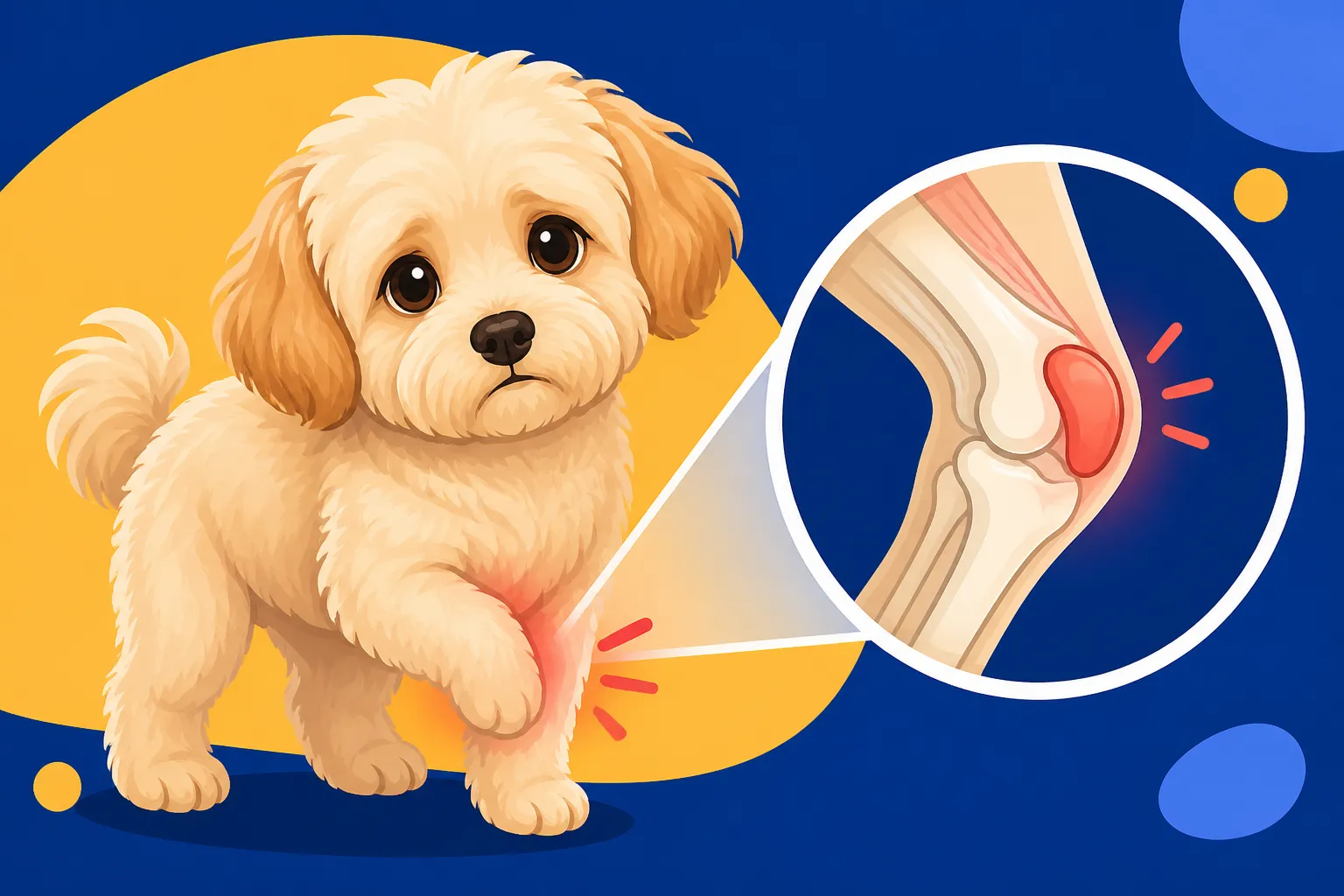
Slipping Kneecaps in a Maltipoo
One of the most heart-wrenching concerns for any Maltipoo parent is seeing their little companion suddenly skip, hold up a leg, or even cry out in pain while doing something as simple as running across the living room. This common orthopedic issue, known as patellar luxation or slipping kneecaps, can cause significant discomfort and anxiety, making everyday activities a challenge. This comprehensive guide aims to demystify slipping kneecaps in Maltipoos, covering everything from understanding the condition to managing it effectively and preventing further complications.
Understanding Luxating Patella in Maltipoos
It's a scary moment when your playful Maltipoo suddenly yelps or starts hobbling, leaving you wondering what on earth just happened. Often, the culprit is a luxating patella, a condition that sounds far more complex than it is once you understand the mechanics. For Maltipoo owners, especially those with smaller dogs that might be labeled as a "teacup Maltipoo," this isn't just a concern, it's a reality that many will face at some point.
What Exactly is a Luxating Patella?
Let's break it down in simple terms. Your dog's knee joint, just like yours, has a kneecap (patella) that sits in a groove at the end of the thigh bone (femur). This kneecap is supposed to slide smoothly up and down within that groove as the knee bends and straightens, acting like a pulley to help extend the leg. When we talk about a luxating patella, it means that this kneecap has, for one reason or another, jumped out of its designated groove. "Luxating" is just a fancy veterinary term for dislocating. It can pop out to the inside (medial luxation, which is most common in small breeds like Maltipoos) or to the outside (lateral luxation, less common).
Imagine a train running on a track. The kneecap is the train, and the femoral groove is the track. If the track isn't deep enough, or if the train's wheels aren't quite aligned, the train can derail. When a Maltipoo's kneecap luxates, it can be a momentary skip, where it pops back in on its own, or it can be a more persistent issue, requiring manual manipulation or even surgery to get it back into place. The sudden "skip" in their step or lifting of a leg is often your pup trying to extend the leg and pop the kneecap back into its rightful position, which they sometimes learn to do themselves.
Why Maltipoos Are So Prone to This Condition
It often feels unfair that our beloved Maltipoos seem to draw the short straw when it comes to certain health issues, and luxating patellas are definitely one of them. While any dog can develop this condition, it's overwhelmingly prevalent in small and toy breeds. Our sweet Maltipoos inherit this predisposition from both their Maltese and Poodle lineage, as both parent breeds are known for this particular orthopedic challenge.
The primary reason boils down to genetics and the way their little legs are formed. In many small breeds, the femoral groove where the patella sits is often too shallow. Think of it like a very shallow ditch – it's easy for the kneecap to just slip right out. Additionally, the alignment of the bones in their hind legs can be slightly off. The upper part of the tibia (shin bone) might rotate inward, pulling the patellar ligament (which connects the kneecap to the shin bone) out of line, causing the kneecap to dislocate medially. This structural abnormality is typically present from birth, though symptoms might not appear until they're older puppies or even young adults. It’s not something you necessarily caused by letting them jump off the sofa, though such activities can certainly exacerbate an existing condition.
Some people also wonder if the pursuit of smaller and smaller sizes, particularly with the "teacup" designation, might play a role. While it's true that smaller dogs overall have a higher incidence, it's more about specific genetic predispositions within the breed lines than just overall size. The reality is, if you have a Maltipoo, regardless of whether you paid "what a teacup Maltipoo costs" or "what a toy Maltipoo costs", you should be aware of this potential issue. Responsible breeders will often screen their breeding dogs for patellar luxation, providing certifications to show that their dogs are free from or have a low grade of this condition.
Recognizing the Signs and Symptoms
Catching a luxating patella early can make a world of difference in managing the condition and potentially delaying or even avoiding surgical intervention. It's often the subtle changes in your Maltipoo's movement that are the first clues, and as a diligent pet parent, you're usually the first to notice something isn't quite right.
The Skip and Hop in Your Maltipoo's Gait
This is perhaps the most classic and widely recognized sign of a luxating patella, especially in its earlier, milder forms. You'll observe your Maltipoo running or walking along, seemingly fine, and then suddenly, they'll pick up one of their hind legs for a step or two, holding it up as if avoiding touching the ground. Then, just as abruptly, they'll put the leg back down and continue on their way as if nothing happened, often with a little hop to 'reset' the kneecap. This "skip" or "hop" is your dog's way of trying to extend the leg in a specific manner to allow the kneecap to slide back into its groove on its own. It might last only a second or two, or a few steps.
This intermittent lameness can be perplexing because it's not constant. Your Maltipoo might have a good day with no skips, followed by a day where they skip frequently. You might notice it more after they've been resting or when they're particularly excited and running around. It's often not accompanied by obvious pain in the initial stages, which can make it easy to dismiss. However, even these small, transient skips are a strong indicator that something is amiss with their knee joint. Keeping a mental note or even a small log of when and how often you see this can be incredibly helpful information for your veterinarian. It’s also important to differentiate this from a momentary stumble or playful antics; a luxating patella skip is typically very distinct and repetitive.
Pain, Swelling, and Reluctance to Move
While the occasional skip is a tell-tale sign of lower grade luxation, more severe or persistent luxations can manifest with clearer, more distressing symptoms. If your Maltipoo's kneecap is repeatedly popping out and staying out for longer periods, or if the cartilage and bone around the groove are becoming irritated and damaged, you'll start to see signs of genuine discomfort. This is when the playful skipping might turn into something more serious, potentially leading to a more sedentary lifestyle for your once active pup.
You might notice your Maltipoo exhibiting obvious signs of pain, such as crying out when trying to bear weight on the affected leg, whimpering when you touch their knee, or becoming unusually irritable. Swelling around the knee joint can sometimes be visible or palpable, indicating inflammation. A dog with a severely luxated patella might hold their leg up continuously, refusing to put any weight on it at all, or walk with a pronounced limp that doesn't resolve. They might also become reluctant to perform activities they once enjoyed, like jumping on the sofa (even if you've provided Whether a Maltipoo Should Use Steps to the Sofa or climbing stairs. In some cases, the kneecap might be permanently dislocated, causing chronic lameness and making the leg appear bowed or abnormal. These are clear signals that veterinary attention is needed immediately to assess the situation and determine the best course of action.
Diagnosis and Grading of Luxating Patella
Once you suspect your Maltipoo might have a slipping kneecap, the next crucial step is a veterinary visit. Don't delay, as early diagnosis allows for better management and can prevent the condition from worsening or leading to secondary complications like arthritis. Your vet will conduct a thorough examination, which is often surprisingly hands-on for this particular ailment.
The Four Patella Grades and Where a Maltipoo Lands
When your veterinarian examines your Maltipoo for a luxating patella, they'll manually manipulate the kneecap to assess how easily it slips out of its groove and whether it returns on its own. Based on their findings, they will assign a grade from 1 to 4. This grading system is universally used and helps determine the severity of the condition and the recommended course of treatment. Understanding The Four Patella Grades and Where a Maltipoo Lands is key to grasping your dog's prognosis.
Here's a breakdown of the grades:
| Grade | Description | Symptoms Often Seen in Maltipoos | Recommended Action |
|---|---|---|---|
| Grade 1 | The patella can be manually luxated (pushed out) from its groove but immediately returns to its normal position once released. The groove might be slightly shallow. | Occasional skip or hop, usually without pain. Often discovered during routine vet checks. | Conservative management, watchful waiting, weight control, joint supplements. Regular monitoring. |
| Grade 2 | The patella luxates spontaneously or can be manually luxated, but it remains luxated for a short period. It can be returned manually or by the dog extending its leg. The groove is shallow, and there might be slight bone deformation. | More frequent skipping, holding the leg up for several steps, sometimes mild discomfort. May be bilateral. | Conservative management initially, but surgery may be recommended if symptoms worsen or cause pain. |
| Grade 3 | The patella is permanently luxated most of the time. It can be manually returned to the groove, but it will immediately re-luxate (pop out again) when the manual pressure is released. The groove is shallow, and significant bone deformities are present. | Persistent lameness, abnormal gait, bowed legs. Chronic pain is more likely. Reduced mobility. | Surgery is usually recommended to correct the anatomical abnormalities and prevent further damage. |
| Grade 4 | The patella is permanently luxated and cannot be returned to the groove, even manually. The groove is often absent, and severe bone deformities are present, rendering the leg non-functional or severely impaired. | Severe and constant lameness, often cannot bear weight. Significant pain, severely compromised quality of life. Very noticeable leg deformities. | Surgery is almost always necessary, often involving more complex procedures. Prognosis for full recovery can be more guarded due to severe anatomical changes. |
For Maltipoos, Grade 1 and 2 are the most common presentations. It's not unusual for a Maltipoo puppy to be diagnosed with a Grade 1 or 2 luxation during its first few vet visits, even if you haven't noticed significant symptoms yet. This grading system is crucial for determining Whether a Maltipoo's Kneecap Needs Operating, as surgical intervention becomes much more likely with Grades 3 and 4.
Vet Examination and Imaging Techniques
Beyond the manual palpation and grading, your veterinarian will perform a comprehensive physical examination. They’ll observe your Maltipoo's gait, feel for any instability in the knee joint, and check the range of motion. They’ll also check both hind legs, as luxating patella can often affect both knees, sometimes to different degrees. It's not uncommon for a dog to have a Grade 1 in one knee and a Grade 2 in the other.
While the physical exam is often enough to diagnose luxating patella, X-rays are usually recommended, especially if surgery is being considered or if the condition is higher grade. X-rays allow the vet to visualize the bones of the knee joint, assess the depth of the trochlear groove, evaluate the alignment of the femur and tibia, and look for any signs of arthritis or other secondary complications that might have developed due to the chronic instability. They can also rule out other potential causes of lameness, such as Legg-Calve-Perthes disease or fractures, which might present with similar symptoms. In some complex cases, a specialist orthopedic surgeon might recommend a CT scan for a more detailed 3D view of the joint, but this is less common for routine patellar luxation diagnosis. The information gathered from these examinations and imaging techniques will be vital in formulating the most appropriate and effective treatment plan for your beloved Maltipoo.
Conservative Management Options
When your Maltipoo receives a luxating patella diagnosis, especially if it's a lower grade (Grade 1 or 2) and they aren't experiencing significant pain, surgery isn't always the immediate answer. Many owners find relief in knowing there are proactive steps they can take to manage the condition conservatively, often delaying or even avoiding the need for surgery entirely. This approach focuses on minimizing strain on the knee joint and supporting overall joint health.
Weight Management and Exercise Adjustments
One of the most impactful things you can do for a Maltipoo with a luxating patella is to ensure they maintain a healthy weight. Every extra pound puts additional stress on their delicate knee joints, making luxation more likely and potentially increasing pain. If your Maltipoo is even slightly overweight, your vet will likely recommend a weight loss plan. This typically involves carefully controlling their food intake – perhaps feeding them How Many Ounces a Four Pound Maltipoo Eats precisely, rather than eyeballing it – and adjusting treats. Monitoring their weight regularly on a sensitive scale can be very helpful.
Alongside weight management, modifying their exercise routine is crucial. High-impact activities like jumping off furniture, running wildly on slippery floors, or engaging in intense, sudden stops and starts should be limited or eliminated. Instead, focus on low-impact, controlled exercises that build muscle strength around the knee without excessive strain. Short, leash-led walks on soft, even surfaces are ideal. Swimming can also be a fantastic option, as it provides excellent muscle conditioning without any weight-bearing impact on the joints. Avoid activities that involve a lot of twisting or pivoting, as these motions can easily cause the kneecap to pop out. It's about smart, consistent movement, not vigorous bursts of activity.
Supplements and Anti-Inflammatory Medications
Supporting your Maltipoo's joint health from the inside out is another cornerstone of conservative management. Joint supplements containing ingredients like glucosamine, chondroitin, and MSM are often recommended. These ingredients are thought to help maintain cartilage health, reduce inflammation, and support the overall structure of the joint. While they won't "cure" a luxating patella, they can certainly help alleviate discomfort and slow down the progression of arthritis, which is a common secondary complication of chronic luxation. Your vet can recommend specific brands and dosages tailored to your Maltipoo's size and condition. Some owners wonder Whether a Maltipoo Needs Supplements, and in cases of luxating patella, they can be a beneficial part of a holistic approach.
For those days when your Maltipoo is experiencing pain or increased inflammation, your vet might prescribe non-steroidal anti-inflammatory drugs (NSAIDs). These medications can significantly improve their comfort and mobility by reducing swelling and pain. NSAIDs are typically used for flare-ups or for a short course during periods of increased discomfort, rather than long-term daily use, due to potential side effects. Always administer any medication precisely as directed by your veterinarian, and never give human pain medications, as they can be toxic to dogs. Regular check-ups are important when using NSAIDs to monitor your Maltipoo's response and ensure there are no adverse effects.
When Surgery Becomes Necessary
While conservative management can be very effective for lower-grade luxating patellas, there often comes a point where surgical intervention is the best, or only, option to improve a Maltipoo's quality of life. This is especially true for higher-grade luxations or if conservative methods fail to control pain and lameness. The decision for surgery is a significant one, often weighed against the potential risks and the financial investment involved.
Surgical Procedures for Correcting Luxating Patella
The goal of patellar luxation surgery is to correct the anatomical abnormalities that cause the kneecap to slip out of its groove. There isn't just one single procedure; rather, a combination of techniques is often employed, tailored to the individual Maltipoo's specific needs and the nature of their luxation. The type of surgery performed will depend on the severity of the luxation (the grade), the specific bone deformities present, and the preference of the orthopedic surgeon.
One common procedure is trochlear deepening (or trochlear wedge recession/block recession). This involves making the groove in the femur deeper so the kneecap has a more secure track to run in. Another key procedure is tibial tuberosity transposition. The tibial tuberosity is a bony prominence on the shin bone (tibia) where the patellar ligament attaches. If this attachment point is misaligned, the surgeon will cut it, move it to a more appropriate position, and then reattach it with pins, effectively realigning the entire quadriceps mechanism. Additionally, techniques like lateral imbrication (tightening the joint capsule on the outside of the knee) or medial release (releasing tight tissues on the inside of the knee) might be used to further stabilize the kneecap and balance the forces acting on the joint. In some severe cases, particularly with Grade 4 luxations, more advanced osteotomies (bone cutting and reshaping) might be necessary. The specific approach will be discussed in detail by your veterinary surgeon, who specializes in these complex orthopedic corrections.
Preparing Your Maltipoo for Patella Surgery
Once the decision for surgery has been made, preparing your Maltipoo adequately is vital for a smooth process and successful outcome. This preparation begins long before the actual surgery date. Your vet will likely perform pre-anesthetic bloodwork to ensure your Maltipoo is healthy enough to undergo anesthesia and surgery, especially since Whether a Maltipoo Under Four Pounds Survives Anesthesia can be a concern for very small individuals. They might also recommend an electrocardiogram (ECG) to check heart function. Any underlying health issues, such as dental disease, should ideally be addressed prior to orthopedic surgery to minimize complications.
On a practical level, you'll need to follow specific instructions regarding food and water restrictions before surgery to prevent aspiration during anesthesia. Your Maltipoo will need a quiet, comfortable recovery space at home that is easy to keep clean. This might involve setting up a small pen or crate. It's also a good idea to consider how you will restrict their activity post-surgery, which often means no jumping, running, or stairs for several weeks. Investing in ramps or steps for furniture, like the sofa or bed, ahead of time can be very beneficial for their long-term knee health. Discuss all pre-operative concerns and potential post-operative challenges with your vet or the surgical team so you feel fully prepared for the journey ahead.
Post-Operative Care and Recovery
The surgery itself is only one part of the equation; the recovery period for a Maltipoo undergoing patella correction is just as crucial, if not more so, for a successful outcome. It requires immense dedication, patience, and careful adherence to veterinary instructions from you, the pet parent. This phase can be challenging, but seeing your Maltipoo regain their mobility and comfort makes every effort worthwhile.
Managing Pain and Swelling After Surgery
Immediately following surgery, your Maltipoo will be closely monitored by the veterinary team. They will receive pain medication and often anti-inflammatory drugs to manage discomfort and reduce swelling. When your Maltipoo comes home, they will typically be sent with a prescription for oral pain relievers and NSAIDs. It is absolutely critical to administer these medications exactly as prescribed and on schedule, even if your dog seems comfortable. Staying ahead of the pain is much easier than trying to catch up once it’s severe. Never skip doses or run out of medication.
Applying cold compresses to the surgical site for the first 24-48 hours can also help reduce swelling and discomfort. Your vet will instruct you on how to do this safely and effectively. You’ll also need to keep a close eye on the incision site for any signs of infection, such as excessive redness, swelling, discharge, or a foul odor. Prevent your Maltipoo from licking or chewing at the incision by using an Elizabethan collar (e-collar) or a recovery suit. They might hate it, but it’s non-negotiable for proper healing. Restricted activity is paramount during this early phase, meaning strict crate rest or confinement to a small, safe area, with short, controlled leash walks only for potty breaks.
Rehabilitation Exercises and Physical Therapy
Once the initial post-operative swelling and pain subside, usually after the first week or two, your veterinarian or a veterinary physiotherapist will introduce rehabilitation exercises. This is a critical component of recovery that helps rebuild muscle strength, restore range of motion, and improve coordination. Without proper physical therapy, even a perfectly executed surgery might not achieve its full potential. You might wonder Whether a Maltipoo Recovers Fully From Knee Surgery, and the answer largely depends on diligent rehab.
These exercises will start gently and gradually increase in intensity. They might include passive range of motion (PROM) exercises, where you gently bend and extend your Maltipoo's knee, controlled leash walks on soft surfaces, and specific strengthening exercises. For example, short walks up a slight incline or over low obstacles can help engage the quadriceps muscles. Underwater treadmill therapy is also an excellent option if available, as the buoyancy supports the dog's weight while allowing for movement and muscle building. The physiotherapist will guide you through these exercises, providing demonstrations and ensuring you're performing them correctly to avoid injury. Consistency is key here; a few minutes of specific exercises multiple times a day is often more effective than one long, infrequent session. This dedicated rehab phase can last several weeks to a few months, depending on the individual dog and the extent of the surgery.
Long-Term Care and Prevention Strategies
Even after successful surgery and a diligent recovery, the journey isn't over. Long-term care is essential to protect the repaired knee, prevent future luxations (especially in the other leg, if it wasn't operated on), and minimize the development of arthritis. Proactive daily habits and regular veterinary oversight will ensure your Maltipoo enjoys a comfortable and active life.
Lifestyle Adjustments to Protect Your Maltipoo's Knees
Creating a knee-friendly environment for your Maltipoo is a lifelong commitment. High-impact activities, such as repetitive jumping off furniture or down stairs, should be discouraged. Even if your Maltipoo loves to leap, these actions put significant strain on their knee joints and can lead to re-injury or accelerate arthritis. Instead, provide pet ramps or steps for access to sofas, beds, and even cars. This simple investment can save their knees years of wear and tear. If you've ever thought about Whether a Maltipoo Should Use Steps to the Sofa, this is a resounding yes, especially for a dog prone to or recovering from patellar luxation.
Another important consideration is flooring. Slippery surfaces like hardwood, tile, or laminate can cause your Maltipoo's legs to splay, putting stress on their joints and making luxation more likely. Consider runners, area rugs, or non-slip mats in high-traffic areas where your Maltipoo plays or rests. Keeping their nails trimmed short also improves traction. Continue with controlled, low-impact exercise routines like daily leash walks, which help maintain muscle tone without over-stressing the joints. Avoid long periods of intense, unrestricted running or activities involving quick changes in direction.
The Importance of Regular Vet Check-ups
Even after your Maltipoo has fully recovered from surgery, or if they are being managed conservatively, regular veterinary check-ups remain paramount. Your vet will want to monitor the condition of the operated knee, check for any signs of arthritis progression, and assess the other knee, which often has a similar predisposition to luxation. The Yearly Checks a Maltipoo Should Get should definitely include a thorough orthopedic examination, paying close attention to both patellas.
During these visits, your vet can evaluate your Maltipoo's gait, palpate the knee joints, and discuss any changes you've observed at home. They might recommend periodic X-rays to track the development of arthritis or to check the stability of surgical implants if applicable. These check-ups are also an opportunity to discuss ongoing weight management, adjust joint supplement dosages, or address any new symptoms that might arise. Early detection of any new issues, or a worsening of the existing condition, allows for prompt intervention, preventing more serious problems down the line. Consistent communication with your veterinary team is the best way to ensure your Maltipoo maintains optimal knee health throughout their life.
Financial Considerations and Pet Insurance
Dealing with a luxating patella in your Maltipoo isn't just emotionally taxing; it can also be a significant financial undertaking. From diagnosis to surgery and long-term care, the costs can add up quickly. Understanding these potential expenses and exploring options like pet insurance can help you prepare and make informed decisions for your furry family member.
What Patella Surgery Costs on a Six Pound Maltipoo
The cost of patella surgery for a Maltipoo can vary significantly based on several factors: the severity of the luxation, whether one or both knees need surgery, the specific surgical techniques required, the geographic location of the veterinary clinic, and whether a general practitioner or a board-certified orthopedic specialist performs the procedure. Generally, you can expect the cost to range from $1,500 to $5,000 per knee. This might seem like a wide range, but it encompasses the variables.
Breaking down "what patella surgery costs on a six pound Maltipoo," this fee typically includes:
- Pre-operative examinations and diagnostics: This covers initial consultations, bloodwork, and X-rays.
- Anesthesia: Including monitoring by a veterinary technician throughout the procedure.
- The surgery itself: Fees for the surgeon and operating room.
- Medications: Pain management and antibiotics post-surgery.
- Post-operative care: Overnight stays if required, follow-up consultations, and bandage changes.
- Rehabilitation: Initial guidance for exercises, though extensive physical therapy sessions often incur additional costs.
Remember, if your Maltipoo develops the condition in both knees, the cost can effectively double if both require surgery, which is often the case given the genetic predisposition. It's crucial to get a detailed estimate from your veterinarian or the orthopedic specialist upfront so you know what to expect.
Navigating Pet Insurance for Pre-Existing Conditions
When facing the prospect of expensive surgery, many pet parents turn to pet insurance. This can be a lifesaver, but it's important to understand how it works, especially concerning pre-existing conditions. Most pet insurance policies, including those from providers like Healthy Paws, do not cover conditions that were present or showed symptoms before your policy's waiting period ended. This is why it's highly recommended to get pet insurance as early as possible, ideally when your Maltipoo is a puppy, before any health issues manifest. This proactive step is literally Insuring a Maltipoo Before Its Knees Go, which can save you thousands of dollars down the line.
If your Maltipoo has already been diagnosed with a luxating patella, it will likely be considered a pre-existing condition and excluded from coverage for that specific knee. However, it's still worth getting insurance for several reasons:
- Other conditions: Your policy would still cover accidents, other illnesses, or even patellar luxation in the other knee if it's currently healthy and doesn't show symptoms during the waiting period. Some policies, like those from Healthy Paws, may offer coverage for the second knee if the first one was insured before diagnosis, or if a specific period (e.g., 6 or 12 months) has passed since the initial diagnosis with no symptoms in the other knee. It's vital to read the policy's fine print.
- Future ailments: As your Maltipoo ages, other health issues unrelated to their knees could arise, such as dental disease (which can be very expensive) or other breed-specific conditions. Insurance provides a safety net for these unexpected costs.
Always speak directly with pet insurance providers, like Healthy Paws, to understand their specific terms regarding pre-existing conditions and orthopedic issues. Get quotes, compare plans, and choose one that best fits your budget and your Maltipoo's potential health needs.
Disclaimer
The information provided in this guide is for general informational purposes only and is not a substitute for professional veterinary advice. Always consult with a qualified veterinarian for any health concerns or before making any decisions related to your Maltipoo's medical care.