Caring for a Maltipoo Past Ten
When your Maltipoo crosses the threshold of ten years old, subtle changes begin to shift the rhythm of your home. You might notice a slight hesitation before a leap onto the couch, a cloudy film over those dark expressive eyes, or an extra hour of deep sleep in the morning sun. Senior care presents a unique set of challenges that can feel overwhelming, but understanding these golden years allows you to adapt gracefully. This guide solves the uncertainty of caring for a aging small breed by covering nutrition, physical mobility, senior health monitoring, and emotional well-being so your companion stays safe, comfortable, and cherished.
Understanding the Aging Process in Senior Maltipoos
Physical Changes and Slowing Down
Aging in a small companion dog does not happen overnight, yet many owners find themselves surprised when their vibrant companion suddenly displays the classic physical markers of senior life. A Maltipoo reaching double digits undergoes internal metabolic and cellular shifts that alter how energy is burned and stored. Muscles that once propelled high-speed zoomies around the living room begin to lose tone, leading to a leaner frame or, conversely, rapid weight gain if calorie intake isn’t adjusted. You might notice your dog resting longer after a brief walk or taking a little extra time to push up from a lying position on hardwood floors.
The joint cartilage that acts as a natural shock absorber inevitably wears thin over a decade of scampering. This wear and tear often manifests as stiffness, particularly during cold mornings or after long naps. It is easy to mistake this slowing down for simple laziness, but in reality, it is a physiological response to discomfort and reduced stamina. Paying close attention to these early physical cues ensures you can intervene with supportive care before minor discomfort turns into significant mobility loss.
Furthermore, internal organs experience age-related fatigue. The cardiac system may start showing signs of valve degradation, while the kidneys work less efficiently at filtering waste products. Recognising that these physical changes are a natural progression rather than a sudden emergency helps you maintain perspective while taking proactive steps with your veterinarian.
Cognitive Shift and Nighttime Restlessness
Cognitive changes in senior small breeds can be one of the most heart-wrenching aspects of aging for an owner to witness. Canine Cognitive Dysfunction (CCD) is similar to human dementia and can subtly alter your pet’s personality, spatial awareness, and sleep-wake cycles. You might notice your dog pacing aimlessly, getting trapped behind open doors, or staring blankly at walls. These behaviors are not acts of stubbornness or disobedience; they are symptoms of neurological shifts occurring in the aging brain.
Nighttime agitation is a frequent symptom of these cognitive changes, creating stressful evenings for the entire household. An owner dealing with An Old Maltipoo That Will Not Settle at Night often experiences broken sleep and deep emotional frustration. Senior dogs can suffer from sunowning syndrome, where anxiety spikes as daylight fades. They may wander from room to room, pant softly, or whimper because they feel disoriented in the dark or confused about their surroundings.
To manage this, establishing a calm, predictable evening environment is vital. Leaving a soft nightlight on near their bed, using gentle white noise, and offering a late-night bathroom break can help soothe a restless senior. Veterinary guidance is also crucial, as gentle supplements or targeted medications can calm brain activity and restore peaceful sleep cycles for everyone in the home.
The Role of Genetics in Longevity
The hybrid nature of the Maltipoo—combining the genetic background of the Maltese and the Toy or Miniature Poodle—plays a massive role in how they age. Generally, small crossbreeds enjoy extended lifespans compared to giant breeds, frequently reaching The Twelve to Fifteen Years a Maltipoo Lives or even beyond with attentive care. However, the exact genetic inheritance from each parent breed dictates which senior health challenges are most likely to surface as time goes on.
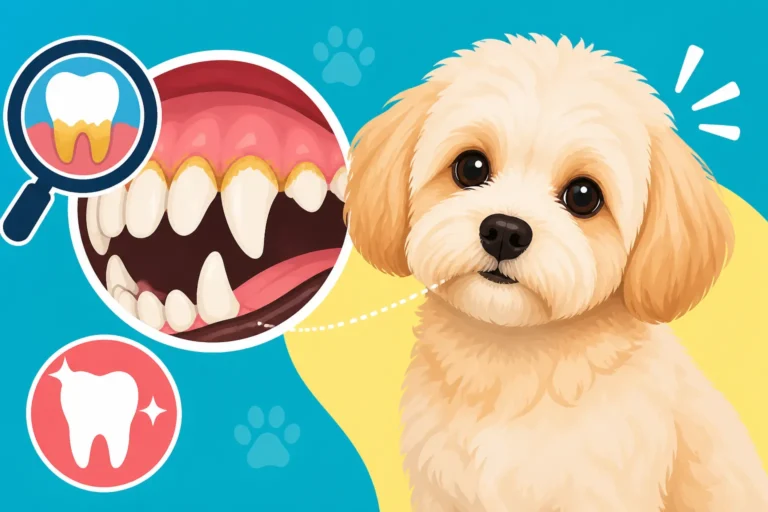
From the Maltese side, seniors are particularly prone to dental crowding, leading to advanced periodontal disease and subsequent heart valve issues if oral hygiene was neglected in earlier years. From the Poodle lineage, eye conditions like progressive retinal atrophy or cataracts frequently emerge in the later years. Understanding this genetic background helps you watch for early signs of inherited conditions rather than assuming every symptom is merely general old age.
By recognizing the interplay between genetic predisposition and environmental care, you can tailor your management strategy to your specific dog. regular veterinary blood panels, early joint support, and careful monitoring of organ function allow you to get ahead of inherited vulnerabilities before they impair your dog’s overall quality of life.
| Age Phase | Common Physical Markers | Recommended Care Focus | Primary Health Risks |
|---|---|---|---|
| Early Senior (10-12 Years) | Mild joint stiffness, graying muzzle, subtle energy drop | Dietary adjustment, joint supplements, biannual vet checks | Early dental disease, minor weight gain, incipient cataracts |
| Mid Senior (12-14 Years) | Reduced muscle mass, cloudy lens, slower response times | Soft foods, ramp access, shortened walk schedules | Advanced periodontal disease, heart murmurs, arthritis |
| Geriatric (14+ Years) | Hearing loss, severe cognitive shifts, fragile stability | Orthopedic support, heated bedding, continuous monitoring | Kidney failure, severe CCD, complete vision impairment |
Nutritional Adjustments for the Golden Years
Caloric Needs and Weight Management
As your pet’s activity level naturally declines past age ten, their metabolic rate drops significantly. Continuing to feed the exact same portions they enjoyed at age four is a direct recipe for senior obesity. Extra weight on a small, ten-pound frame puts immense strain on aging joints, exacerbates tracheal collapse, and places unnecessary stress on the heart. Conversely, some seniors begin losing weight rapidly due to muscle wasting or inefficient nutrient absorption in the gut.
Monitoring weight requires precision rather than guessing by eye. Using a digital scale to weigh your senior monthly provides an early warning system for health issues. If you notice your dog gaining extra padding around the ribs, practice Cutting an Old Maltipoo’s Portions as It Slows by reducing daily food volume by ten to fifteen percent or transitioning to a dedicated senior formula that contains lower fat content paired with high-quality, digestible protein.
When selecting commercial foods or placing orders on Chewy for specialized senior diets, look for formulas that prioritize real animal proteins like turkey or whitefish to maintain lean muscle mass. Fiber content should also be slightly elevated to assist aging digestive systems in moving food efficiently without causing gas or irregular stools.
Soft Foods, Fresh Diets, and Missing Teeth
Dental complications are almost universal among senior toy breeds, often resulting in extracted or loose teeth by the time a dog reaches double digits. A dog experiencing mouth pain will naturally back away from hard kibble, leading to meal skipping and sudden weight loss. If you notice your pet dropping kibble pieces, tilting their head awkwardly while chewing, or refusing dry food entirely, it is time to reassess the physical texture of their diet.
Transitioning to soft, moisture-rich meals can completely transform a senior dog’s willingness to eat. Hydrating dry kibble with warm bone broth or switching to fresh, human-grade meal plans like those offered by Ollie provides a palatable, easily chewable option packed with dense nutrition. Fresh diets are especially beneficial because their soft texture eliminates the pain of crunching while providing high moisture content that supports kidney function.
For dogs with extensive tooth loss, Feeding a Maltipoo With Half Its Teeth Gone involves mashing food into a soft, shallow pile that can be licked up easily without requiring strong jaw pressure. Avoid deep, narrow bowls that force an arthritic neck or tender mouth into uncomfortable angles. Shallow ceramic or stainless steel dishes elevate the food slightly, making every mealtime an enjoyable, pain-free experience.
Key Supplements and Joint Support
Proper supplementation during the senior years can make the difference between a dog that hides in their bed and one that happily trots around the house. Joint supplements containing glucosamine, chondroitin, and green-lipped mussel work synergistically to reduce inflammation in worn joint capsules. Starting these supplements as early as age eight or nine lays a protective foundation, but introducing them past age ten still yields noticeable improvements in ease of movement.
Omega-3 fatty acids derived from wild-caught fish oil are another essential tool for the senior toolkit. EPA and DHA fatty acids act as potent natural anti-inflammatories, supporting not only joint health but also brain functionality and skin hydration. You can order high-potency liquid fish oils on Amazon to pump directly over your dog’s morning meal, enhancing flavor while delivering critical cellular support.
Probiotics and digestive enzymes should also be considered to aid an aging gut in absorbing vital vitamins and minerals. As digestive efficiency wanes, these beneficial bacteria ensure that nutrients are properly broken down and utilized rather than passing through unused, helping maintain healthy body condition and energy levels.
Managing Senior Health and Dental Decay
Daily Oral Hygiene and Dental Disease
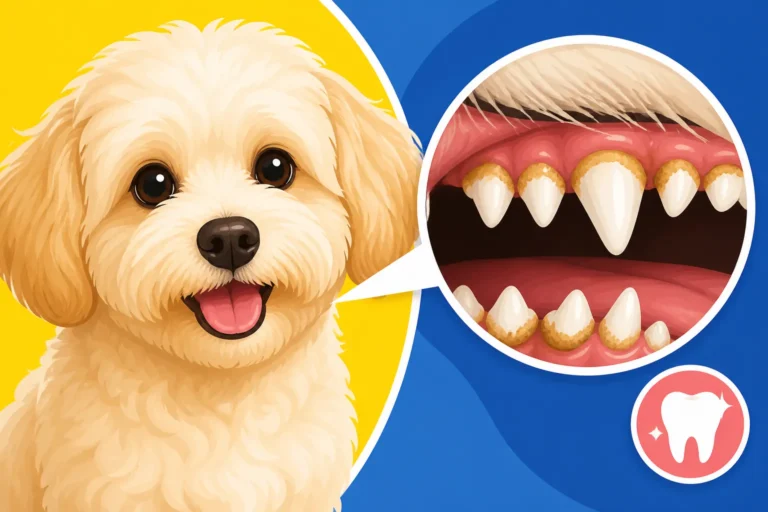
The old adage that a dog’s health begins in the mouth is nowhere truer than with small companion breeds. Decades of shallow root systems and crowded teeth make toy dogs prime candidates for severe periodontal disease. When plaque hardens into tartar, bacteria multiply beneath the gumline, eroding bone structure and creating chronic, painful infections that constantly strain the immune system.
Many owners wonder Whether Dental and Kidney Disease End Most Maltipoos, and the medical connection is strikingly clear. Pathogenic bacteria from infected gums continuously enter the bloodstream, traveling directly to delicate filtering tissues in the kidneys and heart valves. Over time, this daily bacterial shower causes micro-scarring in these organs, potentially leading to chronic renal failure or bacterial endocarditis later in life.
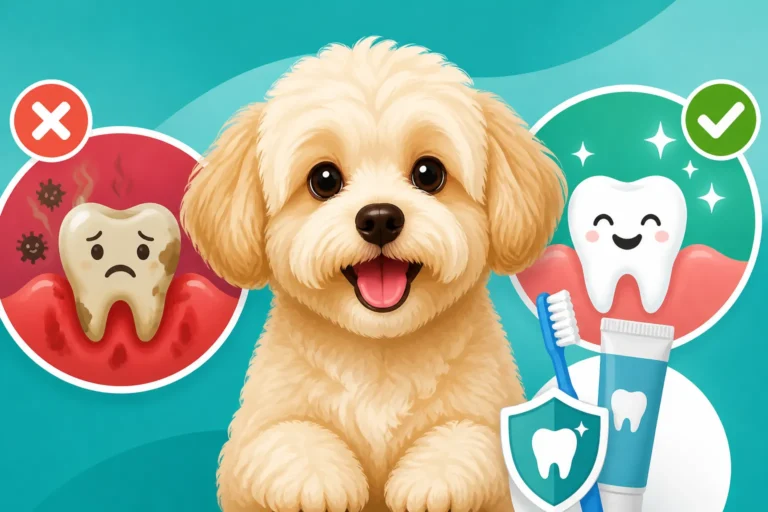
Implementing a daily brushing routine using an enzymatic toothpaste and ultra-soft finger brush is non-negotiable for senior care. If full brushing is impossible due to tenderness or mouth resistance, applying oral gels designed to dissolve plaque without brushing still provides valuable protection. Regular professional vet cleanings under carefully monitored anesthesia may still be necessary to remove deep subgingival tartar and pull unsalvageable teeth that cause chronic pain.
Kidney, Heart, and Liver Function Monitoring
As a pet moves past ten, hidden internal health changes can progress rapidly without showing obvious outward signs until significant damage has occurred. Regular preventive health care must transition from an annual event to a biannual schedule. Every six months, your veterinarian should run a comprehensive senior wellness panel, including complete blood counts, chemistry panels, and urinalysis to establish baseline trends.
Early kidney decline is often heralded by subtle clues that owners overlook, such as increased water consumption and more frequent urination. Identifying elevated kidney values early allows for immediate dietary intervention, such as low-phosphorus diets and fluid therapy, which can add years of quality living. Similarly, liver enzymes should be monitored closely, especially if your pet takes daily pain medications or joint treatments.
Heart murmurs, particularly mitral valve disease inherited through the Maltese lineage, become increasingly common in advanced age. During checkups, your vet will listen carefully for abnormal heart sounds or subtle changes in rhythm. Catching a murmur early allows for timely cardiac medications that reduce cardiac strain, prevent fluid buildup in the lungs, and allow your pet to remain active without coughing or gasping for breath.
Eye and Ear Care in Seniority
Sensory decline is a standard milestone of the aging process, and owners often wonder Whether an Old Maltipoo Goes Blind or Deaf First. In truth, both senses tend to dull simultaneously, though vision changes are usually the most visually obvious to owners. Nuclear sclerosis, a benign bluish haziness in the lens, is a normal age-related change that doesn’t cause blindness, whereas cataracts create an opaque white block that impedes light, eventually causing total vision loss.
Simple textual bullet points are used here for process steps.
Steps for managing sensory loss safely at home:
* Keep furniture layouts completely static; avoid moving large couches or dog beds.
* Place distinct textured mats at doorways and top/bottom of stairs to act as sensory touchpoints.
* Use scent markers, such as a drop of lavender oil on table legs, to help blind dogs map rooms.
* Introduce visual hand signals alongside verbal cues before hearing fades entirely.
* Announce your approach with gentle foot vibrations or soft spoken words to avoid startling a deaf pet.
Ear canals also require extra attention as a dog ages. Reduced air circulation caused by floppy, hair-filled ears can trap moisture and debris, leading to stubborn yeast or bacterial infections. Gentle weekly cleanings with a vet-approved, drying ear cleanser prevent painful buildup and ensure that whatever hearing your senior has left remains unblocked by physical buildup.
Tailoring Exercise and Mobility Support
Modifying Walks and Playtime
While physical activity remains crucial for maintaining muscle tone and mental stimulation, the intense fetch sessions and long neighborhood treks of youth must be scaled back. High-impact exercises put excessive force on fragile joints and accelerated wear on spinal discs. Instead, transition to multiple short, low-impact strolls throughout the day. A gentle ten-minute walk allows your senior to sniff, stretch their legs, and enjoy mental enrichment without causing physical exhaustion.
Pay close attention to atmospheric conditions during walks. Senior dogs struggle significantly more with temperature regulation due to thinning coats and decreased circulation. Exercise should be confined to cool morning or evening hours in hot summer months to avoid heat stroke, while winter walks demand protective clothing and bootie protection against freezing sidewalks and chemical ice melts.
Listen carefully to the signals your dog gives you while out walking. If they lag behind, sit down on the sidewalk, or begin panting heavily, stop immediately and carry them home. Investing in a lightweight pet stroller allows your senior to enjoy long outdoor adventures with you, riding safely once their physical stamina gives out while still benefiting from fresh air and mental stimulation.
Environmental Adaptations and Ramps
Making simple, thoughtful modifications to your home layout can instantly restore independence to a senior dog struggling with arthritis or vision loss. Jumping off beds or couches generates force up to five times a dog’s body weight upon landing—an impact that can easily tear compromised ligaments or cause spinal disc herniation. Installing sturdy, carpeted pet ramps alongside preferred resting spots eliminates the need for dangerous jumping.
Hardwood and tile flooring present significant hazards for slipping seniors. A dog with weakened leg muscles can easily lose footing on smooth surfaces, causing painful groin pulls or terrifying falls that make them hesitant to walk around the house. Placing non-slip runner rugs or interlocking foam mats along frequent walking paths provides essential traction and confidence.
For easy home adaptations, you can find a wide array of carpeted ramps, non-slip rug grippers, and orthopedic foam steps on Amazon. Setting up these supportive tools early prevents traumatic injuries and keeps your aging companion moving freely throughout their home environment without fear of falling.
Keeping an Arthritic Maltipoo Warm
Arthritic joints are intensely sensitive to temperature drops and damp weather. Cold air causes muscles and tendons to tighten up, turning morning wake-ups into painful, stiff struggles. Ensuring your senior stays warm throughout the autumn and winter months is a critical component of daily pain management.
Positioning their sleeping area away from drafty doors, low windows, and uninsulated floors is an immediate necessity. Elevating the bed slightly off cold flooring or placing a thick blanket underneath provides valuable insulation. Orthopedic memory foam beds designed specifically for senior pets distribute body weight evenly, taking pressure off bony prominences like hips, elbows, and shoulders.
When preparing for winter snaps, reviewing advice on Keeping an Old Maltipoo Warm and Comfortable helps ensure every base is covered. Using self-warming pet pads, soft fleece sweaters indoors, and gentle heating pads safe for pet use can provide therapeutic warmth that soothes aching joints, restores flexibility, and promotes deep, restorative sleep.
Grooming and Coat Maintenance for Senior Maltipoos
Managing Thinning and Matting Coats
As hormonal balances shift and nutrition absorption alters with age, the coat texture of a senior small breed often undergoes noticeable transformations. The coat may lose its plush, dense springiness, becoming thinner, drier, and far more prone to tight matting right against the skin. Skin beneath the coat also grows thinner and less elastic, making improper brush technique hazardous.
When reading up on Grooming an Old Maltipoo, the most vital adjustment is shifting from harsh dematting tools to gentle, frequent combing using a slicker brush with soft, coated pins followed by a metal comb. Forcefully pulling through mats on an elderly dog with thin skin can tear tissue or cause severe bruising. Any severe mats should be carefully clipped away by a professional rather than pulled or yanked at home.
Prioritize function over fashion when choosing hair cuts for your senior. Keeping the coat in a short, uniform “puppy cut” or utility trim dramatically cuts down on grooming time, prevents friction mats under the armpits and groin, and makes hygiene cleanings after bathroom trips far easier to maintain for both you and your dog.
Gentle Bathing and Drying Routines
Bathing a senior dog requires a calm, supportive approach to avoid stress and physical strain. Slipping on a wet tub surface is a major fear for arthritic dogs, so always place a non-slip rubber mat on the basin floor before adding water. Water temperature must be kept comfortably warm—never hot or cold—as aging dogs cannot adjust their internal body temperature efficiently during stress.
Select gentle, soap-free shampoos that incorporate soothing ingredients like oatmeal, aloe vera, or chamomiles to nourish dry senior skin. Avoid heavily fragranced products that can irritate sensitive nasal passages or cause allergic skin flare-ups. Work the shampoo gently into the coat without vigorously twisting the hair, which creates difficult knots.
When drying, avoid high-heat commercial blow dryers that can quickly overheat a frail body or cause terror due to loud noise. Towel-dry thoroughly with soft microfiber towels using a patting motion, then use a quiet blow dryer on the lowest cool setting while keeping your hand between the air stream and your dog’s skin to monitor temperature constantly.
Nail, Paw, and Skin Care
Senior dogs often develop elongated quicks and brittle nails due to altered gait mechanics and reduced wear from shorter walks. Long nails force the foot to splay unnaturally, altering how weight is distributed across arthritic toe joints and exacerbating leg pain. Keeping nails clipped short or filed smooth using a quiet rotary grinder every two weeks is critical for maintaining proper foot alignment.
Inspecting paw pads regularly is equally important. Senior pads tend to dry out, crack, or develop hyperkeratosis (excessive skin growth), making walking on hard surfaces feel like walking with stones in their shoes. Applying a soothing, food-grade paw balm restores moisture and flexibility to worn pads, preventing painful cracks and infections.
Keep an eye out for skin lumps, bumps, lipomas, or warts, which become far more common as dogs cross into double digits. During weekly grooming sessions, run your hands gently over every inch of your dog’s body, noting any new growths, changes in existing bumps, or areas of tenderness. Any rapidly growing or changing mass should be brought to your veterinarian’s attention for a fine-needle aspirate.
Simple textual bullet points are used here for process steps.
Step-by-Step Senior Grooming Checklist:
* Lay down a non-slip rubber mat on the grooming table or counter.
* Break grooming sessions into short 5-10 minute blocks throughout the week.
* Use a soft pin slicker brush to comb through high-friction areas (ears, armpits).
* Trim hair around the eyes and sanitary areas using rounded-tip safety scissors.
* Apply natural paw balm to dry pads and file nails short to maintain correct posture.
Emotional Well-Being, Routine, and Comfort
The Importance of a Consistent Daily Routine
Aging dogs thrive on predictability. As visual acuity fades and cognitive function slows down, a strict daily routine acts as a comforting anchor that prevents confusion and anxiety. Maintaining consistent times for meals, potty breaks, walks, and bedtime gives your senior a secure structure they can rely on, reducing emotional stress and physical restlessness.
Integrating The Daily Routine a Maltipoo Needs into your senior care plan helps maintain metabolic health and bladder control. Older dogs have less bladder capacity and weakened sphincter control, meaning they need more frequent opportunities to eliminate outdoors. A routine that includes short potty breaks every three to four hours prevents frustrating indoor accidents and preserves your dog’s dignity.
When household changes are unavoidable—such as room renovations, holiday guests, or schedule shifts—introduce changes as gradually as possible. Provide a quiet, private sanctuary room equipped with their familiar bedding, water, and favorite toys where your senior can retreat whenever the main household environment grows too noisy or overwhelming.
Dealing With Separation Anxiety and Confusion
It is common for senior dogs to develop renewed separation anxiety late in life, even if they were completely comfortable being left alone during their younger years. This “late-onset anxiety” stems directly from sensory loss and cognitive vulnerability; when their primary human anchor disappears, a blind or hard-of-hearing senior can quickly panic, feeling defenseless in the dark quiet of an empty house.
Managing this anxiety requires patience and environmental adjustments rather than strict behavioral corrections. Leaving a worn piece of your clothing in their bed provides a comforting scent connection, while soft classical music or ambient television sound masks sudden external noises that might startle a dog with failing vision.
For dogs struggling with deep confusion or distress when left alone, consulting your veterinarian about anti-anxiety support is a loving choice. Pheromone diffusers, calming supplements containing L-theanine or milk proteins, or mild prescription anxiety medications can ease neural overactivity, allowing your senior to sleep peacefully while you run essential errands.
Quality of Life Decisions and Compassionate Care
Caring for a senior companion through their twilight years is a profound act of love that eventually leads to difficult choices. Assessing quality of life requires looking past your own emotional grief to objectively measure your pet’s physical comfort, joy, and dignity on a daily basis. Utilizing validated quality-of-life scales (such as the HHHHHMM Scale) helps track metrics like Hurt, Hunger, Hydration, Hygiene, Happiness, Mobility, and More Good Days Than Bad.
It helps to break down grooming care into manageable bites; guidelines on Grooming an Arthritic Maltipoo in Short Sessions remind us that forcing a frail dog through grueling multi-hour sessions does more harm than good. The same principle applies to medical interventions: weigh every treatment option by asking whether it extends meaningful quality living or merely prolongs the physical process of dying.
When pain can no longer be managed comfortably or when cognitive confusion turns every waking hour into fear, reaching The Point a Maltipoo’s Owner Has to Decide is an act of ultimate devotion. Working closely with a compassionate veterinarian or home-euthanasia service allows you to craft a peaceful, dignified departure filled with warmth, familiar scent, and unconditional love, honoring the long journey you shared together.
| Daily Care Category | Recommended Senior Adaptation | Frequency / Timing | Primary Benefit |
|---|---|---|---|
| Feeding & Nutrition | High-protein, moist soft food fed in shallow, elevated bowls | 2-3 small meals daily | Prevents mouth pain, maintains body condition, aids digestion |
| Hydration & Kidneys | Multiple low-rim water bowls, warm bone broth toppers | Continuous access daily | Supports kidney filtration, prevents dehydration |
| Mobility & Comfort | Orthopedic memory foam beds, carpeted ramps, non-slip rug runners | Permanent home placement | Reduces joint stress, prevents falls, preserves independence |
| Grooming & Hygiene | Short utility clips, non-slip tub mats, gentle finger brushing | Daily brushing, 2-week nail trims | Prevents skin tears, eliminates painful mats, preserves dental health |
| Health Monitoring | Senior blood work, heart/kidney screening, weight tracking | Biannual vet visits, monthly weigh-ins | Early detection of systemic organ changes or weight loss |
Disclaimer
This article is for general informational purposes only and does not constitute professional advice. Laws, prices and regulations vary by location and change over time. Consult a qualified professional for guidance on your specific situation.