Whether an Apricot Maltipoo Fades
One of the most charming things about an apricot Maltipoo is that beautiful, warm, inviting color. It’s vibrant, it catches the light, and it just screams "adorable." So, it’s completely understandable that a common worry among owners is whether that gorgeous apricot shade will hold true, or if it's destined to fade into a much lighter, less distinct hue over time. This guide is here to unravel the mystery of Maltipoo coat fading, explaining why it happens, what you can expect, and how you can help maintain that lovely color.
The Allure of the Apricot Maltipoo Coat
There's something truly special about an apricot Maltipoo. Owners often fall head over heels for their vibrant, creamy, or even reddish-gold coats, which stand out beautifully. But this desire for a specific shade often comes with questions about its longevity.
Why Apricot is Such a Desirable Color
For many prospective Maltipoo parents, the apricot coat is the holy grail. It’s not just pretty; it has a certain warmth and character that white or solid black coats might not convey to everyone. The color can range from a pale, almost cream-colored apricot to a deep, rich reddish-apricot, and each shade has its own unique charm. People are drawn to the idea of a dog with such a distinctive and often considered "rare" coloration, especially since the Maltese parent is almost exclusively white. This makes the apricot shade feel a bit more exotic and special, a wonderful blend of both parent breeds. When you bring home that fluffy apricot puppy, you’re picturing that vivid color lasting for years.
The Genetic Dance Behind Apricot Hues
The apricot color in Maltipoos primarily comes from their Poodle heritage. The Maltese side typically contributes a brilliant white, but the Poodle can carry a vast spectrum of colors and patterns. Apricot itself is essentially a shade of red, but a very light, dilute version. Dogs have several genes that dictate coat color, and for apricot, it often involves the "e" locus, which controls the production of red and yellow pigments, and dilution genes that can lighten a darker red to an apricot. The gene known as the "fading gene" or "greying gene" (G locus) is also at play, especially prominent in Poodles, and it’s responsible for the gradual lightening of a dog's coat over time. This means that while your Maltipoo's parents might have stunning, rich colors, those underlying genetics might still lead to a change as they mature. You can delve deeper into this by reading about Where a Maltipoo's Apricot Comes From.
Understanding Coat Fading in Dogs
Coat color changes are a natural part of canine development for many breeds, not just Maltipoos. It’s a complex interplay of genetics, environment, and even age, and understanding these factors can help manage expectations.
The Natural Progression of a Dog's Coat
Think about how human babies are born with one hair color, only for it to change dramatically as they grow into toddlers and then adults. Dogs are no different! Many puppies are born with a coat that is darker or lighter than their adult color. This "puppy coat" is often softer and finer than the adult coat that grows in later. For an apricot Maltipoo, their puppy fur might be a deep, rich apricot, making you think that exact shade will last forever. However, as they shed their puppy coat and their adult coat emerges, you might notice the new hair coming in at a slightly different shade. This is completely normal and expected. It's simply a part of their genetic blueprint unfolding as they mature. This transition period typically happens between 6 months and 1.5 years of age, but it can vary. For more about this, see Whether a Maltipoo's Color Changes as It Grows.
Factors That Influence Color Change
Beyond genetics, several environmental and lifestyle factors can play a significant role in how much a Maltipoo's apricot coat might fade or change.
- Sun Exposure: Just like human hair can lighten in the sun, a dog's coat can too. Prolonged exposure to UV rays can bleach the pigment in their fur, making a rich apricot appear lighter and duller. This is particularly noticeable on their backs, heads, and other areas that get direct sunlight.
- Diet and Nutrition: A dog's diet is crucial for overall health, including the vibrancy and quality of their coat. A deficiency in certain nutrients, especially fatty acids and specific vitamins, can sometimes lead to a duller coat or impact pigment production. While a poor diet might not directly "fade" an apricot to white, it can certainly make it look less vibrant and healthy. Ensuring a balanced diet, perhaps with high-quality dog food like that offered by Ollie, which focuses on fresh ingredients, or supplements found on Chewy, can support coat health.
- Age: As dogs get older, it's common for their coats to lighten, similar to how humans get grey hair. This is often seen as a general silvering around the muzzle and eyes, but for dogs with colored coats, the overall shade can become less intense. This natural greying process can certainly affect an apricot Maltipoo, causing their beautiful shade to mellow with time.
- Health Conditions: While less common for simple fading, certain underlying health issues can affect a dog's coat quality and color. Hormonal imbalances, nutritional deficiencies due to malabsorption, or other systemic illnesses could potentially lead to a dull or discolored coat. If you notice dramatic or sudden changes, or other concerning symptoms, it's always best to consult your veterinarian.
The Reality of Apricot Fading in Maltipoos
Let's address the elephant in the room: yes, an apricot Maltipoo's coat very often fades. It's not a myth, but it's also not usually a sign of poor health or an undesirable trait. It's often just the way their genetics work.
When and How Fading Typically Occurs
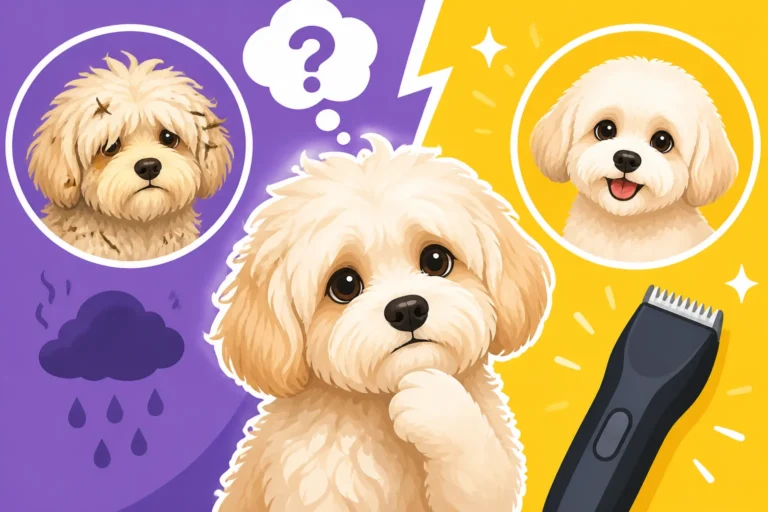
For many apricot Maltipoos, the fading process starts subtly. You might first notice it as they transition from their soft, fluffy puppy coat to their adult fur, usually around 6 to 12 months of age. The vibrant apricot that was so prominent might begin to soften, becoming a lighter cream or even a very pale beige. This change isn't always uniform; some areas might lighten faster than others. You might see the fading most distinctly on their back, flanks, and around their muzzle. Sometimes, the tips of their ears might retain a deeper color while the rest of their body lightens. This can create a lovely multi-tonal effect, but it's rarely the deep, consistent apricot you initially saw in puppy pictures. This phenomenon is quite common, and many owners describe their "apricot" becoming "cream" or "off-white" by their dog's second birthday. It's a key reason why discussions about Whether a Maltipoo's Color Holds Into Adulthood are so frequent.
Distinguishing True Fading from Normal Lightening
It's important to understand the difference between natural, genetically-driven lightening and what might be considered "fading" due to external factors. The genetic lightening often results in an even, albeit lighter, coat color. It's a natural maturation process, part of the Poodle's influence. This isn't necessarily a "bad" thing; it's just how their coat develops.
True fading, however, can also refer to the impact of external elements, like the sun, which can cause a more bleached or uneven lightening. If your Maltipoo spends a lot of time outdoors in direct sunlight, their coat could develop sun-bleached streaks, which might look more yellow or even brassy compared to the natural genetic fade. Understanding the difference helps you manage expectations and care. While genetic fading is largely unavoidable, environmental fading can be mitigated with proper care.
The Role of the Poodle Parent in Color Stability
The Poodle half of the Maltipoo equation is the dominant force when it comes to coat color and texture, as well as the tendency for colors to fade. Poodles are famous for their "fading" or "clearing" genes. For example, a black Poodle might clear to silver, and a brown Poodle might clear to cafe au lait. Similarly, many red and apricot Poodles will lighten over time. This clearing gene is passed down to the Maltipoo. It's not a defect; it's simply a characteristic of the Poodle breed's genetics. So, if your Maltipoo inherited this specific genetic trait from their Poodle parent, that initial vibrant apricot puppy coat is very likely to lighten, or "clear," as they mature into adulthood. This is why discussions about Whether a Maltipoo Puppy's Color Fades often point back to the Poodle lineage.
Managing and Minimizing Coat Fading
While you can't completely change your Maltipoo's genetic predisposition to fading, there are definitely steps you can take to help maintain the richness and health of their coat, making any lightening a graceful transition rather than a drastic loss of vibrancy.
Nutritional Support for a Vibrant Coat
A healthy coat starts from the inside out. Providing your Maltipoo with a high-quality, balanced diet is paramount. Look for dog foods that list real meat as the first ingredient and contain essential fatty acids like Omega-3 and Omega-6. These healthy fats are crucial for skin and coat health, promoting shine and reducing dryness, which can make a coat appear duller.
Consider adding supplements if your vet recommends them. Fish oil, flaxseed oil, or specialized skin and coat supplements are readily available on platforms like Chewy and can provide an extra boost of those beneficial omegas. Some owners even explore fresh food options, which often boast higher nutrient bioavailability. Companies like Ollie offer personalized meal plans that prioritize fresh ingredients, potentially supporting a more vibrant coat. Just remember, consistency is key, and any dietary changes should be introduced gradually to avoid upsetting your Maltipoo's digestive system. Don't forget, feeding correctly also helps with general health, like understanding How Many Calories a Six Pound Maltipoo Needs.
Grooming Practices to Protect Coat Color
Regular and proper grooming is essential for keeping any Maltipoo's coat in top condition, regardless of color. For apricot coats, good grooming can help protect against external factors that might cause fading.
- Regular Bathing with Color-Safe Shampoos: Bathe your Maltipoo every 2-3 weeks, or as needed, using a shampoo specifically formulated for dogs with sensitive skin or for enhancing coat color. Avoid harsh, stripping shampoos that can dry out the coat and potentially dull its appearance. Look for products that are pH-balanced and moisturizing.
- Conditioning: Always follow up with a good conditioner to lock in moisture and protect the hair shaft. A well-hydrated coat is less prone to breakage and can better reflect light, making the color appear richer.
- Sun Protection: If your Maltipoo spends a lot of time outdoors, especially during peak sun hours, consider using a dog-specific sun protective spray, or even dressing them in lightweight, UV-protective clothing for extended periods. This can help prevent the sun from bleaching their fur. Remember, Whether Sun Bleaches a Maltipoo's Coat is a very real concern.
- Consistent Brushing: Daily brushing isn't just for preventing mats; it also distributes natural oils throughout the coat, promoting health and shine. Brushing also removes loose hair and dirt that can dull the coat's appearance. Regular combing, working Combing a Maltipoo Down to the Skin, ensures their coat stays healthy and vibrant.
Environmental Factors and Lifestyle Choices
Your Maltipoo's daily environment and routine can also impact their coat color. Small adjustments can make a big difference.
- Shade and Indoor Time: During hot, sunny days, encourage your Maltipoo to spend more time in the shade or indoors. This naturally reduces their exposure to damaging UV rays. A comfy spot inside can be just as enriching as direct sun for a certain amount of time.
- Seasonal Changes: Be mindful of seasonal changes. In winter, even though the sun might not feel as strong, UV rays can still be present, especially reflecting off snow. Conversely, summer heat means longer days of intense sun. Adjusting your outdoor routine to avoid the harshest parts of the day can be beneficial.
- Overall Health: A healthy dog tends to have a healthy coat. Ensure your Maltipoo gets regular vet check-ups, stays up-to-date on vaccinations, and maintains a healthy weight. Any underlying health issues, even minor ones, can sometimes manifest in a dull or unhealthy-looking coat. Maintaining a consistent The Daily Routine a Maltipoo Needs goes a long way. Also, be aware that smaller dogs like Maltipoos can be sensitive to temperature changes, so make sure they are comfortable, even indoors. See Whether a Maltipoo Needs a Sweater Indoors for more on this.
What to Expect: A Realistic Outlook
Accepting that your Maltipoo's apricot coat might change over time is a part of embracing their unique journey. Their beauty is more than just a single shade.
Embracing the Evolving Beauty of Your Maltipoo
It’s completely normal to feel a little wistful if your Maltipoo’s vibrant apricot puppy coat starts to soften into a lighter cream or even a champagne color. But it’s also important to remember that this change is a natural part of their development, often a beautiful maturation process. Their evolving coat color tells a story of their growth, from a tiny puppy to a beloved adult companion. Many owners find that these lighter shades are just as charming, if not more so, adding a sophisticated elegance to their dog's appearance. Focus on the fact that your Maltipoo is still the same loving, playful companion, and their coat, regardless of its exact hue, is a testament to their unique genetic heritage. The bond you share is far more important than any specific shade of fur.
When to Consult a Vet or Breeder
While some fading is entirely normal, there are instances when a dramatic or unusual change in coat color could signal something more than just genetic clearing or sun exposure. If you notice a sudden, patchy, or uneven discoloration, accompanied by other symptoms like excessive shedding, skin irritation, itchiness, lethargy, or changes in appetite, it's wise to consult your veterinarian. These could be indicators of underlying health issues such as hormonal imbalances, nutritional deficiencies, allergies, or skin infections.
Similarly, if you purchased your Maltipoo from a reputable breeder, they might be a valuable resource for questions about coat color. Experienced breeders are often familiar with the typical color changes in their lines and might be able to offer insights or reassurance. However, remember that no breeder can guarantee a specific coat color will remain unchanged, especially with a mixed breed like a Maltipoo where the genetic outcome is always a unique 'coin flip' of traits from both the Maltese and Poodle parents.
Disclaimer
This article is for general informational purposes only and does not constitute professional advice. Laws, prices and regulations vary by location and change over time. Consult a qualified professional for guidance on your specific situation.