Feeding a Maltipoo With Half Its Teeth Gone
It’s truly disheartening when your beloved Maltipoo starts experiencing dental problems, especially when it leads to losing teeth. You might find yourself staring into their bowl, wondering how on earth they’re supposed to eat their usual kibble, or worse, worrying if they’re even getting enough nutrition. This can be a stressful time, filled with questions about what to feed them, how to keep them comfortable, and what changes you need to make to their daily routine. This comprehensive guide is here to walk you through exactly how to adapt feeding strategies for a Maltipoo with missing teeth, ensuring they remain happy, healthy, and well-fed.
Understanding Why Your Maltipoo Might Lose Teeth
Losing teeth isn't just a part of getting older for our Maltipoos; it’s often a symptom of underlying issues, predominantly dental disease, that can impact their overall health and comfort. As a small breed, Maltipoos are unfortunately quite prone to these kinds of problems due to the anatomy of their mouths. Understanding the root causes can help you be proactive, even if some tooth loss has already occurred.
The Inevitable Progression of Dental Disease
One of the most common reasons a Maltipoo loses teeth is the silent, insidious march of periodontal disease. Imagine a tiny mouth, packed with The Forty Two Teeth Crowding a Maltipoo's Jaw – it's a tight squeeze! This crowded environment, combined with often less-than-ideal oral hygiene, creates a perfect breeding ground for plaque and tartar. Over time, this buildup leads to gingivitis, which, if left unchecked, progresses to periodontitis. This is where things get really serious, as the infection spreads below the gum line, attacking the bone and ligaments that hold the teeth in place.
Eventually, as the supporting structures are destroyed, the teeth become loose and can either fall out on their own or need to be extracted by a veterinarian to prevent further pain and infection. It's a heartbreaking reality, but many small dogs like Maltipoos will face significant dental disease in their lifetime, often requiring extensive dental work by the time they are just a few years old. This isn't just about bad breath; it’s about chronic pain, systemic infection, and the very real risk that Whether Dental Disease Shortens a Maltipoo's Life.
Retained Baby Teeth and Their Long-Term Impact
Another contributing factor, particularly in younger Maltipoos, can be retained deciduous (baby) teeth. Unlike larger breeds where puppy teeth usually fall out naturally to make way for adult teeth, many small dogs experience a phenomenon where the baby teeth just don't want to let go. This results in two teeth trying to occupy the space meant for one – a tiny adult tooth trying to emerge while its baby counterpart still stubbornly stands its ground. You might see this happening with the canines, where the adult canine grows in right next to the baby canine, creating a double row of teeth.
This overcrowding exacerbates the dental disease problem. Food particles and bacteria get trapped in the narrow spaces between the persistent baby teeth and the erupting adult teeth, making effective cleaning virtually impossible. This accelerates plaque and tartar accumulation, laying the groundwork for premature periodontal disease and eventual tooth loss later in life. Often, these retained baby teeth are removed during a Maltipoo's spay or neuter surgery, but if they're missed, they can cause problems for years, potentially necessitating Whether a Maltipoo's Teeth Need Pulling at a Year.
Trauma or Other Health Conditions
While dental disease is the primary culprit, other less common factors can also lead to tooth loss in a Maltipoo. Accidental trauma, such as a fall or impact to the face, can cause teeth to break or become dislodged. Given their small size and delicate bones, even what seems like a minor bump to us could be significant for a Maltipoo. Imagine your little one jumping off a sofa and landing awkwardly, or a playful tussle with a larger dog that results in a mouth injury.
Rarely, certain underlying health conditions, such as bone disorders or tumors within the jaw, can also weaken the dental structures and lead to tooth loss. Although these are not as frequent as periodontal disease, it’s always important for your veterinarian to conduct a thorough examination to rule out any other potential causes, especially if the tooth loss seems sudden or unusual. This comprehensive approach ensures that you're addressing the root problem, not just the symptoms, helping to preserve the remaining teeth for as long as possible.
The Challenges of Eating with Missing Teeth
When your Maltipoo starts losing teeth, mealtime can suddenly transform from a simple, joyful event into a source of stress and worry for both of you. It's not just about what food they can chew; it’s about their overall comfort, nutrient absorption, and even their willingness to eat at all. Understanding these challenges is the first step in finding effective solutions that make eating a positive experience again.
Pain and Discomfort During Chewing
Imagine trying to eat a crunchy snack with a toothache or a missing tooth – it’s incredibly uncomfortable, if not downright painful. Your Maltipoo feels the same way. When teeth are loose, infected, or simply absent, the act of biting and chewing can cause significant discomfort. Dogs instinctually try to avoid pain, so they might start to eat very slowly, drop food, or even shy away from their bowl entirely. This isn't them being picky; it's a genuine reaction to pain. They might favor one side of their mouth or try to swallow pieces whole, which can lead to other digestive issues.
If your Maltipoo has had recent extractions, the gum tissue will be tender and sore while healing, making any pressure even more unpleasant. This discomfort can lead to a decrease in appetite, which, for a small breed like a Maltipoo, can quickly become a concern for their overall health and energy levels. It’s crucial to recognize these signs of pain and adjust their diet accordingly to ensure they are getting the nutrition they need without unnecessary suffering.
Difficulty Picking Up and Manipulating Food
Beyond the pain, simply physically getting food into their mouth and ready for swallowing becomes a challenge when teeth are missing. Maltipoos have small mouths to begin with, and teeth play a vital role in scooping, grasping, and breaking down kibble. Without a full set of teeth, especially the incisors and canines, they might struggle to pick up smaller pieces of food from a flat bowl. You might notice them pawing at their food, trying repeatedly to grab a piece, or pushing it around the bowl without success.
Once the food is in their mouth, the molars and premolars are essential for grinding and mashing. If these back teeth are gone, they can’t properly break down larger kibble pieces, forcing them to swallow things whole. This not only makes digestion harder but can also pose a choking hazard, particularly for a small dog. This difficulty can lead to frustration during mealtime, making an already painful situation even more stressful. You want your Maltipoo to enjoy their food, not view it as an obstacle course.
Nutritional Concerns and Weight Loss
The most significant long-term challenge when a Maltipoo has missing teeth is ensuring they maintain adequate nutrition. If they are in pain or struggling to eat, they will naturally consume less. This reduced caloric intake, combined with potential difficulties in digesting unchewed food, can lead to weight loss, muscle atrophy, and a general decline in health. Small dogs, with their faster metabolisms, are particularly vulnerable to calorie deficits.
You might notice their ribs becoming more prominent, their energy levels dropping, or their coat losing its luster. Malnutrition weakens their immune system, making them more susceptible to other illnesses and slowing down recovery from any procedures. It's a vicious cycle where poor dental health impacts eating, which impacts overall health, which in turn can make them even less resilient. Monitoring their weight and overall condition closely is paramount, and adjusting their diet isn't just about comfort, but about preventing a cascade of health issues.
Adapting Food Choices for a Toothless or Partially Toothless Maltipoo
Once you've identified that your Maltipoo is struggling with missing teeth, the immediate next step is to re-evaluate their diet. Gone are the days of crunchy kibble that might cause discomfort or be impossible to eat. Your goal is to provide food that is easy to consume, gentle on their gums, and still delivers all the essential nutrients they need to thrive.
Switching to Softer Kibble or Wet Food
The easiest and often most immediate change you can make is transitioning your Maltipoo to softer food. This usually means either a small-breed wet food or regular kibble that has been softened. For wet food, there are countless options specifically formulated for small breeds, and you can find a wide selection on platforms like Chewy or Amazon. Look for pate-style wet foods, or those with very small, easily mashable chunks.
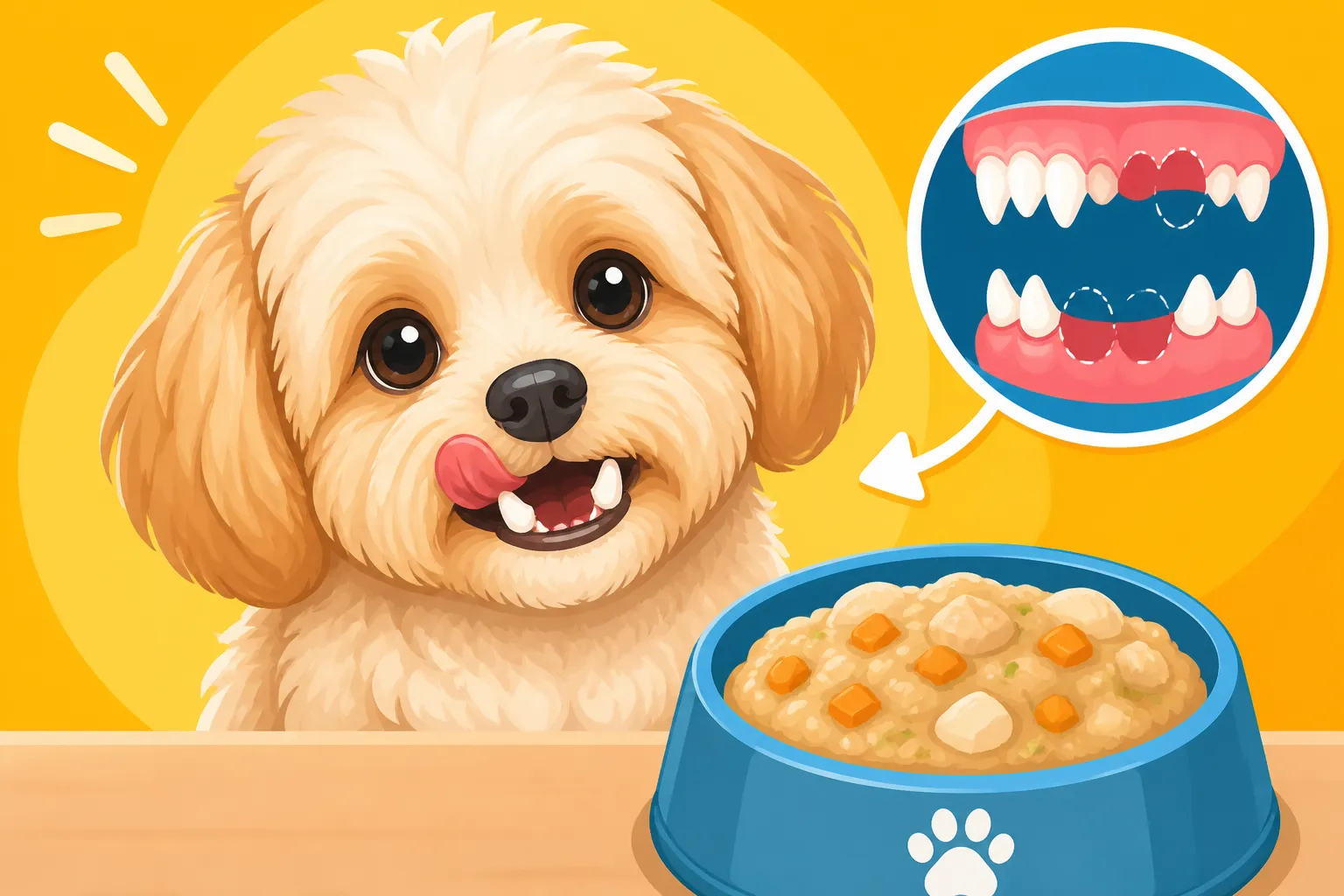
If your Maltipoo has always loved their kibble, you don't necessarily have to abandon it entirely. Instead, try soaking their existing kibble in warm water or low-sodium chicken broth for 10-15 minutes before serving. This softens it to a mushy consistency that requires little to no chewing. You can even use a fork to mash it further once softened, creating a porridge-like texture. Remember, the goal is to eliminate any hard pieces that could cause pain or be swallowed whole. Some owners even invest in a small food processor to blend the softened kibble into a smoother consistency. This is especially helpful if your Maltipoo has very few or no teeth left. Whether a Toothless Maltipoo Needs Soft Food is usually not a question of 'if' but 'how much'.
Homemade Diets and Their Considerations
For some Maltipoo owners, especially those committed to providing the freshest possible meals, a homemade diet might seem like an appealing option. This can give you complete control over the texture and ingredients, ensuring everything is perfectly soft and palatable. You could cook lean proteins like chicken or turkey, gently steam or boil soft vegetables such as pumpkin, sweet potato, or green beans, and then blend them into a smooth puree. Companies like Ollie offer pre-portioned, fresh dog food meals that are already soft and can be easily mashed or blended further, taking some of the guesswork out of homemade preparation while still providing high-quality, human-grade ingredients.
However, moving to a homemade diet requires careful consideration to ensure it’s nutritionally complete and balanced. It's incredibly easy to accidentally create deficiencies or imbalances if you're not well-versed in canine nutrition. Certain vitamins, minerals, and amino acids are essential, and their ratios must be correct for your dog's long-term health. Before embarking on a homemade diet, it is absolutely vital to consult with your veterinarian or a board-certified veterinary nutritionist. They can help you formulate a recipe tailored to your Maltipoo’s specific needs, age, and any other health conditions, preventing future nutritional problems.
Supplementing for Complete Nutrition
Even with carefully chosen soft foods, sometimes a Maltipoo with missing teeth might not be getting everything they need, particularly if they're struggling to eat enough volume. This is where targeted supplementation can play a supportive role, but it's important to approach it wisely. A high-quality senior dog multivitamin, approved by your vet, can help bridge any potential gaps in their daily intake, ensuring they receive essential vitamins and minerals that might be lacking if their diet is less varied or their absorption is compromised.
Additionally, certain supplements can aid digestion or boost overall health. Probiotics can support gut health, which is crucial if your Maltipoo is swallowing larger pieces of food or experiencing any digestive upset from the diet change. Omega-3 fatty acids, found in fish oil, can provide anti-inflammatory benefits, which might be helpful for gum health even after tooth extractions, and also support skin and coat health. Always discuss any supplements with your vet before introducing them, as some can interact with medications or be inappropriate for certain health conditions. Your vet can advise on the correct dosage and ensure the supplements are truly beneficial for your individual Maltipoo.
Making Mealtime Easier and More Comfortable
Beyond changing the food itself, how you present the meal and where your Maltipoo eats can make a world of difference. A comfortable, stress-free mealtime encourages them to eat more readily and can improve their overall experience, turning what could be a chore back into a pleasure.
Choosing the Right Bowls and Feeding Methods
The type of bowl you use can significantly impact how easily your Maltipoo can access their food, especially with missing teeth. A shallow, wide bowl is often best, as it allows them to easily lap up soft food without having to angle their head or try to scoop food from deep corners. Raised bowls can also be beneficial, particularly for older Maltipoos or those with neck or joint issues, as they eliminate the need to bend down excessively. You can find a variety of elevated feeding stations on Amazon, which can be adjusted to the perfect height for your little one.
Consider the material of the bowl too. Ceramic or stainless steel bowls are generally preferred as they are easy to clean and don't harbor bacteria like some plastics can, which is important for oral hygiene. For very messy eaters, a non-slip mat placed under the bowl can help prevent it from sliding around, reducing frustration for your dog and cleanup for you. Some Maltipoo owners even find success hand-feeding for a short period, especially after extractions, to ensure their dog is eating and to provide comfort and reassurance. This direct interaction can be very soothing for a dog in discomfort.
Creating a Calm and Stress-Free Environment
Mealtime should be a peaceful, positive experience. If your Maltipoo is stressed or anxious, they may be less inclined to eat, even if the food is perfectly tailored to their needs. Identify a quiet, consistent feeding spot away from the hustle and bustle of family activity, other pets, or loud noises. This helps your Maltipoo feel secure and focused on their meal.
Avoid hovering over them or rushing them. Give them ample time to eat at their own pace. If you have multiple pets, ensure your Maltipoo has a private space where they won't feel rushed or competitive. Sometimes, even the subtle presence of another dog can make a smaller, more vulnerable Maltipoo feel uneasy. A little soft music or a comforting presence nearby, without direct hovering, can help create a serene atmosphere. This quiet dedication to their comfort can be as important as the food itself in ensuring they eat well.
Hydration and Liquid Options
With changes in diet, it’s also vital to monitor your Maltipoo's hydration levels. If they’re eating softer, wetter foods, they might be getting some moisture from their meals, but fresh water should always be available. Some dogs might prefer slightly warmed water, especially if they have sensitive mouths, or water from a ceramic bowl over a metal one.
If your Maltipoo is having trouble drinking enough, or if you want to provide extra nutrients, consider offering low-sodium broths. Chicken or beef broth, plain and unsalted, can be a tempting treat and a good way to sneak in extra fluids and electrolytes. You can even mix a small amount of broth with their wet food to make it even more palatable and soupy. For dogs struggling with very painful mouths, chilled, unsweetened plain yogurt (in moderation) or a little bit of diluted goat's milk can also be appealing and provide some extra moisture and calories. Just be mindful of any dairy sensitivities your Maltipoo might have, and always check with your vet before introducing new liquid supplements into their diet.
| Food Type | Consistency | Pros | Cons | Suitable For |
|---|---|---|---|---|
| Soaked Kibble | Soft, mushy | Familiar taste, cost-effective, easy to prep | Can still be chunky if not fully soaked | Few to some teeth missing |
| Wet Dog Food (Pate) | Very smooth, uniform | Easy to lap up, high moisture content | Can be more expensive, some dogs find it less appealing | Few to many teeth missing |
| Wet Dog Food (Chunks) | Soft, small chunks | More texture, palatable | Chunks might still require some chewing, can be harder to manipulate | Few teeth missing, good gum health |
| Blended Homemade Diet | Pureed, smooth | Full control over ingredients, fresh | Requires careful nutritional balancing, time-consuming | Many to all teeth missing |
| Fresh Dog Food (e.g., Ollie) | Soft, easily mashable | High quality, often human-grade, balanced | Can be more expensive, requires refrigeration | Few to many teeth missing |
| Broth/Liquid Supplements | Liquid | Hydrating, palatable, nutrient boost | Not a complete meal replacement, must be low-sodium | Very painful mouths, supplemental use |
Long-Term Dental Care and Monitoring
Even after teeth have been lost and dietary adjustments made, your Maltipoo’s dental health journey isn’t over. Long-term care is about protecting the remaining teeth, preventing future issues, and continuously monitoring their comfort and nutrition. This proactive approach will contribute significantly to their quality of life. The financial aspect of dental care can be considerable; The Dental Bills a Maltipoo Owner Cannot Avoid are a reality for many small dog owners.
Ongoing Oral Hygiene for Remaining Teeth
While some teeth may be gone, any teeth remaining in your Maltipoo’s mouth are still susceptible to plaque and tartar buildup. This means that regular, diligent oral hygiene is more critical than ever. The primary goal is to prevent further tooth loss and maintain the health of the existing teeth and gums. Brushing your Maltipoo's teeth daily, or at least every other day, with a pet-specific toothbrush and enzymatic toothpaste is the gold standard. Focus on gently cleaning the surfaces of the remaining teeth, paying close attention to the gum line where bacteria tend to accumulate. You might need a very soft brush or a finger brush to be gentle on sensitive gums.
If direct brushing is too challenging or causes discomfort, discuss other options with your vet. Dental wipes, oral rinses, or water additives can offer some level of protection, though they are generally less effective than brushing. Consider dental chews or treats designed to help reduce plaque, but ensure they are soft enough for your Maltipoo to manage safely without causing pain or injury to their existing teeth or gums. The texture of these products is key; nothing too hard that could fracture a weakened tooth or irritate a sensitive gum.
Regular Vet Check-ups and Dental Consultations
Your veterinarian is your most important partner in managing your Maltipoo’s dental health, especially after tooth loss. Regular check-ups, ideally every six months for older or dentally challenged dogs, allow your vet to monitor the condition of their remaining teeth and gums. They can spot early signs of new dental disease, assess healing from previous extractions, and address any changes in their mouth. These exams are crucial because, even with the best home care, dental issues can progress quickly in small breeds.
Your vet might recommend a professional dental cleaning under anesthesia more frequently than for a dog with a full, healthy set of teeth. This allows for a thorough scaling above and below the gum line, polishing, and a detailed examination of each tooth. During these appointments, X-rays can be taken to check for hidden problems like root infections or bone loss that aren't visible to the naked eye. Discussing What Extractions Cost on a Maltipoo and How Often a Maltipoo Needs a Dental with your vet will help you plan for future care. Maintaining this close relationship with your vet will ensure that any emerging issues are caught early and treated promptly, helping to preserve your Maltipoo's remaining oral health and prevent future pain.
Addressing Secondary Issues
Tooth loss and the underlying dental disease can sometimes lead to secondary health concerns that need to be addressed. Chronic oral inflammation can put a strain on your Maltipoo's immune system and, in severe cases, the bacteria from gum disease can enter the bloodstream and affect vital organs like the heart, kidneys, and liver. While this is less likely after problematic teeth have been removed, it highlights the importance of keeping infection at bay.
Your vet may want to run routine blood work to check organ function, especially if dental disease was advanced. If your Maltipoo has experienced significant weight loss, your vet might suggest specific nutritional supplements or dietary adjustments beyond just texture changes. Sometimes, dogs with chronic pain, even after teeth are gone, might benefit from temporary pain management during healing or specific anti-inflammatory medications. Being vigilant about your Maltipoo’s overall health and communicating any changes or concerns to your vet is key. This holistic approach ensures that you're not just managing their mouth, but supporting their entire well-being as they age and adapt to life with fewer teeth. Caring for a Maltipoo Past Ten often involves heightened awareness of their dental and overall health needs.
Disclaimer
This article is for general informational purposes only and does not constitute professional advice. Laws, prices and regulations vary by location and change over time. Consult a qualified professional for guidance on your specific situation.