Clearing Wax From a Maltipoo’s Ear
One of the most persistent, and frankly, grossest, challenges of living with a Maltipoo is dealing with those perpetually waxy, sometimes stinky, little ears. It's not just about the gunk; it's about the discomfort and potential infections that come with it. This guide is here to walk you through everything you need to know about safely and effectively clearing wax from your Maltipoo's ears, and more importantly, how to keep those ears healthy and happy long-term.
Understanding Your Maltipoo's Unique Ear Anatomy
You might look at those adorable floppy ears and just see cuteness, but for your Maltipoo, they can be a real hotspot for problems. The combination of genetics from both the Maltese and the Poodle creates a perfect storm for ear issues if not managed properly.
The Double-Edged Sword of Floppy Ears
Let's be real, those soft, dropped ears are part of what makes a Maltipoo so endearing. However, unlike dogs with pricked, upright ears, the floppy ear flaps of a Maltipoo seal off the ear canal from much-needed airflow. Think of it like a tiny, warm, humid cave. This lack of ventilation means moisture gets trapped inside, creating an ideal breeding ground for yeast and bacteria. Every time your Maltipoo has a drink of water, or even just steps out into humid weather, that moisture can linger in the ear, contributing to a damp, unhealthy environment.
This constant warmth and humidity mean that the natural ear wax your Maltipoo produces, which is meant to be a protective barrier, can become problematic. Instead of drying and shedding out, it can accumulate, becoming thick and sticky. This isn't just unpleasant; it sets the stage for irritation and infection, making your sweet little companion quite miserable.
Hair, Hair Everywhere: Inside the Ear Canal
As if floppy ears weren't enough, Maltipoos inherit another unique trait from their Poodle and Maltese parents: hair that grows inside the ear canal. Yes, you read that right. While many breeds have relatively smooth ear canals, Maltipoos often have a dense growth of soft, fine hair deep within their ears. This hair acts like a net, trapping every bit of ear wax, debris, and moisture that enters the canal. Instead of being able to naturally migrate out, the wax gets stuck, building up into an impenetrable barrier.
This trapped hair and wax not only block airflow further but also provide a perfect structure for yeast and bacteria to cling to and multiply. Imagine trying to clean a drain that's constantly filled with tangled hair; it's a similar challenge for your Maltipoo's ears. Ignoring this internal hair growth is a common mistake and can lead to chronic ear infections. It’s crucial to understand Whether Hair Grows Inside a Maltipoo's Ear Canal and how to manage it as part of their regular grooming and health routine. This hair will need attention, sometimes including plucking, to keep the canal clear and healthy.
Recognizing the Signs of Ear Trouble (Beyond Just Wax)
It’s easy to think a little ear wax is normal, and to some extent, it is. But for a Maltipoo, even seemingly minor changes can be the first whispers of a bigger problem. Learning to distinguish between normal ear gunk and a full-blown issue is critical for their comfort and health.
What Normal Ear Wax Looks Like Versus a Problem
A healthy Maltipoo ear, when you lift the flap and peer inside, should have minimal wax. This normal wax typically appears light yellowish-brown, might be slightly waxy or flaky, and should have a very faint, almost neutral smell. You might see a thin coating, but it won't be gloopy, crusty, or excessive. It should be easy to wipe away with a cotton ball, and the skin inside the ear should look pale pink and healthy, not red or inflamed.
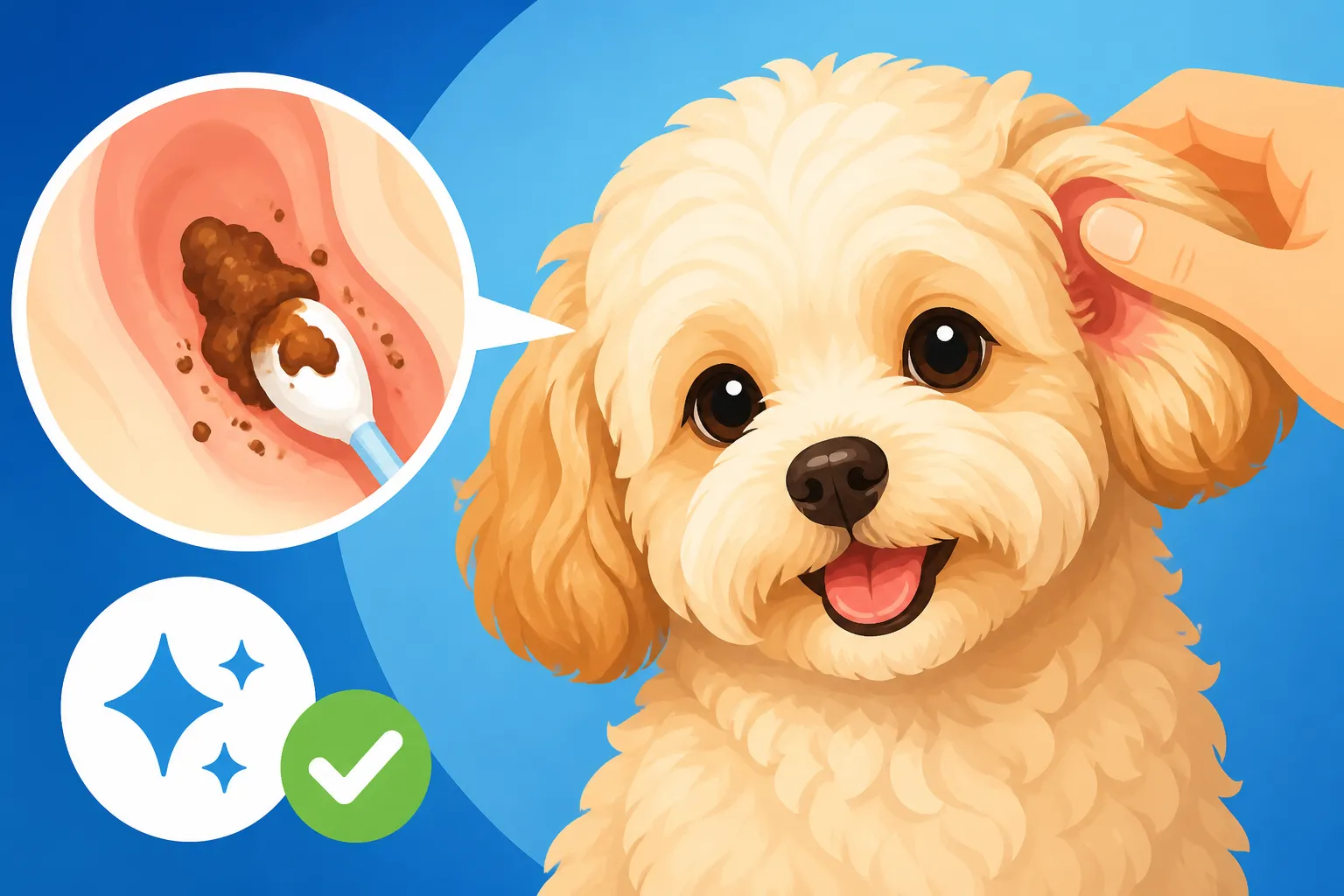
Now, for the problematic wax. If you lift your Maltipoo's ear flap and are greeted by dark brown, black, or yellowish-green discharge, often resembling coffee grounds or thick tar, that’s a red flag. Even worse is a strong, foul odor – often described as cheesy, sweet, or simply putrid. This kind of wax is usually a sign of an underlying issue, whether it's a yeast infection (often smelling sweet and yeasty) or a bacterial infection (often smelling foul). The inner ear skin might also appear red, swollen, or even have scabs from scratching. Sometimes, the wax itself isn't too bad, but the sheer volume of it, especially if it returns quickly after cleaning, signals a problem. Your nose is a powerful diagnostic tool here; don't be shy about giving those ears a good sniff!
Behaviors That Scream "My Ears Hurt!"
Our Maltipoos can't tell us directly when their ears are bothering them, but they certainly show us through their actions. Learning to interpret these behavioral cues is key to early intervention. The most obvious sign is frequent head shaking. It might start subtly, a little flick of the head after a nap, but it can escalate to vigorous, continuous shaking, especially after they've been outside or had their ears touched. Closely linked to this is persistent ear scratching. You might see them using a back paw to vigorously scratch at the ear flap, sometimes so intensely that they cause raw spots or open sores around the ear and even behind it. Some Maltipoos will rub their heads along the carpet, furniture, or even your leg, trying to get some relief.
Beyond these overt actions, watch for more subtle signs. Your Maltipoo might become unusually sensitive about having their head or ears touched, flinching or even nipping if you try to inspect them. They might hold their head tilted to one side, favoring the unaffected ear. Some dogs become withdrawn or irritable, while others might whine or whimper when shaking their head or scratching. If you notice any of these behaviors, particularly in conjunction with unusual ear wax or odor, it's a clear signal that something is amiss and needs your attention. Ignoring these signs can lead to deeper, more painful infections, which are much harder and more expensive to treat.
When to Head Straight to the Vet
While knowing how to clean your Maltipoo's ears is important, it's equally crucial to know when cleaning alone isn't enough and professional help is needed. If you observe any of the following symptoms, put down the ear cleaner and pick up the phone to call your veterinarian immediately:
- Severe Pain or Sensitivity: Your Maltipoo yelps, cries, or actively tries to bite when you simply try to touch their ear.
- Swelling and Redness: The inside of the ear flap, or even the external ear canal, looks visibly swollen, hot to the touch, or bright red.
- Pus or Bleeding: Any discharge that looks like pus or contains blood, or if there's any active bleeding from scratching.
- Strong, Persistent Odor: An overpowering, unpleasant smell that doesn't dissipate after a gentle wipe, or returns very quickly.
- Sudden Onset or Rapid Worsening: If your Maltipoo suddenly develops severe symptoms, or existing mild symptoms rapidly get worse over a day or two.
- Unilateral Issues: If only one ear is affected. While both ears can get infected, a unilateral problem sometimes points to a foreign body lodged in the ear or a more specific localized issue that needs veterinary inspection.
- Head Tilt or Loss of Balance: A persistent head tilt, or if your Maltipoo seems dizzy or off-balance, can indicate a middle or inner ear infection, which is a serious condition requiring immediate medical attention.
Attempting to clean an already infected or severely irritated ear can be incredibly painful for your Maltipoo and may even push debris deeper into the canal, worsening the situation. A vet can properly diagnose the type of infection (yeast, bacterial, mites), prescribe appropriate medication (ear drops, oral antibiotics, anti-fungals), and ensure there are no deeper issues, like a ruptured eardrum, that could be aggravated by home cleaning. Early veterinary intervention can save your Maltipoo a lot of pain and prevent chronic ear problems. Whether a Maltipoo Gets Ear Infections is a common concern for owners due to their ear structure.
The Essential Tools and Supplies for Ear Cleaning
Cleaning your Maltipoo's ears effectively isn't about scrubbing vigorously; it's about having the right tools and a gentle approach. Just like you wouldn't use dish soap on your own sensitive skin, your Maltipoo's ears need specific, gentle care.
Choosing the Right Ear Cleaner
This is perhaps the most crucial item on your list. Not all ear cleaners are created equal, and using the wrong one can do more harm than good. You want a cleaner specifically formulated for dogs, ideally one recommended by your veterinarian.
Generally, ear cleaners fall into a few categories:
- Drying Agents: These often contain ingredients like witch hazel or salicylic acid and are great for Maltipoos prone to moisture buildup. They help dry out the ear canal after cleaning or swimming.
- Antiseptics: Cleaners with chlorhexidine or povidone-iodine have antimicrobial properties that can help prevent and manage mild bacterial or yeast overgrowth.
- Acidifiers: Ingredients like boric acid or acetic acid (vinegar) can help restore the natural pH balance of the ear, making it less hospitable for yeast and bacteria.
- Wax Dissolvers: Some cleaners are designed to specifically break down and loosen stubborn wax, making it easier to remove.
Look for cleaners that are gentle, non-irritating, and free from alcohol (which can sting and dry out the delicate skin). Many popular brands offer vet-approved options that you can find at your local pet store, or readily available on online retailers like Chewy and Amazon. If your Maltipoo has a history of ear infections, ask your vet for a specific recommendation, as they might suggest a cleaner with specific antifungal or antibacterial properties. Using a general-purpose cleaner on an already irritated ear can cause a lot of pain and potentially make an infection worse, so always consult with your vet if you're unsure.
Cotton, Tweezers, and the Art of Ear Hair Plucking
Beyond the cleaner itself, you'll need a few other items:
- Cotton Balls or Large Cotton Pads: These are essential for wiping away wax and solution from the outer ear and visible parts of the canal. Avoid cotton swabs (Q-tips) for going deep into the ear canal, as they can push debris further in or damage the eardrum.
- Blunt-Tipped Hemostats or Ear Hair Tweezers (Optional, but often recommended for Maltipoos): This is where it gets a bit more involved. Because Maltipoos typically grow hair inside their ear canals, it often needs to be plucked to allow for proper airflow and to prevent wax from getting trapped. This is a delicate procedure, and if you're not comfortable doing it yourself, your professional groomer will handle it as part of The Fifty to Eighty Dollar Maltipoo Groom. If you do it yourself, ensure you use specialized, blunt-tipped instruments to minimize injury risk.
- Ear Powder (Optional): Some owners use a small amount of ear powder, which can make it easier to grip fine ear hairs for plucking and also helps to absorb moisture.
- Treats! Positive reinforcement is key. High-value treats will make the experience much more pleasant for your Maltipoo.
When it comes to ear hair plucking, a word of caution: if your Maltipoo's ears are already red, inflamed, or painful, do not pluck the hair. This will cause significant discomfort and could exacerbate an infection. Always ensure the ear is healthy and free from infection before attempting to pluck. It's also wise to have a groomer or vet demonstrate the proper technique the first time to ensure you're doing it correctly and not causing unnecessary pain.
Creating a Calm Environment for Ear Care
Let's face it, very few dogs enjoy having their ears cleaned, and many find it downright terrifying if it's not handled well. For a small, sensitive breed like a Maltipoo, creating a positive and calm environment is paramount. A stressed dog will be squirmy, resistant, and can make the process dangerous for both of you.
- Choose the Right Time: Don't attempt ear cleaning when you're rushed or stressed, or when your Maltipoo is overly excited or sleepy. A time when they are calm but alert is ideal. Maybe after a short walk, but before their dinner.
- Location, Location, Location: Pick a quiet, well-lit area where your Maltipoo feels secure. A countertop or table (with a non-slip mat) can be good, as it elevates them to your level, making it easier on your back and preventing them from backing away.
- Positive Association: Before you even bring out the cleaner, just touch their ears gently, praise them, and give a treat. Repeat this several times a day for a few days. Gradually introduce the smell of the cleaner, then the sensation of the cotton ball. The goal is to make them associate ear handling with good things. Training a Maltipoo to be handled every two weeks from an early age will make this much easier.
- Enlist a Helper: If your Maltipoo is particularly squirmy, having a second person to gently hold them and offer continuous treats can make a world of difference.
- Keep it Short and Sweet: Especially when starting, aim for very brief sessions. Even if you only get one ear partially done, end on a positive note. You can always come back later. Over time, they'll learn to tolerate longer sessions. Remember, this isn't a race; consistency and patience are your best friends. Starting this routine early in puppyhood can make a huge difference in their lifelong acceptance of ear care.
Step-by-Step Guide to Safely Cleaning Your Maltipoo's Ears
Now that you understand your Maltipoo's ears and have gathered your supplies, let's get down to the actual cleaning. Remember, gentleness and patience are key.
Preparation and Positioning for Success
Before you even touch your Maltipoo, make sure everything you need is within arm's reach. This means your chosen ear cleaner, plenty of cotton balls or pads, any ear powder or tweezers (if plucking), and a generous stash of high-value treats. You don't want to be fumbling around or leaving your dog unattended mid-process.
Find a comfortable and secure spot. For a small Maltipoo, a non-slip bath mat on a counter or table often works best, allowing you to work at eye level without stooping. If your Maltipoo is nervous, having a helper is invaluable. One person can gently hold the dog and provide reassurance and treats, while the other focuses on the ears. Gently cradle your Maltipoo, using one arm to support their body, and use your other hand to carefully lift one ear flap. Take a moment to visually inspect the ear. Look for redness, swelling, discharge, or any signs that would warrant a vet visit rather than home cleaning. If the ear looks healthy but waxy, proceed.
The Cleaning Solution Application Technique
This is where many owners get hesitant, but don't be! The goal is to get the cleaner into the ear canal to loosen and flush out wax and debris.
- Warm the Cleaner (Optional but Recommended): If your ear cleaner has been stored in a cool place, warm it slightly by placing the bottle in a bowl of warm water for a few minutes. Cold solution can be startling and uncomfortable for your Maltipoo.
- Lift and Dispense: Hold the ear flap up and out of the way. Carefully insert the tip of the ear cleaner bottle into the ear canal. You want to aim it slightly towards the side of the canal, not straight down, to avoid hitting the eardrum (though the canine ear canal has an L-shape that makes this difficult to do accidentally).
- Fill the Canal: Squeeze a generous amount of cleaner into the ear. You want enough to fill the visible part of the ear canal. Don't be shy; a little squishing sound is good! For a small Maltipoo, this might be half a teaspoon to a full teaspoon, depending on the size of their ear canal.
- Massage the Base: Immediately after squirting in the cleaner, gently but firmly massage the base of your Maltipoo's ear (the part below the visible canal opening) for about 20-30 seconds. You should hear a squishy, gurgling sound as the cleaner works its way deep into the canal, loosening wax and debris. This massage is crucial for breaking up stubborn buildup.
- Let Them Shake: After massaging, stand back and allow your Maltipoo to shake their head vigorously. This is a natural instinct, and it helps to dislodge and expel the cleaner along with all the loosened gunk. Be prepared; some of the loosened wax and cleaner might fly out! This is why doing it in a bathroom or an easily cleanable area is smart.
A crucial point: never insert cotton swabs (Q-tips) deeply into your Maltipoo's ear canal. Their ear canal is L-shaped, and a Q-tip can easily push wax further down or even damage the delicate eardrum. Cotton swabs are only safe for cleaning the visible folds and creases of the outer ear flap.
Wiping and Drying: The Often-Missed Critical Step
After your Maltipoo has had a good head shake, it's time for the cleanup. This step is just as important as the initial application because leaving moisture in the ear can negate all your good work and potentially lead to an infection.
- Wipe the Outer Ear: Take a fresh cotton ball or pad and gently wipe away all the excess cleaner, wax, and debris that has been brought to the surface and is visible on the inner ear flap and around the entrance of the ear canal. Don't scrub; simply wipe gently. Use as many fresh cotton balls as needed until they come away relatively clean.
- Dry Thoroughly: Once the visible gunk is gone, use several new, dry cotton balls to gently absorb any remaining moisture inside the ear flap and around the opening of the canal. The goal is to leave the ear as dry as possible. This might take a few cotton balls. You're not going deep into the canal with these; you're just absorbing the surface moisture.
- Check for Plucked Hairs: If you are plucking ear hair, do this after cleaning and drying. The ear powder can help you grip the hairs, and a quick, firm pluck usually does the trick. Always pluck only a few hairs at a time, and never if the ear is red or irritated. Most owners find it easier to let a professional groomer handle this sensitive task, which is typically included in What a Maltipoo Puppy's First Trim Costs and subsequent full grooms.
Aftercare and Positive Reinforcement
You've done it! Now, the crucial step of positive reinforcement.
- Praise and Reward: Immediately after you finish (or after each ear, if doing both), offer lavish praise and those high-value treats. Make it a celebration! This helps your Maltipoo associate ear cleaning with positive outcomes, reducing their anxiety for the next time.
- Repeat for the Other Ear: If you're cleaning both ears, repeat the entire process for the second ear.
- Monitor: Keep an eye on your Maltipoo's ears over the next few days. Do they still shake their head? Is there any lingering odor? If symptoms persist or worsen, it's time to call the vet.
- Frequency: The frequency of cleaning depends on your individual Maltipoo's needs. Some dogs with healthy ears might only need a cleaning every few weeks, while others prone to wax buildup or allergies might benefit from weekly cleaning. Your vet can advise you on the best schedule for your specific dog. It's a part of The Daily Routine a Maltipoo Needs to ensure they stay healthy and comfortable.
Preventing Future Wax Buildup and Ear Infections
Regular ear cleaning is certainly a reactive measure, but true ear health comes from proactive prevention. For a Maltipoo, whose ear anatomy predisposes them to issues, consistent preventive care is non-negotiable.
Establishing a Regular Ear Care Routine
The most important thing you can do for your Maltipoo's ears is to establish a consistent routine. This isn't just about cleaning when you see gunk; it's about regular checks and proactive maintenance.
- Weekly Visual Inspections: Make it a habit to lift your Maltipoo's ear flaps once a week. Take a quick sniff and a peek inside. This allows you to catch any redness, excessive wax, or foul odor early, before it escalates into a full-blown infection. This quick check can be done during cuddle time or while you're brushing their coat.
- Routine Cleaning Schedule: Based on your Maltipoo's individual needs and your vet's recommendation, establish a cleaning schedule. For some, a gentle cleaning every 2-4 weeks is sufficient. For Maltipoos prone to excessive wax or mild yeast, a weekly cleaning might be necessary. It’s better to clean gently and regularly than to wait until a problem develops and then have to deal with discomfort and deeper issues. How Often a Maltipoo's Ears Need Doing will vary.
- After Water Exposure: If your Maltipoo gets wet ears from swimming, bathing, or even playing in heavy rain, always make sure to dry them thoroughly afterwards. You can use a soft, absorbent towel or cotton balls to gently blot the inner ear flap and the visible part of the canal. A drying ear cleaner can also be applied immediately after water exposure to help prevent moisture-related problems.
Consistency is key. By making ear care a regular, positive part of your Maltipoo's life, you reduce stress for both of you and significantly lower their risk of painful and costly ear infections.
The Role of Grooming in Ear Health
Professional grooming plays a significant, often underappreciated, role in preventing Maltipoo ear problems. While you might focus on their adorable haircut, the groomer's attention to ear hair is critical.
- Ear Hair Plucking and Trimming: As discussed, Maltipoos often have hair growing deep within their ear canals. This hair traps wax and restricts airflow. A skilled groomer will carefully pluck this excess hair, opening up the canal and allowing it to breathe. They will also trim the hair around the ear opening and along the edge of the ear flap. This prevents long strands from falling into the canal and further trapping moisture or debris. This is a common service included in The Forty Two Teeth Crowding a Maltipoo's Jaw and other professional grooming services.
- Airflow-Enhancing Styles: Some groomers can also suggest specific cuts or styles that help promote better airflow around the ear flaps. While you don't want to radically alter your Maltipoo's look, keeping the hair a bit shorter directly around the ear opening can be beneficial.
- Regular Grooming Appointments: Sticking to a regular grooming schedule (typically every 6-8 weeks) ensures that this essential ear maintenance is consistently performed. Neglecting professional grooming can quickly lead to matting around the ears and excessive hair growth within the canals, setting the stage for problems. Your groomer can also alert you to any unusual ear discharge or redness they notice during the session.
Dietary Considerations and Allergies
It might seem counterintuitive, but what your Maltipoo eats can directly impact their ear health. Chronic ear infections, especially those caused by yeast, are often a symptom of underlying allergies, with food allergies being a common culprit.
- Allergy Connection: If your Maltipoo suffers from recurrent ear infections, despite diligent cleaning and proper grooming, discuss the possibility of allergies with your veterinarian. Allergies Behind a Maltipoo's Itching often manifest not just as skin irritation, but also as chronic ear problems. When the immune system reacts to an allergen (like a specific protein in their food), it can cause inflammation throughout the body, including the ears, making them more susceptible to infections.
- Hypoallergenic Diets: Your vet might recommend a food elimination trial, where you switch your Maltipoo to a novel protein or hydrolyzed protein diet for several weeks to see if their ear issues improve. If the ears clear up on the special diet and flare up again when the original food is reintroduced, you've likely found a food sensitivity. Brands like Ollie, known for their fresh, limited-ingredient recipes, are often explored in consultation with a vet for dogs with sensitivities, although many excellent prescription hypoallergenic diets are available.
- Supplements: Some nutritional supplements, particularly those containing omega-3 fatty acids, can help reduce inflammation and support overall skin and coat health, which can indirectly benefit ear health. However, these should always be used under veterinary guidance.
Remember, ear problems are rarely just about the ear itself; they are often a window into your Maltipoo's overall health. Addressing underlying allergies can be a game-changer for chronic ear sufferers.
Environmental Factors
Beyond grooming and diet, certain environmental factors can also contribute to ear wax buildup and infections in Maltipoos. Being aware of these can help you take proactive steps.
- Humidity: Maltipoos, particularly those living in warm, humid climates, are more prone to ear issues because moisture in the air easily gets trapped in their floppy, hairy ear canals. If you live in a humid environment, consider running a dehumidifier indoors, and be extra diligent with weekly ear checks and gentle cleaning.
- Swimming and Bathing: Water in the ears is a major culprit for infections. If your Maltipoo loves to swim or gets frequent baths, always take precautions. Place cotton balls lightly in their ears before bathing to prevent water from entering the canal. Immediately after swimming or bathing, ensure their ears are thoroughly dried as described above, and consider using an ear-drying solution to evaporate any residual moisture.
- Dust and Debris: While less common than moisture or hair, environmental allergens like dust, pollen, or even certain household cleaners can irritate the delicate skin of the ear canal, leading to increased wax production and inflammation. Try to keep your home clean and dust-free, and avoid using harsh chemical sprays near your Maltipoo.
By understanding these various factors, you can tailor your Maltipoo's care routine to best protect their sensitive ears and keep them healthy for years to come. This proactive approach is a cornerstone of Caring for a Maltipoo Past Ten as well, as ear health can become even more critical with age.
Comparison of Common Ear Cleaning Approaches
| Approach | Description | Pros | Cons | When to Use |
|---|---|---|---|---|
| Home Cleaning | Using vet-approved ear cleaner and cotton balls at home. | Cost-effective, convenient, fosters bond with pet, good for maintenance | Requires knowledge and proper technique, potential for injury if done incorrectly | Regular maintenance for healthy ears, after water exposure, for mild wax buildup and odor. |
| Professional Pluck & Clean (Groomer) | Groomer plucks ear hair, cleans ears during a routine grooming appointment. | Experienced professionals, deep cleaning, addresses internal hair growth | Cost involved, may cause temporary discomfort, not for infected ears | Part of regular grooming for Maltipoos with hairy ear canals, typically every 6-8 weeks. |
| Veterinary Cleaning | Vet inspects, diagnoses, and cleans ears, often with specialized tools or sedation. | Expert diagnosis, treats infections, safe for painful/infected ears | More expensive, may require sedation for painful ears, not a routine maintenance solution | When ears are red, swollen, painful, have foul odor or discharge, suspected infection, foreign body, or if home cleaning is ineffective. |
| Ear Drops/Medication | Prescription drops from vet to treat specific infections (yeast, bacteria, mites). | Directly targets specific pathogens, highly effective for infections | Requires veterinary diagnosis, may not address underlying issues like hair or moisture, can be costly | For diagnosed ear infections (yeast, bacterial, mites), as prescribed by a veterinarian after an examination. |
Disclaimer
This article is for general informational purposes only and does not constitute professional advice. Laws, prices and regulations vary by location and change over time. Consult a qualified professional for guidance on your specific situation.