Whether a Maltipoo Puppy’s Coat Tells You Anything
Bringing home a Maltipoo puppy is an incredibly exciting time, full of dreams about their fluffy, adorable coat. Many new owners anxiously study every strand of fur, hoping to decipher what their puppy's adult coat will look like, especially if they're looking for that perfect non-shedding, allergy-friendly texture. The truth is, a Maltipoo puppy's coat can be a bit of a genetic mystery box, often changing significantly as they mature, leaving many of us wondering if those early fluff balls offer any real clues. This guide will walk you through what you can, and can't, truly tell from your Maltipoo puppy's coat.
The Early Promise of a Maltipoo Puppy's Coat
When you first bring home your tiny Maltipoo, their coat is likely to be soft, fine, and incredibly fluffy. It's often this pristine, manageable puppy coat that captures our hearts and fuels our expectations. However, it's crucial to understand that this early coat is just that – a puppy coat – and it's almost certainly going to undergo some pretty significant transformations as your little one grows. Many breeders might give you an idea of what to expect based on the parents, but even with the best genetics, nature loves to throw in a few surprises when you mix two distinct breeds like the Maltese and the Poodle.
Often, prospective owners are looking for specific traits, perhaps a super curly coat to minimize shedding, or a soft, wavy one that feels like a cloud. They might scrutinize every photograph, trying to guess if the puppy's coat will match their ideal. While a breeder can certainly tell you about the parent coats, and sometimes even previous litter outcomes, the individual puppy's journey can be quite unique. It's less about a clear roadmap and more about a genetic lottery where you get a unique blend of traits from both sides of their family tree.
The "Non-Shedding" Dream vs. Reality
One of the biggest draws of a Maltipoo is the promise of a "non-shedding" or "hypoallergenic" coat, inherited from both the Maltese and Poodle parentage. When your puppy is tiny, their sparse, fine fur usually doesn't shed much, if at all, reinforcing this hopeful expectation. It's easy to look at that fluffy, non-depositing coat and think you've hit the jackpot for an allergy sufferer. However, the term "non-shedding" is often misunderstood; it truly means low-shedding, as all dogs lose some hair. The crucial difference is that Maltipoos typically shed far less dander and hair into the environment compared to double-coated breeds.
The reality is that even a low-shedding coat requires diligent care. As your Maltipoo puppy's coat matures, it will thicken and change texture, and while it might still be very low-shedding, it won't be entirely maintenance-free. What you don't see falling out in clumps often gets trapped within the growing coat itself, leading to mats if not brushed regularly. So, while your puppy's coat might seem perfectly non-shedding at eight weeks, it's really just giving you a preview of its low-dander potential, not a pass on future grooming needs. This early stage is more about confirming the genetic tendency towards minimal shedding, rather than a definitive statement about the adult coat's manageability.
Early Curl and What It Might Mean
Many owners are keen to spot early signs of curl in their Maltipoo puppy's coat, believing that a curlier coat equates to less shedding and easier maintenance. You might observe anything from perfectly straight, silky hair to a loose wave, or even tight little ringlets on your puppy. Generally speaking, a puppy with visible waves or curls is more likely to develop a wavier or curlier adult coat, leaning more towards the Poodle side of their heritage. This is often what people are hoping for if they prioritize the Poodle's classic low-shedding qualities.
However, a perfectly straight puppy coat doesn't necessarily mean your Maltipoo will be a heavy shedder or have a completely straight adult coat. The texture can still change dramatically, becoming wavier or even slightly curlier as the adult coat pushes through. Conversely, a very curly puppy might end up with a looser wave as an adult. It's a spectrum, and genetics are wonderfully complex. The best you can do is observe the current texture and use it as a very general indicator. If you're particularly hoping for The Curly Maltipoo Coat or are trying to avoid The Straight Coated Maltipoo, the puppy coat offers a hint, but certainly not a guarantee. These early textures are more of a fleeting phase than a crystal ball for their ultimate adult appearance.
Coat Changes as Your Maltipoo Grows
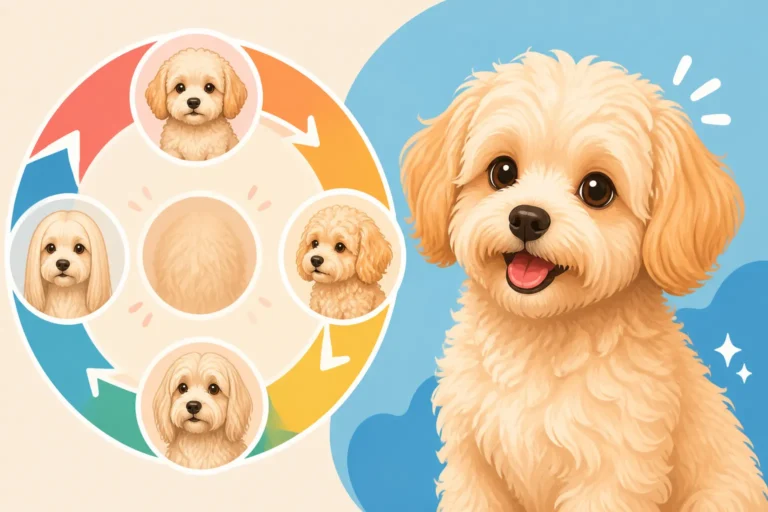
The biggest surprise for many new Maltipoo owners is the "coat change" or "puppy uglies" phase, which typically begins between 6 to 12 months of age and can last for several months. During this time, your puppy's soft, fine coat starts to give way to the thicker, denser adult coat. This isn't a gradual transition; it often feels like an overnight explosion of matting and texture shifts that can leave you bewildered and your Maltipoo looking a bit disheveled. It's a common developmental stage that almost all Maltipoos go through, regardless of their initial puppy coat type.
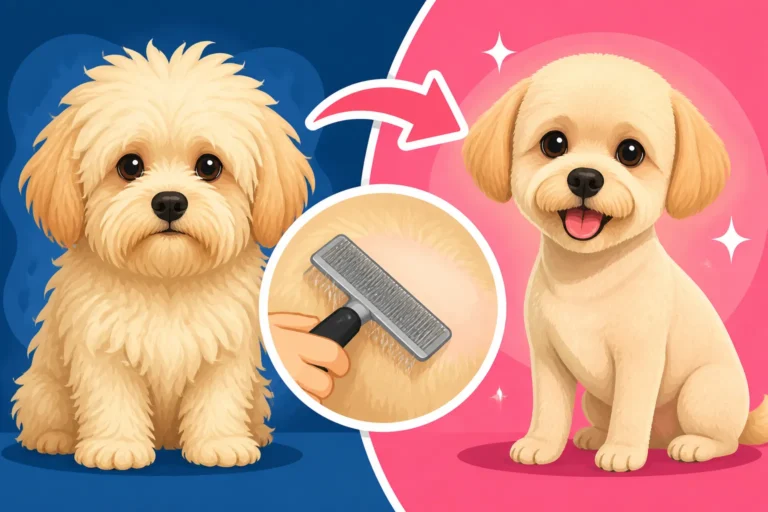
This period requires a significant increase in grooming effort. What used to be a quick brush once a week might now need to be a daily ritual to prevent painful mats from forming. The new adult hair intertwines with the remaining puppy fur, creating tangles that seem to appear out of nowhere. Many owners find themselves investing in new grooming tools, perhaps a better slicker brush and a steel comb found on sites like Amazon or specialized pet stores, just to keep up. It's a frustrating but temporary phase, and understanding it's coming can help you prepare.
The Adolescent Fluff and Matting Season
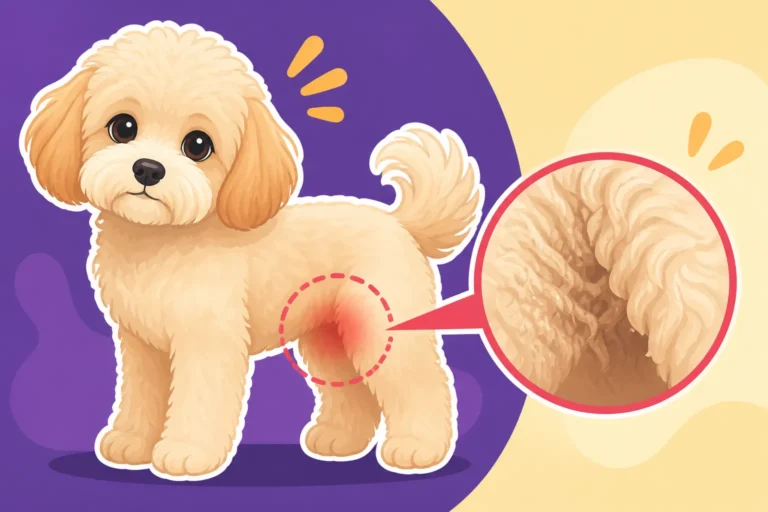
Picture this: your adorable, fluffy Maltipoo puppy hits around six months, and suddenly, their coat transforms into a magnet for tangles. This is the dreaded "adolescent fluff" or matting season. The finer, softer puppy hair starts to shed, but instead of falling to the floor, it gets caught in the emerging coarser adult coat. This creates a dense, felt-like underlayer that mats easily, especially in high-friction areas like behind the ears, in the armpits, and around the tail. It’s incredibly common, and it’s why many owners report their Maltipoo "knots overnight at ten months."
During this phase, what seemed like a manageable, low-maintenance puppy coat suddenly demands constant attention. You might be brushing daily, only to find new mats the next morning. It's not a sign you're doing anything wrong, but rather a normal part of their development. This is where patience and good tools become your best friends. Regular, thorough line brushing, working small sections of hair at a time, is key to preventing discomfort for your dog and massive grooming bills for you. Don't be afraid to ask your professional groomer for tips on how to handle Mats Behind a Maltipoo's Ears or other tricky spots.
Fading Colors and Unexpected Transformations
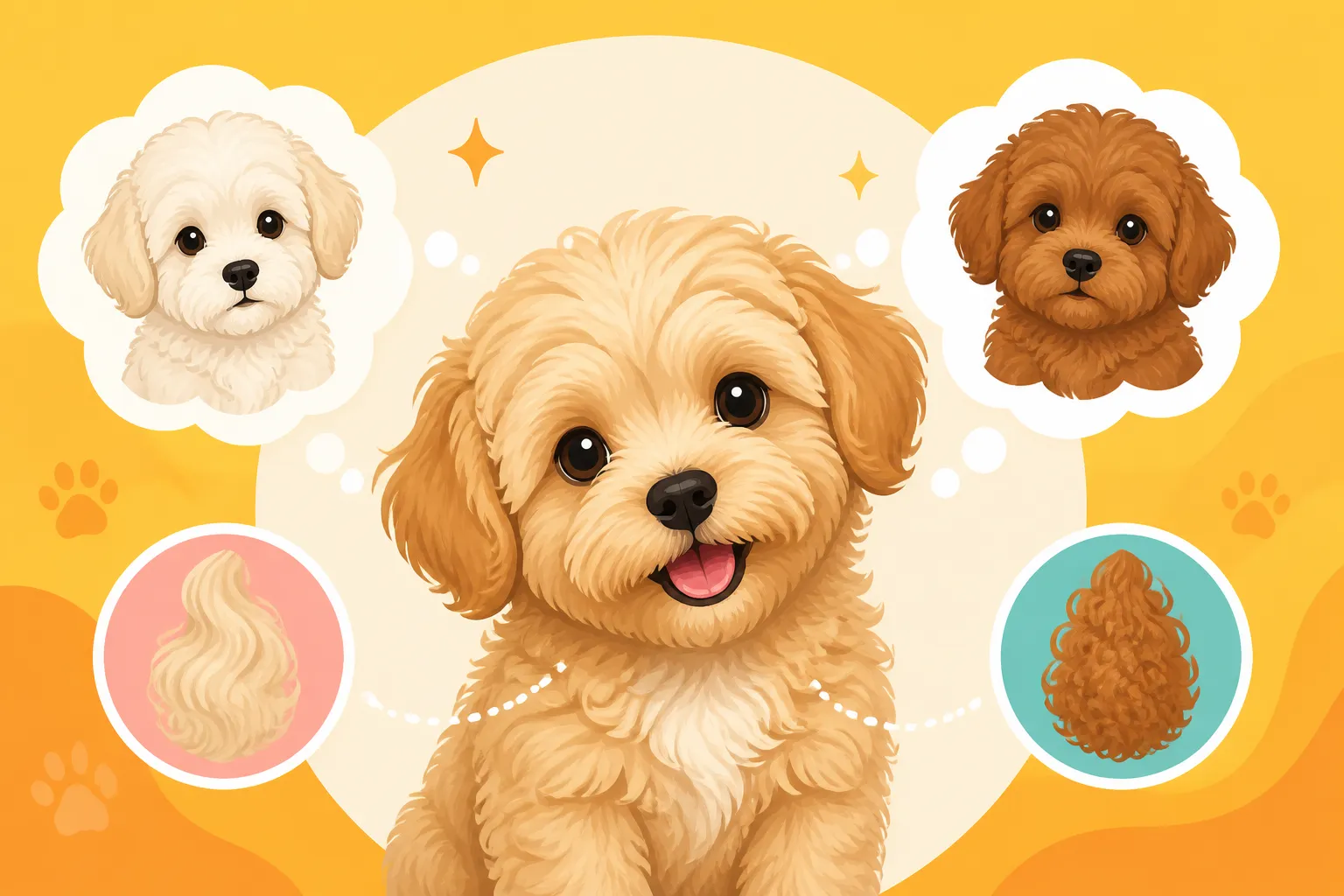
Beyond texture, a Maltipoo puppy's coat color can also be a surprising journey. Many Maltipoos are born with vibrant, rich colors – deep apricot, jet black, or even a striking red. Owners fall in love with these hues, expecting them to remain just as intense throughout their dog's life. However, it's very common for these colors to soften, lighten, or even completely change as the adult coat comes in. For example, a dark apricot puppy might fade to a cream or light tan, and a black puppy could become silver or a dusty gray. This phenomenon is often linked to the Poodle genetics, which carry "fading genes."
So, while your puppy's current color is beautiful, it's wise to hold expectations loosely. That bright red puppy might mellow into a lovely ginger, or a dark brown could turn into a cafe au lait shade. This isn't a flaw; it's just how Maltipoo coats often develop. While a breeder might give you some indication of what previous litters have done, there's no absolute guarantee your Maltipoo's color will remain precisely as it was in puppyhood. It's one of the charming, if sometimes unexpected, aspects of this mixed breed. Don't be surprised if you end up with a beautifully unique hue you never anticipated! You might want to read about Whether an Apricot Maltipoo Fades to understand this better.
What a Puppy Coat Cannot Predict
It’s easy to get caught up in predicting the future of your Maltipoo’s coat based on their puppy fluff, but there are definite limits to what those early strands can tell you. While you might hope for a perfectly non-shedding, easy-to-manage coat, the reality is that the adult coat's texture, density, and maintenance requirements are often much different, and more demanding, than what you see in puppyhood. Focusing too much on early coat predictions can set unrealistic expectations and leave you unprepared for the actual grooming demands.
What really matters in the long run isn't the precise curl pattern or shade of cream your puppy exhibits. Instead, it's about understanding the general type of coat they will have—a low-shedding, continuously growing coat that demands consistent care. This fundamental characteristic, inherited from both parent breeds, is a constant, regardless of whether they end up wavier or curlier. Embrace the mystery, but prepare for the commitment to keeping them tangle-free and comfortable.
Adult Coat Texture and Maintenance Needs
The most significant thing a Maltipoo puppy's coat cannot definitively tell you is the precise texture and maintenance level of their adult coat. You might see a slightly wavy puppy and imagine a beautifully flowing, easy-to-brush adult. However, the adult coat can come in significantly curlier, denser, and far more prone to matting than the puppy coat suggested. This is where many owners find themselves surprised by the true commitment required for grooming. The Poodle's strong curl genes can often assert themselves more forcefully as the dog matures.
Whether your Maltipoo ends up with a soft, wavy coat closer to the Maltese, or a tight, dense curl like a Poodle, or something delightfully in-between, the one constant is that it will grow continuously. This means regular brushing right down to the skin is non-negotiable to prevent painful mats. Forget those cute, fluffy puppy pictures – as they grow, they’ll need professional grooming every 6-8 weeks and diligent at-home care. You'll want to learn Combing a Maltipoo Down to the Skin early on. Stocking up on good quality brushes and combs from pet supply retailers like Chewy will be essential. This ongoing grooming is crucial to prevent mats that can lead to skin issues and discomfort for your dog.
The Limited Predictability of Future Health
Perhaps the most important thing a Maltipoo puppy's coat cannot tell you is anything about their future health. While a shiny, well-kept coat is often an indicator of good nutrition and general well-being in the moment, the appearance of a puppy's coat doesn't offer any insights into potential genetic health conditions that Maltipoos can be prone to. For instance, a puppy with a beautiful, thick coat could still be susceptible to conditions like patellar luxation or progressive retinal atrophy.
The appearance of the coat, whether it's perfectly white or a vibrant apricot, provides no window into internal health. Factors like joint health, eye conditions, or liver shunts are entirely separate from external coat characteristics. This is why choosing a puppy from a reputable breeder who performs health testing on the parent dogs is paramount. Don't let a "perfect" puppy coat distract you from asking crucial questions about the health clearances of the sire and dam. Good health is far more valuable than a specific coat type, and it’s something no amount of coat gazing can predict. You should always be asking The Four Certificates a Maltipoo Breeder Should Show to ensure you're getting a healthy puppy.
In summary, while your Maltipoo puppy's coat is undeniably adorable and sparks many dreams about their adult appearance, it offers only limited clues. Expect changes in texture and color, and be prepared for ongoing grooming regardless of their initial fluff. Focus on providing excellent care, preparing for the notorious "coat change," and prioritizing their overall health above all else. Brands like Ollie that focus on quality nutrition can support a healthy coat and overall well-being, but no food or coat care product can prevent genetic predispositions.
| Puppy Coat Characteristic | What it Might Indicate | What it Cannot Predict |
|---|---|---|
| Soft, fine texture | Initial low shedding, ease of initial brushing. | Final adult coat texture (e.g., tight curl vs. loose wave), density, or proneness to matting. |
| Visible waves/curls | A higher likelihood of a curlier adult coat, leaning Poodle. | The exact degree of curl, or that a straight puppy coat won't develop waves later. |
| Straight, silky hair | Might lean Maltese in coat type; some initial shedding could be seen. | That the adult coat will remain straight, or that it will be a heavy shedder. |
| Vibrant color (e.g., red, black) | The initial color you adore. | Whether the color will deepen, lighten, or fade significantly as an adult. |
| Absence of shedding | Strong genetic predisposition to low shedding. | That the coat will be "maintenance-free" or won't mat during the coat change. |
| General appearance | The current state of health and care. | Any underlying genetic health conditions or future medical needs. |
Disclaimer
This article is for general informational purposes only and does not constitute professional advice. Laws, prices and regulations vary by location and change over time. Consult a qualified professional for guidance on your specific situation.