Whether a Maltipoo’s Curl Tightens After Two
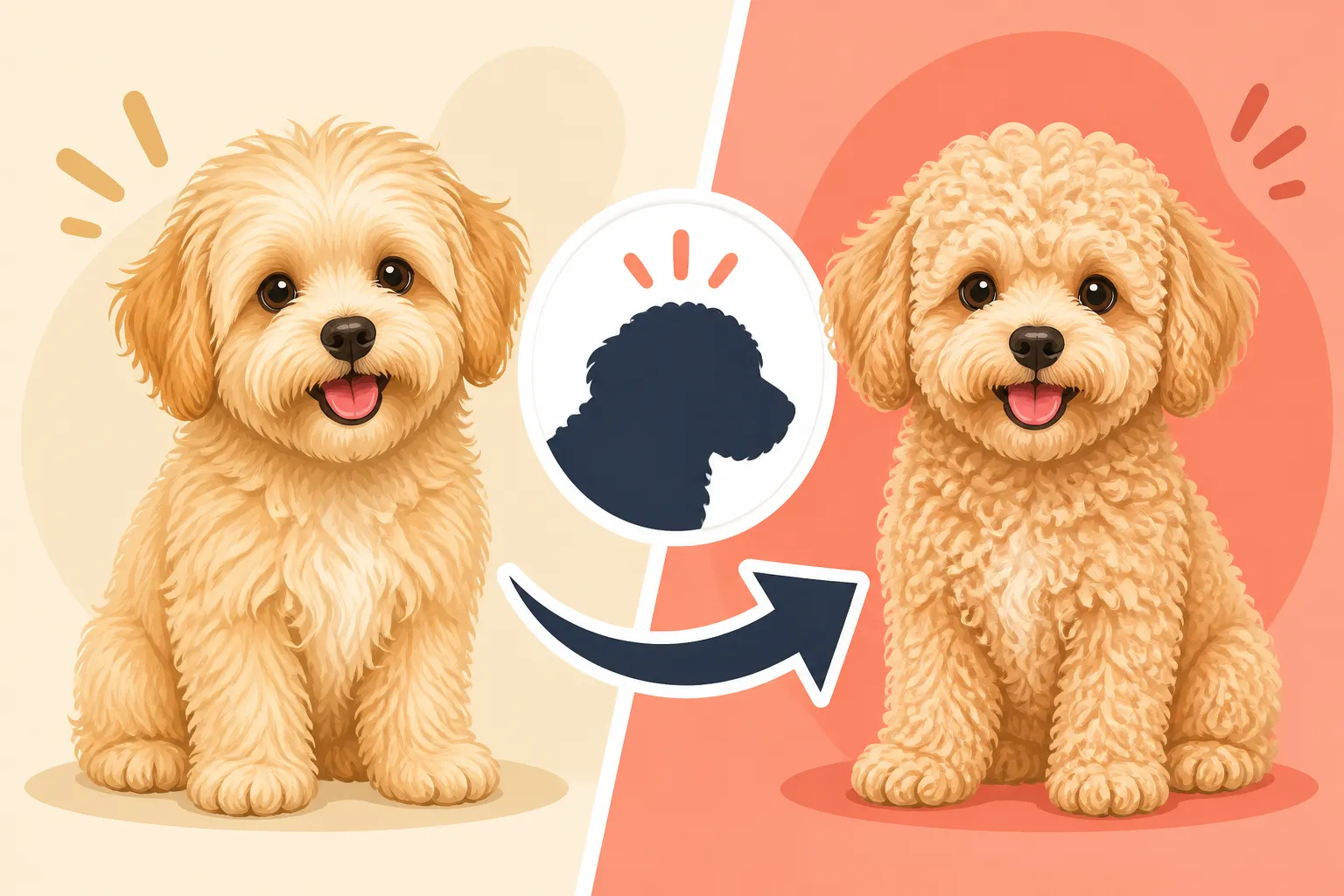
It’s such a common question from Maltipoo parents, isn’t it? You’ve watched your adorable little fluffball grow, their puppy coat transitioning, and now you’re wondering if that soft wave or gentle curl you see will actually tighten up more dramatically as they fully mature. It can feel a bit like waiting for a surprise, and understanding what to expect can definitely help you prepare for their grooming needs.
Understanding the Maltipoo Coat: A Genetic Tapestry
The Maltipoo's coat is truly a marvel, and also a bit of a genetic lottery, which is part of their charm but also their mystery! It's a blend of two distinct types of hair from their parent breeds, the Maltese and the Poodle, and how these genes combine in your individual pup dictates a lot about its texture, length, and how it behaves over time. Many owners are drawn to the Maltipoo specifically because of their low-shedding qualities, which both parent breeds share, making them a popular choice for those with allergies.
The Poodle's Influence: Curl and Growth
The Poodle side of your Maltipoo's lineage brings the hallmark curl and that continuous-growth hair. Poodle coats are famous for their dense, curly, and non-shedding nature. This curl is what often gives Maltipoos that "teddy bear" look, and it also contributes to their hypoallergenic reputation. The curl itself helps to trap any loose hair, preventing it from shedding all over your home.
It's important to remember that Poodle curls can vary, too. Some Poodles have very tight, dense curls, while others have a looser, more open curl. Your Maltipoo will inherit some version of this, and the tightness of the curl is determined by a combination of genes. This is also why The Curly Maltipoo Coat can look so different from The Wavy Maltipoo Coat or even The Straight Coated Maltipoo. This continuous growth means regular grooming is essential to prevent matting, as this type of hair doesn't have a natural "stop" point.
The Maltese Contribution: Silky Flow
On the other side of the genetic coin, we have the Maltese. The Maltese is known for its long, flowing, silky single coat. Unlike the Poodle's dense curl, the Maltese coat is straight, fine, and lacks an undercoat. It's often described as being like human hair in texture. This silkiness contributes to the Maltipoo's soft feel and can add a beautiful sheen to their coat.
When these two coat types combine, you get the incredible variety we see in Maltipoos. Some Maltipoos will lean more towards the Poodle's curly texture, others will have a wavier, softer curl that hints at the Maltese influence, and some might even have a straighter, silkier coat with just a slight wave. It’s truly fascinating how different littermates can present with completely unique coats, even though they share the same parents. This genetic interplay means that while the potential for curl is there, the expression of that curl can be quite diverse.
Early Coat vs. Adult Coat: The "Fluffball Stage"
Every Maltipoo owner will tell you about the "fluffball stage." When they're tiny puppies, Maltipoos often have a softer, fluffier coat that might not show its true adult texture. This is completely normal! It’s similar to how human babies have very fine hair that changes as they get older. As your Maltipoo grows, typically between 6 months and 18 months, their puppy coat starts to shed out, making way for their denser, more mature adult coat. This transition period is when many owners start to notice the real texture and curl developing.
During this time, you might notice increased matting, even if you’ve been diligent with brushing. This is because the softer puppy hair gets tangled with the coarser adult hair coming in, creating a perfect storm for knots. It's also often when you get a better sense of Whether a Maltipoo Puppy's Coat Tells You Anything about its adult texture. Patience and consistent grooming are key here. Many owners opt for shorter "puppy cuts" during this phase to make management easier, as the longer hair can become a nightmare of tangles if not meticulously cared for. This significant coat change period can sometimes last quite a while, often up to How Many Months a Maltipoo's Coat Change Runs.
The Two-Year Mark: Is It a Myth or a Milestone for Curl?
So, back to the big question: does a Maltipoo's curl tighten after two years? It's a common belief, and there's some truth to the idea of a settling coat, but it's not a universal rule or a dramatic transformation for every single Maltipoo out there.
The Reality of Maturation
For most Maltipoos, the most significant coat changes occur during that puppy-to-adult transition, roughly between 6 months and 1.5 to 2 years of age. During this period, the coat often thickens, and the true texture, whether it's curly, wavy, or straighter, really establishes itself. By the time a Maltipoo is around two years old, their adult coat is largely in place.
While you might not see a dramatic tightening of the curl after two years, what you might observe is a continued maturation. The coat can become denser, fuller, and perhaps the existing waves or curls might appear more defined simply due to increased volume and texture. Think of it less as a sudden shift and more as a gradual filling out. If your Maltipoo had a loose wave at 18 months, it's unlikely to suddenly develop tight Poodle-like curls at 2.5 years. Its genetic predisposition for curl will have already been expressed. It's really about the full expression of the genes that control The Coat a Maltipoo Gets From Two Non Shedding Parents.
Factors That Can Affect Curl Appearance (Beyond Genetics)
While genetics are the primary determinant of curl, there are a few other factors that can influence the appearance of your Maltipoo’s coat, making it seem like the curl is tightening or changing, even after two years:
- Humidity and Weather: Just like human hair, a Maltipoo's coat can react to humidity. In damp weather, curls might appear more defined and "poofier," while in dry conditions, they might relax a bit. This isn't a permanent change to the curl pattern but a temporary environmental effect.
- Grooming Practices: How you groom your Maltipoo can significantly impact how curly or wavy their coat appears. If a groomer uses heavy conditioners and blow-dries the coat straight, it might temporarily mask the natural curl. Conversely, if they let the coat air dry or scrunched it while drying, the curls would be more prominent. Regular brushing is crucial, especially for preventing mats, which can make the coat appear less uniform. Without proper combing, the coat can become matted, hiding its natural texture.
- Hair Length: This is a big one. A shorter cut, like What a Puppy Cut Looks Like on a Maltipoo, often makes the existing curl or wave much more noticeable because the weight of the hair isn't pulling it down. As the hair grows longer, the weight can naturally pull out some of the curl, making it appear wavier or even straighter, especially around the ears and tail. A common choice like What a Teddy Bear Trim Looks Like on a Maltipoo balances length with manageability, often highlighting the natural curl.
- Hormonal Changes: While less common than in adolescent dogs, some hormonal shifts in older dogs could potentially have a subtle effect on coat quality, but this isn't typically associated with a dramatic tightening of curl. More often, hormonal changes might affect shedding or coat thickness rather than the curl pattern itself.
When You'll Know Your Maltipoo's True Coat
Generally speaking, by the time your Maltipoo is between 18 months and 2 years old, you've likely seen the full extent of their adult coat develop. The texture, density, and natural curl or wave pattern they have at this point are usually what you can expect for the rest of their lives, barring any extreme health issues or drastic changes in grooming.
If you're still seeing significant changes in curl after two years, it might be due to changes in grooming routine, climate, or simply a slower maturation process for your particular dog. Every Maltipoo is an individual, and while general timelines exist, there are always variations. The key takeaway is not to expect a dramatic transformation, but rather a settling into the coat they've genetically inherited.
Managing the Evolving Maltipoo Coat
Regardless of whether your Maltipoo's curl tightens or not, managing their coat effectively is paramount to their comfort and health. Their unique blend of Poodle and Maltese hair requires consistent attention to prevent painful matting and keep them looking their best.
Adapting Your Grooming Routine
As your Maltipoo's coat matures, your grooming routine needs to adapt. That fluffy puppy coat might have been a breeze, but the denser adult coat can become a challenge. Here's what you need to consider:
- Daily Brushing: This is non-negotiable for most Maltipoos, especially those with curlier or wavier coats. A good quality slicker brush and a metal comb are your best friends. You need to brush all the way down to the skin to prevent mats from forming close to the body, where they can be hidden but incredibly painful. Focus on common matting areas like behind the ears, armpits, and where the harness sits.
- Regular Professional Grooming: Even with daily brushing, professional grooming every 4-8 weeks is essential. A professional groomer can tackle knots you might miss, ensure a proper haircut, and keep nails and ears in check. Be clear with your groomer about the length you prefer and if you want to emphasize or minimize the curl.
- Bathing: Regular bathing with a good quality dog shampoo and conditioner is important. Conditioner helps to soften the coat and make it more manageable, reducing tangles. Always make sure to thoroughly dry your Maltipoo's coat after a bath, combing it out as you go, to prevent mats from setting in.
Here’s a quick overview of how coat changes might impact grooming:
| Age of Maltipoo | Typical Coat Texture | Grooming Focus |
|---|---|---|
| Puppy (0-6 months) | Soft, fluffy, less dense | Gentle introduction to brushing, short sessions |
| Adolescent (6-18 months) | Transitioning, puppy hair shedding, adult coat growing in; prone to matting | Daily thorough brushing, professional grooms more frequently (every 4-6 weeks) |
| Adult (18 months +) | Established adult coat (curly, wavy, or straighter), denser, continuous growth | Daily brushing, professional grooms every 6-8 weeks, attention to specific matting areas |
You can find great tools and shampoos on platforms like Chewy or Amazon, making it easy to keep up with your home grooming between professional appointments. Investing in quality products for How Often a Maltipoo's Teeth Should Be Brushed is also part of their overall hygiene, which can subtly influence their overall health and thus coat quality.
Nutrition and Coat Health
A healthy coat isn't just about what you do on the outside; it's also about what you put on the inside! Your Maltipoo's diet plays a significant role in the health, shine, and even texture of their coat.
- High-Quality Food: Feed a premium dog food that lists real meat as the first ingredient. Look for foods rich in omega-3 and omega-6 fatty acids, as these are fantastic for skin and coat health. Brands like Ollie, known for fresh, human-grade ingredients, can sometimes make a noticeable difference in coat quality for some dogs, but always check their specific nutritional values.
- Supplements: If your Maltipoo has particularly dry skin or a dull coat, your vet might recommend a fish oil supplement or other skin and coat supplements. Always consult with your veterinarian before adding any supplements to your dog's diet.
- Hydration: Ensure your Maltipoo always has access to fresh, clean water. Good hydration is crucial for overall health, including skin and coat condition.
A well-nourished Maltipoo will have a healthier, shinier coat that is often easier to manage, regardless of its curl pattern. Just like Feeding a Six Pound Maltipoo by the Ounce, Not the Scoop is important for their waistline, precise, high-quality nutrition is vital for their coat.
Seeking Professional Guidance
If you’re ever concerned about your Maltipoo’s coat, whether it’s excessive matting, dry skin, dullness, or changes in texture that seem unusual, don't hesitate to reach out to your veterinarian or a professional groomer.
A vet can rule out any underlying health issues that might be affecting the coat, such as allergies, nutritional deficiencies, or skin conditions. Sometimes, what looks like a change in curl might be a symptom of something else. For instance, Allergies Behind a Maltipoo's Itching can lead to skin irritation and a compromised coat.
A professional groomer can offer invaluable advice on specific brushes, techniques, and products tailored to your Maltipoo’s unique coat type. They see hundreds of dogs and can often spot issues or offer solutions that an average owner might not consider. Don't be shy about asking them for tips on home grooming between visits. They are a fantastic resource for helping you maintain your Maltipoo's beautiful, healthy coat throughout their life.
Disclaimer
This article is for general informational purposes only and does not constitute professional advice. Laws, prices and regulations vary by location and change over time. Consult a qualified professional for guidance on your specific situation.