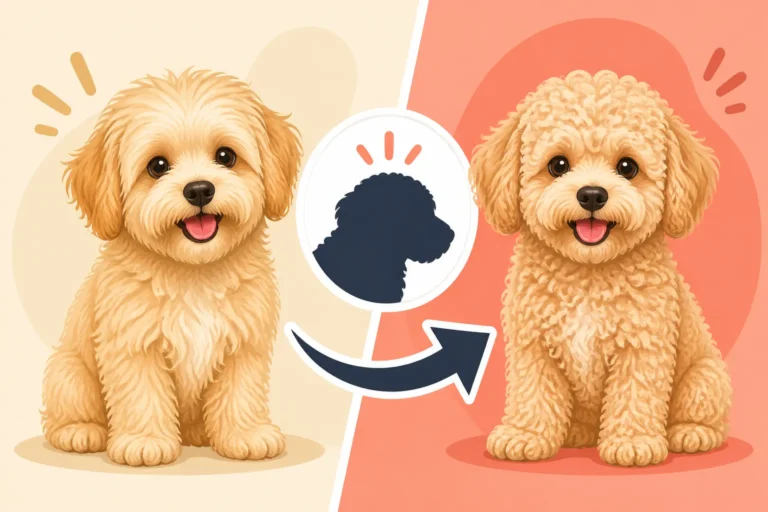
How Many Months a Maltipoo’s Coat Change Runs
If you've welcomed a fluffy Maltipoo puppy into your home, you're likely enjoying their soft, cloud-like fur. But perhaps you've heard whispers about a "coat change" and are starting to notice their once easy-to-manage puppy fluff is becoming a tangly mess, leaving you scratching your head about what's happening and how long this transformation will actually take. This guide is here to demystify the Maltipoo coat change, explaining exactly what to expect, why it happens, and most importantly, how to navigate this sometimes-frustrating period of your dog's development.
Understanding the Maltipoo Coat: A Blend of Two Worlds
The Maltipoo coat is truly a marvel, inheriting characteristics from both the graceful Maltese and the intelligent Poodle. This unique blend is what gives them their signature soft, often curly or wavy, and famously low-shedding fur. But "low-shedding" doesn't mean "no maintenance," especially when their coat decides to undergo a major transition.
The Maltese Influence on Coat Texture
From the Maltese side, your Maltipoo inherits that incredibly soft, fine hair that can feel like silk. The Maltese coat is known for its single layer, lacking an undercoat, which contributes to its low-shedding nature. However, this fine texture can also be prone to matting and tangling if not cared for meticulously. Think of it like very fine human hair – it looks beautiful but can knot up easily, especially when exposed to friction or moisture. This delicacy is a significant factor in why The Coat a Maltipoo Gets From Two Non Shedding Parents can present grooming challenges.
What this means for the coat change is that when the coarser adult hairs start to push through this finer puppy fluff, they create a perfect storm for tangles. The Maltese influence is often strongest in Maltipoos with a straighter or wavier coat, making that transition period particularly noticeable as the new hair tries to intermingle with the old.
The Poodle's Contribution to Curl and Growth
On the Poodle side, your Maltipoo gets its characteristic curl, density, and continuous growth. Poodles have a dense, curly, single-layer coat that grows indefinitely, much like human hair. This coat type also sheds minimally because the loose hairs get caught within the curls instead of falling out. While this is great for allergy sufferers, it's also why Poodles and Poodle mixes require regular grooming to prevent matting.
Depending on how much of the Poodle gene your Maltipoo inherited, their coat might range from loose waves to tight curls. The tighter the curl, the more effectively it traps shedding hair, but also the more prone it is to matting if not brushed regularly. During the coat change, these continuously growing, curly Poodle-like hairs are the ones pushing out the softer puppy fur, leading to a confusing mix of textures that are destined to knot together. It's a testament to Whether an F1 Maltipoo's Temperament Is Predictable and physical traits that you can see such a blend in their fur.
What "Non-Shedding" Really Means for a Maltipoo
Let's clarify something important right off the bat: there's no such thing as a truly "non-shedding" dog. All dogs shed hair, just like humans do. However, Maltipoos, due to their Poodle and Maltese heritage, are considered "low-shedding" or "hypoallergenic." This means they shed significantly less visible hair around your home compared to breeds with double coats or those that "blow" their coat seasonally.
The reason for this minimal shedding is that their hair grows in a continuous cycle, and when old hairs naturally detach from the follicle, they get tangled in the surrounding coat instead of falling to the floor. While this sounds ideal for keeping your house clean, it's precisely why regular brushing and grooming are non-negotiable for a Maltipoo. If those shed hairs aren't brushed out, they will quickly form mats, especially during the dreaded coat change. Understanding this fundamental aspect of their fur is key to preventing major grooming headaches down the line.
The Great Coat Change: When and Why It Happens
Just like human babies lose their soft, fine baby hair for a more robust adult mane, Maltipoo puppies go through a similar, albeit furrier, transformation. This period can sometimes feel like a daily battle against tangles and knots, leaving many owners feeling bewildered and frustrated.
The Puppy Coat: Soft, Fluffy, and Short-Lived
When you first bring home your adorable Maltipoo puppy, their coat is typically incredibly soft, fine, and relatively easy to manage. It's often shorter, a bit sparse, and has a delightful fluffy texture that makes them feel like a little cloud. This "puppy coat" is truly wonderful, requiring less intensive grooming than what's to come. You might be able to get by with just a quick brush a few times a week, and mats are generally minimal. This early stage gives new owners a false sense of security, making the later coat change feel even more abrupt.
However, this precious puppy coat isn't meant to last. It's a temporary phase, a developmental stage before their adult fur begins to emerge, bringing with it a whole new set of grooming needs. It’s important not to get too used to this easy phase, as the storm of new hair is brewing.
The Transition Period: From Puppy to Adult Fur
The coat change, sometimes referred to as "blowing the puppy coat" or "changing coat," is the process where your Maltipoo's soft, fine puppy fur is gradually replaced by their thicker, coarser, and often curlier or wavier adult coat. This isn't a sudden event where all the puppy hair falls out overnight; rather, it's a slow, steady, and often uneven transition. New adult hairs start growing in, pushing out the old puppy hairs, but those old hairs don't just magically disappear. Because they get caught in the growing adult coat, they weave together, creating a dense, tangled mess that seems to appear out of nowhere.
This intermingling of two distinct hair types – the fine, light puppy fur and the denser, more mature adult fur – is the primary reason for the increased matting and tangling during this period. It’s a bit like trying to comb through a mixture of cotton candy and coarse wool; they just want to stick to each other. Many owners are caught off guard by the intensity of this change, often wondering The Month a Maltipoo Starts Matting Daily.
Hormonal Shifts and Their Role in Coat Development
While the most visible reason for coat change is simply developmental growth, hormonal shifts also play a subtle but significant role in a Maltipoo's coat development. As puppies mature into adolescence, their bodies undergo various hormonal changes, much like human teenagers. These hormones influence hair growth cycles, thickness, and even texture. For example, as a Maltipoo approaches sexual maturity, usually around six months to a year, these hormonal shifts can trigger the acceleration of the adult coat growth.
Spaying or neutering can also sometimes impact a dog's coat, though this is often more noticeable in other breeds. In Maltipoos, you might observe subtle changes in coat texture or density post-surgery, but the primary coat change from puppy to adult fur will typically already be well underway or completed. Understanding that these internal factors are at play can help you appreciate that the coat change isn't just a surface-level phenomenon but a natural part of your Maltipoo's journey to adulthood.
Navigating the Coat Change: What to Expect and How Long It Lasts
This is often the most challenging period for Maltipoo owners, as grooming demands escalate dramatically. It's essential to be prepared, patient, and consistent to help your furry friend through this phase without resorting to a full shave-down.
The Duration of the Coat Change Marathon
Now, to answer the burning question: How many months does a Maltipoo's coat change run?
The Maltipoo coat change typically begins around 4 to 6 months of age and can continue intensely for several months, often lasting until they are 9 to 18 months old, sometimes even closer to two years of age for some individuals. Yes, it's a marathon, not a sprint!
The peak intensity, where you'll notice the most matting and tangling, usually occurs between 6 and 12 months. During these months, it might feel like you are brushing constantly, only for new knots to appear moments later. This extended period is due to the gradual nature of hair growth and replacement. Not all puppy hairs fall out at once, and not all adult hairs grow in simultaneously. It's a phased process, which unfortunately means a prolonged period of increased grooming vigilance. This long timeframe is a critical piece of information that many owners wish they had known earlier.
Increased Matting and Tangling: The Biggest Challenge
Without a doubt, the most frustrating aspect of the Maltipoo coat change is the relentless matting and tangling. As the softer puppy hair begins to loosen and shed, it gets trapped within the denser, growing adult coat. This creates a felt-like texture that can quickly form tight knots, particularly in high-friction areas like behind the ears, under the armpits, around the collar area, and on the legs. These mats aren't just cosmetic; they can be incredibly painful for your Maltipoo, pulling on their skin and even causing skin infections if left untended.
It's common for owners to feel overwhelmed during this time. You might brush your Maltipoo thoroughly in the morning, only to find new mats by evening. The key is to understand that this is normal and not a reflection of your grooming skills. The mixed textures are simply predisposed to knotting. Consistent, daily effort is your best defense against serious matting that might otherwise lead to a painful shave-down at the groomer. Many owners are dismayed to find Whether a Maltipoo Knots Overnight at Ten Months is very real.
Practical Grooming Strategies During Transition
To combat the intense matting during the coat change, you need a robust and consistent grooming strategy. Daily brushing is no longer optional; it's absolutely essential.
Here’s how to approach it:
- Invest in the Right Tools: You'll need a good quality slicker brush and a metal comb (preferably a greyhound comb with both wide and fine teeth). A detangling spray can also be a lifesaver, making it easier to work through knots without damaging the hair or hurting your dog. Look for these tools on sites like Chewy or Amazon.
- Line Brushing: This technique is crucial. Instead of just brushing the top layer, you need to section the coat and brush from the skin out, layer by layer. Start at the bottom of a leg or flank, hold the hair above with one hand, and brush a small section from the skin to the ends. Once that section is knot-free, drop a little more hair and repeat. This ensures you're reaching any hidden mats.
- Daily Sessions: Aim for at least 15-30 minutes of dedicated brushing every single day during the peak coat change period. Short, consistent sessions are much more effective (and less stressful for your dog) than sporadic, hour-long battles.
- Detangling Sprays: Before brushing, mist the coat with a good detangling spray. This lubricates the hair, making it easier for the brush to glide through and reducing breakage.
- Focus on Problem Areas: Pay extra attention to areas prone to matting: behind the ears, under the chin, in the armpits, inner thighs, and anywhere a harness or collar rubs. This is especially true for Mats Behind a Maltipoo's Ears.
- Professional Help: Don't be afraid to schedule more frequent professional grooming appointments, perhaps every 4-6 weeks, during this intense phase. A professional groomer has the tools and expertise to handle stubborn mats and can keep the coat at a manageable length, like a "puppy cut" or "teddy bear trim," to make your home grooming easier. They can also educate you on The Trim a Maltipoo Owner Should Ask For.
Beyond the Change: Maintaining the Adult Maltipoo Coat
Once your Maltipoo has fully transitioned to their adult coat, the intense daily matting usually subsides. However, their coat still requires consistent care to remain healthy, beautiful, and tangle-free throughout their lives. This is a commitment that lasts for The Twelve to Fifteen Years a Maltipoo Lives.
Establishing a Regular Grooming Routine
Even after the puppy coat is completely gone, a Maltipoo's adult coat still grows continuously and will mat if neglected. You might be able to stretch brushing sessions to every other day or every third day, depending on the coat type (curlier coats tend to mat faster). The key is consistency. A weekly thorough line brushing session, along with quick daily touch-ups on high-friction areas, will prevent most problems.
Regular bathing, typically every 3-4 weeks, is also important to keep the coat clean and healthy. Always brush out any tangles before bathing, as water will tighten mats, making them nearly impossible to remove. Use a quality dog shampoo and conditioner, and ensure the coat is thoroughly dried and brushed out afterward to prevent new mats from forming. This routine needs to include Brushing a Maltipoo's Teeth Every Single Day as well, which is an often-overlooked grooming task.
Essential Tools for the Maltipoo Coat
Having the right arsenal of grooming tools is non-negotiable for a Maltipoo owner. It makes the job easier, more effective, and more comfortable for your dog.
- Slicker Brush: Essential for removing loose hair and working through tangles. Choose one with fine, bent wire bristles.
- Metal Comb (Greyhound Comb): Crucial for finding hidden mats and ensuring you've brushed down to the skin. The wide-toothed side for initial passes and the fine-toothed side for finishing.
- Pin Brush: Good for general brushing and for longer coats, but it won't get to the skin like a slicker. Often used for finishing.
- Detangling Spray: A leave-in conditioner or detangling spray makes brushing much easier. Brands like those found on Amazon or Chewy offer many options.
- Scissors with Blunt Tips: For carefully trimming hair away from the eyes, paws, and sanitary areas between professional grooms.
- Nail Clippers/Grinder: Regular nail trims are vital for paw health.
- Ear Cleaning Solution & Cotton Balls: To keep those floppy ears clean and prevent infections. You can find excellent ear care products on Chewy.
Remember, always introduce grooming tools slowly and with positive reinforcement to make it a pleasant experience for your Maltipoo.
Professional Grooming vs. At-Home Care
For many Maltipoo owners, a combination of professional grooming and diligent at-home care is the most effective approach.
- Professional Grooming: Regular appointments (every 4-8 weeks, depending on coat length and personal preference) with a professional groomer are highly recommended. They have specialized equipment (like high-velocity dryers and professional clippers) and expertise in handling tricky coats. They can provide full haircuts, sanitary trims, nail trims, and ear cleaning, keeping your Maltipoo looking their best. Discussing What a Puppy Cut Looks Like on a Maltipoo or a "teddy bear cut" can help you achieve a manageable style.
- At-Home Care: This involves the daily or every-other-day brushing, checking for mats, cleaning around the eyes (especially for Tear Staining on a Light Coated Maltipoo), and maintaining hygiene between professional visits. You can also learn to do face trims and sanitary trims yourself to keep things tidy. Brands like Ollie, while known for food, often have advice on holistic pet care, including grooming, that emphasizes the health benefits of regular maintenance.
It’s a team effort. Your groomer can do the heavy lifting, but your consistent work at home is what truly prevents discomfort and expensive mat removal fees. Neglecting grooming can lead to severe matting, which may necessitate shaving the dog down, which is often a last resort and can be a traumatic experience for the dog.
Maltipoo Coat Change Overview
Here's a quick overview of the Maltipoo coat change stages and what to expect:
| Stage | Age Range | Coat Characteristics | Grooming Needs | Key Challenges |
|---|---|---|---|---|
| Puppy Coat | Birth – 4/6 Months | Soft, fine, fluffy, relatively short, easy to manage | Regular brushing 2-3 times/week. Introduce tools gently. | Establishing a positive grooming foundation. |
| Coat Change Begins | 4 – 6 Months | Puppy coat mixing with emerging adult coat. | Daily brushing (slicker & comb), focus on line brushing. Use detangling spray. | Increased matting, tangles, especially in high-friction areas. Puppy resistance to grooming. |
| Peak Coat Change | 6 – 12 Months (can extend) | Dense mix of puppy and adult hair. Matting is severe. | DAILY, thorough line brushing (15-30 min). More frequent professional grooms (4-6 weeks). | Persistent, rapid mat formation. Frustration for owner. Potential for painful mats. |
| Transitioning Out | 12 – 18 Months (up to 2 years) | Adult coat becoming dominant, puppy coat mostly gone. | Daily/every other day brushing. Consistent professional grooms. | Remaining stubborn puppy coat pockets. Refining adult grooming routine. |
| Adult Coat | 18 Months + | Thicker, denser, typically curlier/wavier. Less matting (if maintained). | Regular brushing 3-4 times/week. Professional grooms every 6-8 weeks. Consistent at-home care. | Preventing mats from forming due to continuous growth. Maintaining coat health. |
This coat change is a significant part of your Maltipoo's first year or two, and while it requires dedication, the reward is a beautiful, healthy coat and a comfortable, happy companion. Stay diligent, be patient, and don't hesitate to seek advice from your groomer or vet if you're struggling.
Disclaimer
This article is for general informational purposes only and does not constitute professional advice. Laws, prices and regulations vary by location and change over time. Consult a qualified professional for guidance on your specific situation.