Whether a Maltipoo’s Coat Ever Stops Growing
It's a common question that swirls through the minds of Maltipoo parents, often right after they've finished painstakingly brushing out a new mat or just gotten back from a pricey grooming appointment: Does this ever stop? When you look at their fluffy, perpetually growing coats, it really feels like an endless cycle. This guide is here to shed some light on the unique nature of your Maltipoo's fur, why it behaves the way it does, and what that means for your daily routine and budget.
Understanding the Maltipoo's Unique Coat Growth Cycle
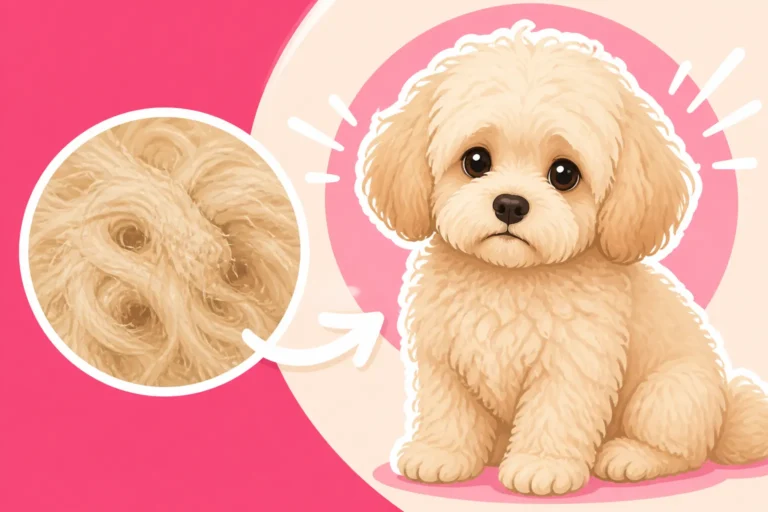
If you've ever owned a dog that "sheds" in the traditional sense – leaving little tumbleweeds of fur across your floor and coating your black pants in white fuzz – you know that a Maltipoo is a completely different experience. Their coat doesn't really "shed out" in cycles like many other breeds. Instead, it just keeps growing, much like human hair. This characteristic is directly inherited from both their Maltese and Poodle parents, two breeds renowned for their continuous hair growth and minimal shedding.
The Genetics Behind Continuous Growth
The magic behind your Maltipoo's ever-growing, low-shedding coat lies deep within its genetic makeup. Both the Maltese and the Poodle carry specific genes that result in hair that grows for a longer period before entering a resting or shedding phase, or in some cases, barely entering a shedding phase at all. This means that instead of strands detaching from the follicle and falling out to be replaced by new ones on a seasonal or regular basis, your Maltipoo's hair simply continues to lengthen. It's a bit like having a furry child who never needs a haircut unless you take them for one! This genetic trait is what makes them so appealing to those with allergies, as there's less dander and loose hair floating around to trigger reactions.
However, this wonderful trait comes with its own set of responsibilities. Because the hair doesn't fall out, any loose, dead strands remain trapped within the coat, inevitably leading to tangles and mats if not regularly brushed. This is why you'll often hear that Whether Any Maltipoo Is Truly Non Shedding is a bit of a misnomer; they do lose some hair, but it gets caught in their own coat.
Comparison to Double-Coated Breeds
To truly appreciate the Maltipoo's coat, it helps to understand how it differs from double-coated breeds, like a German Shepherd or a Golden Retriever. Double-coated dogs have two layers: a soft, insulating undercoat and a coarser, protective topcoat. These breeds "blow their coat" a couple of times a year, meaning they shed massive amounts of undercoat to adapt to seasonal temperature changes. During these periods, you'd be filling vacuum bags daily and finding hair everywhere.
In stark contrast, your Maltipoo has a single coat, often described as hair rather than fur. This means no seasonal "blowing" of a thick undercoat. While they still experience some hair turnover – individual strands do eventually die and detach – this process is much slower and less dramatic. The main challenge isn't the hair falling out, but the hair staying in the coat, intertwining with the growing hair and creating knots. This continuous growth, without a natural shedding release, is precisely why regular grooming is non-negotiable for a Maltipoo. It's not about preventing shedding; it's about preventing a matted mess.
The Practical Realities of a Continuously Growing Coat
So, the short answer to "Does a Maltipoo's coat ever stop growing?" is generally no, not in the way a shedding dog's coat does. This continuous growth is a defining characteristic of the breed and profoundly impacts the care they require. Understanding this reality is key to keeping your Maltipoo comfortable, healthy, and looking their best. It means that grooming isn't a periodic luxury; it's a fundamental part of their well-being.
The Never-Ending Need for Grooming
Because your Maltipoo's coat constantly grows and doesn't shed out, it's prone to matting at an alarming rate. You might feel like you just brushed them yesterday, only to find a new tangle behind an ear or under an armpit. These aren't just cosmetic issues; mats can become incredibly tight and pull on your dog's skin, causing pain, irritation, and even skin infections if left untended. Severe matting can restrict movement, hide parasites, and make your Maltipoo utterly miserable.
This is why regular brushing, ideally daily or every other day, is crucial. It helps remove any loose hairs and prevents them from forming dense, painful mats. Beyond brushing, professional grooming appointments are an absolute necessity. Most Maltipoos need a full trim every 4-8 weeks, depending on how quickly their hair grows and how long you prefer to keep their coat. Skipping these appointments, even just once, can lead to a coat that's difficult or impossible to salvage without shaving it down completely. It's a commitment, but one that ensures your little buddy stays happy and healthy. How Many Times a Week a Maltipoo Needs Combing really isn't an exaggeration!
What Happens When Growth Isn't Managed
Neglecting a continuously growing coat can quickly turn into a nightmare for both you and your Maltipoo. What starts as a few small tangles can rapidly escalate into full-blown matting, especially in areas of friction like behind the ears, under the legs, around the collar, and where the harness sits. These mats tighten over time, becoming solid felt-like patches that are excruciating for your dog. Imagine having your hair constantly pulled tight on your scalp – that's what a matted coat feels like.
In severe cases, mats can restrict blood flow, cause skin sores, and harbor bacteria, leading to painful infections. If a coat becomes "pelted" (matted so severely it forms a solid shell against the skin), the only humane solution is often a complete shave down by a professional groomer, sometimes under veterinary supervision if the mats are too close to the skin or the dog is too distressed. This is not only uncomfortable for the dog but can also be costly and requires starting the grooming regimen from scratch. It’s a harsh reminder that your Maltipoo’s coat is beautiful precisely because it never stops growing, but it demands consistent attention.
Managing Your Maltipoo's Ever-Growing Tresses
Given that your Maltipoo's coat is a perpetual growth machine, establishing a consistent and effective grooming routine is paramount. It's not just about aesthetics; it's about their comfort, health, and preventing painful issues. Embracing this reality will make life much easier for both you and your furry companion.
Establishing a Regular Grooming Schedule
A regular grooming schedule is the cornerstone of Maltipoo care. This typically involves a combination of at-home maintenance and professional appointments. For most Maltipoos, a trip to the professional groomer every 4-8 weeks is essential for a full bath, brush, and haircut. The groomer can address challenging areas, check for skin issues, and ensure your Maltipoo is trimmed to a comfortable length. The specific frequency might depend on The Two Week Face Trim a Maltipoo Needs or how quickly your individual dog's coat grows.
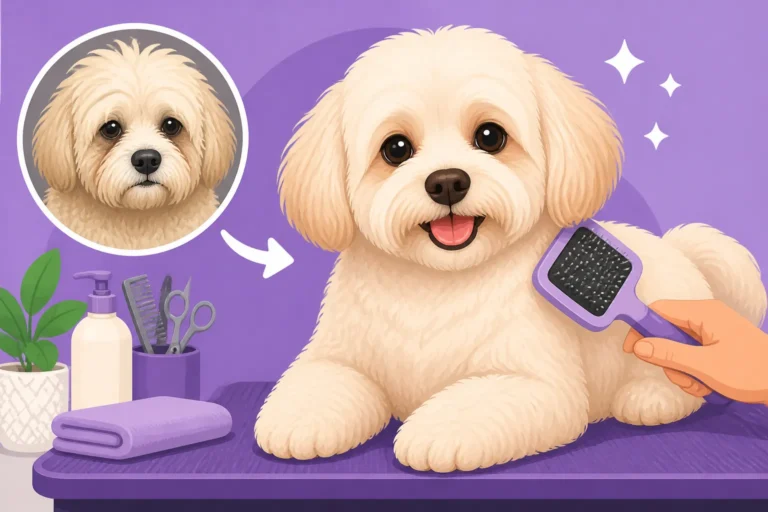
Between professional grooms, daily or every-other-day brushing at home is critical. Use a slicker brush and a metal comb to work through the coat, making sure to get down to the skin. Pay special attention to "hot spots" for matting: behind the ears, under the armpits, around the neck, and on the tail. A good quality leave-in conditioner or detangling spray can also be immensely helpful during brushing sessions. Brands like Chewy and Amazon offer a wide array of brushes, combs, and conditioning sprays specifically designed for long, non-shedding coats that can make this process smoother.
Tools and Techniques for Home Care
Equipping yourself with the right tools and knowing how to use them will make a world of difference in managing your Maltipoo's coat.
Essential Grooming Tools:
- Slicker Brush: This brush has fine, wire bristles that are slightly angled and excellent for removing loose hair and working out minor tangles. Always brush gently, working in small sections.
- Metal Comb: A good quality metal comb with both wide and fine teeth is indispensable. Use the wider teeth to get through the bulk of the coat and the finer teeth to check for tangles close to the skin. It's the ultimate "mat checker."
- Detangling Spray: These sprays help lubricate the hair, making it easier to brush through knots without causing discomfort.
- Blunt-Nose Scissors: Useful for carefully trimming hair around the eyes or paws between professional grooms, but extreme caution is advised. You definitely don't want to accidentally poke an eye! Keeping a Maltipoo's Face Trimmed and Clean is a daily battle, so these can be a lifesaver.
- Nail Clippers or Grinder: Keeping nails trimmed prevents discomfort and helps with posture.
Key Techniques:
- Line Brushing: This technique involves parting the hair and brushing in small sections, from the skin out. It ensures you don't just brush the top layer of the coat, leaving mats underneath.
- Positive Reinforcement: Make grooming a positive experience with treats and praise. Start early with puppies so they get used to it.
- Check for Mats Daily: A quick run-through with a metal comb will catch small tangles before they become big problems. If you find a knot, gently work it out with your fingers and a detangling spray, rather than pulling hard with the brush.
The Role of Diet and Supplements
While a Maltipoo's coat growth is primarily genetic, diet and overall health play a significant role in the quality and condition of that coat. A healthy coat is less prone to breakage, feels softer, and can sometimes be easier to manage. Ensure your Maltipoo is on a high-quality dog food that provides essential fatty acids, like Omega-3s and Omega-6s. These nutrients are crucial for skin health and a shiny, strong coat.
Many premium dog food brands, including those found on platforms like Chewy or Ollie, are formulated with these benefits in mind. If your dog's diet isn't providing enough, your vet might suggest supplements like fish oil, which can be easily added to their meals. A healthy dog generally has a healthier coat, which might mean less breakage and potentially fewer difficult mats, making your grooming tasks a little less daunting in the long run.
Factors Influencing Coat Growth and Health
While a Maltipoo's coat generally grows continuously, there are several factors that can influence its speed, texture, and overall health. Understanding these can help you better anticipate grooming needs and address any changes in your dog's coat. It's never a one-size-fits-all scenario, even within the same breed type.
Age and Hormonal Changes
Just like in humans, a Maltipoo's coat can change throughout their life, influenced by age and hormonal shifts. Puppies often have a softer, finer coat that is less prone to matting than an adult coat. However, as they mature, typically between 6 months and 2 years, their adult coat comes in. This transition period is notorious for matting because the puppy fur and adult fur intertwine, creating a perfect storm for knots. Many owners discover How Many Months a Maltipoo's Coat Change Runs the hard way during this time, finding that what was once easy to brush is now a daily battle.
As Maltipoos enter their senior years, you might notice other changes. Their coat could become thinner, coarser, or develop gray hairs. Hormonal imbalances, such as those caused by thyroid issues, can also affect coat quality, leading to dryness, dullness, or even hair loss. Spaying or neutering can sometimes lead to changes in coat texture, often making it softer and more prone to matting. Always consult your vet if you notice significant changes in your Maltipoo's coat that aren't easily explained by natural aging.
Environmental and Health Considerations
Beyond genetics and age, external factors and your Maltipoo's overall health status can significantly impact their coat. Environmental conditions like humidity or extreme dryness can affect hair texture, potentially making it more brittle or frizzier and thus more prone to tangles. Allergies, whether environmental or food-related, can cause skin irritation, excessive scratching, and a dull or sparse coat. If your Maltipoo is constantly itching or developing hot spots, it's not only uncomfortable for them but can also damage their coat.
Underlying health issues, even those not directly related to skin, can manifest in coat problems. A poor diet lacking essential nutrients, internal parasites, or systemic diseases can all lead to a lackluster, unhealthy coat. For example, some conditions like The Liver Shunt a Maltipoo Can Inherit From the Maltese might indirectly affect coat quality due to compromised nutrient absorption. Regular veterinary check-ups are vital to catch and address any health concerns that might be impacting your Maltipoo's beautiful, yet demanding, coat. Paying attention to these signs can often be the first step in diagnosing a deeper issue, ensuring your Maltipoo not only looks good but feels good too.
| Coat Type/Factor | Growth Cycle | Grooming Frequency (Typical) | Matting Risk | Common Issues |
|---|---|---|---|---|
| Maltipoo (Continuous) | Continuous | Daily brushing, 4-8 week trims | Very High | Matting, tangles, skin irritation, professional cost |
| Double-Coated Breed | Seasonal Shedding | Weekly brushing, seasonal deshedding | Moderate | Heavy shedding, dander, seasonal coat blow |
| Smooth-Coated Breed | Minimal Shedding | Weekly brushing | Low | Less dense coat, minor shedding |
This table highlights the fundamental difference your Maltipoo's coat presents compared to other dog breeds, underscoring why its specific care needs are so critical.
Disclaimer
This article is for general informational purposes only and does not constitute professional advice. Laws, prices and regulations vary by location and change over time. Consult a qualified professional for guidance on your specific situation.