Whether a Miniature Poodle Sire Makes a Bigger Maltipoo
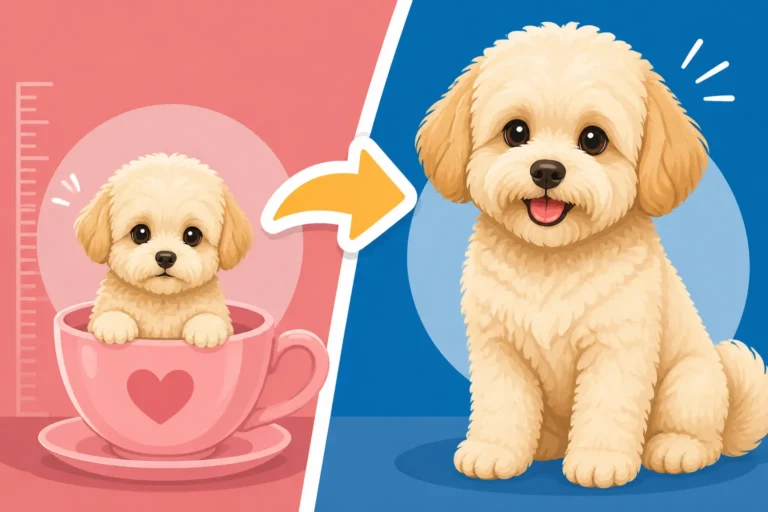
One of the most common worries new Maltipoo parents have is about their puppy's eventual size. You might have your heart set on a tiny companion, only to find yourself wondering if that adorable fluffball will keep growing far beyond what you expected. This guide is here to unravel the mystery of Maltipoo sizing, specifically looking at how the Poodle parent, particularly a Miniature Poodle sire, influences your puppy's adult weight and height, helping you understand what to realistically expect.
The Genetic Tapestry: Understanding Maltipoo Size Inheritance
It’s completely understandable to feel a bit confused about how a Maltipoo’s size is determined. After all, you’re dealing with a hybrid, and that means genetics can be a bit of a mixed bag. Many people assume that if both parents are small, the puppy will automatically be small, but it's often more nuanced than that. The Maltipoo is a cross between a Maltese and a Poodle, and both breeds come with their own distinct size ranges, which then play into the potential outcome for the puppies.
The Role of Both Parents in Determining Size
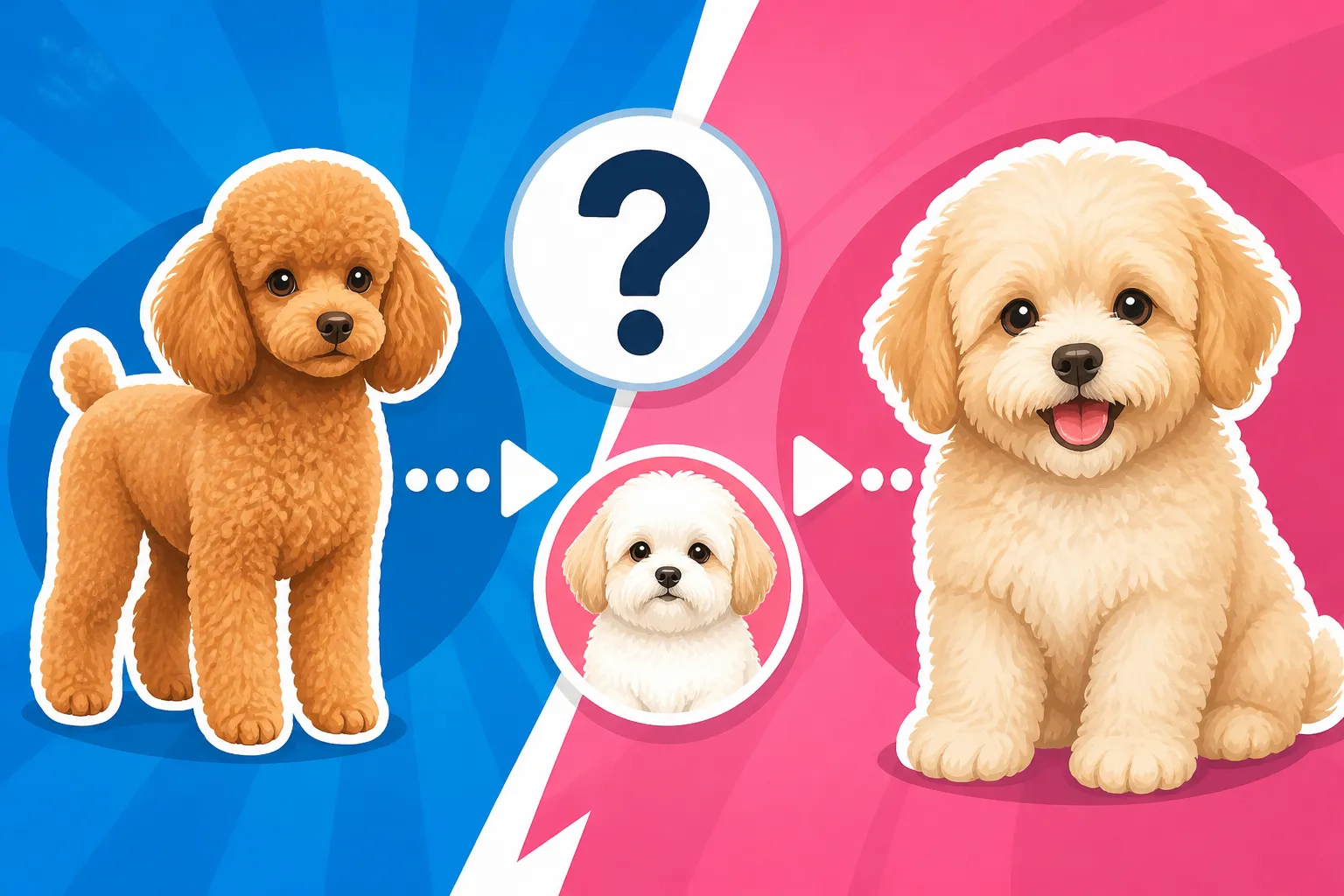
When we talk about a Maltipoo's size, it's never just about one parent. Think of it like a genetic recipe where both the Maltese dam (mother) and the Poodle sire (father) contribute ingredients. The Maltese breed is consistently small, typically weighing between 4 to 7 pounds. They don't have different size varieties like the Poodle does, so their contribution to the size equation is usually straightforward: small.
The Poodle side, however, is where things get interesting and where the confusion often lies. Poodles come in several sizes: Toy, Miniature, and Standard. A Toy Poodle is generally under 10 pounds and less than 10 inches tall at the shoulder. A Miniature Poodle is larger, typically weighing between 10 to 15 pounds and standing 10 to 15 inches tall. Then there’s the Standard Poodle, which is significantly larger and almost never used in Maltipoo breeding for obvious reasons. So, when a Miniature Poodle is the sire, he's bringing a set of genes that naturally code for a larger body size than a Toy Poodle would. This doesn't mean your Maltipoo will be as big as a Miniature Poodle, but it certainly shifts the probabilities.
Why a Miniature Poodle Sire Matters
The presence of a Miniature Poodle sire directly impacts the potential upper limit of your Maltipoo's size. If the goal is to produce a "teacup" or very small Maltipoo, breeders typically use a Toy Poodle. When a Miniature Poodle is used, it’s often because the breeder is aiming for a slightly larger, more robust Maltipoo, or perhaps they have a smaller Maltese dam and need a Poodle sire of a certain size for a safe breeding.
The genetics aren't always a perfect blend, either. You could have a litter where some puppies lean more towards the Maltese size, while others take after the larger Miniature Poodle. It’s part of The Coin Flip Inside Every Maltipoo Puppy. This is why reputable breeders are so crucial; they should be able to provide information on the size and lineage of both parents, offering you a more informed prediction of your puppy's adult weight. Without this information, it's a bit like buying a lottery ticket when it comes to predicting size.
Predicting Your Maltipoo's Adult Size
Predicting the exact adult weight of a Maltipoo puppy can feel like trying to guess the weather a year in advance – you can make an educated guess, but there are always variables. However, understanding the parents' sizes, especially the Poodle sire's, provides the best clues.
The Impact of Poodle Size on Maltipoo Categories
Maltipoos are often loosely categorized into "sizes" like Teacup, Toy, and Miniature, though these aren't officially recognized breed standards. These labels primarily relate to their adult weight.
- Teacup Maltipoo: Often marketed as 2-5 pounds. These are usually the result of breeding a very small Maltese with a Toy Poodle, sometimes even a runt Toy Poodle. If a Miniature Poodle is involved, the chances of a true "teacup" size are significantly diminished.
- Toy Maltipoo: Generally 5-10 pounds. This is a common size range for Maltipoos and can come from either a Toy Poodle or a smaller Miniature Poodle crossing with a Maltese.
- Miniature Maltipoo: Typically 10-20 pounds. This size is highly probable when a Miniature Poodle is the sire. The larger genetic contribution from the Poodle pushes the expected weight into this higher range.
If your Maltipoo puppy comes from a Miniature Poodle sire, it’s far more likely to fall into the Toy to Miniature Maltipoo categories, rather than the tiny Teacup range. Don't be surprised if your little fluffball ends up a healthy 12-15 pounds. This might be a surprise if you were promised a tiny 5-pound dog, which highlights why it's so important to ask about the parent's actual weights and sizes. You can find more details in The Three Maltipoo Sizes and Who Decides Them.
Here's a quick reference table to help visualize the general size expectations based on the Poodle parent:
| Poodle Parent Size | Maltese Parent Size | Expected Maltipoo Adult Weight Range (Approximate) | Common Maltipoo "Category" |
|---|---|---|---|
| Toy Poodle | Maltese (4-7 lbs) | 5 – 10 pounds | Toy Maltipoo |
| Miniature Poodle | Maltese (4-7 lbs) | 10 – 20 pounds | Miniature Maltipoo |
Note: The "Teacup" label is often applied to Maltipoos on the very low end of the Toy range, often 2-5 lbs, but it's not a recognized size and carries health risks, as discussed in What Teacup Actually Means on a Maltipoo.
Growth Timelines and What to Look For
Maltipoo puppies grow rapidly in their first few months. They usually reach about 75% of their adult weight by six months of age and are typically done growing in height by 8-10 months. Their weight might continue to fill out a bit until they are around 12-18 months old. If you have a Maltipoo from a Miniature Poodle sire, don't panic if your pup is already hitting 8-10 pounds by six months; this is perfectly normal for that genetic combination.
You can often get a decent estimate of a Maltipoo's adult weight by doubling its weight at 12 weeks, or sometimes by looking at its weight at 16 weeks and adding a few pounds. This isn't foolproof, but it can give you a ballpark figure. It's also helpful to look at the overall bone structure. A puppy with thicker bones and larger paws is likely to grow into a bigger dog than one with dainty features, regardless of the "teacup" marketing. However, many breeders will honestly tell you Whether a Maltipoo Breeder Can Guarantee a Maltipoo's Weight and often they cannot, precisely because of these genetic variables.
Implications of a Larger Maltipoo
Finding out your Maltipoo might be larger than initially anticipated isn't necessarily a bad thing, but it does come with different considerations for their care, lifestyle, and potential health. A larger Maltipoo is often a more robust dog, which can actually be a blessing.
Health and Durability Considerations
One significant advantage of a larger Maltipoo, especially one sired by a Miniature Poodle, is often increased resilience. Smaller dogs, particularly those marketed as "teacups," can be incredibly fragile. They are at higher risk for conditions like Hypoglycemia and the Teacup Maltipoo Puppy due to their tiny fat reserves, delicate bones that are prone to fractures (as explored in Whether a Maltipoo Can Be Injured by a Fall), and more complex anesthetic risks. A Maltipoo weighing 10-15 pounds tends to have more robust bones and a better ability to regulate its blood sugar and body temperature. This doesn't mean they are immune to health issues, but some of the extreme risks associated with ultra-small size are lessened.
For example, a slightly larger Maltipoo may still be susceptible to conditions like patellar luxation (slipping kneecaps), which is common in small breeds, but a dog with a bit more muscle and bone might cope better or have an easier recovery if surgery is needed. You might also find a larger Maltipoo to be more adventurous on walks and less prone to being overwhelmed by their environment.
Adjusting Care and Supplies for a Larger Dog
If your Maltipoo grows to be on the larger side (say, 10-15 pounds), you'll need to adjust your expectations for certain supplies and routines.
- Food: While still a small breed, a 15-pound Maltipoo will need more calories than a 5-pound one. You'll still want to feed them quality small-breed kibble. Make sure you're Feeding a Six Pound Maltipoo by the Ounce, Not the Scoop and adjust portions carefully as they grow to prevent obesity, which can exacerbate joint problems. Chewy offers a wide range of small breed-specific foods that cater to different calorie needs.
- Harnesses and Collars: Your pup will need a sturdier harness than a tiny teacup might. A well-fitting harness is crucial for comfort and safety, especially to protect their delicate trachea. You can find many options on Chewy designed for a wider range of small dog sizes.
- Crates and Carriers: A larger Maltipoo will require a bigger crate or carrier for comfort and safety, both at home and during travel. Ensure they have enough space to stand, turn around, and lie down comfortably.
- Exercise: A 15-pound Maltipoo might have more stamina and enjoy longer walks than a 5-pound one. While still not a marathon runner, they will likely appreciate more active play and exploration. This also means you need to be mindful of Whether a Maltipoo Should Use Steps to the Sofa to protect their joints from repetitive jumping, regardless of their size.
It’s about being prepared and adapting. Embracing your Maltipoo's natural size, whatever it turns out to be, is key to providing them with the best possible care.
What to Ask a Breeder About Size
When you’re looking for a Maltipoo, especially if you have a specific size in mind, asking the right questions is absolutely critical. Unfortunately, some less scrupulous breeders might use terms like "teacup" without much basis, leading to disappointment (and sometimes significant health issues) later on.
The Importance of Transparency and Parent Information
A responsible breeder will be upfront about the estimated adult size of their puppies. They won't just tell you what you want to hear. Here’s what you should specifically ask about:
- Poodle Sire's Size: Directly ask the weight and height of the Poodle sire. Is he a Toy Poodle or a Miniature Poodle? If he's a Miniature Poodle, what are his exact measurements? This is the most direct answer to whether a Miniature Poodle sire will make a bigger Maltipoo.
- Maltese Dam's Size: Similarly, ask about the Maltese mother's weight. While Malteses are consistently small, knowing her exact weight gives you a clearer picture.
- Parent Lineage: Inquire about the grandparents' sizes if possible. Sometimes, a smaller Poodle parent might have larger ancestors, which can still influence the puppy's genes.
- Previous Litters: If the breeder has had previous litters from the same pairing, ask about the adult sizes of those puppies. This provides real-world evidence of what to expect.
- Growth Chart/Prediction: Some breeders will offer a rough growth chart or an estimated adult weight based on the puppy's current weight at a certain age. Understand that these are estimates, but they should align with the parent's sizes.
If a breeder is evasive or only gives vague answers like "they'll be small," that's a red flag. Be wary of breeders who promise an exact adult weight, especially a very tiny one, as Whether a Maltipoo Breeder Can Guarantee a Maltipoo's Weight is inherently difficult.
Avoiding Misleading Terminology
The term "teacup" is particularly problematic. It’s a marketing term, not a breed standard, and it often implies a dog that is unnaturally small or even a runt. While extremely tiny Maltipoos do exist, they come with a higher risk of health problems and a higher price tag for what is essentially a gamble on health. Whether Teacup Means Anything on a Maltipoo Medically is a critical question to consider, and the answer is generally no.
It’s far better to ask for the expected weight range. A breeder who honestly tells you that puppies from a Miniature Poodle sire will likely be in the 10-15 pound range, even if you hoped for smaller, is doing you a service. This transparency allows you to prepare for the reality of your dog's size, which, as we've seen, often means a healthier, more robust companion. Don't fall for the allure of a "micro" or "teacup" label without thoroughly understanding the genetic background and potential risks. In the long run, Whether a Bigger Maltipoo Is the Safer Buy is a question many seasoned owners would answer with a resounding yes.
Disclaimer
This article is for general informational purposes only and does not constitute professional advice. Laws, prices and regulations vary by location and change over time. Consult a qualified professional for guidance on your specific situation.