Whether a Maltipoo Puppy’s Color Fades
One of the most exciting moments when bringing home a Maltipoo puppy is seeing their beautiful, soft coat in all its vibrant glory. You might fall head over heels for that deep apricot, striking black, or rich chocolate, only to start noticing subtle shifts as they grow. This guide is here to shed light on why your adorable Maltipoo puppy's color might change, what to expect as they mature, and how to appreciate their evolving beauty.
The Vibrant Promise: Why Maltipoo Puppy Colors Capture Our Hearts
When you first lay eyes on a litter of Maltipoo puppies, it’s often their fluffy coats and captivating colors that draw you in. There’s a distinct emotional connection that forms when you imagine that vibrant apricot or rich black puppy growing into a magnificent adult dog, retaining that same initial shade. This initial impression sets a strong expectation, and it's completely natural to want that beautiful puppy color to last forever.
The Allure of Unique Hues
Maltipoos, as a hybrid of the Maltese and Poodle, boast a far wider spectrum of colors than their purebred Maltese parent, who are almost exclusively white. This genetic diversity is part of their charm, allowing for a delightful array of coats from creamy whites and light apricots to bold reds, deep chocolates, and even striking blacks, silvers, and partis. Why a Maltipoo Comes in Colors a Maltese Never Does delves deeper into these genetic factors. It's truly a lottery of gorgeous shades, and each color has its own unique appeal.
The excitement of choosing a puppy with a specific coat color is a huge part of the experience. You might have dreamed of a tiny red Maltipoo, or perhaps a phantom pattern that makes them look like a miniature, elegant shadow. These unique hues are a testament to the blend of their parent breeds and contribute significantly to their undeniable cuteness and appeal. There’s something incredibly special about a puppy’s coat, often appearing deeper and more intense than what you might see in an adult dog.
Early Color Indicators and Owner Expectations
At just a few weeks old, a Maltipoo puppy's coat is usually soft, downy, and often displays a remarkably rich color. Many new owners will carefully study What Color Most Maltipoo Puppies Are to get a sense of what's common. You might pick out a puppy with a stunning dark apricot that you just know will be a "red" adult, or a truly solid black little one with not a single white hair. These early indicators naturally lead us to form expectations about how our dog will look as an adult. We invest emotionally in that initial appearance, imagining it as a permanent feature of our beloved companion.
It's a common and understandable desire for that initial, captivating color to remain perfectly consistent. After all, you chose that puppy, in part, for that color. The thought of it changing can be a little unsettling, almost like a piece of the puzzle might shift. You want your dog to be the dog you envisioned, with that perfect hue you fell in love with at first sight. This anticipation is a big part of the puppy-choosing journey, and it’s okay to feel a little attached to that initial impression.
The Unavoidable Truth: Why Maltipoo Colors Change Over Time
Here’s where we get real: Maltipoo puppy colors often, if not almost always, change as they mature. It’s not a defect or a sign that you got a "bad" puppy; it’s a perfectly normal, genetically-driven process, largely thanks to their Poodle heritage. Many new owners are completely blindsided by this, as they expect the color to stay put from puppyhood. It can be a genuine frustration to see that vivid puppy coat slowly transform, sometimes into something quite different.
The Fading Gene and Coat Maturation
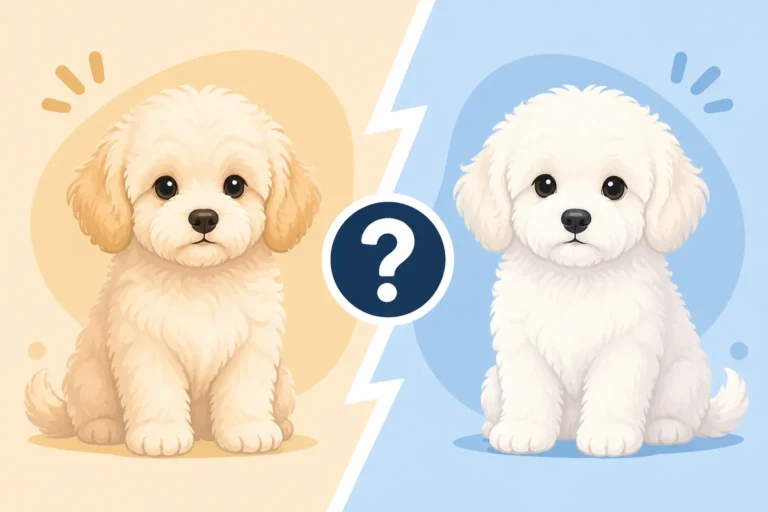
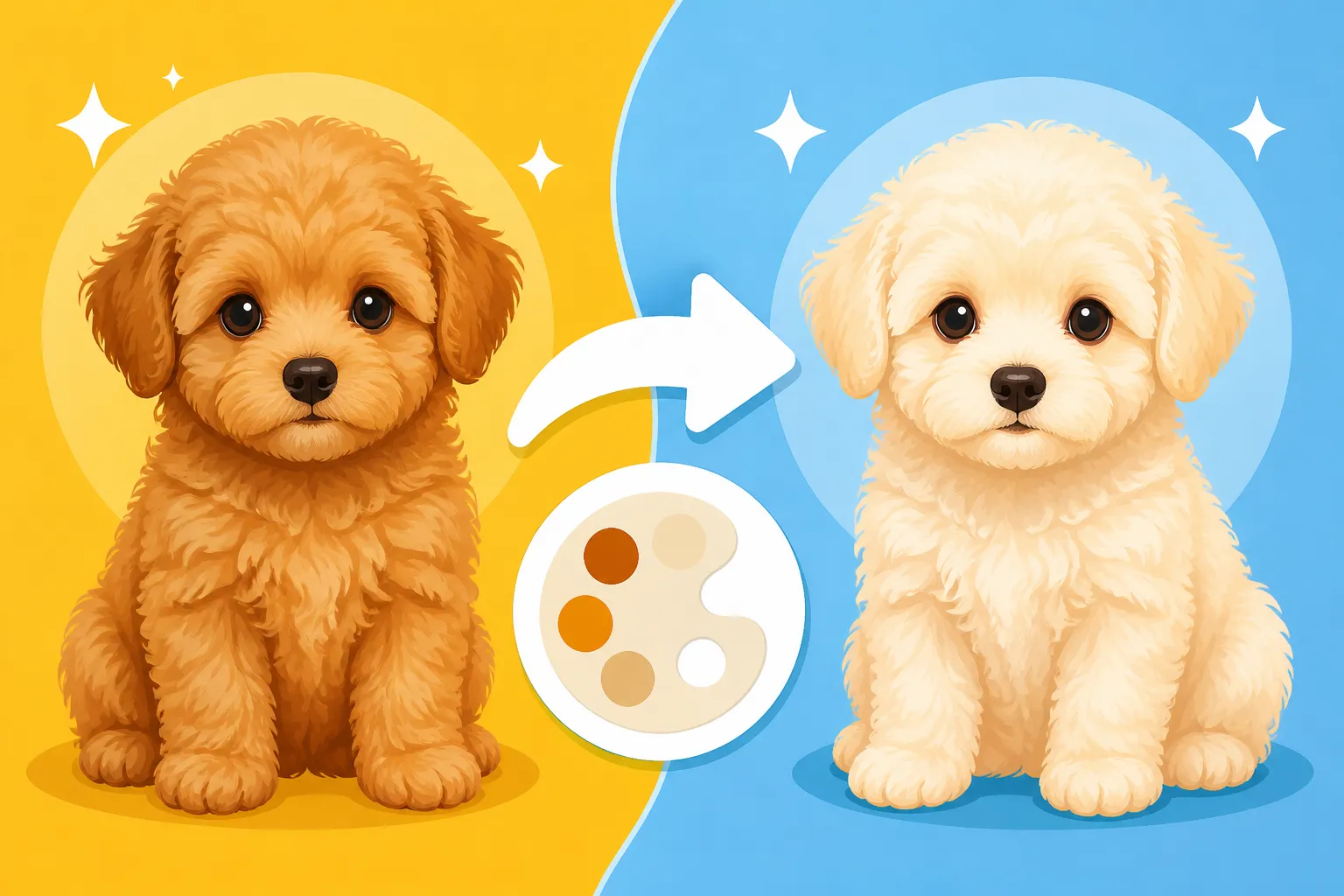
The primary culprit behind a Maltipoo's color change is often what's colloquially known as the "fading gene," which they inherit from their Poodle side. Poodles are famous for their genetic propensity to "clear" their coat color as they age. This isn't about the hair falling out, but rather the pigment within the hair shaft changing. It's a complex genetic interaction that causes the intensity of the color to lessen over time. Whether an Apricot Maltipoo Fades is a particularly common example of this phenomenon, with those rich orange tones often mellowing into softer creams or even stark white.
This fading isn't an instant switch; it's a gradual process, almost like watching a photograph slowly lose its saturation. It typically begins around six months to a year of age, but it can continue subtly up until they are two or three years old, and sometimes even beyond. The fading gene affects how pigment is produced and distributed in the hair as new growth replaces old, resulting in a lighter overall appearance. It's simply part of their genetic makeup and a characteristic trait of many Poodle crosses.
Common Color Transformations
Let’s talk specifics about what these transformations often look like. If you have an apricot or red Maltipoo, you might find that gorgeous, deep hue gradually softens into a lovely cream, a pale tan, or even almost white. Those bright, fiery tones often don't last, which can be a real surprise if you were expecting a perpetually vibrant red dog. The pigment literally lightens in the new hair growth.
For black Maltipoos, the change can be just as dramatic. A solid black puppy might slowly develop silver or grey hairs, especially around the face, paws, and underbelly, eventually becoming a striking silver or blue-grey adult. Chocolates can lighten to a beautiful café au lait or even a lighter tan. Even whites and creams, while less prone to "fading" in the same way, can sometimes develop subtle darker points or shift in tone depending on environmental factors. This color evolution is a key aspect discussed in Whether a Maltipoo's Color Lightens as It Ages. It's a journey, not a static destination, for their coat.
Other Factors Influencing Coat Color
While the fading gene is the main player, other factors can subtly influence a Maltipoo's coat appearance, though they don't typically cause the fundamental genetic fading. Sun exposure, for instance, can absolutely bleach a dog's coat, especially darker colors. Just like human hair, prolonged time in direct sunlight can lighten and dull the vibrancy of their fur. Whether Sun Bleaches a Maltipoo's Coat explores this in more detail. If your Maltipoo spends a lot of time outdoors, you might notice their back and head looking lighter than their underside.
Diet and supplements, on the other hand, usually have a minimal impact on genetically determined color fading. A high-quality diet is crucial for overall coat health – meaning shine, texture, and strength – but it won't reverse a fading gene. There are some supplements marketed for "color enhancement," but their efficacy for genetic fading is often limited. What can dramatically appear to change color, especially on lighter coats, is environmental staining. Think tear stains around the eyes, saliva stains around the mouth, or even urine stains on their legs. These aren't true color changes but rather discoloration on the hair shaft, a topic beautifully covered in Tear Staining on a Light Coated Maltipoo. Regular cleaning and grooming can help manage these surface stains, but they won't alter the genetic pigment of the growing hair.
Managing Expectations and Embracing Your Maltipoo's Unique Hue
It’s easy to get caught up in the initial appeal of a puppy's color, but recognizing that change is highly likely can save you from future disappointment. Instead of seeing it as a loss, consider it a part of your Maltipoo's unique journey. Their evolving coat is just one facet of their charm, and their health and personality are far more indicative of the wonderful companion they truly are.
The Beauty of the Evolving Coat
The truth is, every Maltipoo's coat, regardless of its final shade, holds its own special beauty. A fading apricot becoming a creamy white can be just as stunning, if not more so, with subtle nuances that make them stand out. A black Maltipoo transitioning to silver can look incredibly elegant and sophisticated. This evolution is what makes each Maltipoo truly one-of-a-kind. It's a journey, not just a destination, and learning to appreciate the subtle shifts and new tones can be a delightful experience. After all, the love and companionship your Maltipoo offers are far more profound than any superficial color. Focusing on traits like temperament and health rather than just appearance will lead to a much more satisfying relationship with your furry friend. Just like Whether a Maltipoo's Adult Weight Can Be Predicted is often a guessing game, so too is their final coat color.
Grooming for Optimal Coat Health and Appearance
While you can't stop genetic fading, you can certainly ensure your Maltipoo's coat looks its absolute best, whatever its color. Regular grooming is paramount. Daily brushing with a slicker brush and metal comb helps distribute natural oils, prevents mats, and removes loose hair, which can make the coat appear dull. How Many Times a Week a Maltipoo Needs Combing really emphasizes the commitment needed for this breed's coat type. A well-maintained coat, free of tangles and dirt, will always look healthier and more vibrant, regardless of its shade.
Proper bathing is also key. Use a high-quality shampoo and conditioner designed for dogs, ensuring you rinse thoroughly to avoid residue. Bathing and Drying a Six Pound Maltipoo offers great tips on how to do this effectively to avoid skin issues and matting. Beyond external care, a nutritious diet supports healthy skin and coat from the inside out. Look for dog foods rich in omega fatty acids, which contribute to a shiny, soft coat. Many reputable brands offer excellent options, and you can find a vast selection on sites like Chewy, making it easy to keep your Maltipoo looking their best. These products help maintain skin hydration and hair strength, which are essential for any color.
What to Ask a Breeder (and What to Expect)
When you're looking for a Maltipoo puppy, it's perfectly reasonable to inquire about the coat colors of the parents and previous litters. A responsible breeder might be able to tell you if the Poodle parent tends to "clear" its color or if past puppies from certain pairings have faded. However, it's crucial to understand that even the most experienced breeders cannot guarantee an adult Maltipoo's final coat color. Genetics are complex, and the fading gene can be unpredictable in its expression. Whether a Maltipoo's Color Is Guaranteed clarifies this expectation: no ethical breeder will make such a promise.
Instead of fixating solely on color, prioritize a breeder who emphasizes health clearances, good temperament, and provides proper early socialization. Ask to see health certificates for the parents, particularly for conditions common in Maltese and Poodles. As a general rule, The Four Certificates a Maltipoo Breeder Should Show will provide a good baseline for what you should be looking for. A breeder who focuses on these critical aspects is far more valuable than one who promises a specific color that might not last. Embrace the potential for change, and you'll find joy in whatever beautiful hue your Maltipoo settles into.
Is My Maltipoo's Fading Normal or a Cause for Concern?
It's natural to wonder if the changes you're seeing in your Maltipoo's coat are part of the normal fading process or if they indicate a health issue. Most of the time, gradual color lightening is completely normal, but there are certain signs that might warrant a closer look by your veterinarian.
Distinguishing Natural Fading from Health Issues
Natural coat fading in Maltipoos usually presents as a slow, uniform lightening of the original color over several months or even a couple of years. It might be most noticeable on their back, head, and legs, or simply as an overall softening of the hue. The coat itself should remain healthy, shiny, and full, without any changes in texture, thickness, or skin condition underneath.
However, if you observe sudden, patchy color loss, accompanied by hair thinning or loss, excessive scratching, redness, flaking, or any obvious skin irritation, that's a different story. These symptoms are not typical of genetic fading and could signal an underlying health problem. Conditions like alopecia, certain nutritional deficiencies, hormonal imbalances, skin infections, or even severe allergies can manifest with coat and skin changes. For example, if your Maltipoo is constantly chewing its feet until the fur stains, or develops red, irritated patches, you'd be dealing with something far more serious than just fading.
When to Consult Your Vet
If you're at all concerned about your Maltipoo's coat changes, don't hesitate to reach out to your veterinarian. They can help differentiate between normal genetic fading and a medical issue. It’s particularly important to seek veterinary advice if the color change is accompanied by:
- Itching or excessive licking: This can indicate allergies, parasites, or skin infections. Allergies Behind a Maltipoo's Itching is a common concern for many owners.
- Redness, bumps, or sores on the skin: These are clear signs of irritation or infection.
- Patchy hair loss or thinning coat: This could point to various dermatological or systemic conditions.
- Dull, brittle, or greasy fur: This might suggest dietary deficiencies or an underlying health problem affecting coat quality.
- Any behavioral changes: Lethargy, loss of appetite, or increased thirst alongside coat changes could indicate a broader health issue.
During your Maltipoo's regular The Yearly Checks a Maltipoo Should Get, always mention any changes you've noticed in their coat. Your vet can perform a physical examination, and if necessary, recommend diagnostic tests like skin scrapings, blood work, or allergy testing to get to the bottom of the issue. Catching potential health problems early is always the best course of action for your beloved companion.
Common Maltipoo Color Fading Patterns
To help visualize the typical changes, here's a quick overview of how different Maltipoo puppy colors often mature:
| Puppy Color | Typical Adult Color Range | Primary Fading Cause |
|---|---|---|
| Deep Apricot | Light Apricot, Cream, White | Poodle "fading gene" |
| Red | Orange, Creamy Red, Light Apricot | Poodle "fading gene" |
| Black | Dark Grey, Silver, Blue-Grey | Poodle "clearing" gene |
| Chocolate | Café au lait, Light Brown, Creamy Brown | Poodle "clearing" gene |
| Cream | Off-White, Pale Gold | May subtly lighten, can show environmental stains more |
| White | Remains White | Generally consistent, but prone to tear/saliva staining |
| Parti-color | Individual color patches may lighten | Poodle "fading gene" affecting colored areas |
This table serves as a general guide, and remember that every Maltipoo is an individual!
Disclaimer
This article is for general informational purposes only and does not constitute professional advice. Laws, prices and regulations vary by location and change over time. Consult a qualified professional for guidance on your specific situation.