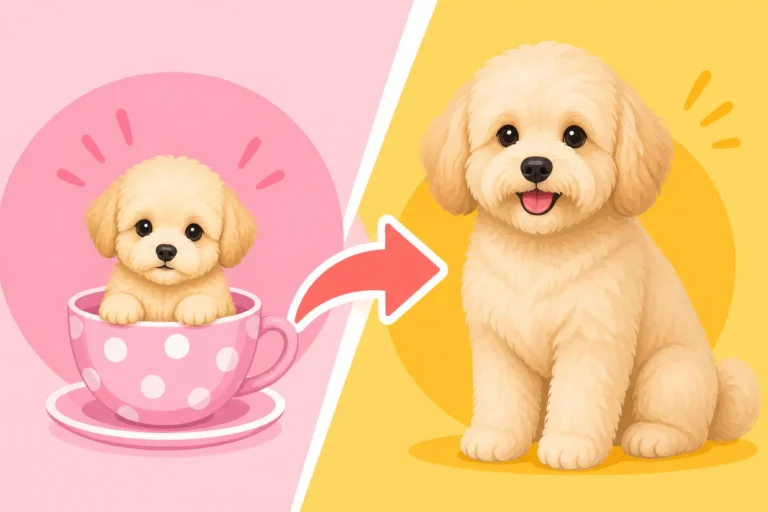
Whether a Blue Eyed Maltipoo Costs More
Ah, the enchanting gaze of a blue-eyed puppy! It's completely understandable why you'd be drawn to something so striking in a Maltipoo. Many prospective owners fall head over heels for unique traits, and when you see a picture of a Maltipoo with those captivating baby blues, your first thought is often, "Wow, how much does that cost?" It’s a common question that pops up, and it really gets to the heart of how we value our furry companions. This guide will dive deep into whether a blue-eyed Maltipoo actually commands a higher price tag, and more importantly, what those alluring blue eyes might really mean for your future companion.
The Allure and Reality of Blue Eyes in a Maltipoo
Let’s be honest, there's a certain magic to blue eyes in any animal that doesn't typically sport them. For a Maltipoo, a breed cherished for its fluffy coat and sweet disposition, blue eyes would certainly make them stand out in a crowd. It’s natural to assume that something so rare and visually appealing would come with a premium price, much like how certain coat colors or sizes can influence the initial cost. After all, breeders often factor in demand and perceived uniqueness when setting their prices. You might see a listing describing a "rare" blue-eyed Maltipoo and instantly think it's a special find worth every penny.
However, the reality of blue eyes in a Maltipoo is a bit more nuanced than simple rarity or aesthetic appeal. While they might seem incredibly unique, their presence in a Maltipoo isn't typically a standard genetic trait passed down without other considerations. When blue eyes appear in a breed where they aren't the norm, it often signals specific genetic factors at play, which can have implications beyond just visual charm. This is where understanding the underlying genetics becomes absolutely crucial, moving beyond just the initial "wow" factor to the health and well-being of the puppy. So, while the allure is undeniable, it’s vital to dig a little deeper before letting those mesmerizing eyes dictate your budget or your decision.
Understanding the Genetics Behind Blue Eyes in Dogs
When we talk about blue eyes in dogs, it's usually tied to a few specific genetic mechanisms, and most don't naturally occur in the Maltese or Poodle lines that make up a Maltipoo. Let's break down the common reasons:
The Merle Gene's Influence
The most common reason for blue eyes in dogs, particularly in breeds like Australian Shepherds, Border Collies, and some types of Dachshunds, is the merle gene. This gene not only dilutes coat color, creating mottled patterns (think dappled or marbled fur), but it can also affect eye color, resulting in striking blue eyes or even heterochromia (one blue eye, one brown). The thing is, neither the Maltese nor the Poodle, the parent breeds of the Maltipoo, typically carry the merle gene. If a Maltipoo puppy has blue eyes and a merle coat pattern, it means there's almost certainly merle in its lineage, which could be from another breed cross that isn't a purebred Poodle or Maltese. This is a red flag you'd want to investigate thoroughly with any breeder. It also introduces concerns about unethical breeding if merle dogs are bred without proper understanding of the genetics, as breeding two merle dogs together can lead to severe health issues.
Piebald or White Spotting Genes
Another reason for blue eyes can be associated with extensive white spotting or the piebald gene. In some breeds, such as Dalmatians or certain types of Bull Terriers, a large amount of white on the face, especially around the eyes, can sometimes lead to blue eyes. This is due to a lack of pigment cells in the iris. Again, while Maltipoos are often white or light-colored, their extensive white comes from the Maltese side, which doesn't typically manifest in blue eyes. Poodles, too, can have white markings, but not usually in a way that causes blue eyes as a standard trait. So, if a solid white or heavily white-marked Maltipoo has blue eyes, it might be an indication of a more extreme expression of these genes, but it's not a common occurrence. You'll find that for most Maltipoos, Whether a Maltipoo Gets Its Color From the Maltese will explain more about their typical coat and eye pigment.
Breed-Specific Traits and Anomalies
Finally, some breeds have a predisposition to blue eyes not directly linked to merle or piebald, like the Siberian Husky, where blue eyes are a completely normal and healthy trait. However, this is absolutely not the case for Maltipoos. So, for a Maltipoo, if the eyes are truly blue and it's not a temporary "puppy blue" (which can fade to brown as they mature), it’s likely an unusual genetic anomaly. It’s also important to distinguish between a genuine blue eye and a lighter, amber-colored eye that might appear bluish in certain lighting or at a very young age. True blue eyes will be unmistakably blue. If a breeder is advertising "blue-eyed Maltipoos" as a regular offering, it warrants extreme caution and questioning of their breeding practices and the actual lineage of their dogs. You should always ask to see The Four Certificates a Maltipoo Breeder Should Show for parent dogs.
The Health Implications of "Rare" Eye Colors
This is where the conversation around blue eyes in Maltipoos gets really serious. While those dazzling blue eyes might seem like a beautiful "extra," if they're not naturally occurring in the breed's genetic makeup, they can sometimes be a red flag for potential health problems. We’re not talking about simply a cosmetic difference here; we’re talking about possible quality of life issues for your future furry family member.
The Risks Associated with the Merle Gene
As we touched on earlier, if blue eyes in a Maltipoo are the result of the merle gene, especially if it's a cryptic merle (where the merle pattern isn't obvious on the coat), there can be significant health risks. Dogs with two copies of the merle gene (often called "double merle") can suffer from severe hearing and vision impairments, ranging from partial deafness or blindness to complete sensory loss. They can also have other developmental issues. Even a single merle gene in a breed not traditionally associated with it can sometimes lead to issues. A responsible breeder would never intentionally breed two merle dogs, and they would be upfront about any merle lineage in their puppies. They would certainly be able to explain the genetics and provide appropriate health testing results. If a breeder can't clearly explain why their Maltipoo puppies have blue eyes, especially if it's marketed as "rare" for a high price, it's a huge cause for concern.
Other Pigmentation-Related Concerns
Beyond merle, any unusual pigmentation can sometimes be linked to other health considerations. For example, some dogs with very light pigmentation, including blue eyes, might be more sensitive to bright light, potentially leading to discomfort in strong sunlight. While not as severe as merle-related issues, it's still something to be aware of. The Maltese and Poodle breeds typically have dark, expressive eyes, and while The Eyes a Maltipoo Gets From the Poodle often includes a tendency for tear staining, it doesn't usually involve blue eye coloration. Any deviation from typical pigmentation should be thoroughly explored with a veterinarian, especially if you're paying a premium for a "rare" trait. Your focus should always be on a healthy puppy first and foremost.
Prioritizing Health Over Aesthetics
Ultimately, a truly responsible breeder will prioritize the health and temperament of their puppies above all else, including any superficial aesthetic traits like eye color. They will invest in comprehensive health testing for their breeding dogs to screen for common issues in both parent breeds, such as luxating patellas, liver shunts, and eye conditions like progressive retinal atrophy. For example, The Retinal Disease a Maltipoo Gets From the Poodle is something a good breeder will test for. A breeder who focuses heavily on promoting "rare" traits like blue eyes without emphasizing health clearances or a detailed understanding of the genetics might be cutting corners elsewhere. Always ask about the health guarantees and what they cover. Don’t let the sparkle of blue eyes distract you from asking the important questions about a puppy's genetic background and overall health.
What Really Drives a Maltipoo's Price Tag
So, if blue eyes aren't a typical, healthy trait for a Maltipoo and can even signal potential issues, what factors do legitimately influence the price of these adorable dogs? It's essential to understand these drivers so you can make an informed decision, rather than being swayed by a potentially misleading "rare" label.
Breeder Reputation and Ethical Practices
One of the most significant factors in a Maltipoo's price is the reputation and ethical practices of the breeder. A responsible breeder invests heavily in their dogs, which includes:
- Health Testing: They perform extensive health screenings on both parent dogs for genetic conditions common in Maltese and Poodles. This isn't cheap, but it dramatically increases the likelihood of a healthy puppy. You should expect to see certificates for patella, eye, and liver health. For example, The Liver Shunt a Maltipoo Can Inherit From the Maltese is a critical condition to screen for.
- Quality Care: Providing top-notch nutrition, veterinary care, and a clean, stimulating environment for their breeding dogs and puppies.
- Socialization: Ensuring puppies are well-socialized from birth, leading to better temperaments and easier integration into new homes.
- Support: Offering ongoing support and advice to new owners.
These efforts cost money, and a higher price often reflects this commitment to quality. Contrast this with puppy mills or backyard breeders who cut corners, resulting in cheaper prices but often significant health and behavioral problems down the line.
Lineage and Pedigree
While Maltipoos are a crossbreed and not recognized by major kennel clubs, the lineage of their purebred Maltese and Poodle parents still plays a role. Parents from champion lines or with excellent health clearances will command higher prices due to their proven genetics and quality. A reputable breeder will be transparent about the parent dogs, often showing you pictures or even allowing you to meet them.
Size and Appearance
Yes, certain aesthetic qualities do influence price, but typically in ways that are breed-standard or well-understood. For Maltipoos, size is a big one. For instance, What a Teacup Maltipoo Costs is often significantly more than What a Toy Maltipoo Costs. The perceived rarity of "teacup" size, despite its potential health risks, drives up demand and price. Certain coat colors, like deep reds or specific parti patterns, might also fetch a slightly higher price due to current trends, but these are usually healthy, naturally occurring variations within the Poodle and Maltese genetics. However, beware of breeders charging a massive premium for a "rare" color without any basis in healthy genetics.
Geographic Location and Demand
The price of a Maltipoo can also vary significantly based on your geographic location. In areas with higher demand and fewer reputable breeders, prices tend to be higher. Similarly, market trends can temporarily inflate prices for certain types of Maltipoos. This doesn't necessarily reflect better quality; it's simply supply and demand. The Eight Hundred to Four Thousand a Maltipoo Costs is a broad range, and where you live can influence where your puppy falls on that spectrum.
What to Expect When Budgeting for a Maltipoo
When you're ready to bring a Maltipoo home, your budget should extend far beyond the initial purchase price. Think about the long-term investment. Consider these crucial elements:
| Factor | Description |
|---|---|
| Initial Puppy Cost | Ranges widely based on breeder reputation, health testing, location, and size. Be wary of prices that seem too low (potential red flags) or exorbitantly high for unverified "rare" traits. |
| Vet Care (First Year) | Includes initial check-ups (many reputable breeders like those who use Chewy for supplies will send puppies with initial vet checks, but you'll need your own), vaccinations, deworming, microchipping, and spay/neuter. Expect this to be a substantial cost. |
| Ongoing Vet Care | Yearly check-ups, dental cleanings (Maltipoos are prone to dental issues, so routine care is crucial), and potential emergency visits. What a Routine Maltipoo Dental Runs can be significant. |
| Food & Treats | Quality small-breed kibble or fresh food options like Ollie. Remember, smaller dogs often eat less by volume but require nutrient-dense food. |
| Grooming | Maltipoos have non-shedding coats that require regular professional grooming every 4-8 weeks to prevent matting. This is a significant ongoing expense. |
| Supplies | Crate, bed, leash, harness, toys, bowls, puppy pads, grooming tools for home maintenance. You can find many of these at stores like Chewy. |
| Training & Socialization | Puppy classes, private lessons, and regular exposure to new people, places, and other dogs are vital for a well-adjusted Maltipoo. |
| Pet Insurance | Highly recommended for Maltipoos due to potential breed-specific health issues like luxating patellas or dental disease. Companies like Healthy Paws can help manage unexpected veterinary bills. Insuring a Maltipoo Before Its Knees Go is a smart financial move. |
| Miscellaneous | Pet sitting/boarding, travel costs, unexpected medical events, and replacing worn-out items. |
When considering a Maltipoo, especially one with a feature like blue eyes, always prioritize the health and ethical background of the dog. A truly blue-eyed Maltipoo, if healthy, might be an interesting anomaly, but it should not be the sole or primary reason for a significantly inflated price. Focus on finding a reputable breeder who offers transparency, comprehensive health testing, and a solid health guarantee, regardless of eye color. What a Maltipoo Health Guarantee Should Say is something every prospective owner should understand clearly. If you focus on a healthy, well-socialized puppy from a responsible background, you're setting yourself up for many years of joy, far outweighing the novelty of a particular eye color.
Disclaimer
This article is for general informational purposes only and does not constitute professional advice. Laws, prices and regulations vary by location and change over time. Consult a qualified professional for guidance on your specific situation.