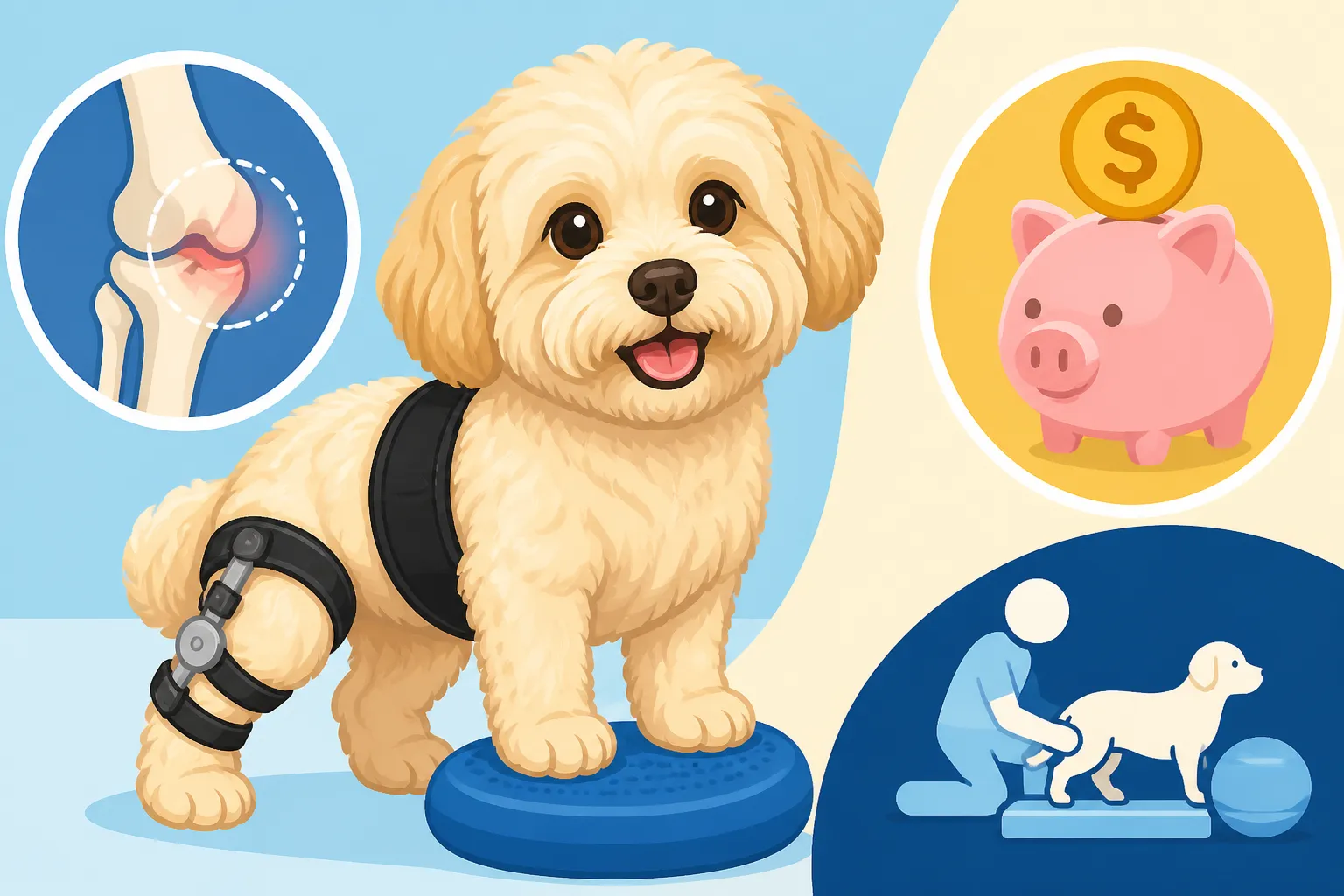
What Physiotherapy After Maltipoo Knee Surgery Costs
The news that your precious Maltipoo needs knee surgery, often for a luxating patella, can be incredibly distressing. You navigate the diagnostics, the surgical decision, and the procedure itself, breathing a sigh of relief when it's over. But then comes the next phase: recovery. A critical, yet often underestimated, part of this recovery journey is physiotherapy. This guide will delve into what physiotherapy entails for your Maltipoo's knee post-surgery, focusing on the real costs involved and how to best prepare for them, ensuring your furry friend gets back on their paws feeling strong and comfortable.
Understanding Why Physiotherapy is Crucial After Maltipoo Knee Surgery
When your Maltipoo undergoes knee surgery, whether it's for a common issue like Slipping Kneecaps in a Maltipoo or something more complex, the procedure itself is just the beginning of the healing process. Imagine having surgery on your own knee; you wouldn't expect to be back to normal without some form of physical rehabilitation. The same holds true for our canine companions, especially small breeds like Maltipoos. Physiotherapy is not a luxury; it's a vital component of a successful recovery, directly impacting their long-term mobility and quality of life.
The Importance of Post-Operative Rehabilitation for Small Breeds
Maltipoos, with their delicate bone structure and active dispositions, are particularly susceptible to orthopedic challenges. When a knee joint is repaired, the surrounding muscles will likely have atrophied from disuse or compensation, and the joint itself may be stiff and painful. Without targeted intervention, there's a real risk of incomplete healing, muscle weakness, reduced range of motion, and the development of compensatory issues in other limbs. This could mean they start putting undue stress on their other knee, potentially leading to Whether Both of a Maltipoo's Knees Go down the line, or causing back and hip problems.
Think about it: your Maltipoo has been protecting their painful leg, walking differently, and not using those muscles properly for a while. After surgery, they're still cautious. Physiotherapy gently guides them through a structured program to rebuild strength, improve flexibility, and re-educate their body on how to move correctly. It's about restoring not just the joint itself, but the entire kinetic chain that supports their movement. This meticulous approach is even more critical for a small dog whose entire body is interconnected in a delicate balance.
Moreover, consistent rehabilitation helps prevent the formation of excessive scar tissue, which can restrict movement, and ensures proper weight-bearing patterns. It's an investment that pays dividends in comfort, preventing chronic pain and further veterinary expenses down the road. You want your Maltipoo to enjoy their full The Twelve to Fifteen Years a Maltipoo Lives with happy, healthy joints, and rehabilitation is key to achieving that.
Common Goals and Techniques in Maltipoo Physiotherapy
The overarching goals of physiotherapy for a Maltipoo following knee surgery are multifaceted. Primarily, therapists aim to alleviate pain and swelling, increase the joint's range of motion, strengthen the muscles that stabilize the knee, improve balance and coordination, and ultimately return your dog to their previous activity level safely. The journey from post-operative stiffness to confident movement involves a carefully phased approach using a variety of techniques.
Initially, therapy sessions might focus on gentle, passive range of motion exercises where the therapist moves your Maltipoo's leg for them. This helps maintain joint flexibility, promotes circulation, and reduces swelling without stressing the healing tissues. Therapeutic massage might also be employed to relax tight muscles and improve blood flow. As your Maltipoo progresses and the surgical site heals, active exercises are introduced. These often include controlled walks, balance work on specialized equipment like wobble boards, and targeted strengthening exercises.
One of the most effective tools for small dog rehabilitation is hydrotherapy, specifically an underwater treadmill. The buoyancy of the water reduces weight-bearing stress on the healing joint while providing resistance for muscle strengthening. This allows your Maltipoo to start walking normally much sooner than on land, building confidence and muscle mass in a safe, controlled environment. Other techniques might include cold laser therapy to reduce inflammation and accelerate cellular healing, or electrical stimulation to prevent muscle atrophy. Each program is highly individualized, adapting to your Maltipoo's unique progress and needs under the watchful eye of a certified professional.
Breaking Down the Costs of Maltipoo Physiotherapy
Understanding the financial commitment involved in your Maltipoo's post-surgical physiotherapy is essential for planning. It's not a single, fixed fee but rather a series of costs that will unfold over weeks or months, depending on the severity of the injury and your dog's individual recovery pace. Being informed about these components will help you manage expectations and budget effectively.
Initial Consultation and Assessment Fees
Every rehabilitation journey begins with a thorough initial consultation and assessment. This isn't just a brief chat; it's a comprehensive evaluation performed by a certified canine rehabilitation therapist. During this vital first appointment, the therapist will meticulously review your Maltipoo's medical history, including the specifics of their knee surgery, and conduct a detailed physical examination. They will observe your Maltipoo's gait, assess their muscle symmetry and strength, measure joint range of motion, and identify any areas of pain or discomfort.
This initial assessment is crucial because it forms the bedrock of your Maltipoo's personalized rehabilitation plan. The therapist will factor in your dog's age, overall health, activity level, and your specific goals for their recovery. The fee for this consultation covers the specialist's time, expertise, and the creation of a tailored treatment protocol. It's typically a one-time charge, though if your Maltipoo's recovery takes an unexpected turn or extends over a very long period, a re-assessment might be recommended to adjust the plan.
Think of this fee as the strategic investment in the right roadmap for recovery. It ensures that every subsequent therapy session is purposeful and aligned with your Maltipoo's specific needs, maximizing the effectiveness of each visit and ultimately saving time and money in the long run by avoiding ineffective treatments.
Per-Session Treatment Costs and Package Deals
The core of your physiotherapy expenditure will be the cost of individual treatment sessions. These sessions are where the actual rehabilitation work happens, employing a combination of the techniques mentioned earlier, such as therapeutic exercises, hydrotherapy, laser therapy, and manual therapies. The cost per session can vary based on the clinic, the therapist's credentials, the duration of the session, and the specific modalities utilized. Hydrotherapy, for instance, often carries a higher per-session cost due to the specialized equipment and staff required.
Many animal rehabilitation centers understand that orthopedic recovery is an ongoing process and often offer package deals. Purchasing a block of sessions (e.g., 5, 10, or 12 sessions) upfront can sometimes result in a lower per-session rate compared to paying as you go. This can be a financially advantageous option if your Maltipoo requires a long course of therapy, which is quite common after major knee surgery. It's always a good idea to inquire about these package options during your initial consultation.
The total number of sessions needed will depend heavily on your Maltipoo's specific case. Factors like the severity of the original injury, the type of surgery performed, your Maltipoo's dedication to their home exercise program, and their inherent healing capabilities all play a role. Some Maltipoos might need 6-8 weeks of intensive therapy, while others may require several months of ongoing or maintenance sessions to achieve optimal recovery. This variability means the total cost can be quite fluid, so budgeting for a range rather than a fixed sum is a more realistic approach.
Home Exercise Programs and Essential Supplies
While clinic visits are vital, a significant portion of your Maltipoo's recovery success hinges on the consistency of their home exercise program (HEP). Your physical therapist will teach you specific exercises, stretches, and mobility drills to perform with your Maltipoo between their professional appointments. This empowers you to be an active participant in their healing, reinforcing the progress made in the clinic and accelerating recovery.
Implementing the HEP often requires some basic supplies, which contribute to your overall costs. These might include non-slip mats to provide traction for exercises, therapeutic hot or cold packs for pain and swelling management, a canine support harness for assisted walking, or even small balance discs or resistance bands as your Maltipoo progresses. You can often find many of these items through online retailers like Chewy or at specialty pet supply stores. While these are usually one-time purchases, they are indispensable tools for consistent and safe home care.
Beyond equipment, consider the ongoing cost of high-value, healthy treats to motivate your Maltipoo during their exercises. Some owners also choose to invest in specialized joint supplements or high-quality, easily digestible food. Brands like Ollie, known for their fresh, human-grade ingredients, can be excellent for supporting overall health and recovery, though they represent an additional expense. Remember, the effort you put into the home program can reduce the number of professional sessions needed, making these home investments worthwhile.
Factors Influencing the Total Physiotherapy Cost
The cost of physiotherapy for your Maltipoo isn't a one-size-fits-all figure. Several variables can significantly influence the total expense, from where you live to the specifics of your dog's injury and even how you plan to cover the costs. Understanding these factors will help you estimate potential expenditures more accurately and make informed decisions.
Geographic Location and Clinic Specialization
One of the most significant determinants of physiotherapy costs is your geographic location. Clinics in major metropolitan areas or regions with a higher cost of living typically have higher rates compared to those in suburban or rural settings. This disparity reflects the varying overhead costs for businesses, including rent, utilities, and staff salaries, which are naturally higher in more expensive areas. If you live in a bustling city center, expect to pay a premium for specialized veterinary services.
Furthermore, the type of clinic offering the physiotherapy can impact pricing. A highly specialized animal rehabilitation center, equipped with state-of-the-art technology like advanced underwater treadmills, therapeutic laser units, and a team of multiple certified canine rehabilitation therapists, will generally charge more per session. These clinics often offer a broader range of modalities and a deeper level of expertise. In contrast, a general veterinary practice that offers limited rehabilitation services as an add-on might have lower prices but potentially fewer specialized resources.
When researching options, it's worth weighing the benefits of a specialized center against the potentially higher cost. While a specialized facility might seem more expensive upfront, their advanced equipment and dedicated expertise could lead to a more efficient and effective recovery, potentially reducing the overall number of sessions needed in the long run. It's a balance between cost, convenience, and access to the best possible care for your Maltipoo.
Severity of Injury and Required Treatment Duration
The extent and nature of your Maltipoo's knee injury directly correlate with the intensity and duration of the physiotherapy required. A straightforward patella luxation repair, caught early with minimal accompanying soft tissue damage, might necessitate a shorter course of rehabilitation. However, a more complex surgery, perhaps involving ligament repair or significant cartilage damage, will inevitably demand a longer, more intensive period of therapy. The more compromised the joint and surrounding structures, the more time and professional intervention it will take to restore full function.
Your Maltipoo's individual characteristics also play a role. A younger, otherwise healthy Maltipoo often recovers more quickly and requires fewer sessions than an older dog. Older Maltipoos may have underlying conditions like arthritis or slower healing rates, which can extend the rehabilitation timeline. Each dog responds differently to surgery and therapy, meaning flexibility in your expectations and budget is key. What works for one Maltipoo might not be the exact path for another, even with similar injuries.
It's crucial to understand that recovery isn't always linear. There might be plateaus or even minor setbacks that require adjustments to the therapy plan, potentially extending the total duration and thus the cost. Maintaining open communication with your veterinary team and physical therapist will help you stay informed about your Maltipoo's progress and any necessary modifications to their treatment schedule. Understanding that the timeline is dictated by your Maltipoo's unique healing process, rather than a fixed calendar, is paramount.
The Role of Pet Insurance in Offsetting Costs
For many Maltipoo owners, the thought of extensive surgery and the subsequent physiotherapy can be financially overwhelming. This is precisely where pet insurance can provide an invaluable safety net. Many comprehensive pet insurance policies, such as those offered by providers like Healthy Paws, are designed to cover a significant portion of expenses related to accidents, illnesses, and often, the rehabilitative therapies that follow, including physiotherapy. Having a policy in place can transform a financially daunting situation into a manageable one.
It’s absolutely critical to understand the specifics of your pet insurance policy. Most plans come with a deductible, which is the amount you pay before your insurance starts to reimburse. There's also a reimbursement percentage (e.g., 80%, 90%) and often annual limits. Crucially, pet insurance typically does not cover pre-existing conditions. This means if your Maltipoo already had a diagnosed luxating patella before you enrolled in a policy, the costs associated with its treatment might not be covered. This underscores the importance of obtaining insurance early in your pet's life, ideally before any health issues arise. For more on this, you might want to look into Insuring a Maltipoo Before Its Knees Go.
Even if the primary condition is deemed pre-existing, some policies might still cover related complications or subsequent injuries, so it's always worth contacting your provider to clarify. Reviewing policy details and asking direct questions about coverage for orthopedic conditions and rehabilitation therapies before you need them can save you a tremendous amount of stress and money. A good pet insurance plan allows you to make treatment decisions based on what's best for your Maltipoo's health, rather than solely on your immediate financial capacity.
Practical Strategies for Managing Physiotherapy Expenses
Facing the costs of your Maltipoo's knee surgery and subsequent physiotherapy can be daunting. However, there are practical strategies you can employ to manage these expenses effectively, ensuring your beloved companion receives the best possible care without completely derailing your finances. Proactive planning and smart decision-making can make a significant difference.
Creating a Realistic Budget and Savings Plan
The first step in managing physiotherapy costs is to acknowledge that these expenses are a necessary part of your Maltipoo's post-surgical journey. It's not a one-and-done bill; it's an ongoing investment in their health. Sit down and create a realistic budget that factors in the initial surgery costs, the projected physiotherapy sessions, and any associated home care supplies or medications. Don't be shy about asking your veterinary surgeon and rehabilitation specialist for an estimated range of costs for the entire recovery period, including initial What Patella Surgery Costs on a Six Pound Maltipoo or What Patella Surgery Runs on a Maltipoo.
If you're anticipating surgery or have just received a diagnosis, starting a dedicated savings fund specifically for your Maltipoo's medical needs can be incredibly helpful. Even setting aside a small amount each week can accumulate into a substantial cushion over time. Many pet owners find that a designated emergency fund or a specific "Maltipoo medical account" provides immense peace of mind and reduces the immediate financial strain when unexpected health issues arise. This fund can also cover routine The Yearly Checks a Maltipoo Should Get and preventative care.
Remember to also openly discuss payment options with your veterinary rehabilitation clinic. Some clinics offer installment plans, or they might partner with third-party financing services that provide deferred interest payment options. Being transparent about your financial situation can often lead to finding solutions that make the necessary care accessible.
Maximizing Home Therapy and Communication with Your Vet Team
While professional physiotherapy sessions are invaluable and irreplaceable, your dedication to the at-home exercise program (HEP) can significantly impact your Maltipoo's recovery trajectory and potentially influence the total number of clinic visits required. Diligently following the therapist's instructions for exercises, stretches, and massages between sessions reinforces the progress made and strengthens muscles more quickly. Consistency is truly the key here; even short, regular sessions at home can make a profound difference.
Maintaining open and clear communication with your entire veterinary team – including your regular vet, the orthopedic surgeon, and the rehabilitation therapist – is crucial. Don't hesitate to ask questions if you're unsure about any aspect of the home program, or if you observe changes in your Maltipoo's comfort or mobility. Your observations are vital, and reporting them accurately can help the team make informed decisions about adjusting the therapy plan. They can guide you on what you can realistically achieve at home and when it's absolutely necessary to schedule an additional clinic visit.
For instance, if you've been consistent with home exercises using products from Chewy like a balance disc or a low-impact ramp, and your Maltipoo is progressing well, the therapist might adjust the frequency of in-clinic visits. Conversely, if you notice any new limping or reluctance to move, an earlier check-in might be warranted to prevent a setback. This collaborative approach ensures your Maltipoo receives the most effective and efficient care, balancing professional expertise with dedicated home support.
Physiotherapy Modalities and Cost Implications
To give you a clearer picture, here's a table outlining some common physiotherapy modalities and their general cost implications. Keep in mind these are general descriptions; actual costs will vary widely by clinic, location, and individual needs.
| Therapy Type | Description | Typical Setting | Frequency / Duration | Cost Implication |
|---|---|---|---|---|
| Initial Assessment | Thorough evaluation by certified therapist to create personalized plan. | Clinic | One-time fee | Moderate to High |
| Manual Therapy | Hands-on techniques: massage, joint mobilization, stretching by a therapist. | Clinic & Home (taught to owner) | Often part of a session, daily at home | Included in session |
| Therapeutic Exercise | Structured exercises (e.g., walking, balance activities, strengthening drills) guided by therapist. | Clinic & Home (taught to owner) | Weekly or bi-weekly clinic, daily at home | Included in session |
| Hydrotherapy | Underwater treadmill or swimming for low-impact muscle strengthening and mobility. | Specialized Clinic | 1-3 times per week initially | High per session |
| Therapeutic Laser | Uses light to reduce pain and inflammation, and promote tissue healing. | Clinic | Several times a week initially | Moderate add-on fee |
| Acupuncture | Insertion of fine needles at specific points for pain relief, muscle relaxation, and nerve stimulation. | Clinic | Weekly or bi-weekly | Moderate add-on fee |
| Home Exercise Program | Exercises and care routines performed by the owner at home based on therapist instructions. | Home | Daily, ongoing throughout recovery | Low (cost of supplies) |
| Supportive Devices | Orthopedic beds, slings, harnesses, ramps (e.g., for Whether a Maltipoo Should Use Steps to the Sofa). | Home | One-time purchase, ongoing use | Variable, initial outlay |
| Nutritional Support | Specialized diets or supplements to aid healing and joint health. | Home | Ongoing, as recommended by vet or therapist | Ongoing cost |
Navigating the recovery journey after knee surgery for your Maltipoo can feel overwhelming, but with careful planning and a clear understanding of the costs involved in physiotherapy, you can ensure your beloved companion receives the comprehensive care they need to return to a full, happy, and active life.
Disclaimer
This article is for general informational purposes only and does not constitute professional advice. Laws, prices and regulations vary by location and change over time. Consult a qualified professional for guidance on your specific situation.